Develop critical thinking Sight Words Worksheets for Ages 5-7
3 filtered results
Difficulty Level
Grade
Age
-
From - To
Subject
Activity
Standards
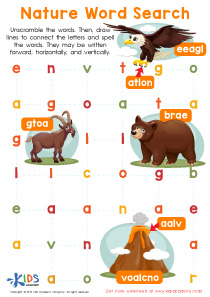
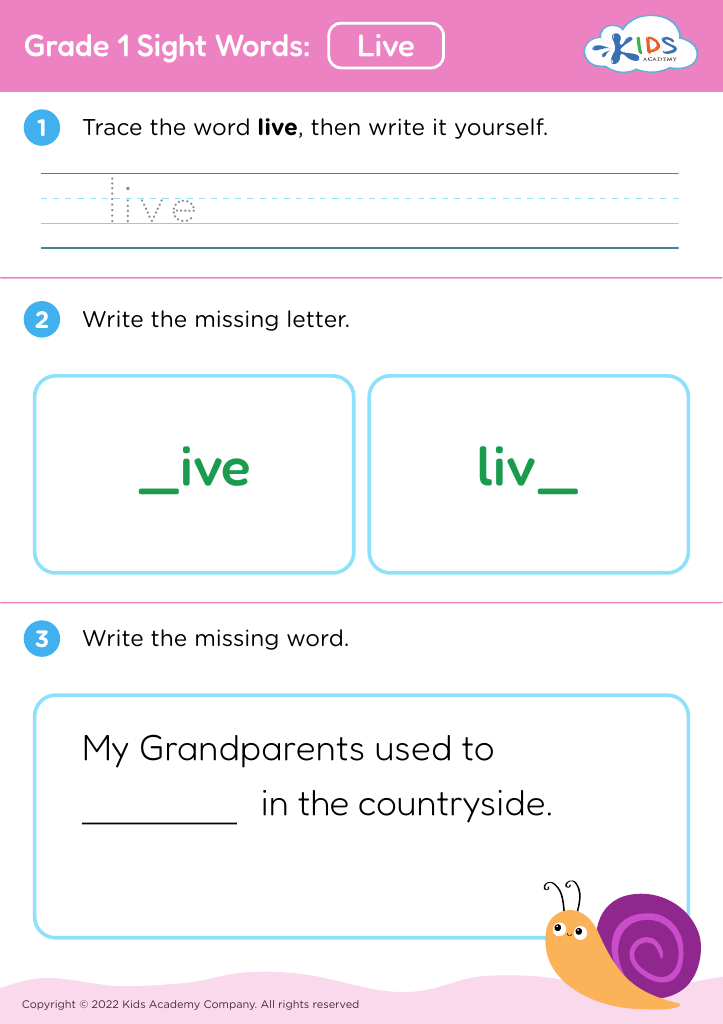
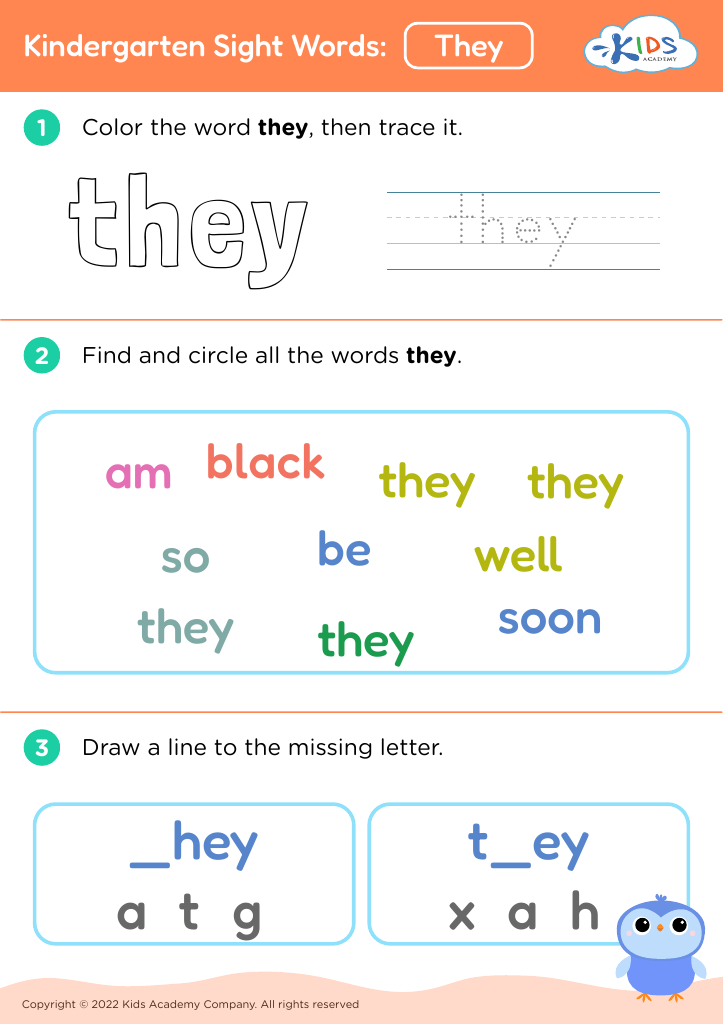
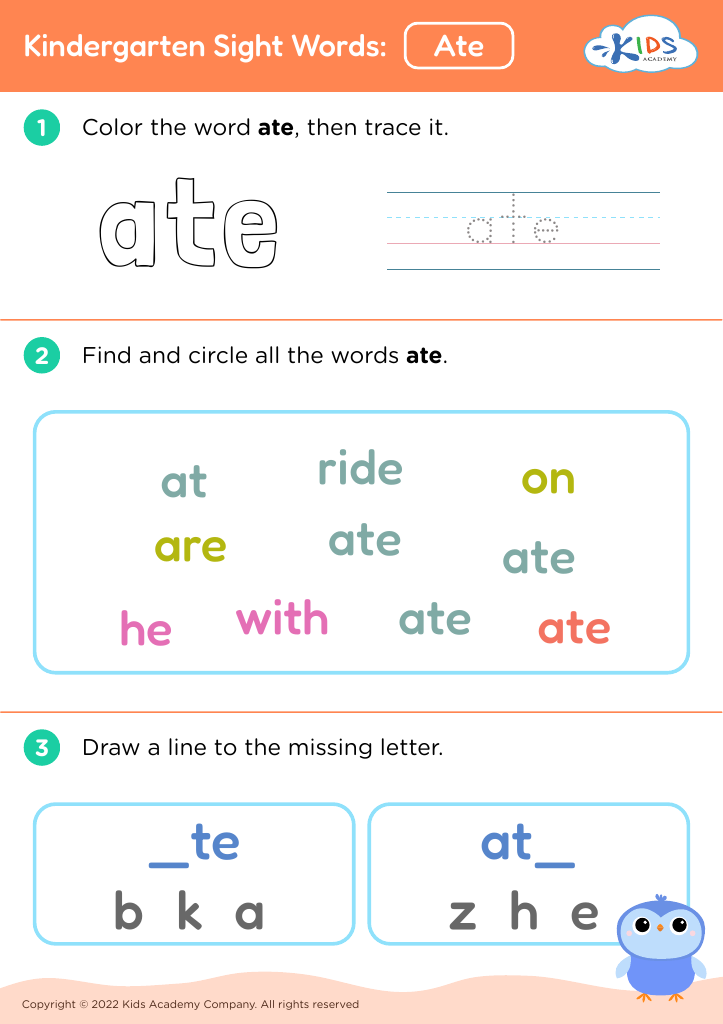
Unlock your child's full potential with our "Develop Critical Thinking Sight Words Worksheets" designed specifically for ages 5-7. These engaging worksheets go beyond memorization, encouraging young learners to analyze, interpret, and apply their knowledge of sight words in diverse contexts. Designed to boost both literacy and critical thinking skills, these activities include matching, fill-in-the-blanks, and creative exercises that stimulate cognitive development. Perfect for parents and educators, our resources facilitate interactive learning at home or in the classroom. By nurturing these essential thinking skills, you're providing your child with a solid foundation for reading comprehension and lifelong learning. Start cultivating young thinkers today!
Favorites
With answer key
Interactive




Join Kids Academy for Free
Who is primarily going to use this learning content?








Developing critical thinking skills in young children, particularly in the context of learning sight words, is crucial for several reasons. For ages 5-7, sight words serve as the building blocks of literacy, enabling children to read and comprehend text more easily. When educators and parents focus on critical thinking alongside sight word recognition, they empower children to engage more deeply with their reading material.
Firstly, critical thinking encourages children to ask questions, make connections, and analyze information rather than simply memorizing words. This reflective approach enhances their understanding of language and context, fostering a love for reading and an inquisitive mindset about the world around them.
Additionally, when children learn to think critically about the words they encounter, they develop strong problem-solving skills. This includes deciphering unfamiliar words, deriving meaning from context, and inferring intentions or themes in a story. These skills are not only applicable in reading but across subjects and real-life situations.
Moreover, developing critical thinking related to sight words supports social-emotional growth as children learn to express opinions and engage in discussions. Overall, merging sight word acquisition with critical thinking fosters independent, confident readers equipped for future academic success and lifelong learning.