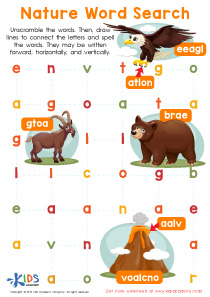
Logical Reasoning Sight Words Worksheets for Ages 5-7
3 filtered results
Difficulty Level
Grade
Age
-
From - To
Subject
Activity
Standards
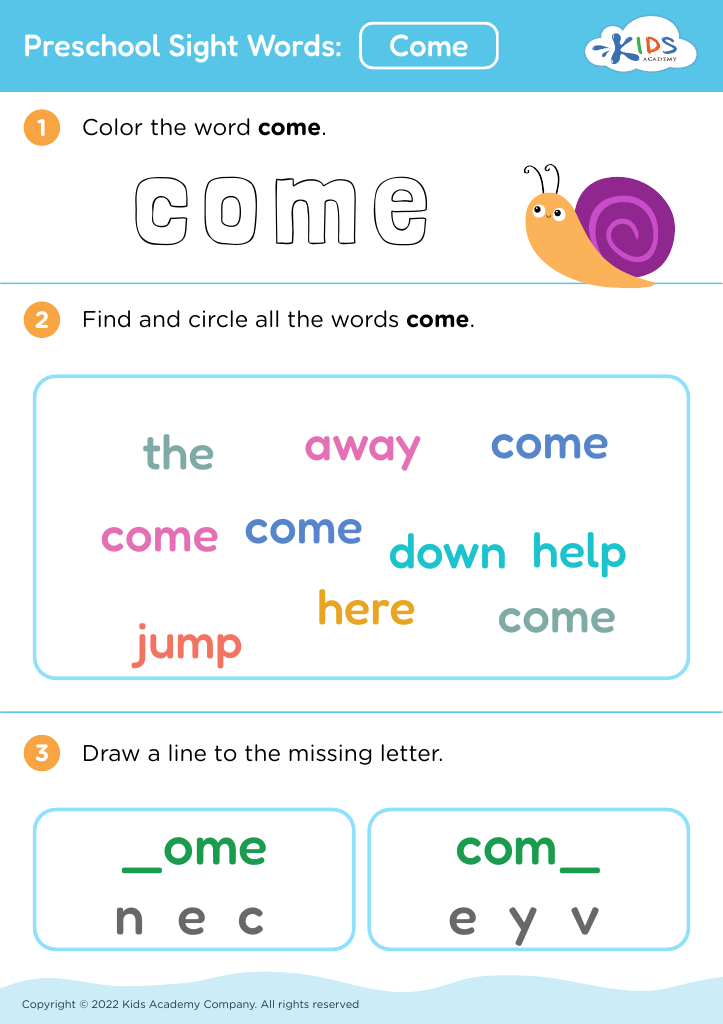
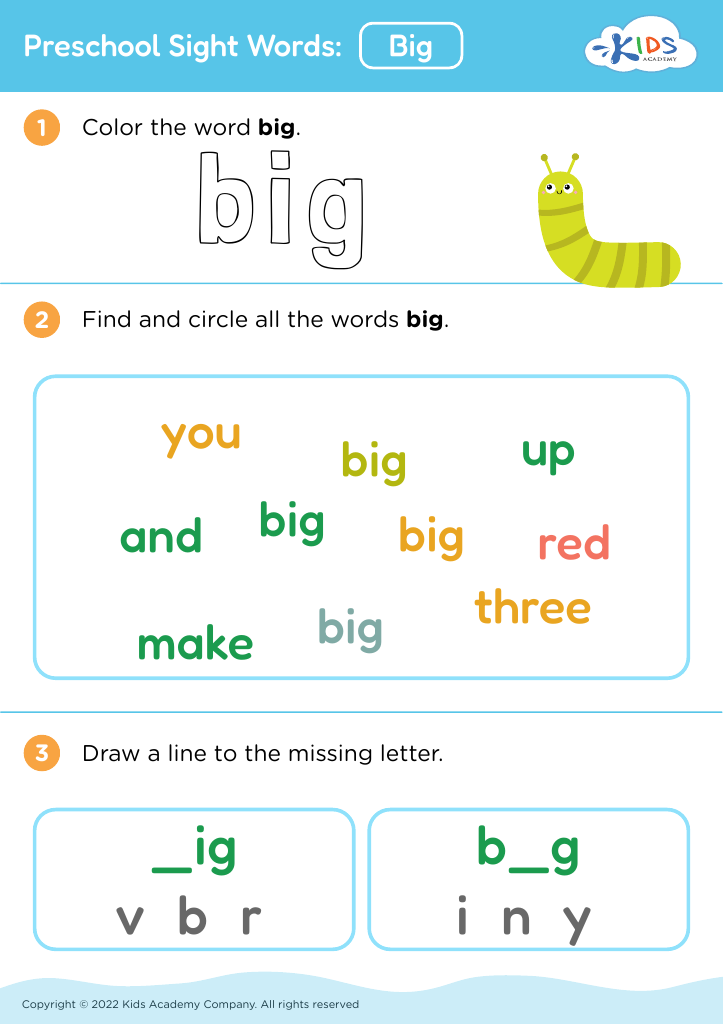
Discover our engaging Logical Reasoning Sight Words Worksheets designed specifically for children aged 5-7! These worksheets blend essential sight word practice with critical thinking skills, helping young learners improve both vocabulary and reasoning abilities. Each activity encourages students to make connections, solve problems, and think analytically while reinforcing their understanding of sight words. Perfect for preschool or early elementary classrooms, our worksheets are tailored to keep children motivated and excited about learning. Watch your child thrive as they boost their literacy skills and develop a strong foundation for future academic success. Start their learning journey today!
Favorites
With answer key
Interactive
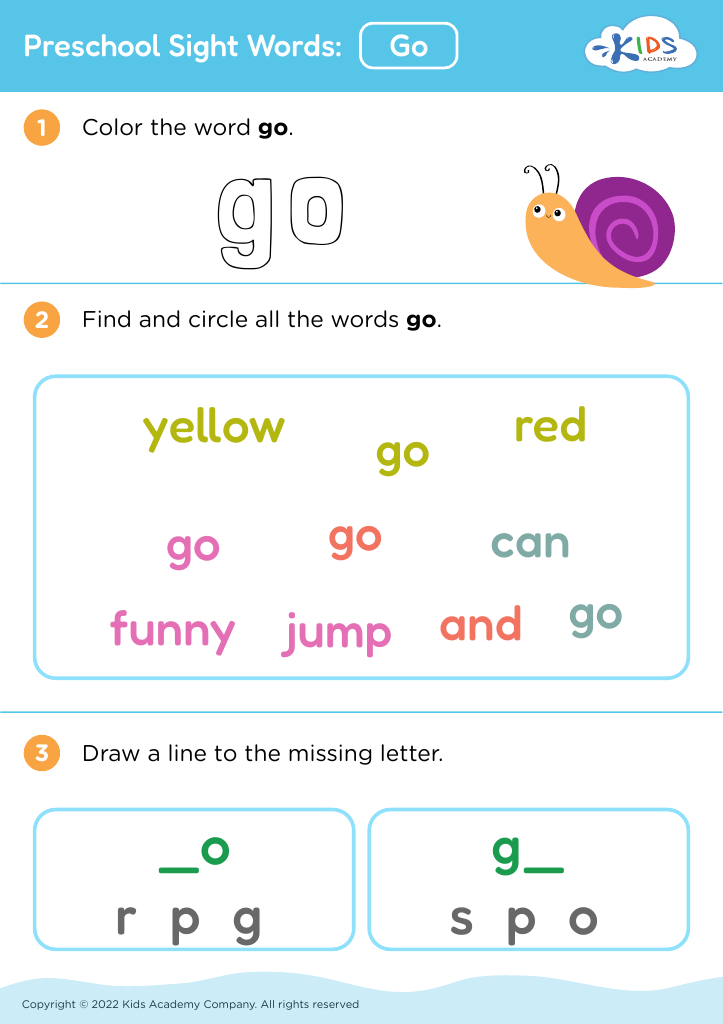



Join Kids Academy for Free
Who is primarily going to use this learning content?





.jpg)


Logical reasoning sight words are vital for children aged 5 to 7, as they establish critical connections between language comprehension and cognitive development. These foundational words enable children to recognize and understand terms that frequently appear in texts, which helps them become confident readers. Mastering sight words streamlines the reading process, allowing young learners to focus on comprehension rather than decoding each word.
Furthermore, engaging with logical reasoning involving sight words fosters analytical thinking. When children approach reading with a curious mindset—asking questions, making predictions, or inferring meanings—they develop stronger reasoning skills essential for problem-solving in various aspects of life. In today’s educational landscape, these skills are necessary for academic success and preparing for future learning challenges.
Parents and teachers should actively promote logical reasoning sight word recognition through engaging activities, games, and discussions. These approaches not only enhance reading fluency but also build a love for learning. Encouraging children to explore the relationships between sight words and their meanings nurtures their intellectual curiosity, laying the groundwork for robust literacy skills. Investing time in this area can significantly impact a child's self-esteem and educational journey, making it an imperative focus for both parents and educators.