Recognizing numbers Sight Words Worksheets for Ages 5-7
3 filtered results
-
From - To
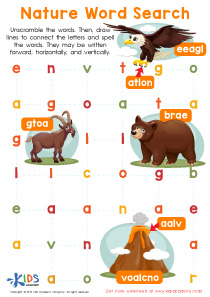
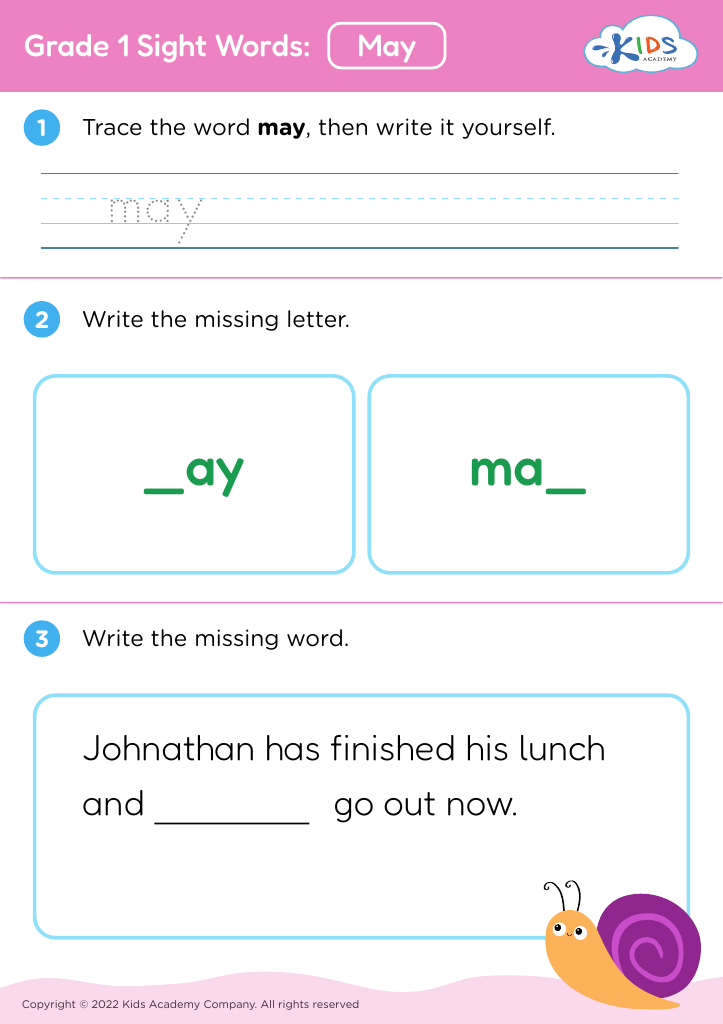
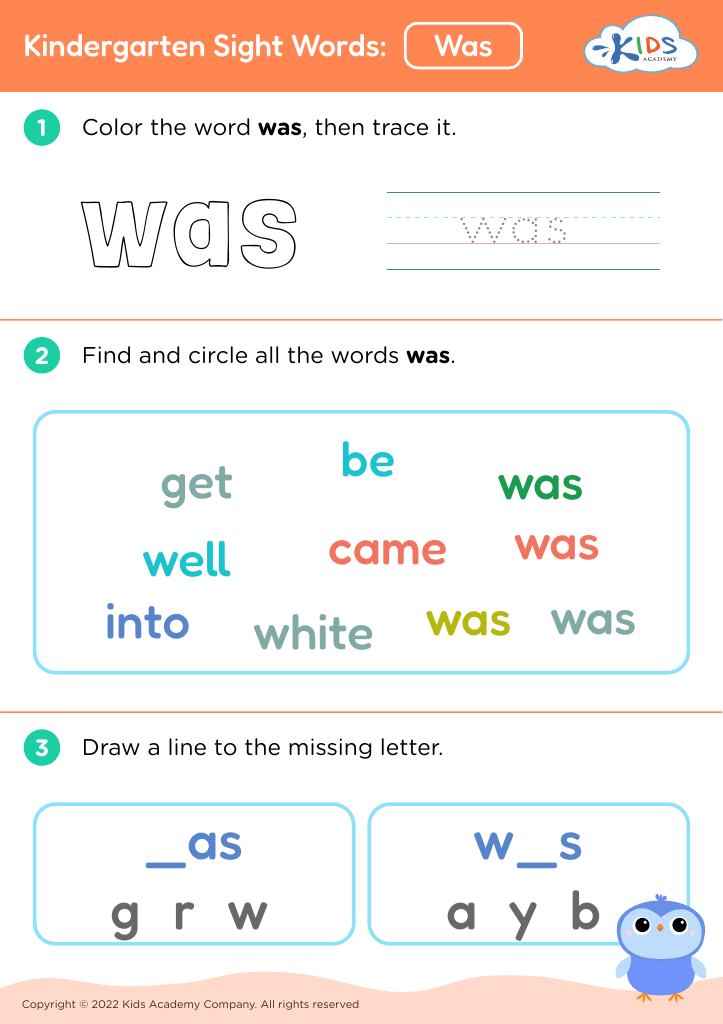
Discover our engaging Recognizing Numbers Sight Words Worksheets designed specifically for children ages 5-7. These printable resources help young learners identify numbers while enhancing their sight word vocabulary. Our worksheets feature colorful graphics and fun activities that keep children motivated and excited about learning. Through interactive exercises, kids will practice number recognition, developing foundational math skills alongside reading proficiency. Perfect for both classroom and home use, these worksheets support early education and make learning enjoyable. Equip your child with the essential skills they need for academic success while fostering a love for numbers and words. Start the adventure in learning today!




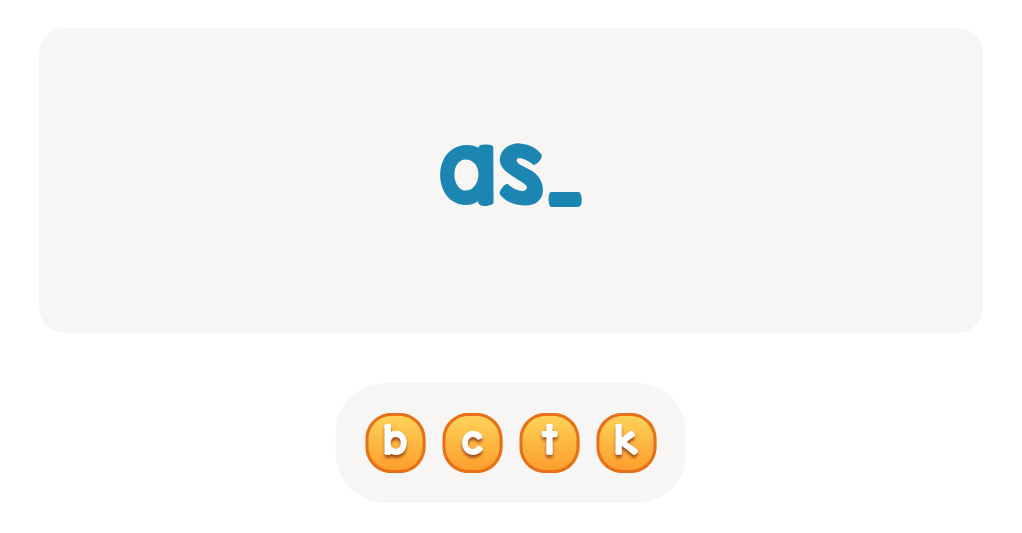
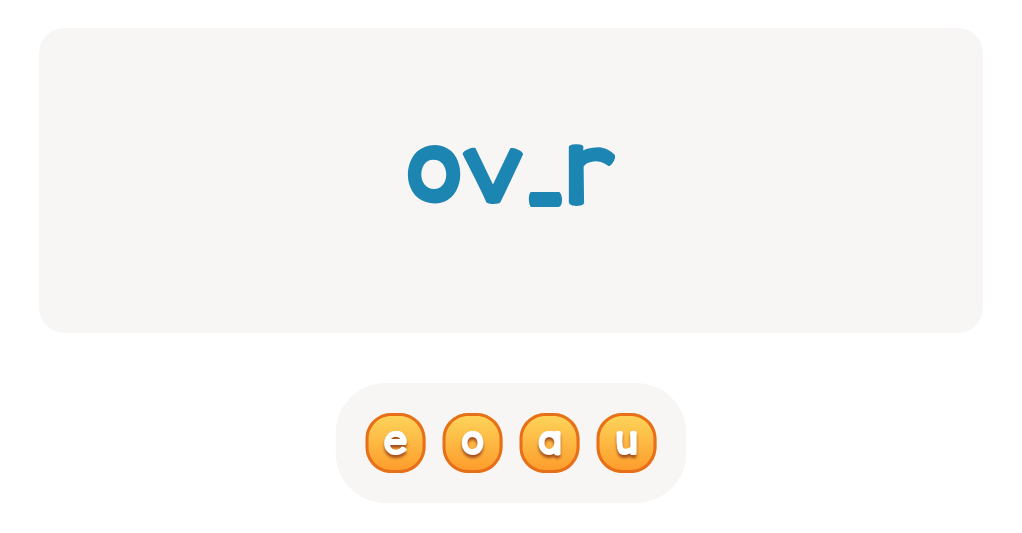
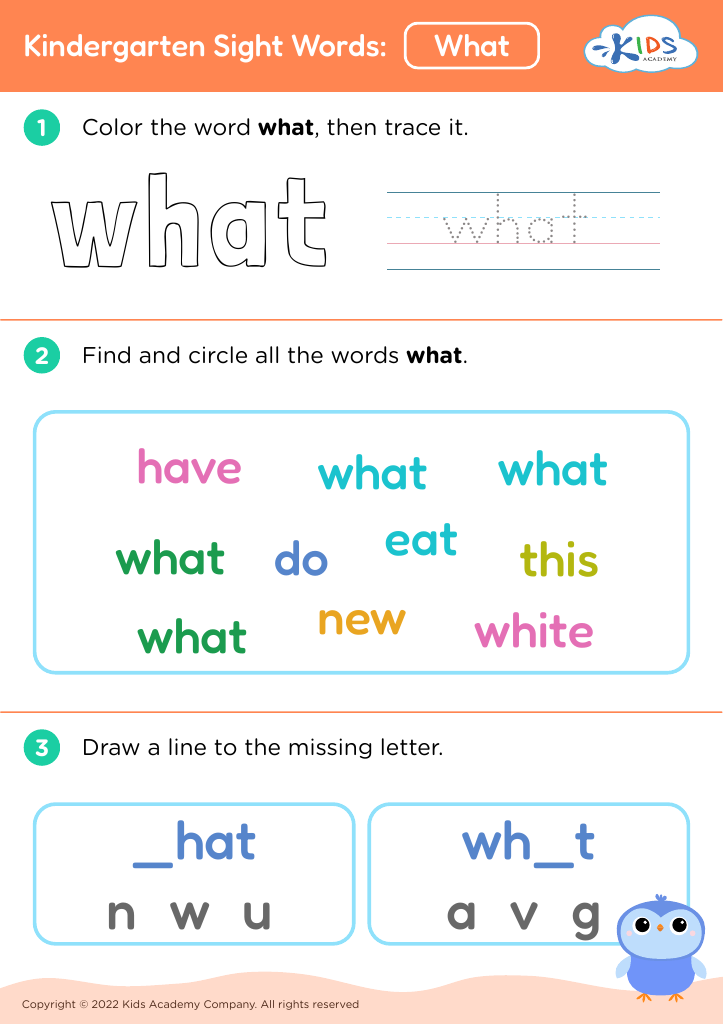


.jpg)





Recognizing sight words and numbers is crucial for children aged 5-7 as it lays a strong foundation for their literacy and numeracy skills. At this developmental stage, children are curious and eager to learn, making it an ideal time to introduce them to sight words and number recognition.
Sight words allow young readers to gain fluency in reading, enhancing their confidence and comprehension. By recognizing frequently used words, children can focus their cognitive resources on understanding the meaning of sentences rather than decoding every single word. This skill is fundamental for engaging with more complex texts as they progress.
Similarly, number recognition is essential for building a child’s mathematical understanding. Recognizing numbers aids in counting, basic arithmetic, and developing problem-solving skills. This foundational skill helps children make sense of their environment, understand quantities, and engage in everyday math tasks.
For parents and teachers, emphasizing the importance of sight words and number recognition can promote a love for learning. These skills not only support academic success but also encourage children to explore, ask questions, and develop critical thinking abilities. By investing in this early learning stage, caregivers ensure a smoother transition into higher-level literacy and numeracy education.