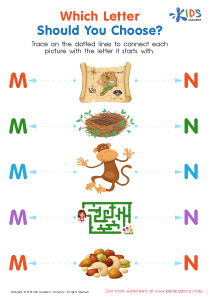
Handwriting practice Lowercase/Small Letters Worksheets for Ages 5-8
8 filtered results
-
From - To
Enhance your child's penmanship with our Handwriting Practice Lowercase/Small Letters Worksheets, designed for ages 5-8. These thoughtfully crafted worksheets help young learners master essential handwriting skills through fun, engaging practice. Perfect for beginners, each sheet focuses on individual lowercase letters, guiding kids through easy-to-follow strokes and reinforcing letter recognition. With a variety of exercises that promote muscle memory and dexterity, your child will build the confidence needed to write clearly and smoothly. Start their handwriting journey today with our expert-approved resources designed to make learning enjoyable and effective. Download now and watch them excel!
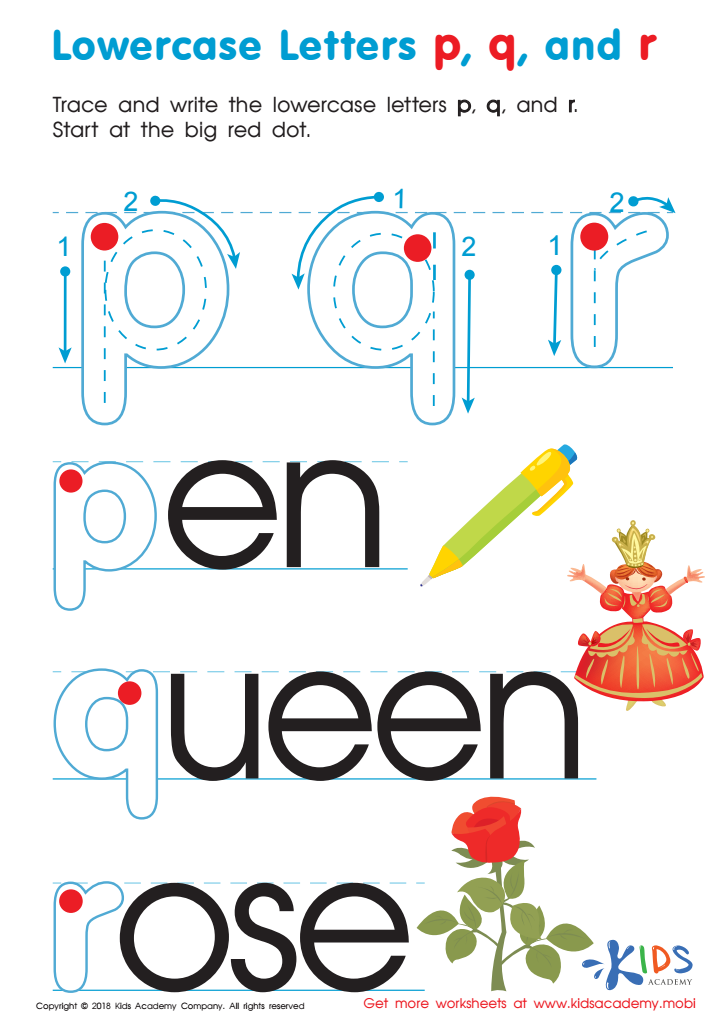
Lowercase Letters p q r Worksheet
 Assign to My Students
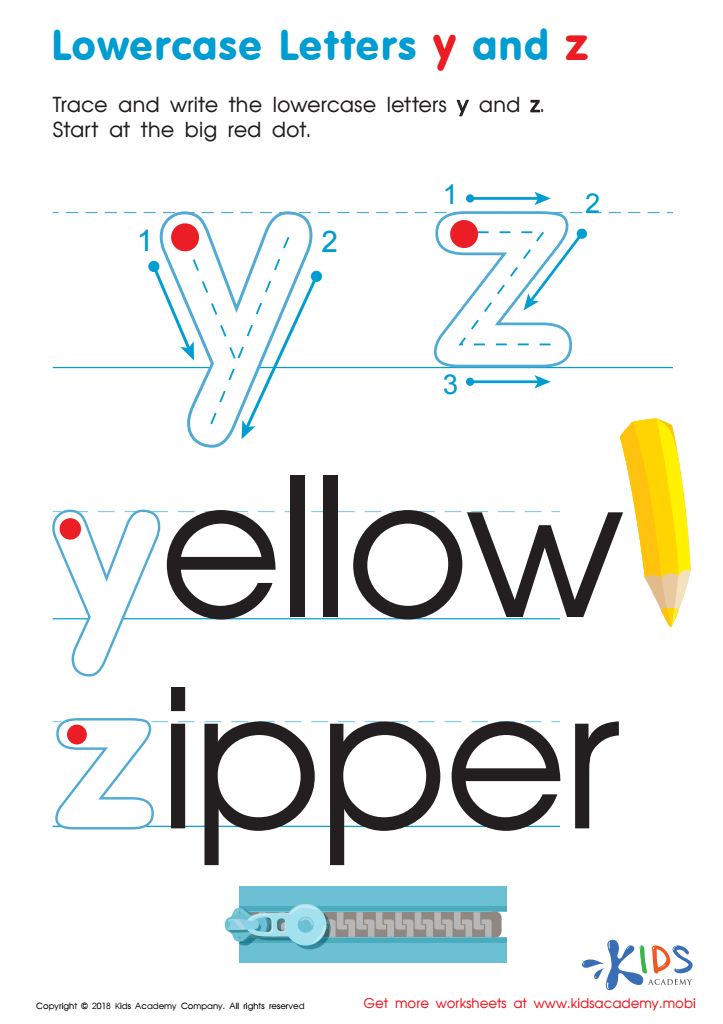
Lowercase Letters y z Worksheet
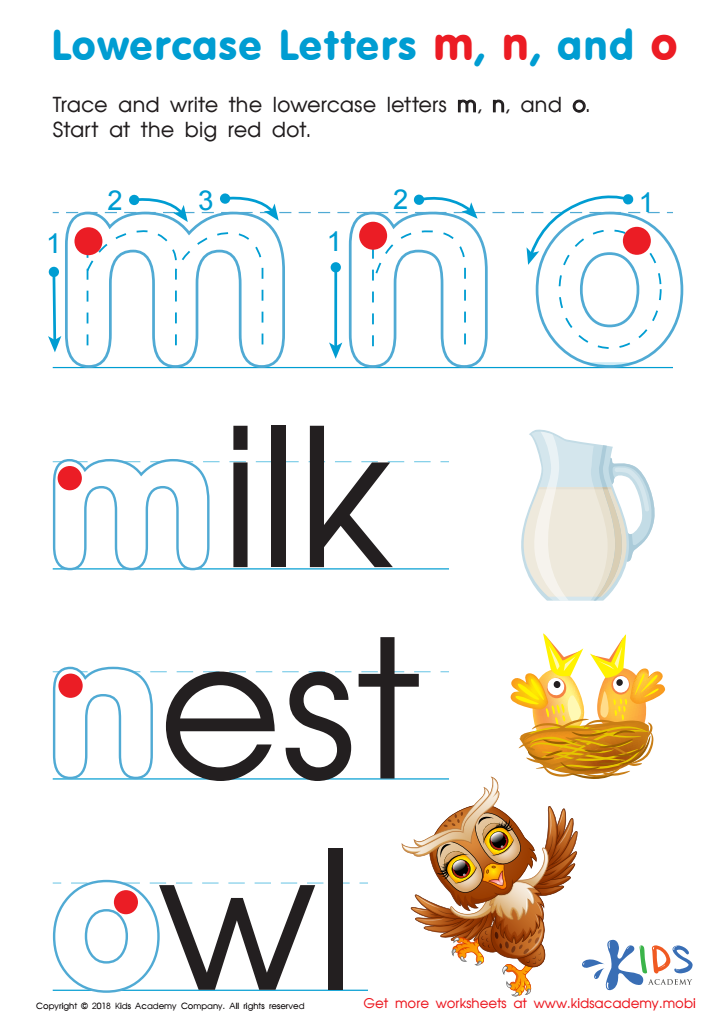
Lowercase Letters m n o Worksheet
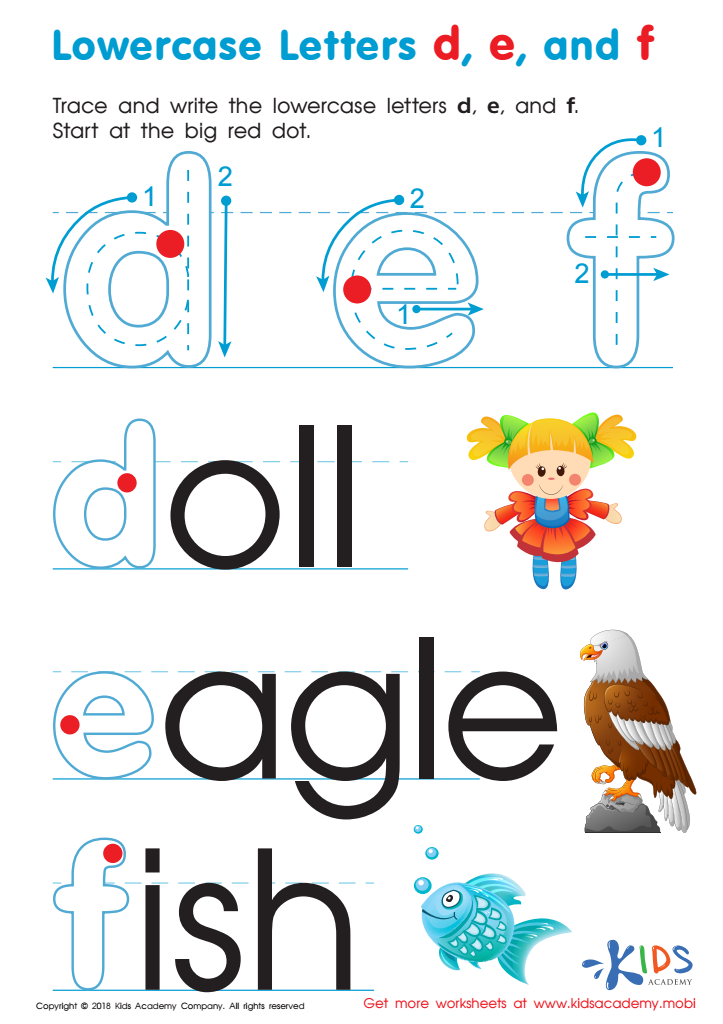
Lowercase Letters d e f Worksheet
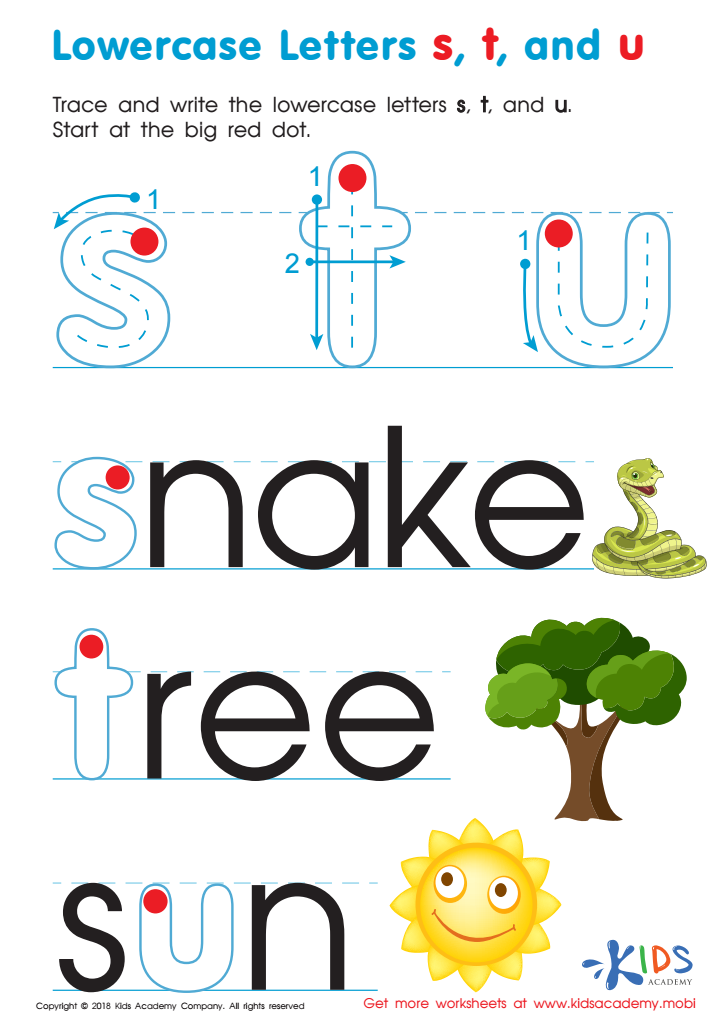
Lowercase Letters s t u Worksheet
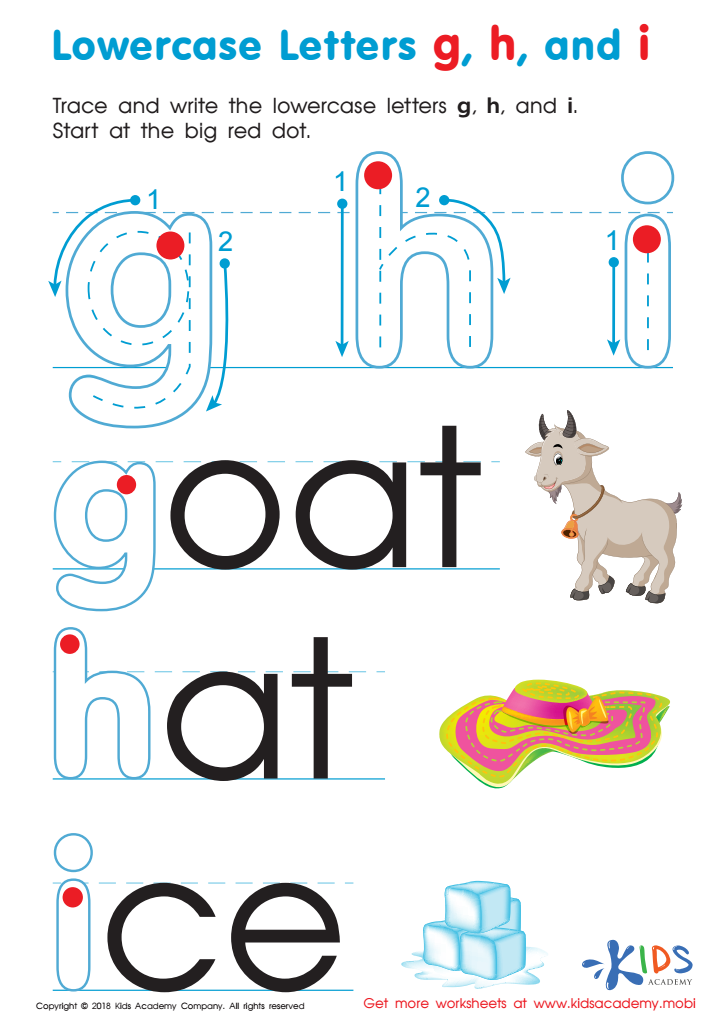
Lowercase Letters g h i Worksheet
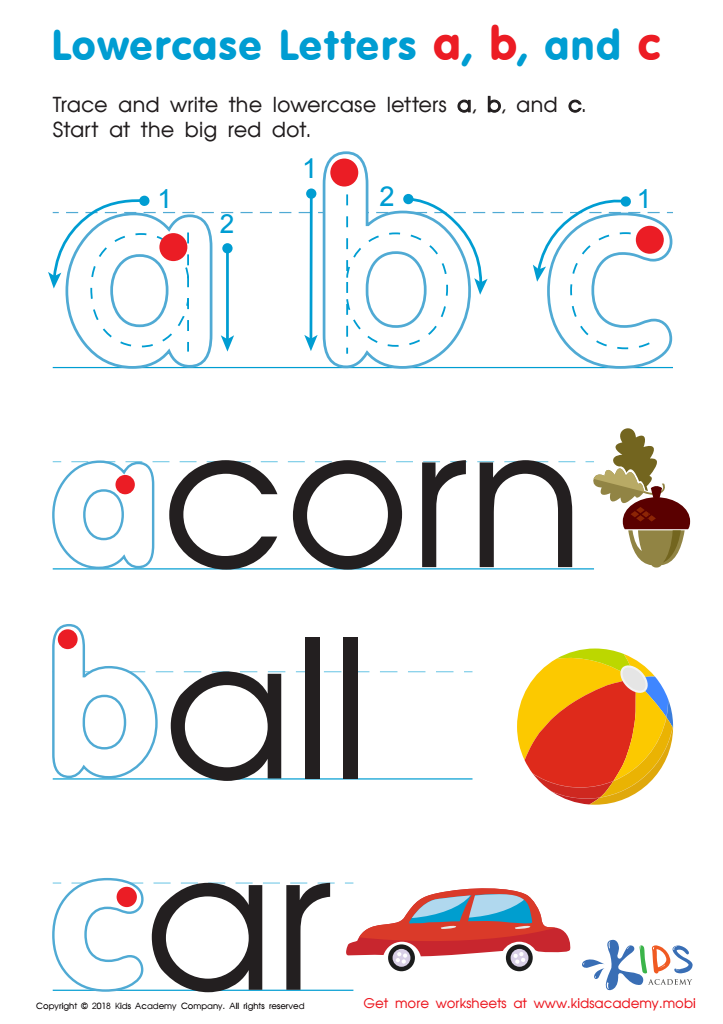
Lowercase Letters a b c Worksheet
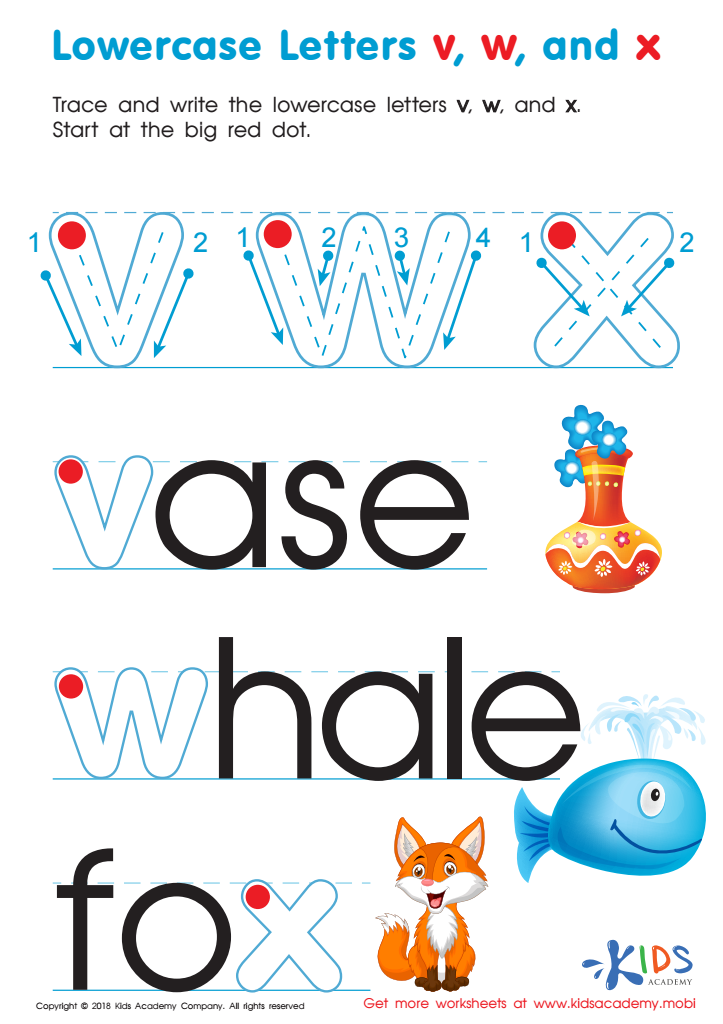
Lowercase Letters v w x Worksheet


Handwriting practice, especially focusing on lowercase letters, is crucial for children aged 5-8 because it lays the foundation for effective communication and academic success. During these formative years, children are developing critical fine motor skills that are essential for writing clearly and efficiently. By practicing lowercase letters, they gain muscle memory and coordination, which will help them write with greater ease and speed in the future.
Lowercase letters are most frequently used in reading and writing, making their mastery vital for literacy development. Proficiency in lowercase handwriting fosters improved reading skills, as children can quickly recognize and comprehend text. Furthermore, neat handwriting enhances a child's ability to express ideas clearly, facilitating better performance in school assignments and assessments.
Handwriting practice also supports cognitive development by strengthening neural pathways associated with memory, focus, and language skills. As children practice forming letters, they engage in a mental process that integrates visual, tactile, and kinesthetic learning styles. This multi-sensory approach promotes healthy brain development and improves overall academic capabilities.
In essence, handwriting practice is not merely about forming letters correctly; it fosters significant developmental milestones. Prioritizing this practice ensures that children build essential skills that will support their academic and personal growth well into the future.