Critical Thinking Worksheets for Ages 5-8 - Page 7
162 filtered results
-
From - To
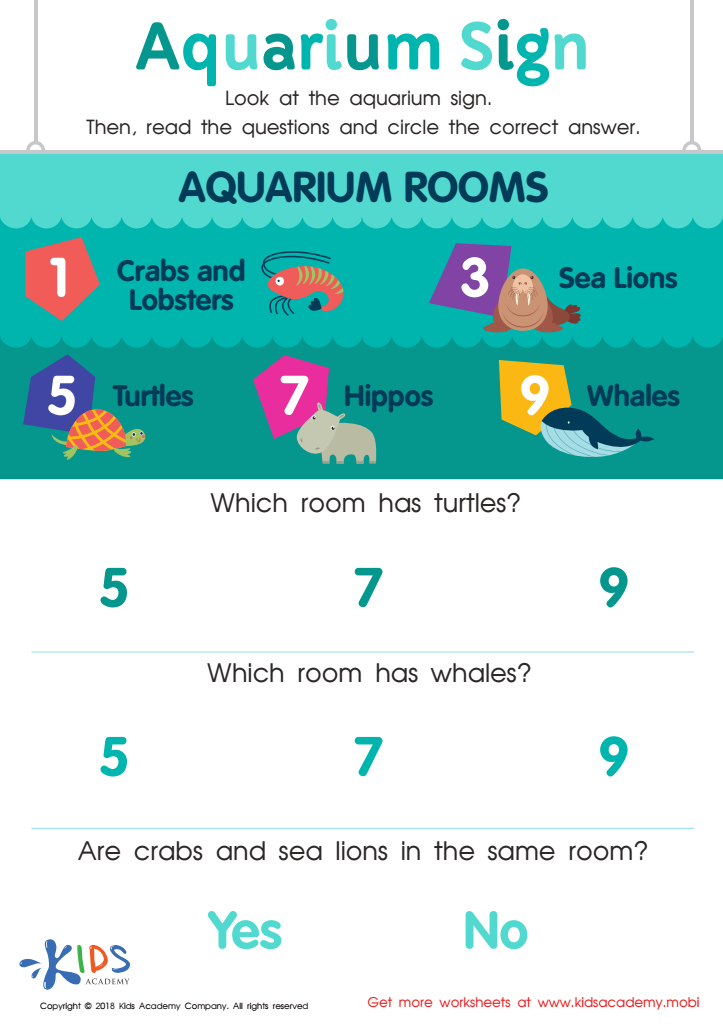
Assessment: Aquarium Sign Worksheet
 Assign to My Students
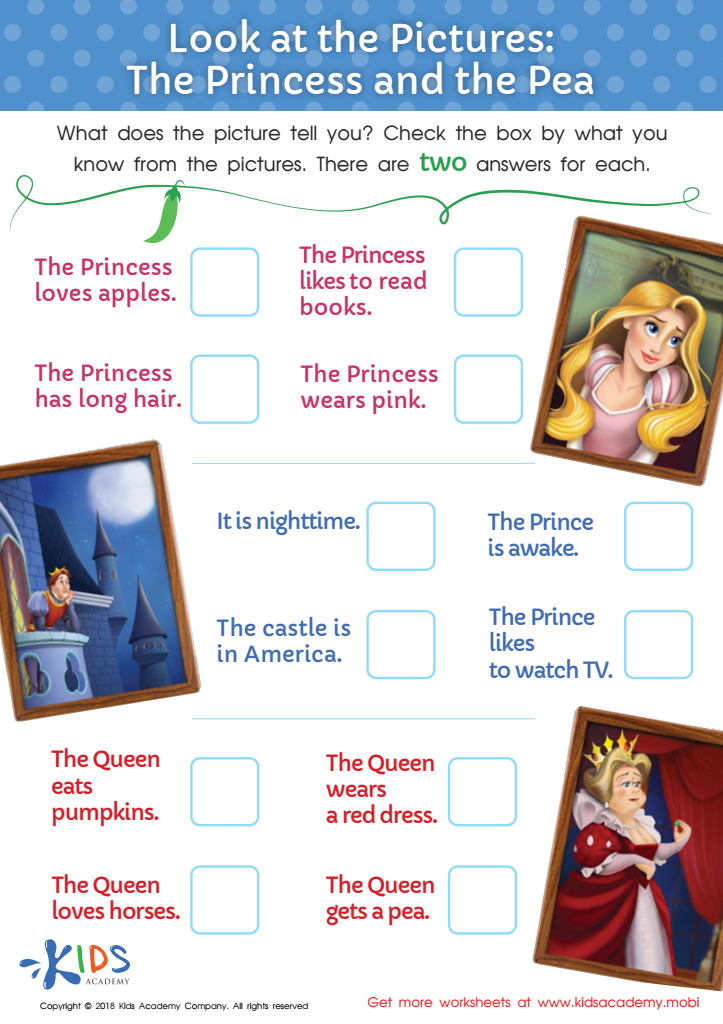
Look at the Pictures: The Princess and the Pea Worksheet
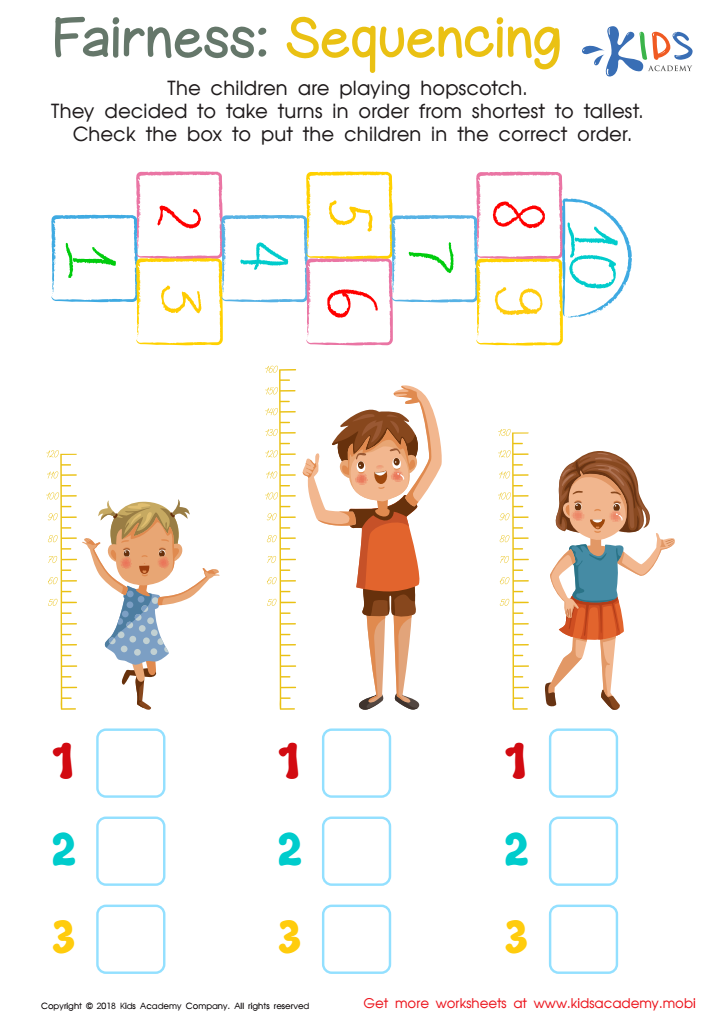
Fairness: Sequencing Worksheet
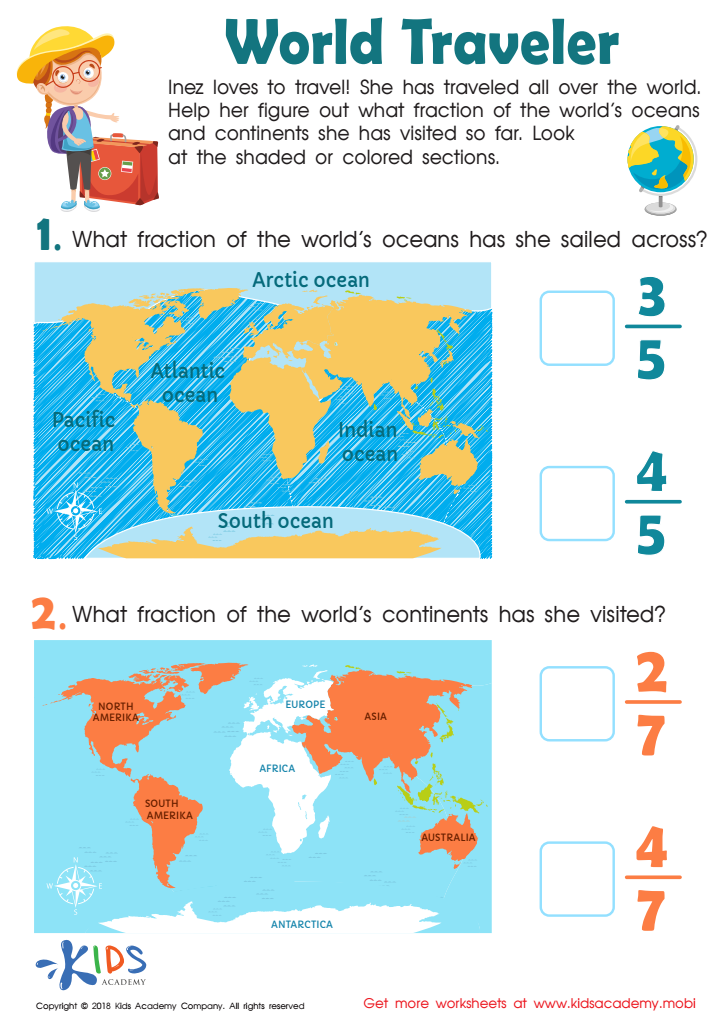
World Traveler Worksheet
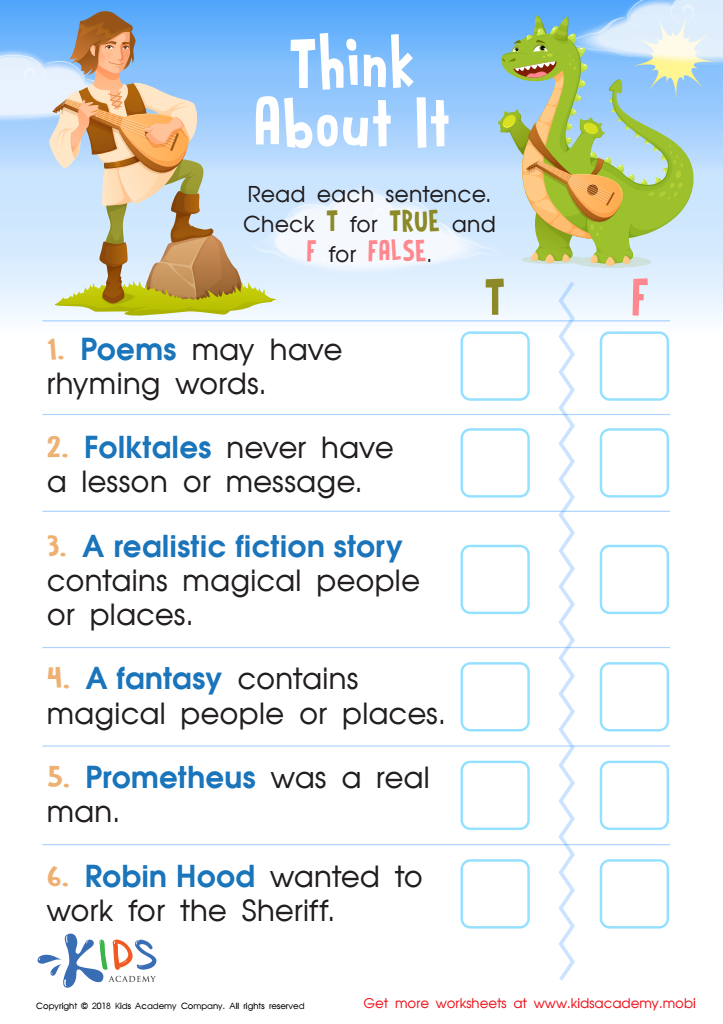
Think About It: Assessment Worksheet
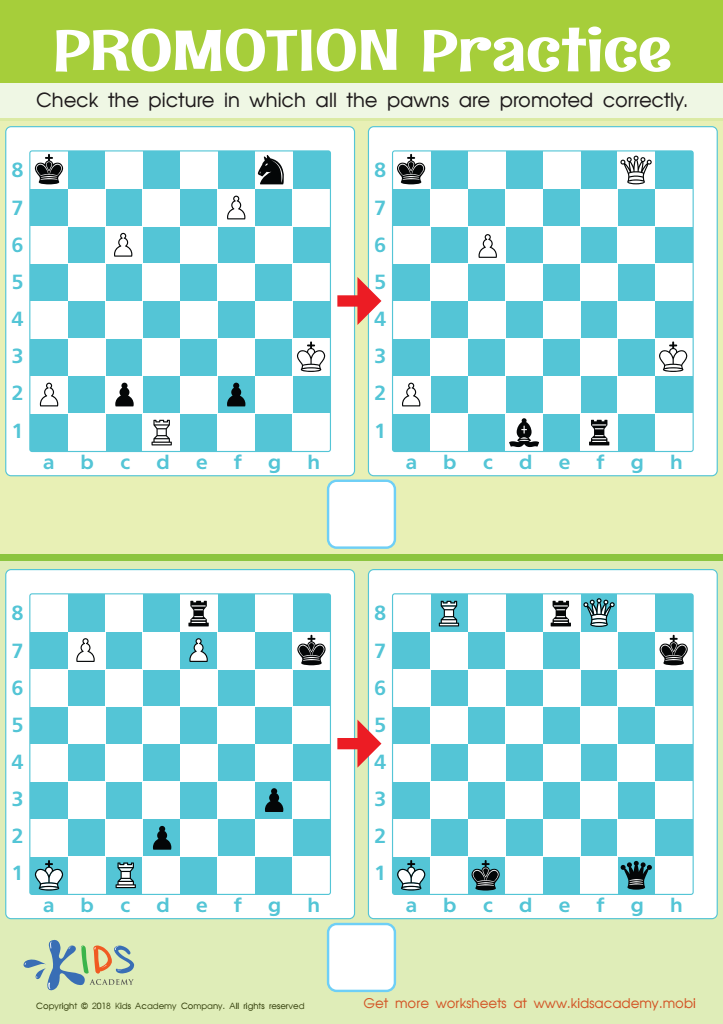
Promotion Practice Worksheet
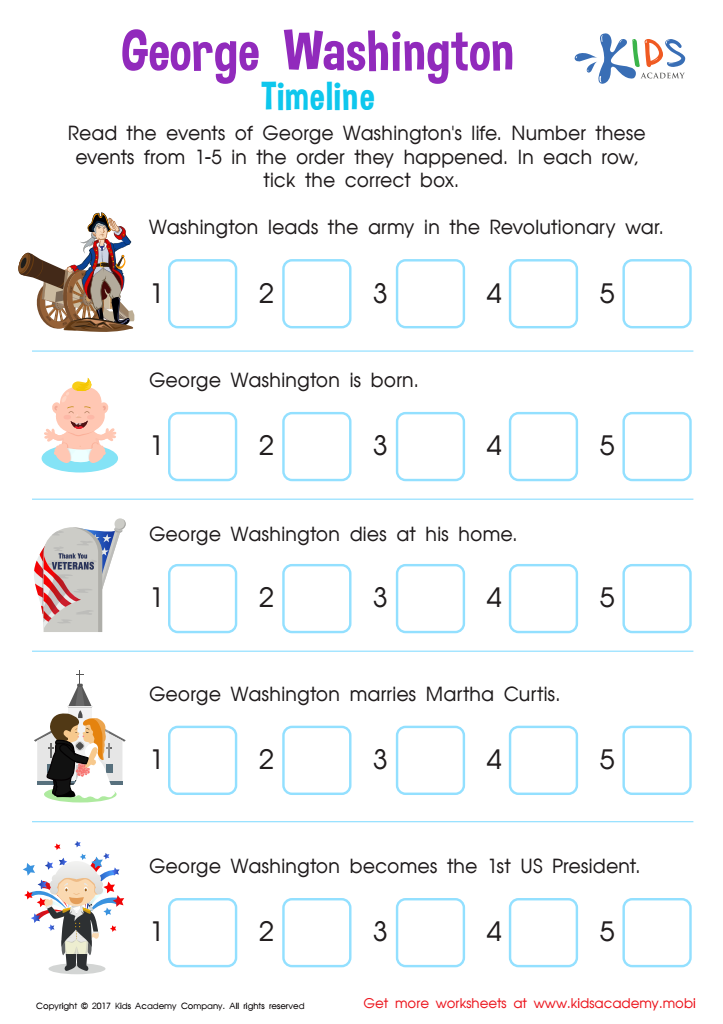
George Washington Timeline Worksheet
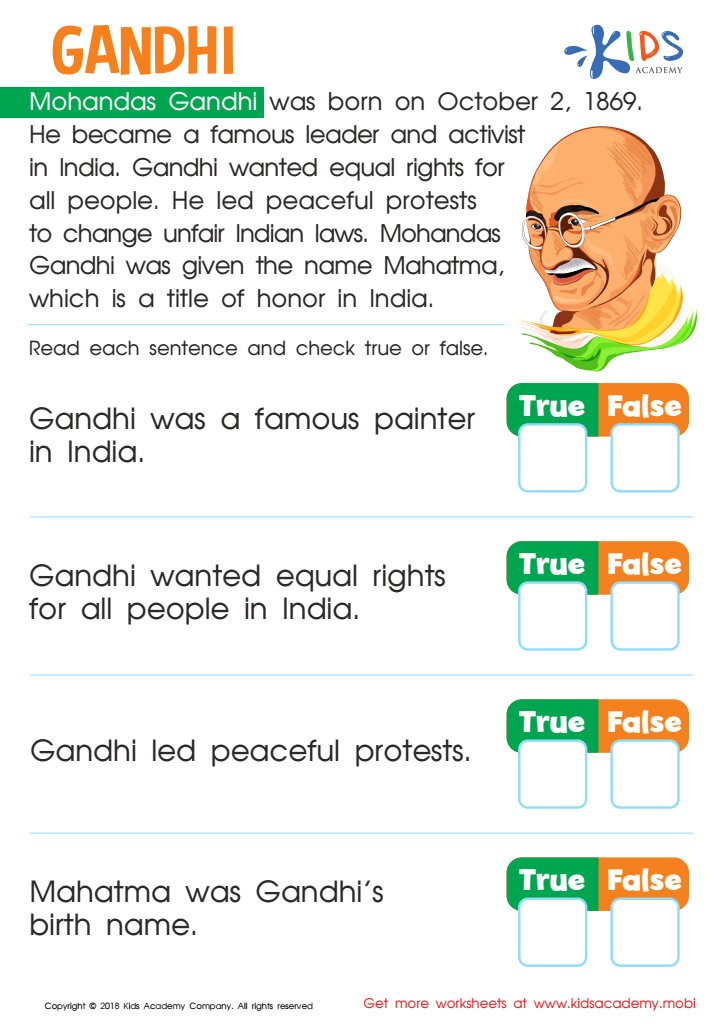
Gandhi Worksheet
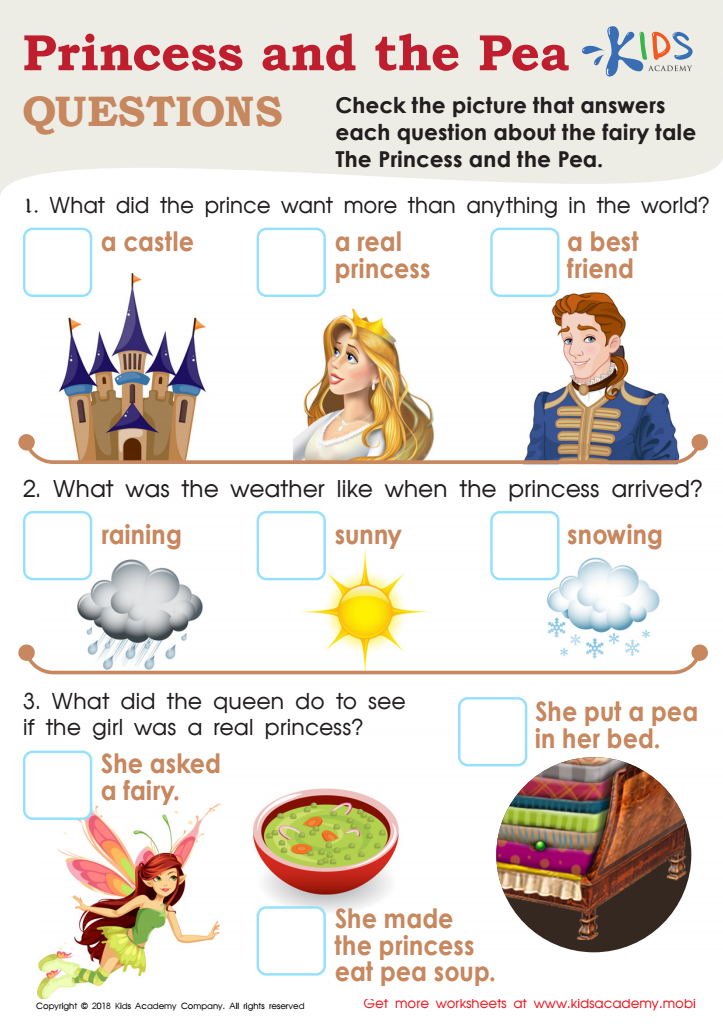
Princess and the Pea Questions Worksheet
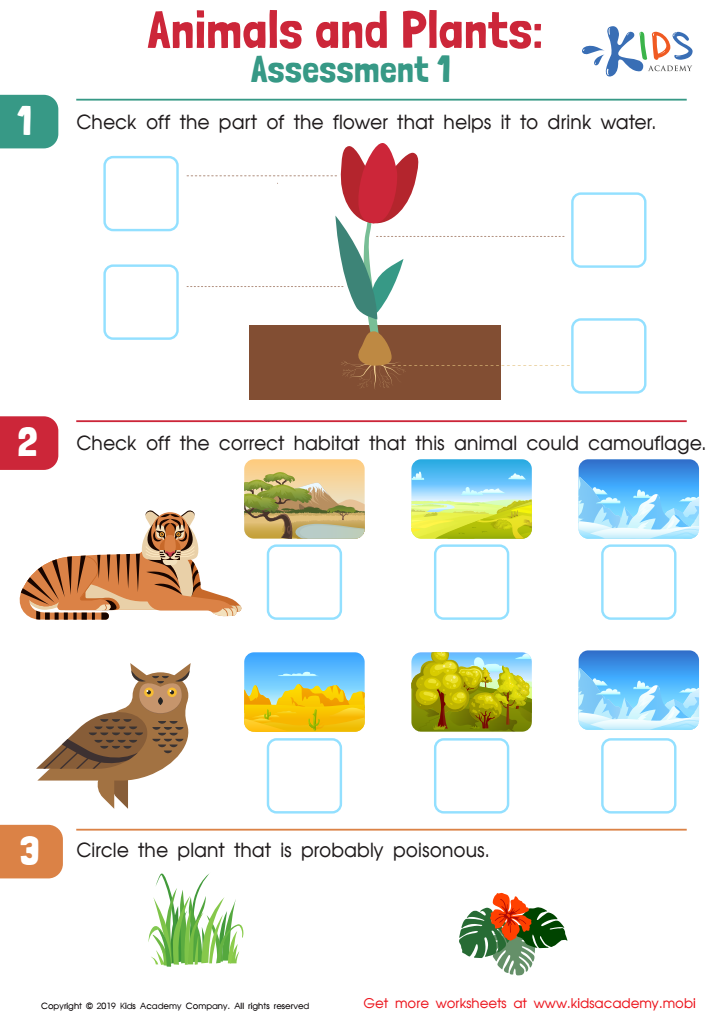
Animals and Plants: Assessment 1 Worksheet
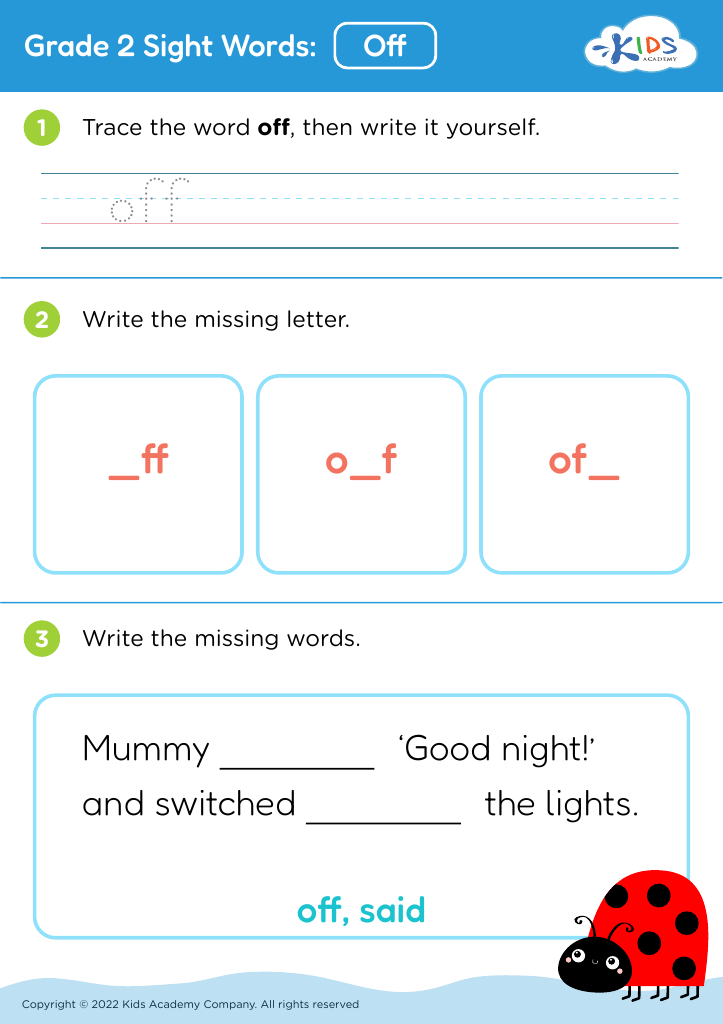
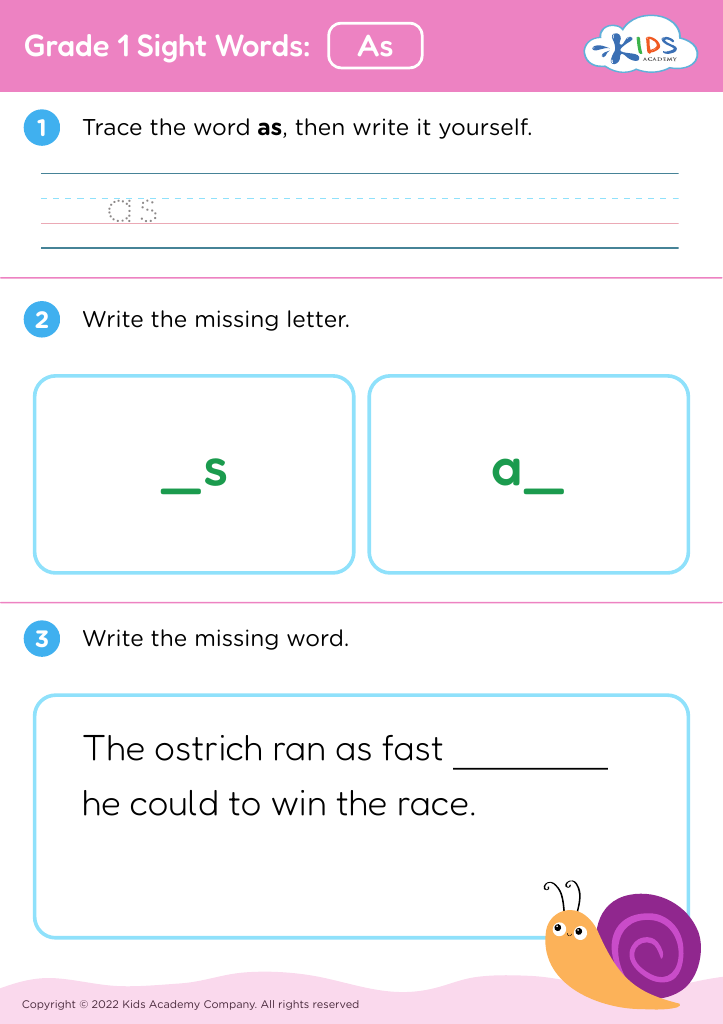
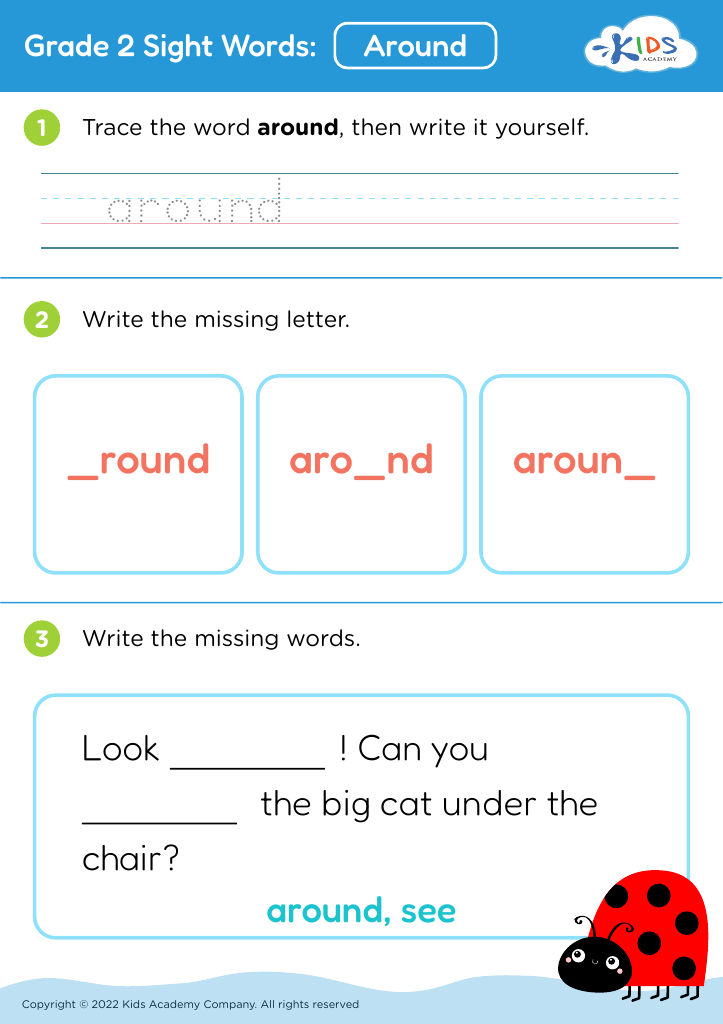
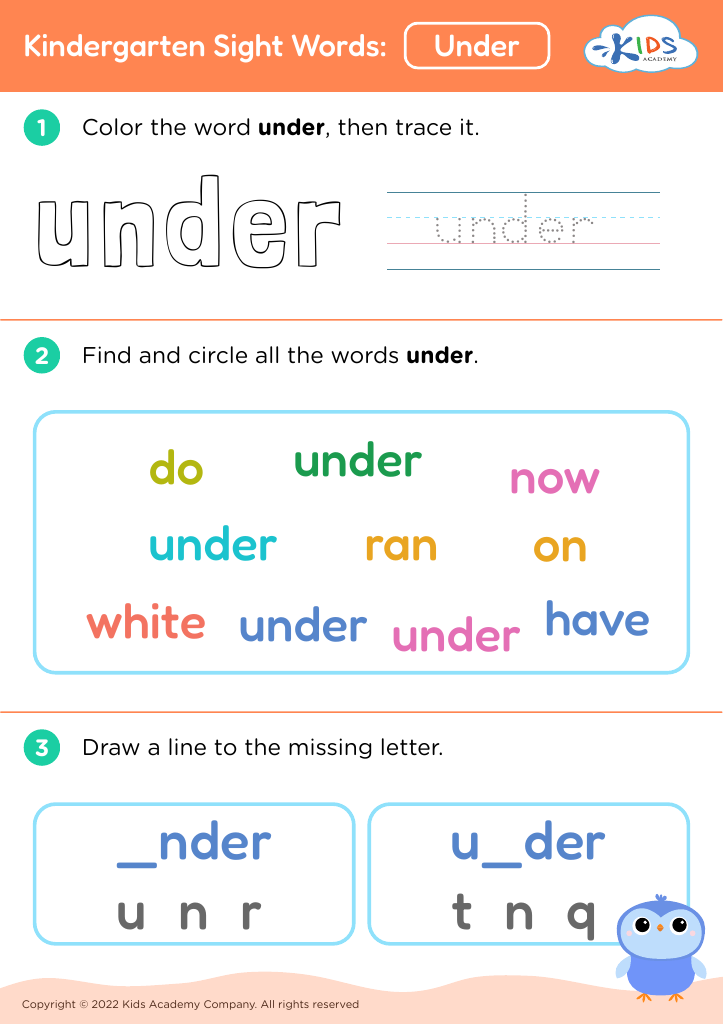







Parents and teachers should prioritize fostering critical thinking in children aged 5-8 because this skill builds a foundation for effective problem-solving and lifelong learning. During these early years, children's brains are highly receptive, making it an ideal period to nurture their ability to analyze, evaluate, and create. Critical thinking enables young learners to question the world around them, encouraging curiosity and a deeper understanding of their environment.
Incorporating critical thinking tasks teaches children how to assess situations, make informed decisions, and reflect on the consequences of their actions. Such skills are not only academically beneficial but also crucial for personal development and social interactions. Children learn to express their thoughts clearly, listen to differing viewpoints, and develop empathy—qualities essential for collaboration and respectful discourse.
Moreover, critical thinking nurtures resilience and adaptability. By learning how to tackle challenges and cope with failures constructively, children gain confidence in their abilities. In our rapidly evolving world, these skills become even more critical, equipping children to face future uncertainties with a problem-solving mindset.
Encouraging critical thinking in early childhood education helps create independent, thoughtful individuals. Parents and teachers play a pivotal role in this developmental stage, using engaging, age-appropriate activities and open-ended questions to stimulate young minds and lay the groundwork for future success.








