Develop cognitive skills Worksheets for Ages 5-8
3 filtered results
-
From - To
Unlock your child's potential with our engaging cognitive skills worksheets designed for ages 5-8. These printable resources focus on enhancing critical thinking, problem-solving, and memory by incorporating fun activities that capture young minds. Each worksheet is tailored to provide age-appropriate challenges that promote essential cognitive development through games, puzzles, and creative exercises. Foster a love for learning while building strong foundational skills that will benefit your child in school and beyond. Explore our collection today and empower your little learners to think creatively and strategically as they embark on their educational journey!
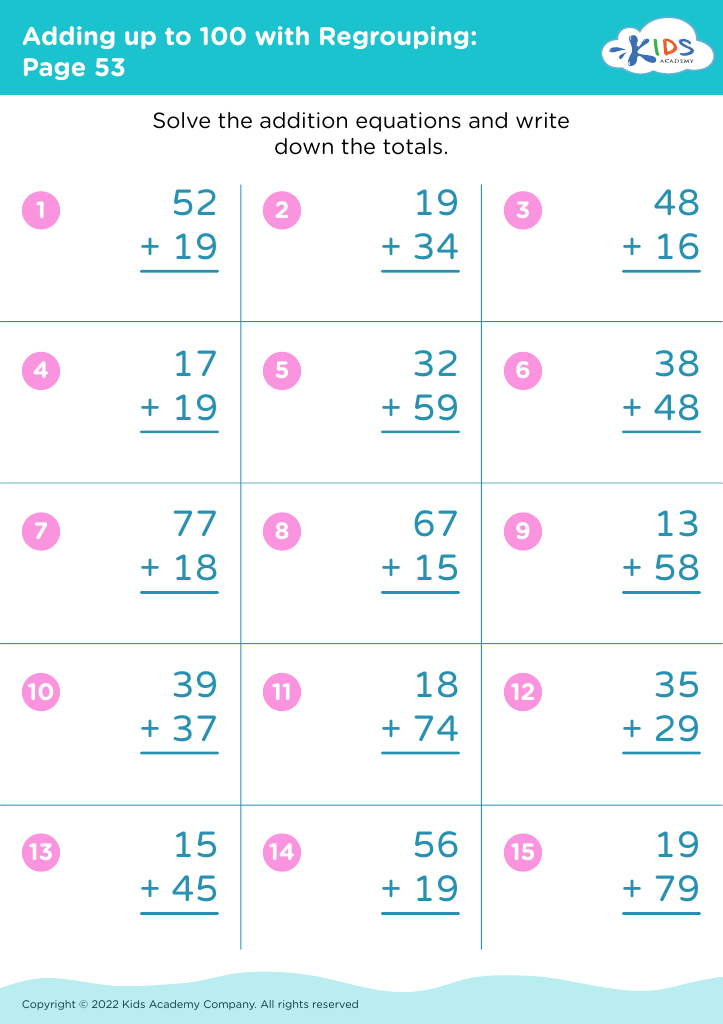

Smart Capturing Worksheet
 Assign to My Students
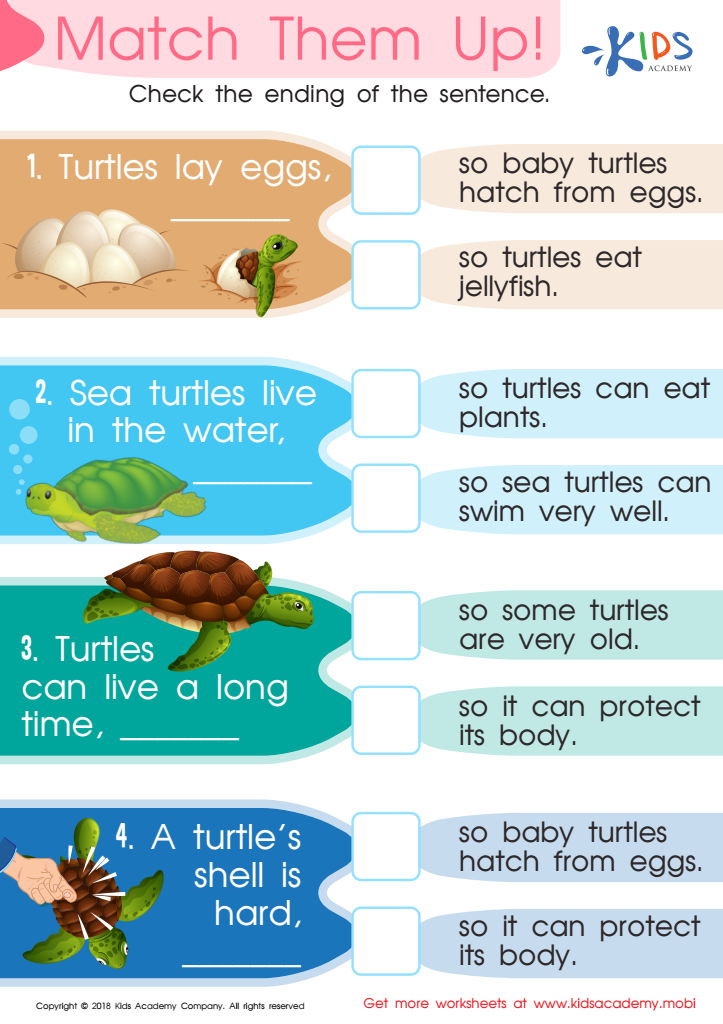
Match Them Up Worksheet







Developing cognitive skills in children ages 5-8 is crucial for several reasons. During this formative period, children's brains undergo significant growth, making them particularly receptive to learning. Enhanced cognitive skills, such as critical thinking, problem-solving, and memory, lay a strong foundation for future academic success and everyday life.
Parents and teachers should prioritize cognitive development because it directly impacts children’s ability to learn effectively. Skills such as attention control, language development, and logical reasoning are essential for understanding complex subjects and navigating social interactions. Strong cognitive skills also foster a love of learning, encouraging children to become curious, motivated, and resilient individuals.
Moreover, fostering these skills can help identify potential learning difficulties early on, enabling timely intervention. Engaging children in stimulating activities—like puzzles, storytelling, and interactive games—can sharpen their cognitive abilities. Children who develop proficient cognitive skills are more equipped to tackle challenges independently and collaborate with peers, fostering social-emotional development as well.
Overall, prioritizing cognitive skill development is a key investment in a child's present and future, setting the stage for lifelong learning, adaptability, and success in a rapidly changing world. By nurturing these skills, parents and teachers play a pivotal role in shaping well-rounded individuals.








