Directional skills Worksheets for Ages 5-8
6 filtered results
-
From - To
Enhance your child's directional skills with our engaging worksheets designed for ages 5-8! Our collection focuses on fundamental concepts such as left, right, up, down, and following directions. These printable resources are perfect for developing spatial awareness and improving listening skills, making learning both fun and effective. Our colorful activity sheets include arrows, mazes, and visual puzzles to captivate young learners. Encourage their critical thinking and problem-solving abilities while boosting their confidence in navigation. Perfect for classroom use or at home, our Directional Skills Worksheets provide a playful yet educational experience for children. Download and watch your child's skills soar!
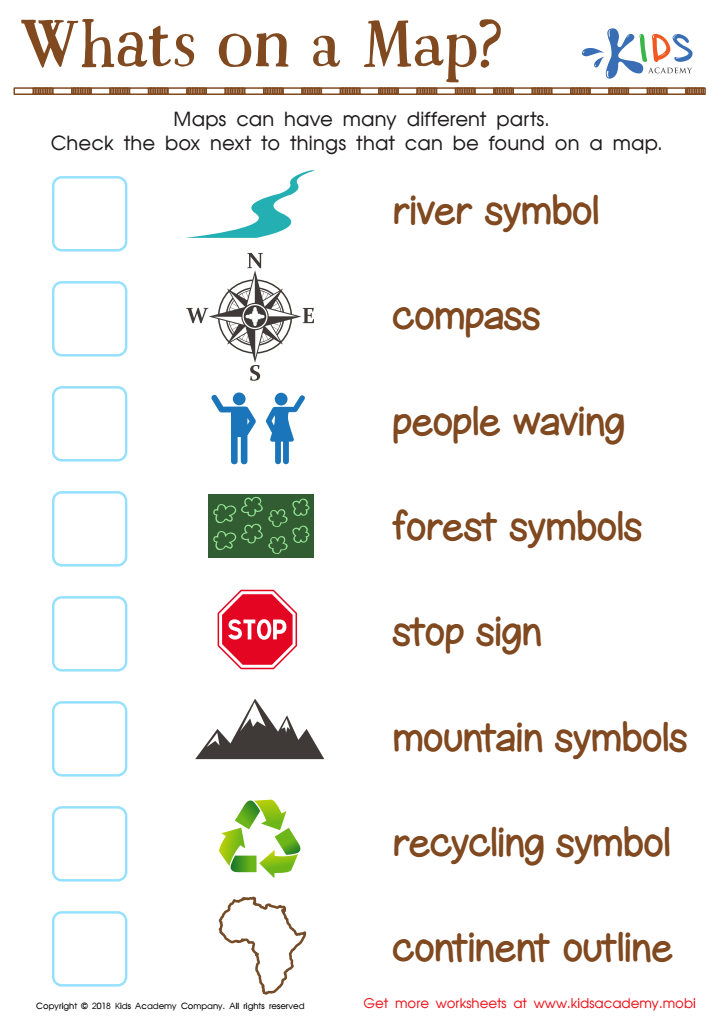
Whats on a Map? Worksheet
 Assign to My Students
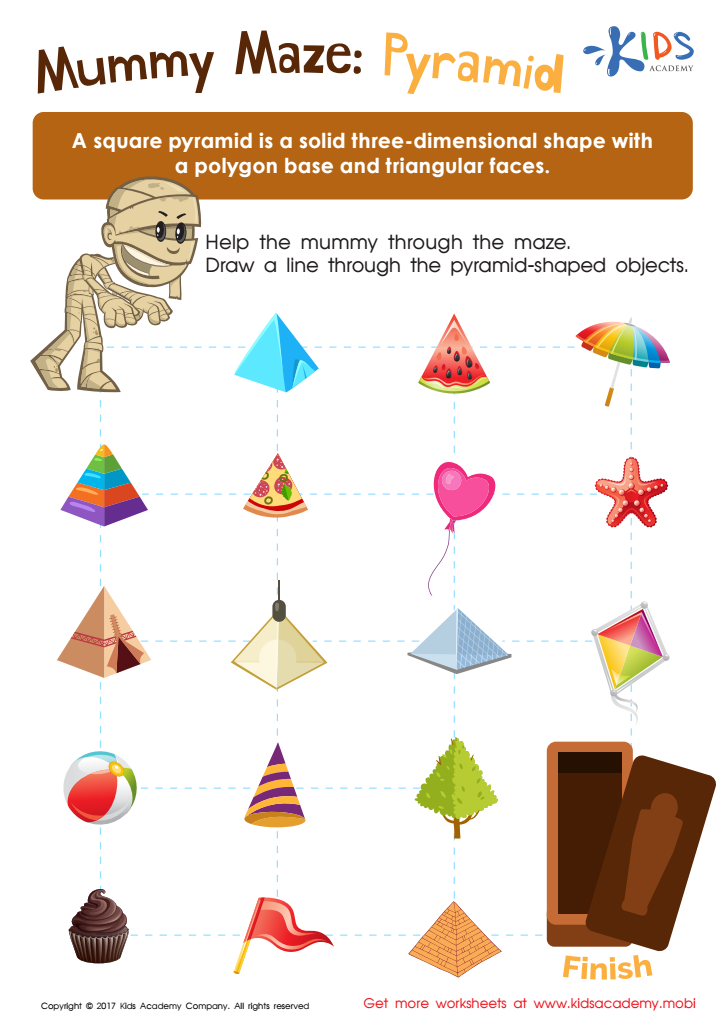
Mummy Maze: Pyramid Printable
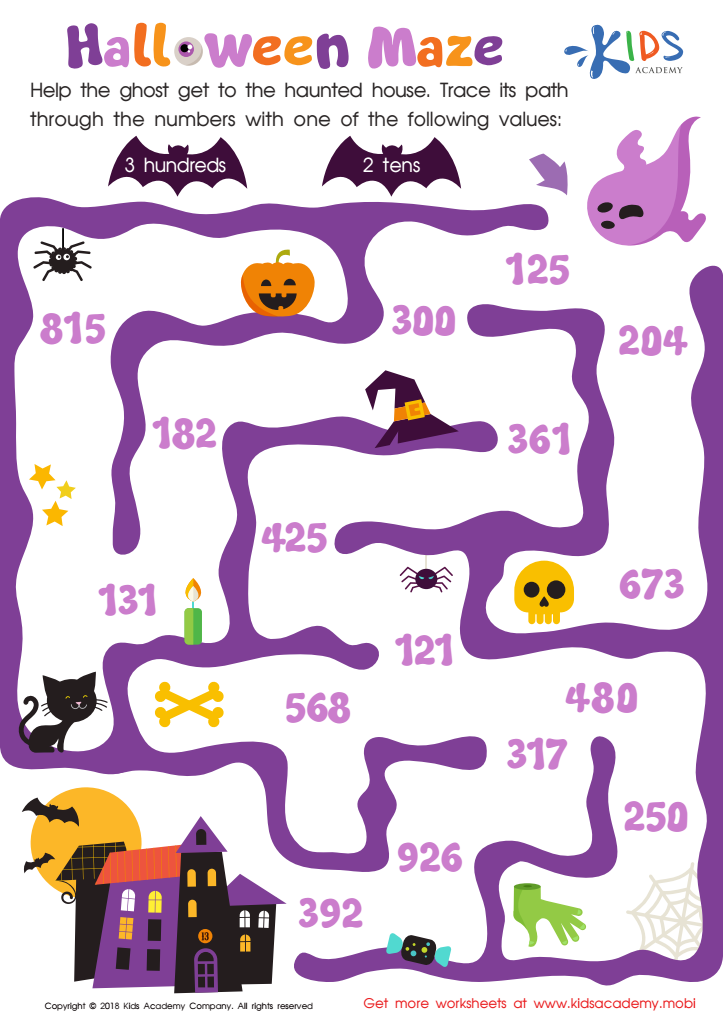
Place Value: Halloween Maze Worksheet
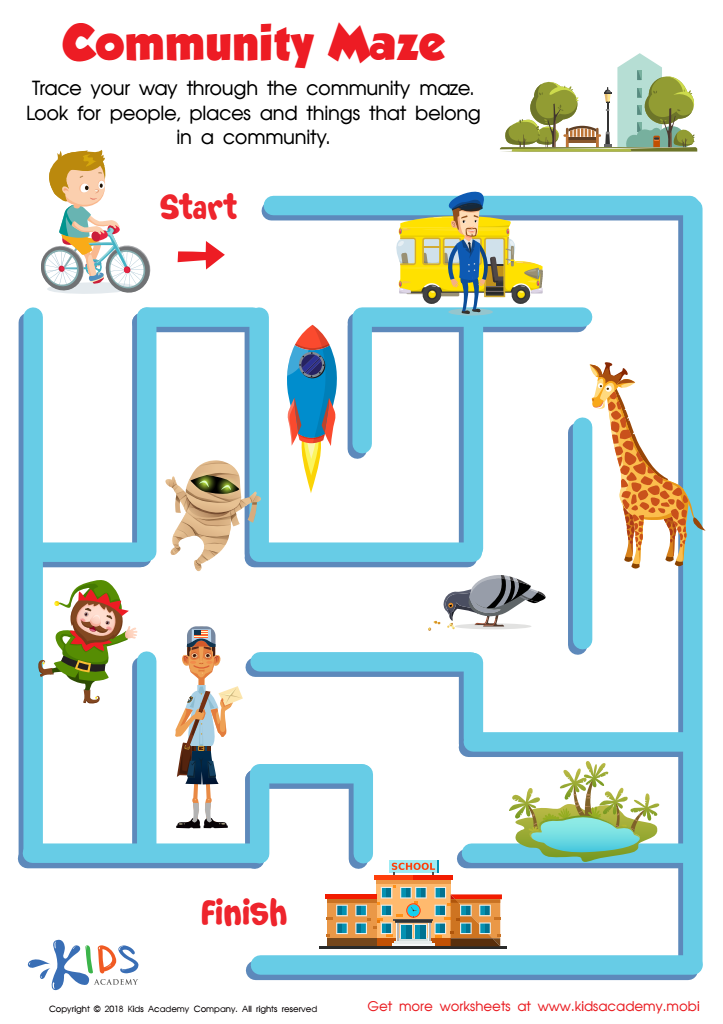
Community Maze Worksheet
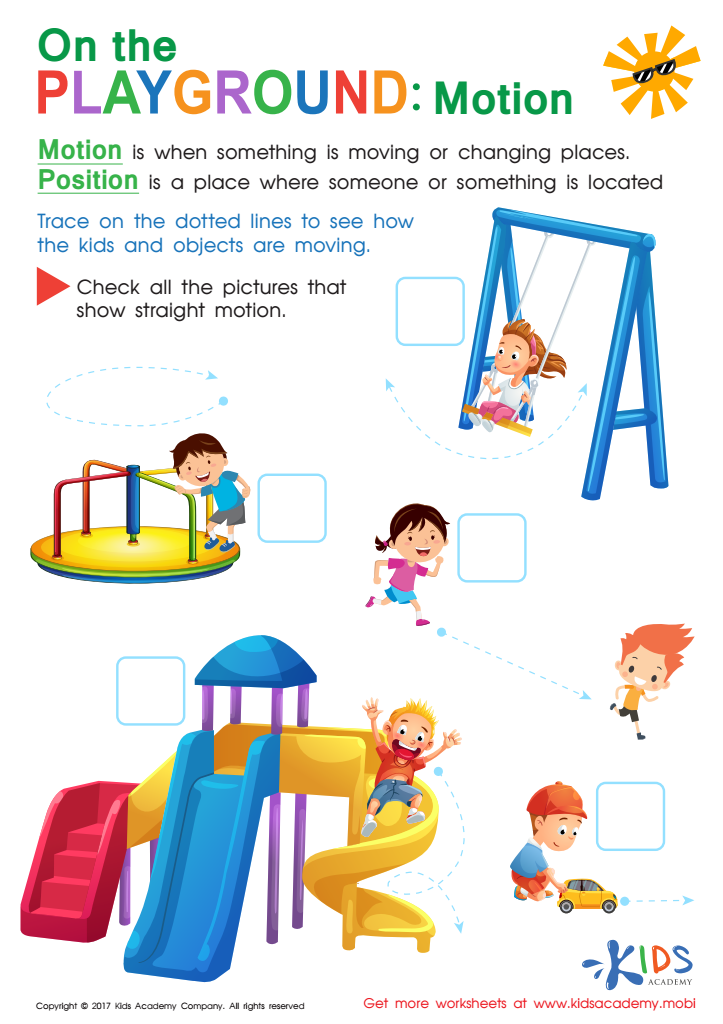
Position and Motion Worksheet
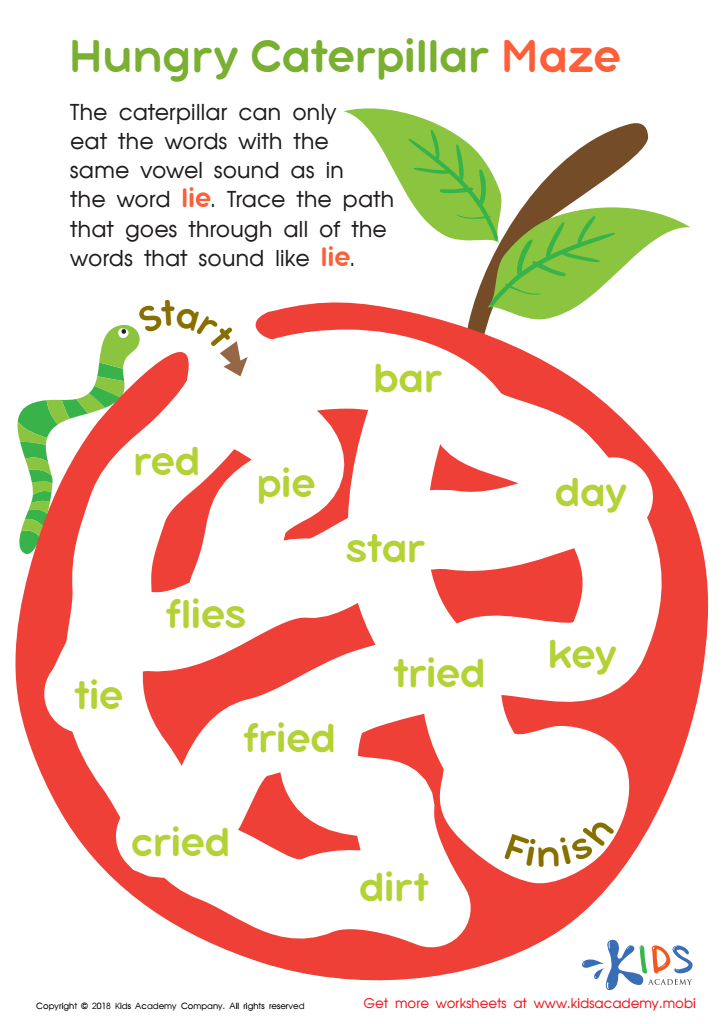
Hungry Caterpillar Maze Worksheet








Directional skills are crucial for children aged 5-8, as they form the foundation for various cognitive, social, and practical tasks essential for their development. First, these skills enhance spatial awareness, helping children understand where they fit in relation to objects and people around them. This understanding is vital for everyday activities such as navigating a classroom, playing games, or participating in sports.
Further, developing directional skills aids in language acquisition. Terms like “left,” “right,” “near,” and “far” become more meaningful as children learn to identify directions through movement and interaction. This vocabulary enriches their communication and comprehension abilities.
From a safety perspective, strong directional skills enable children to follow or give instructions critically, helping them navigate their environment safely. Moreover, these skills foster independence, empowering children to move confidently without constant adult guidance.
Towards academics, good directional skills support reading and writing abilities, as children learn to track lines of text and understand the structure of pages. Overall, when parents and teachers prioritize and nurture directional skills, they equip children with a toolkit for successful learning and social interaction, establishing a solid groundwork for lifelong skills.








