Improve problem-solving Worksheets for Ages 5-8
4 filtered results
-
From - To
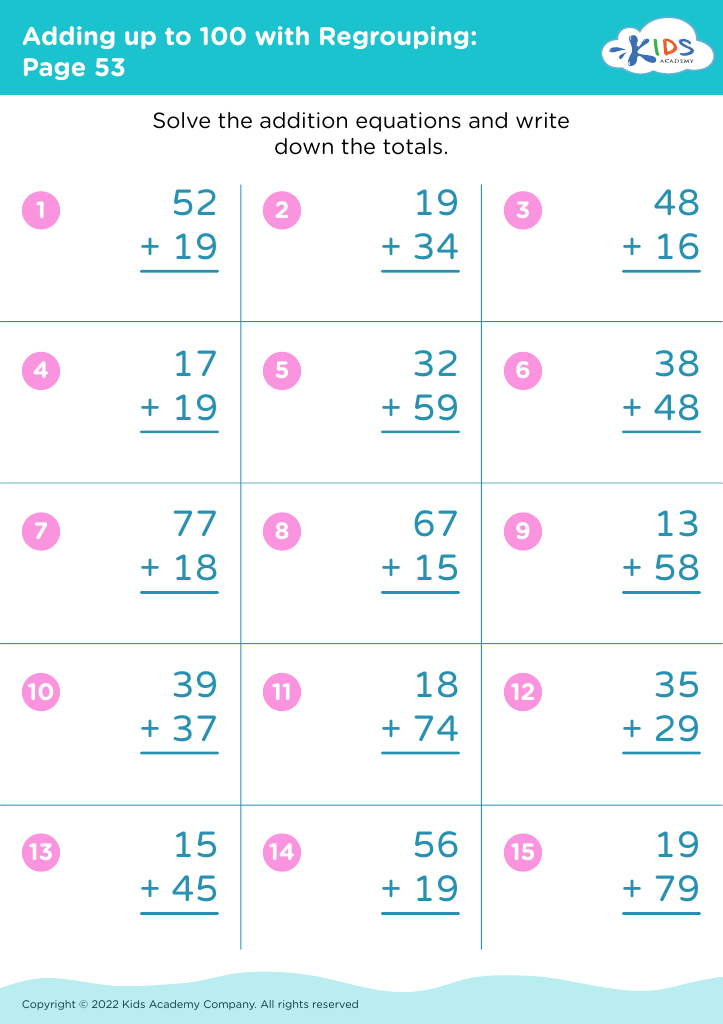
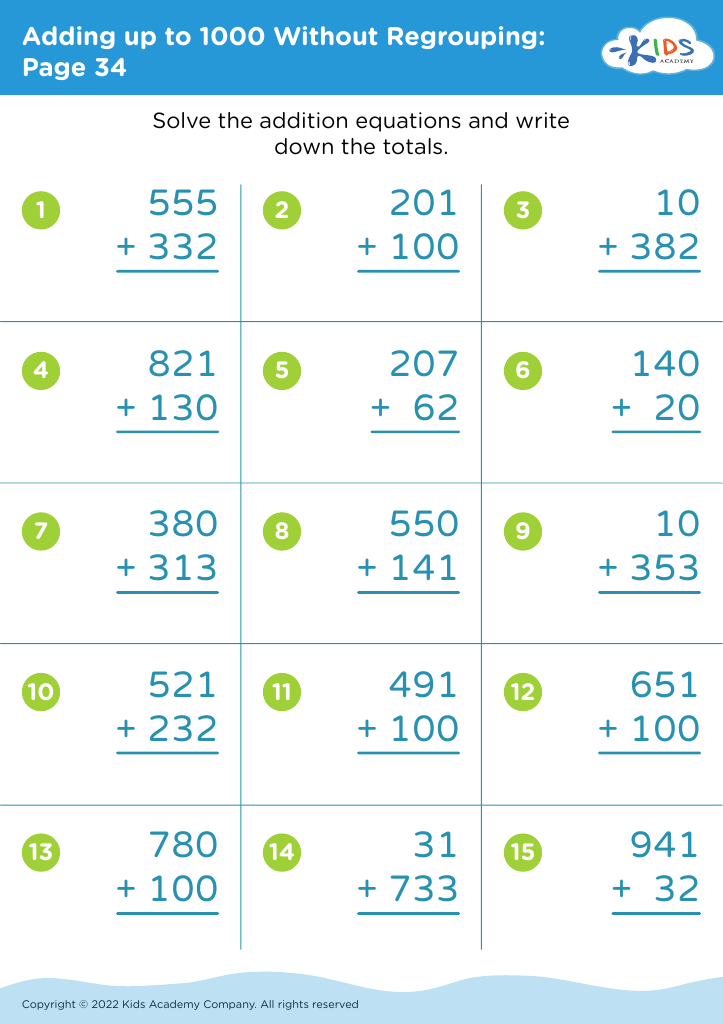
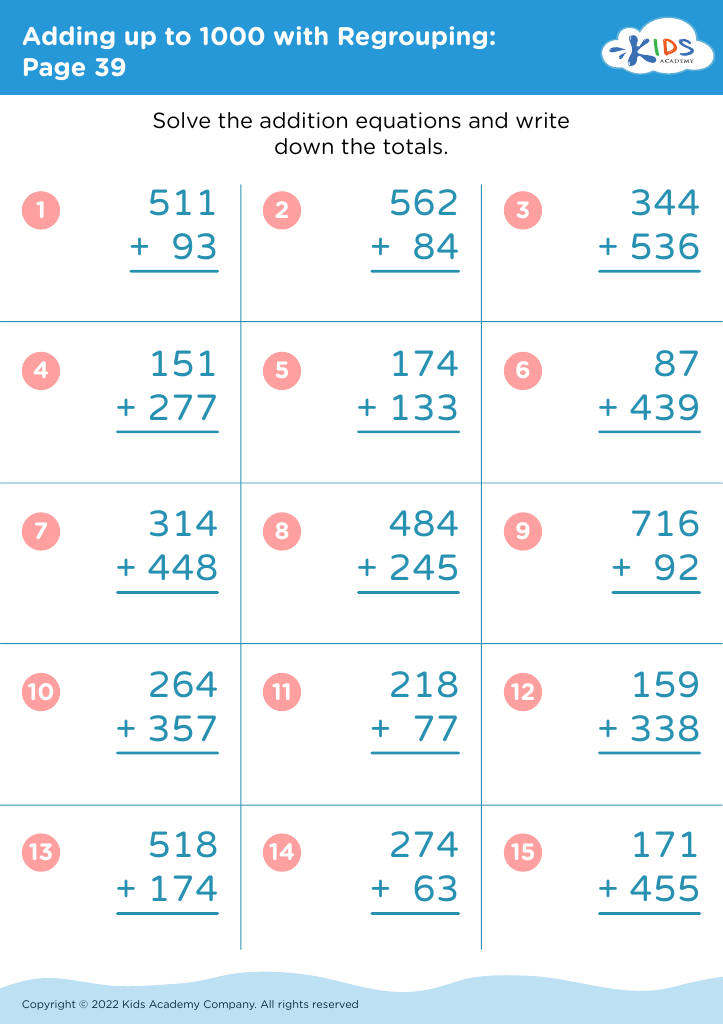
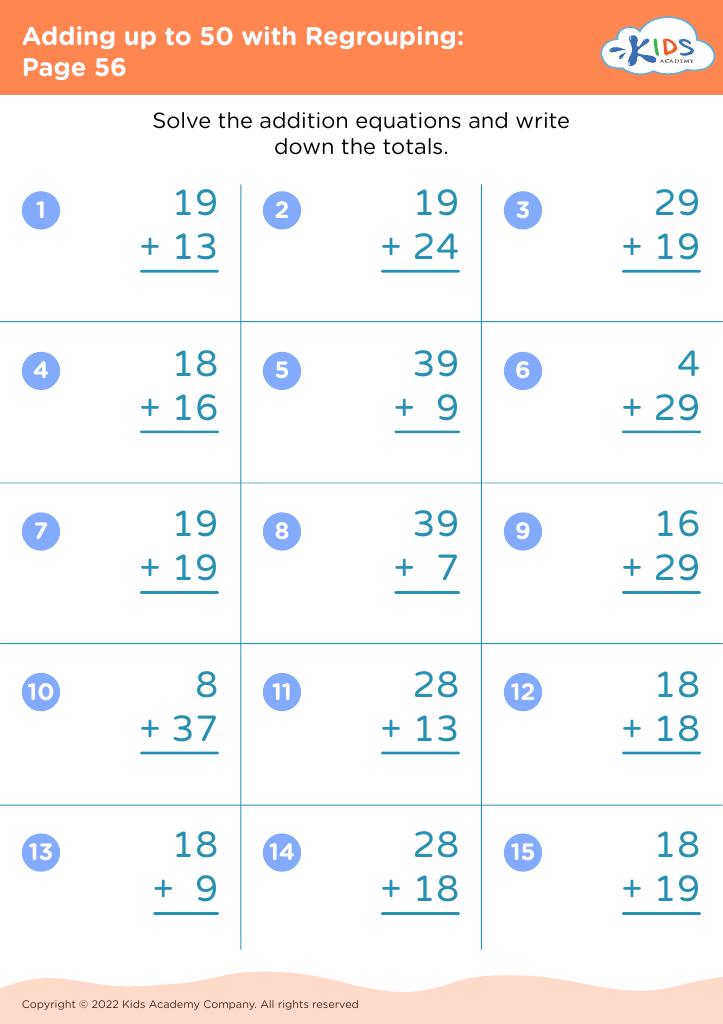
Boost your child’s critical thinking and analytical skills with our Improve Problem-Solving Worksheets, perfect for ages 5-8! These engaging and diverse worksheets are designed to enhance young learners' ability to solve problems through fun activities involving puzzles, logic challenges, and practical tasks. Each worksheet aims to stimulate cognitive development, encouraging kids to think creatively and find solutions independently. Ideal for both classroom and home use, these resources boost confidence and enrich learning experiences. Visit our website to access these effective tools and help your child build essential problem-solving skills for a bright future!







Parents and teachers should prioritize improving problem-solving skills in children aged 5-8 because these abilities are foundational for lifelong learning and everyday challenges. At this formative stage, young minds are highly adaptable and capable of absorbing new information and skills rapidly. By fostering problem-solving skills, you empower children to think critically, navigate difficulties, and effectuate decision-making from an early age.
Engaging in problem-solving activities boosts cognitive development by enhancing critical thinking, creativity, and logical reasoning. These activities engage multiple areas of the brain, thereby strengthening neural connections. Moreover, children with strong problem-solving abilities perform better academically across various subjects, as they can apply logical processes and strategies learned in one context to another.
Beyond academics, problem-solving skills also contribute to social-emotional development. Children learn to manage frustration, develop patience, and persist through challenges, which are important traits for building resilience. They learn to work cooperatively with peers during group problem-solving tasks, fostering teamwork and communication skills.
Importantly, fostering these skills from a young age sets the foundation for more complex problem-solving and innovation in later years. In a rapidly changing world that values adaptability and ingenuity, giving children the tools to approach problems confidently and effectively is an invaluable gift. Thus, focusing on these skills early supports not only individual success but contributes to their potential as skilled, adaptive members of society.








