Improve reading skills Worksheets for Ages 5-8 - Page 3
55 filtered results
-
From - To
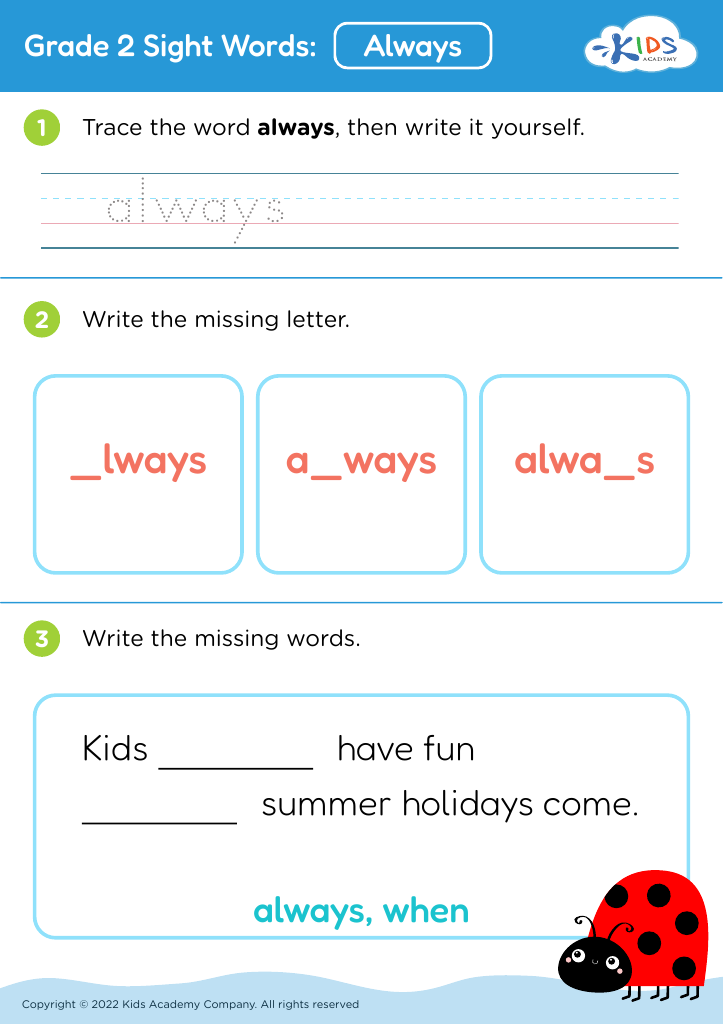
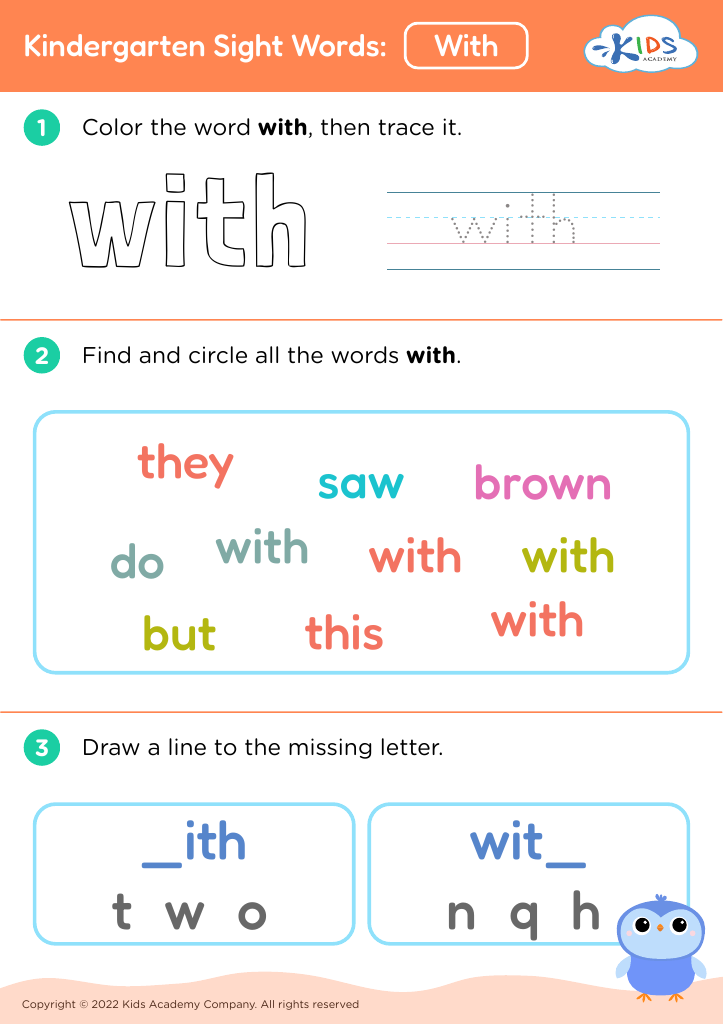
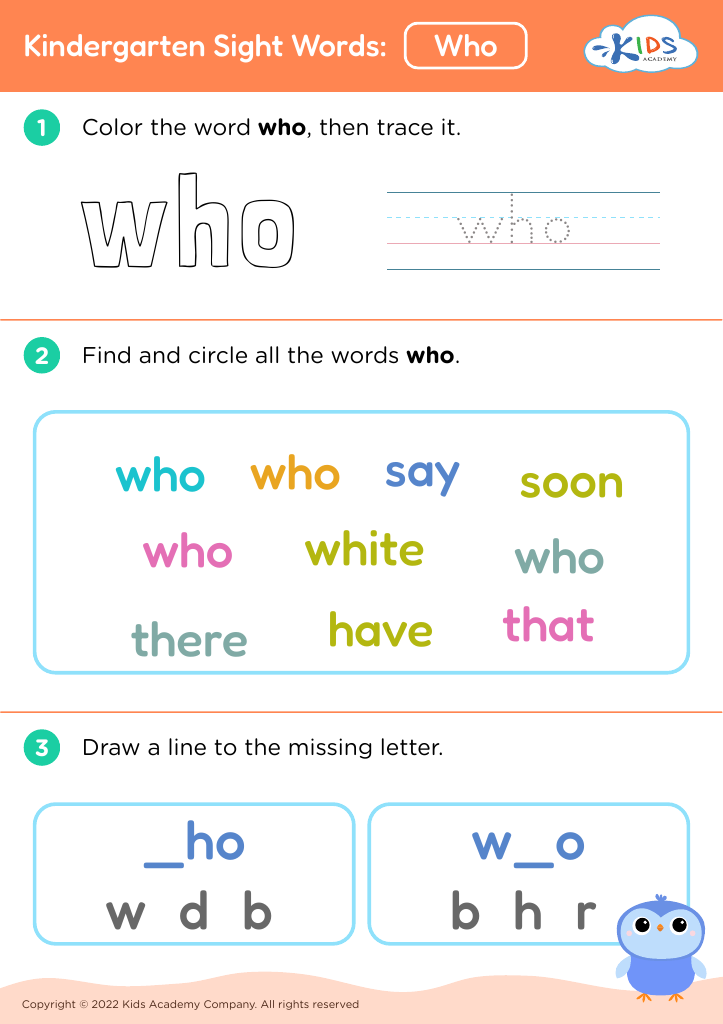
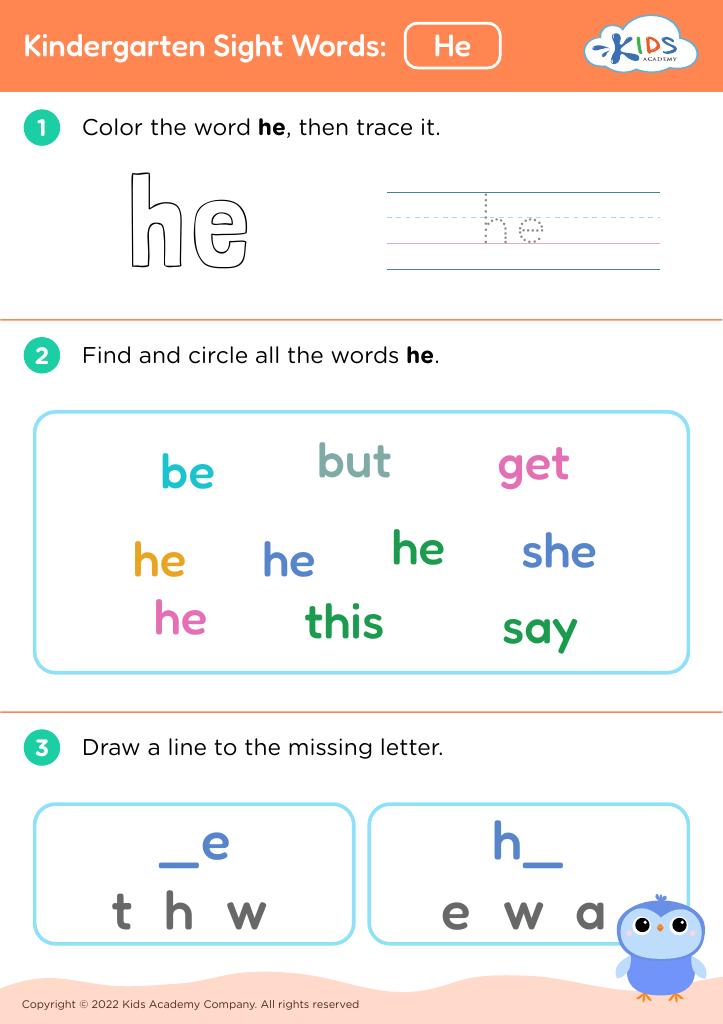








Improving reading skills for children aged 5-8 is crucial for their development and future success. At this age, children are rapidly acquiring communication skills, and reading serves as a foundation for their overall education. Strong reading abilities foster vocabulary development, comprehension, and critical thinking. When children can read well, they gain access to a world of knowledge, enhancing their understanding of various subjects and promoting curiosity.
Moreover, proficient reading skills boost children's confidence, encouraging them to participate more actively in discussions and classroom activities. This age is also pivotal for building a positive attitude toward learning; children who struggle with reading may feel detached or frustrated, which can hinder their academic growth and love for learning.
Parents and teachers play an essential role in supporting reading development. Engaging in shared reading experiences, introducing diverse literature, and providing access to reading materials tailored to children's interests can make a significant difference. Additionally, cultivating a rich literacy environment at home and in the classroom reinforces the importance of reading as a lifelong skill. By prioritizing reading skills during these formative years, parents and teachers can help set the foundation for a child's educational journey and future opportunities.








