Learn addition Worksheets for Ages 5-8
4 filtered results
-
From - To
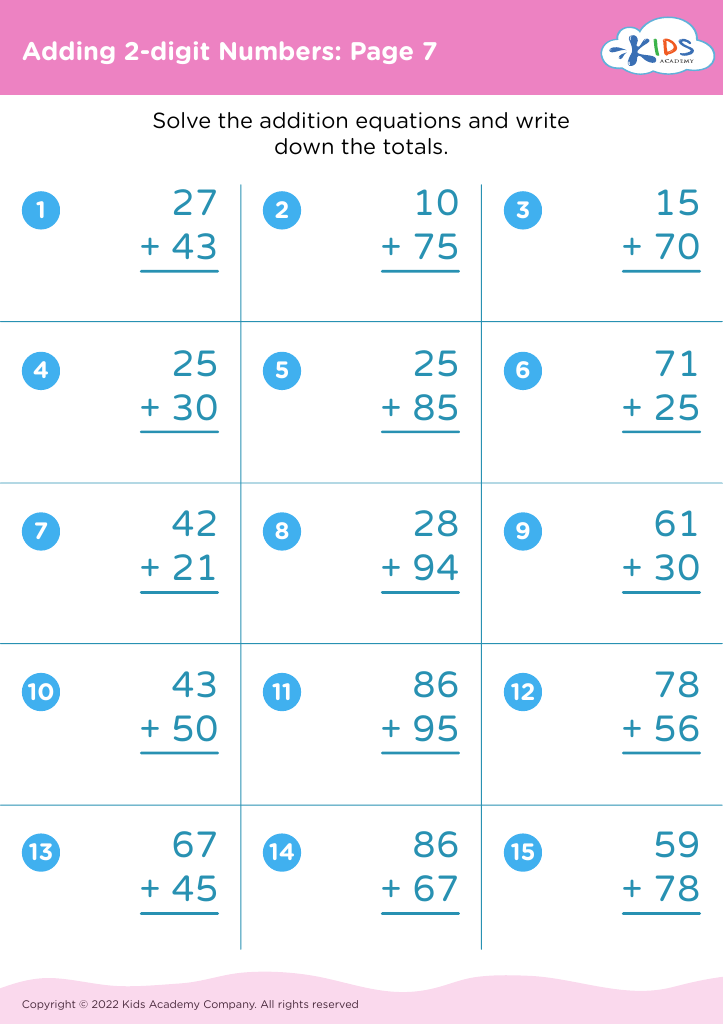
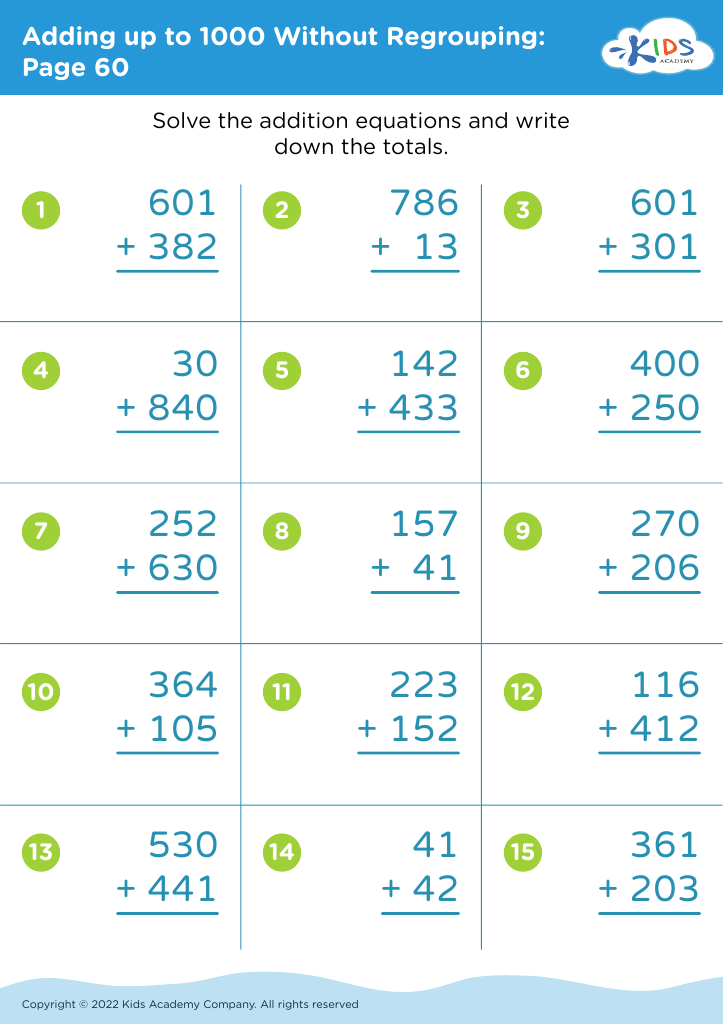
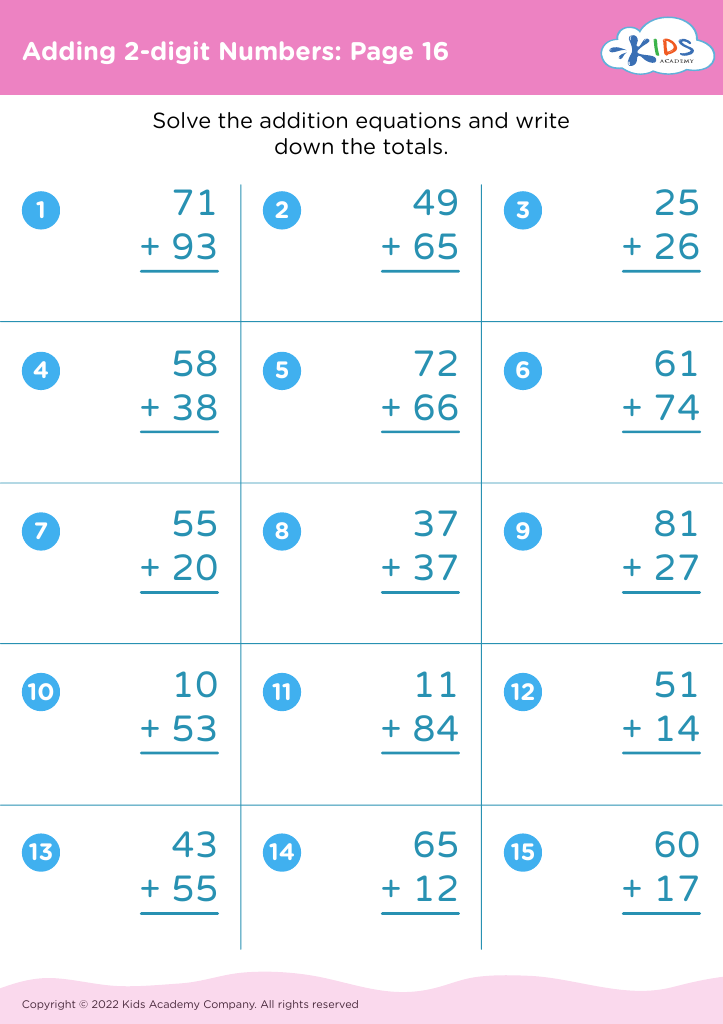
Discover engaging addition worksheets designed specifically for children ages 5-8! Our collection offers a variety of interactive and age-appropriate exercises that make learning addition fun and effective. Each worksheet enhances essential math skills through colorful visuals, playful themes, and step-by-step guidance. Your child can practice basic addition concepts, from single-digit sums to simple word problems, ensuring a solid foundation in math. Perfect for home learning or classroom activities, our addition worksheets are crafted to boost confidence and proficiency while keeping young learners entertained. Explore our resources today and watch your child's math skills flourish!




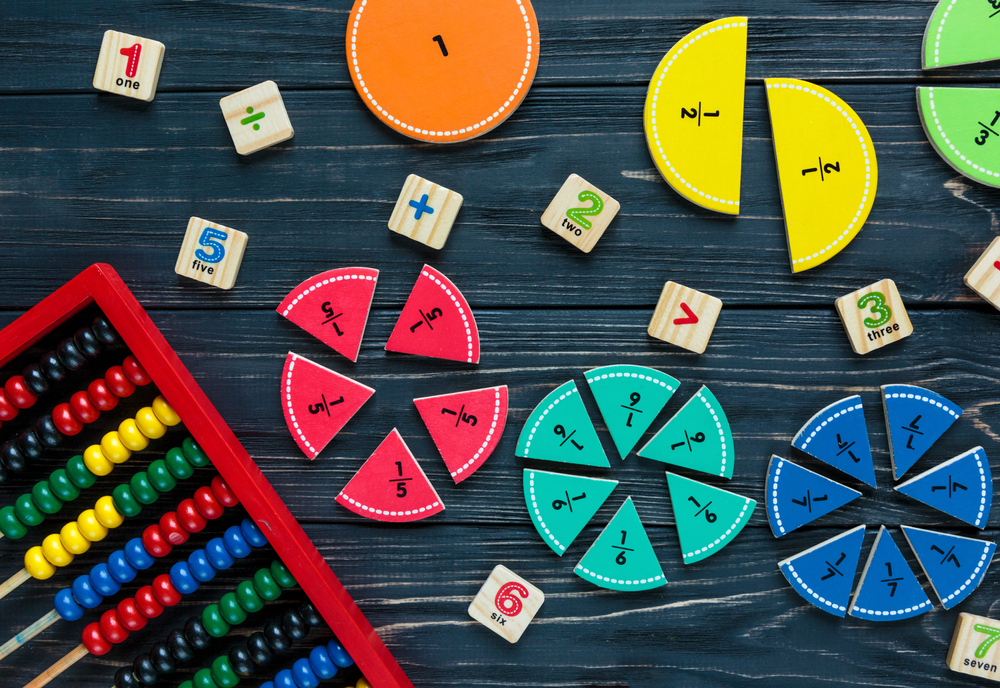



Learning addition for children ages 5-8 is crucial for several reasons, with lasting benefits for their academic and personal development. This foundational skill forms the basis for all future math understanding and problem-solving capabilities. Mastery of addition helps instill confidence in children, fostering a positive attitude toward mathematics, which is essential as they progress in school.
Moreover, addition plays a key role in developing critical thinking skills. It encourages logical reasoning as children learn to combine numbers, understand quantities, and grasp relationships. Engaging with addition early on prepares them for more complex mathematical concepts such as subtraction, multiplication, and even division, building a robust mathematical framework.
Additionally, by learning addition through interactive and enjoyable methods, parents and teachers can nurture a child's ability to think creatively and independently. Incorporating games, visual aids, and everyday scenarios makes learning fun, making it more likely that children will develop a genuine interest in math.
Ultimately, emphasizing the importance of addition not only leads to academic success but also equips children with essential life skills. This enables them to make informed decisions, solve problems, and navigate daily activities, forming a well-rounded foundation for their education and future pursuits.








