Logical thinking improvement Worksheets for Ages 5-8
5 filtered results
-
From - To
Enhance your child's logical thinking skills with our engaging worksheets designed specifically for ages 5-8! Our collection offers a variety of fun and interactive activities that promote critical reasoning and problem-solving abilities. Each worksheet is crafted to challenge young minds, helping them to identify patterns, sequences, and relationships through captivating exercises. These resources are perfect for both classroom use and at-home learning, fostering independent thinking while keeping your child entertained. Support your child's cognitive development and watch them learn to think logically with our expertly designed worksheets. Check them out now and boost their logical skills today!
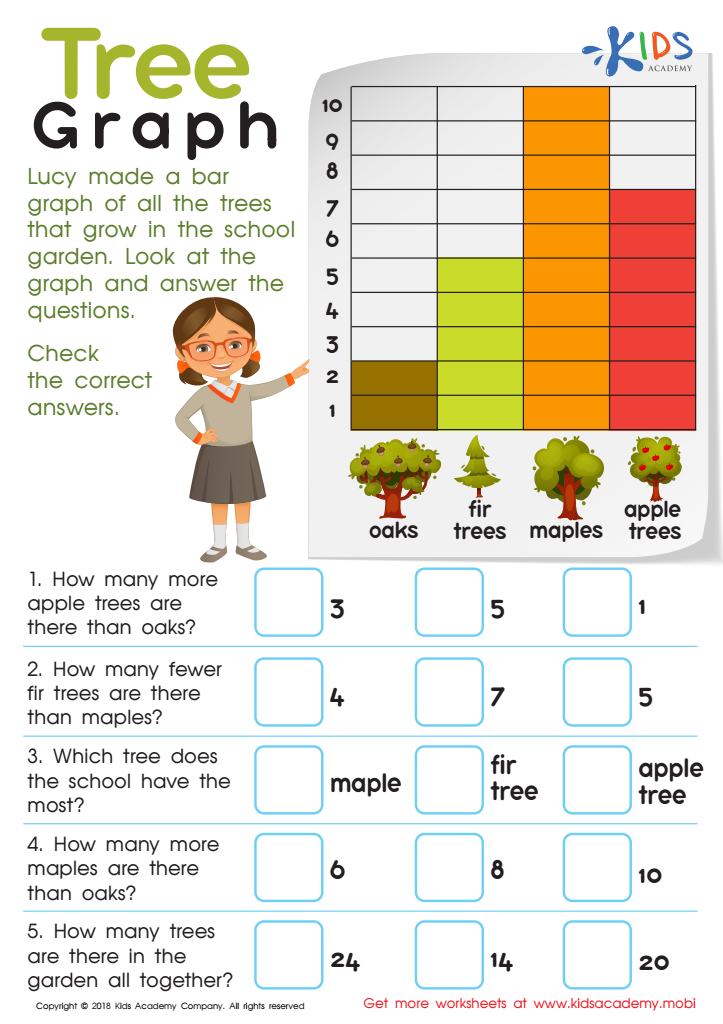
Tree Graph Worksheet
 Assign to My Students
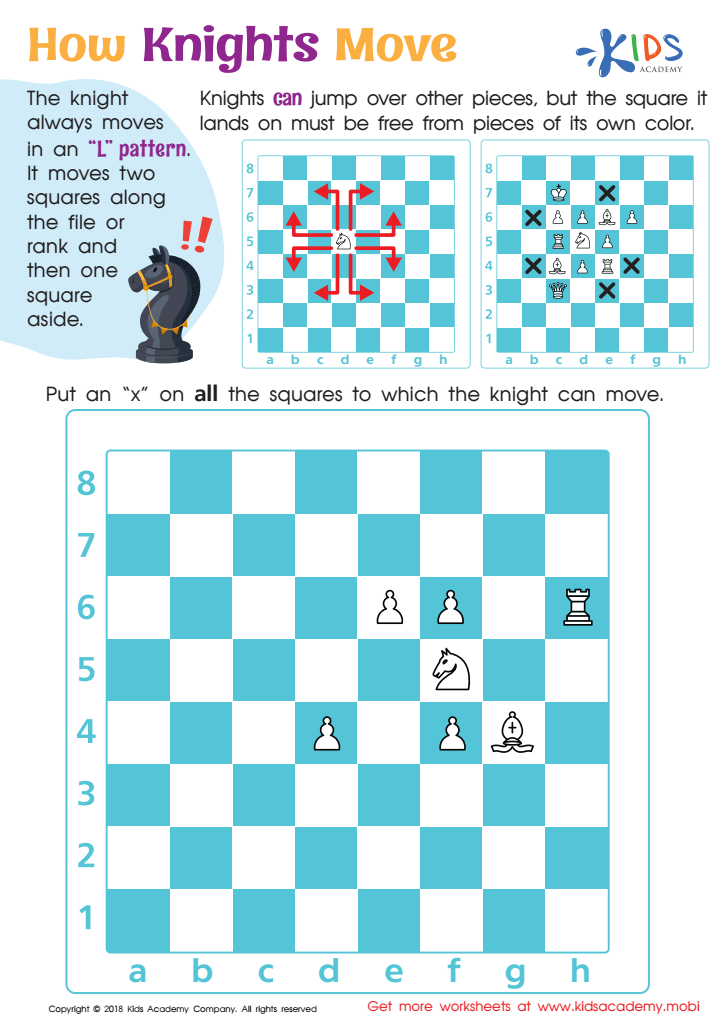
How Knights Move Worksheet
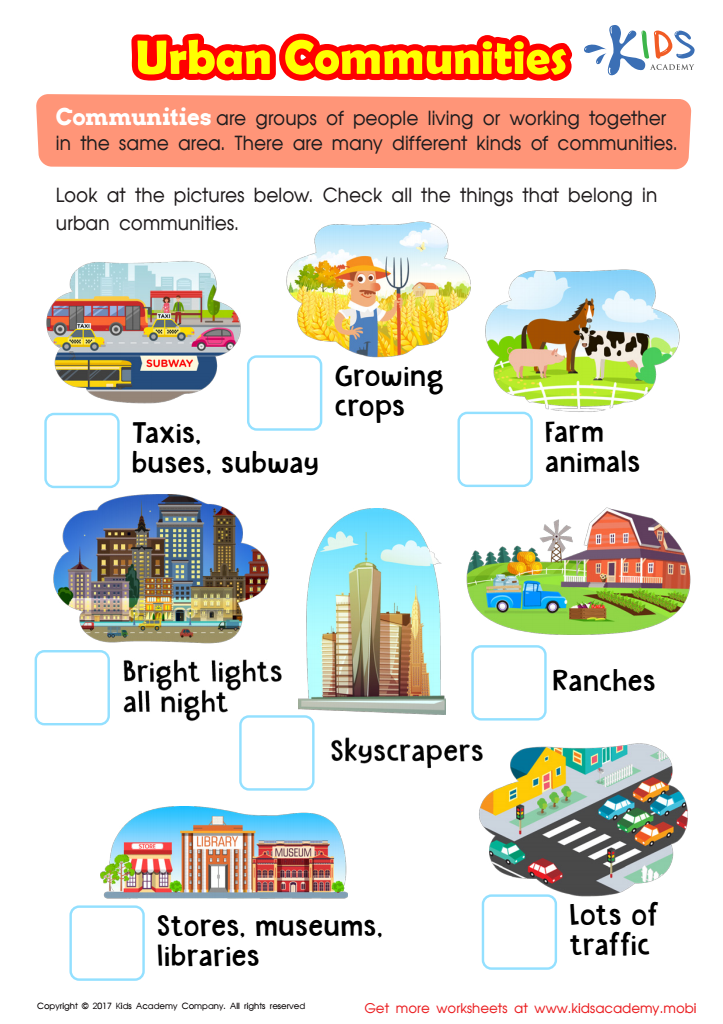
Urban Communities Printable
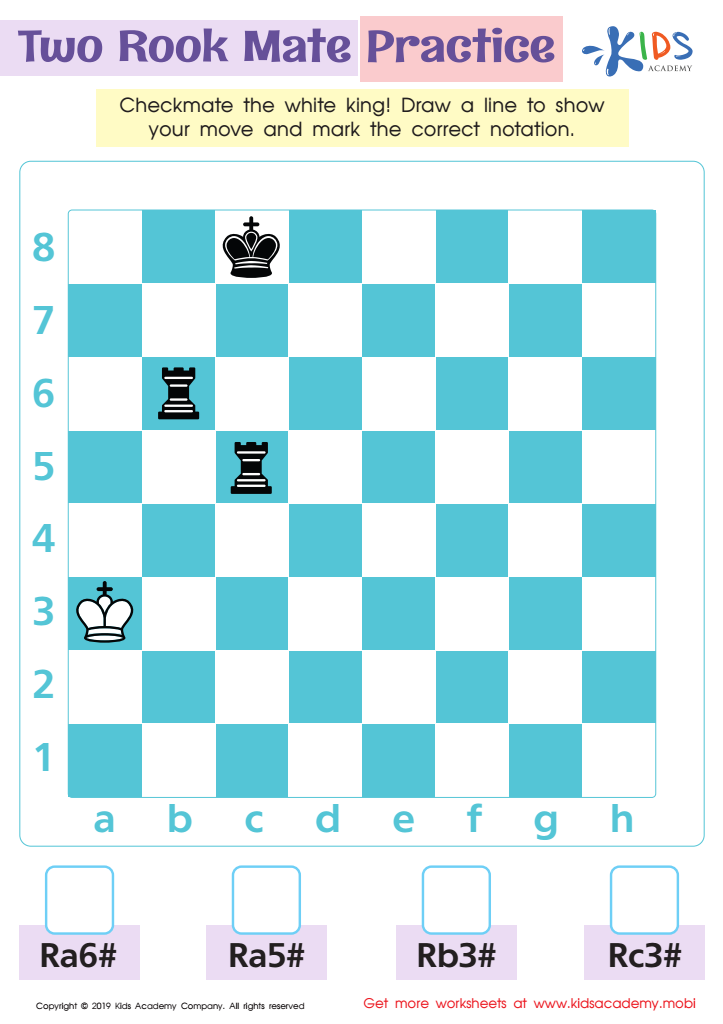
Two Rook Mate Practice Worksheet
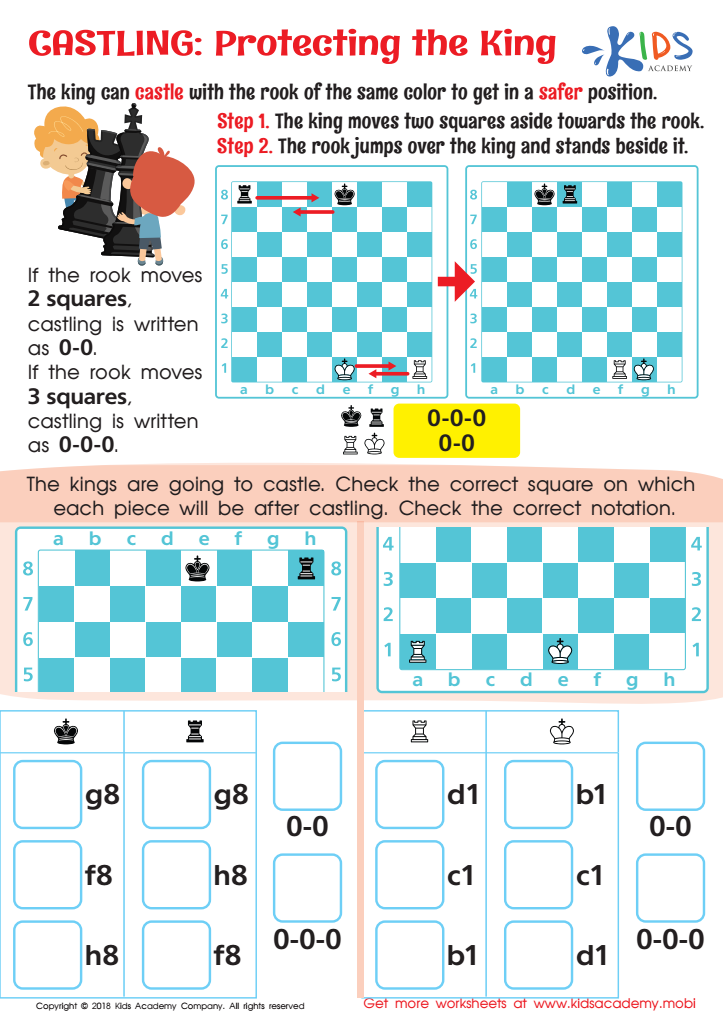
Castling: Protecting the King Worksheet





%20(1).jpg)


Parents and teachers should prioritize improving logical thinking skills in children aged 5 to 8 because these foundational skills are critical for academic success and lifelong learning. At this age, children are developing critical cognitive abilities, and logical thinking lays the groundwork for problem-solving, reasoning, and decision-making. Engaging in activities that enhance logical thinking fosters curiosity and encourages kids to ask questions, develop hypotheses, and seek out explanations—all essential elements of a scientific mindset.
Furthermore, logical thinking hones a child’s capacity to analyze information, recognize patterns, and make connections between concepts. These skills are valuable across various subjects, including mathematics, science, and literacy, enhancing their overall academic performance. Additionally, strong logical thinking aids in social interactions by enabling children to comprehend the perspectives of others, enhancing empathy and communication.
Encouraging logical thinking also nurtures resilience, as children learn to tackle challenges and find solutions through trial and error. This fosters a growth mindset, helping them approach difficulties with confidence. By promoting logical thinking during these formative years, adults equip children with the tools necessary to navigate complexities in academics and their everyday lives, setting the stage for a more successful and adaptive future.








