Number writing Worksheets for Ages 5-8
6 filtered results
-
From - To
Our Number Writing Worksheets for Ages 5-8 are designed to make learning fun and engaging for young learners. These versatile worksheets help children develop essential math skills by practicing number formation, counting, and basic arithmetic in an interactive way. Tailored to enhance fine motor skills and boost confidence, our worksheets feature colorful illustrations and fun activities that will captivate your child's interest. Whether at home or in the classroom, these resources provide a solid foundation in number writing and are perfect for reinforcing what they’ve learned. Download our worksheets today and watch your child excel in their number writing skills!
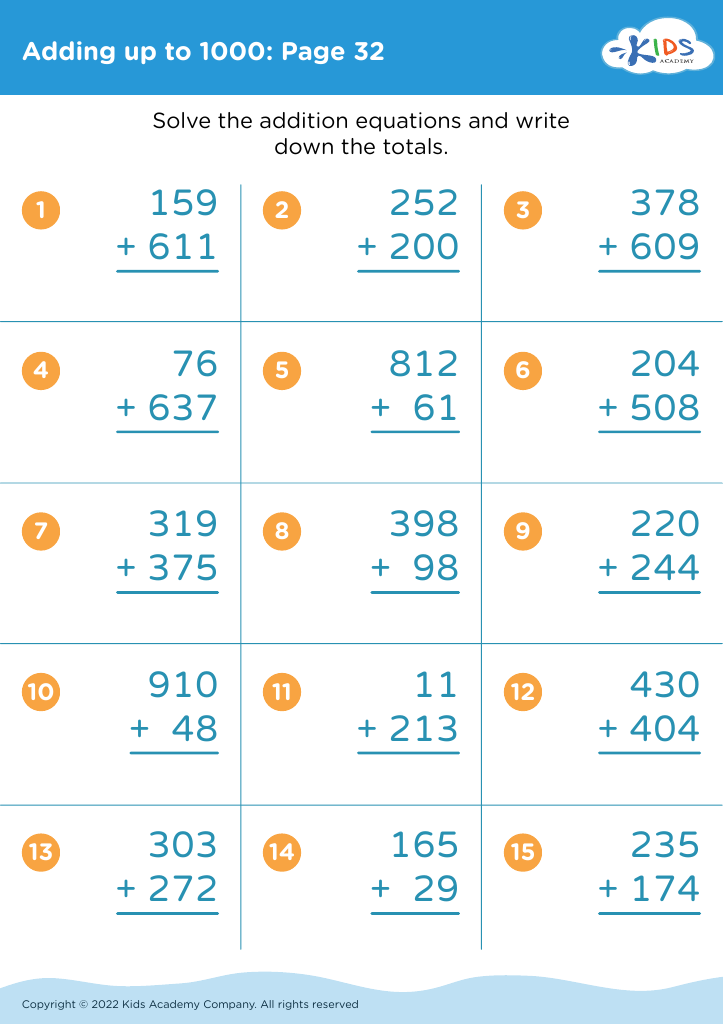
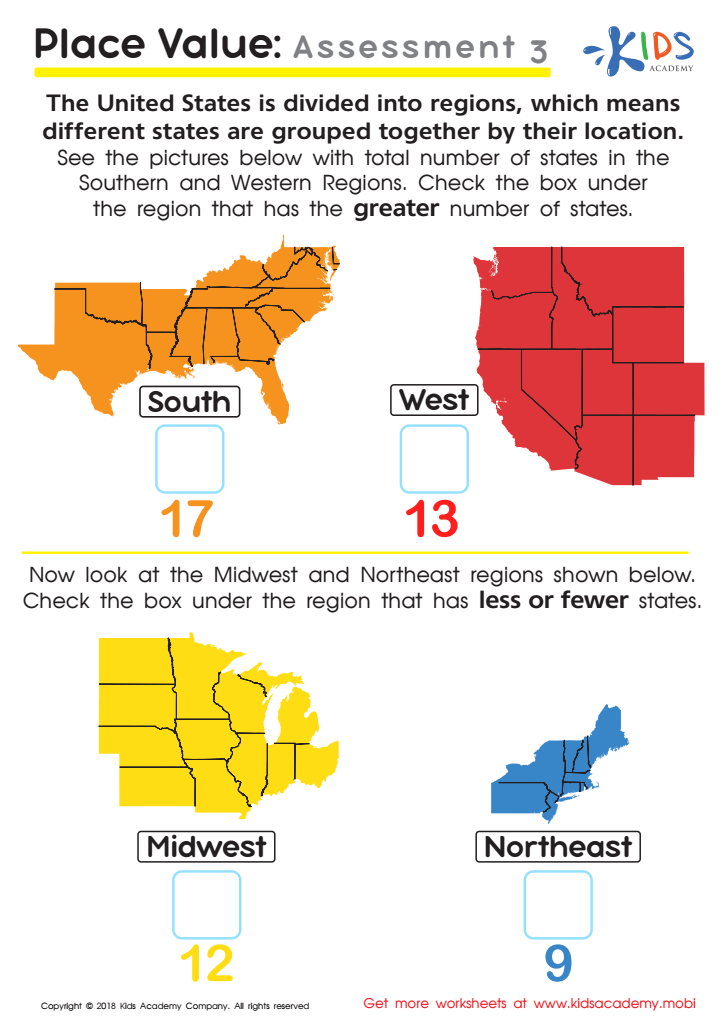
Place Value: Assessment 3 Worksheet
 Assign to My Students
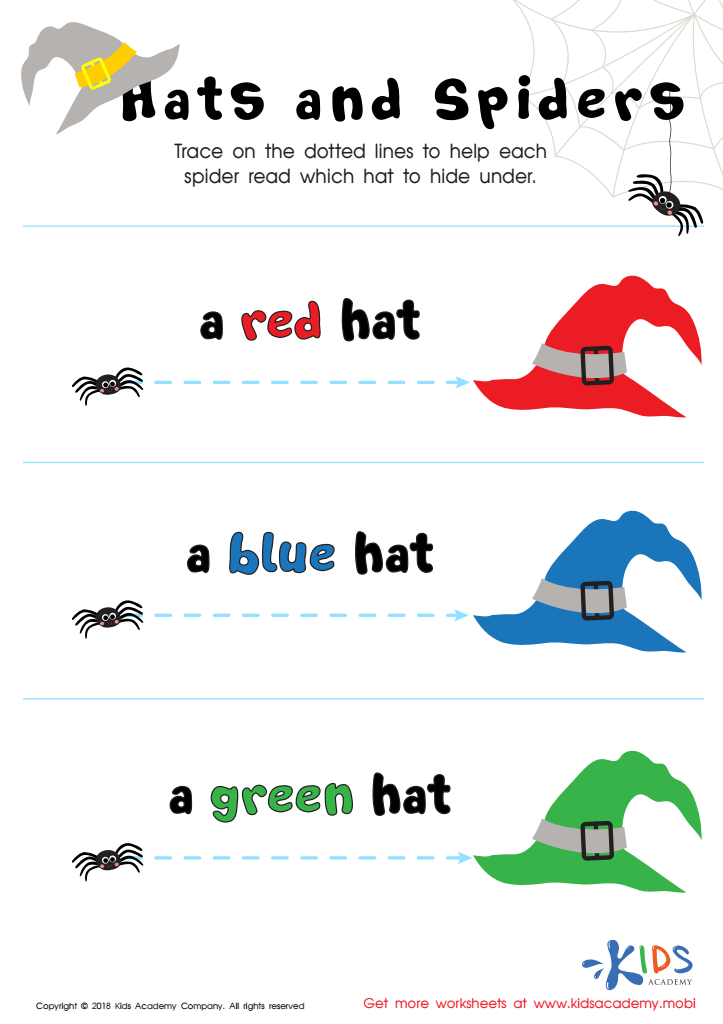
Read from Left to Right: Hats and Spiders Worksheet
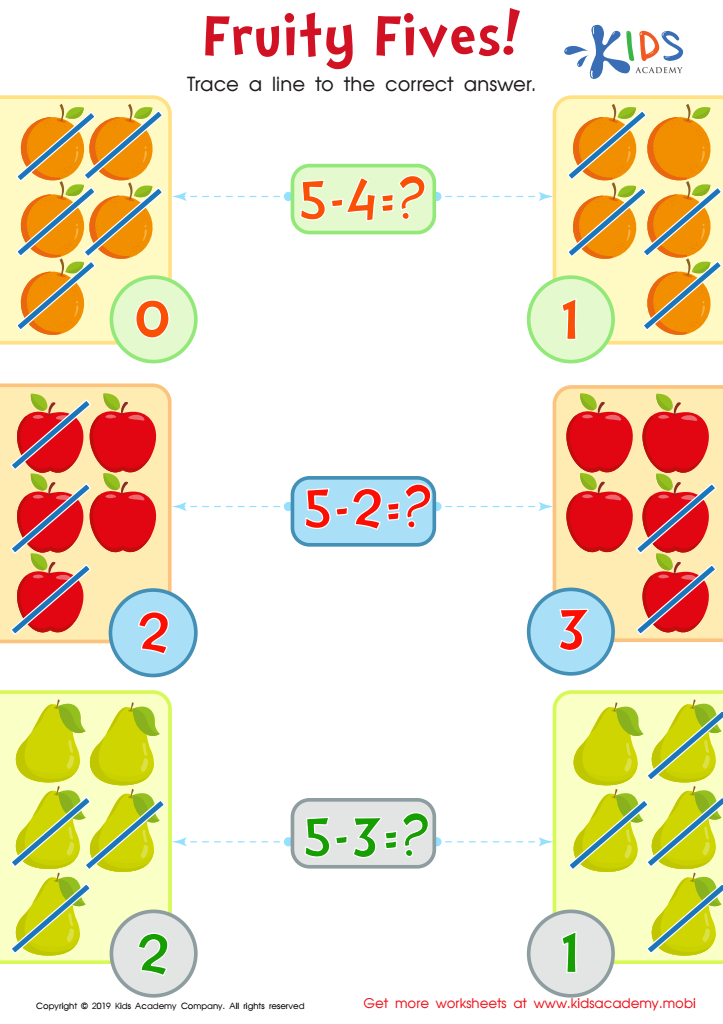
Fruity Fives! Worksheet
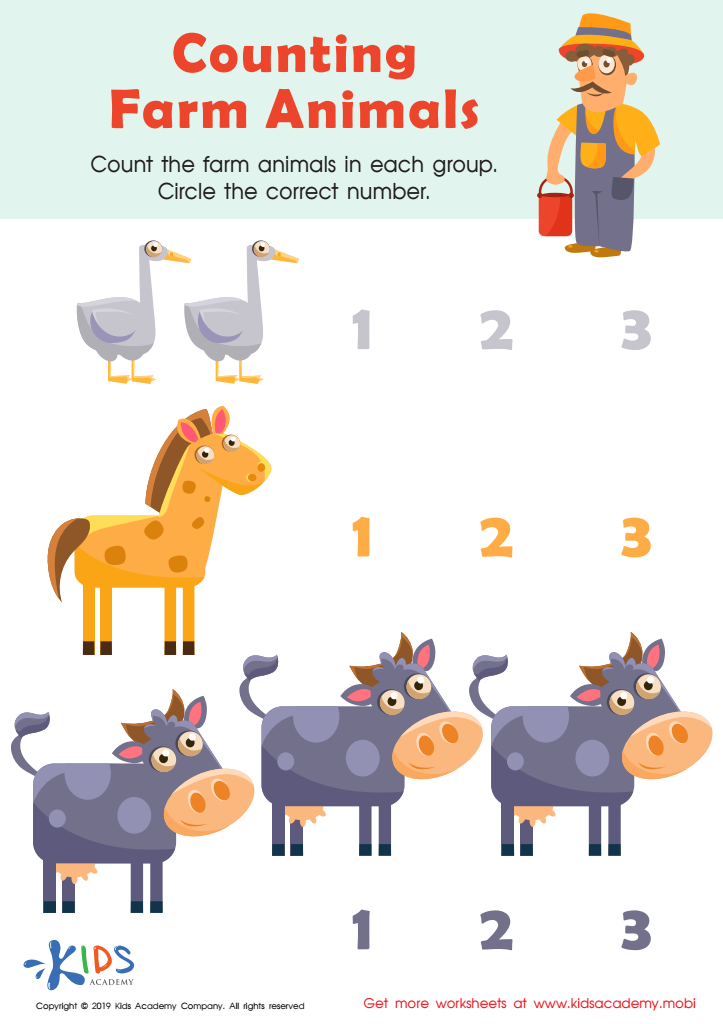
Counting Farm Animals Worksheet
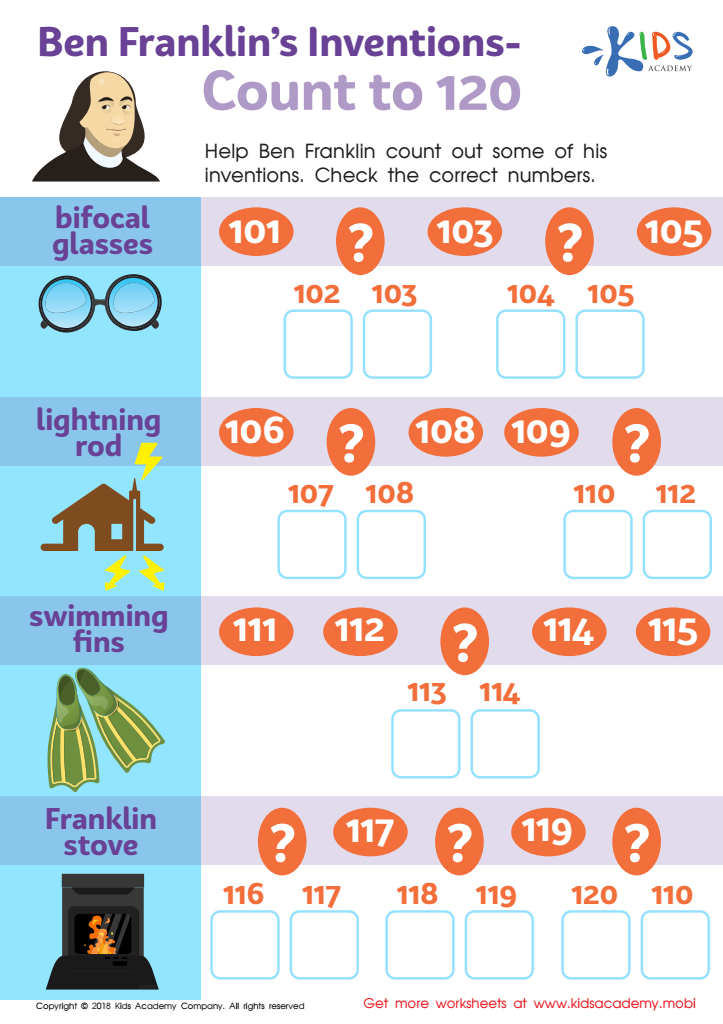
Ben Franklin’s Inventions – Count to 120 Worksheet








Number writing is a fundamental skill for children aged 5-8, and it plays a crucial role in their overall development. First, writing numbers helps children develop their fine motor skills, as it requires the coordination of small muscles in their hands and fingers. Mastering this skill lays the groundwork for other writing tasks and promotes better dexterity.
Moreover, when children engage in number writing, they are actively practicing number recognition and understanding their value. This foundational knowledge is vital for later math concepts, such as addition, subtraction, and more complex operations. Furthermore, number writing encourages cognitive development by helping children learn sequencing and structure, which are essential for problem-solving tasks.
Parents and teachers should also recognize the emotional aspect of number writing. As children gain confidence in their ability to write numbers correctly, they are more likely to develop a positive attitude toward math and learning in general. This can lead to a lifelong appreciation for mathematics and strengthen their overall academic resilience.
In summary, supporting number writing from ages 5-8 enriches fine motor skills, boosts math proficiency, and fosters positive learning experiences. Engaging children in this area is essential for their cognitive and emotional growth, ultimately setting the stage for future academic success.








