Understand patterns Worksheets for Ages 5-8
7 filtered results
-
From - To
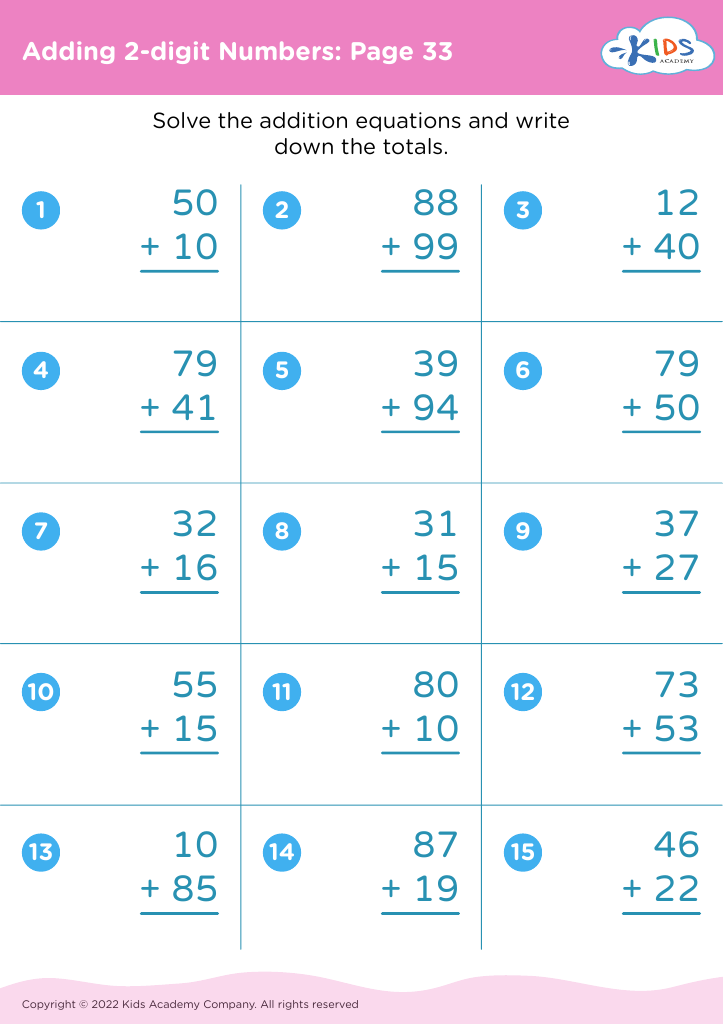
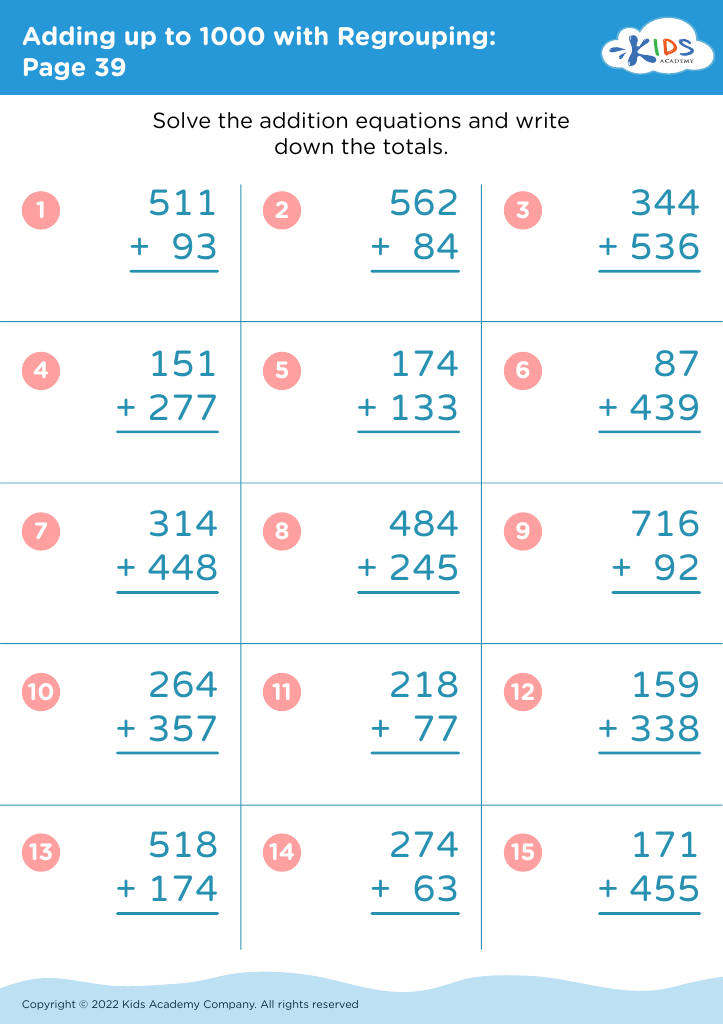
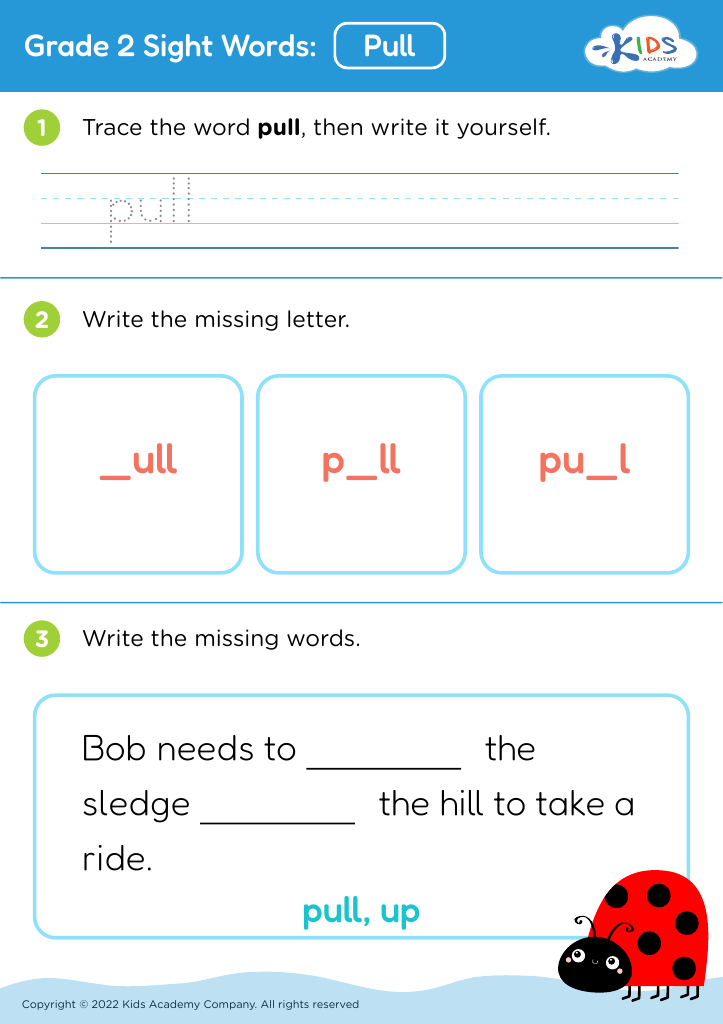
Discover our engaging "Understand Patterns Worksheets" designed specifically for children aged 5-8! These worksheets offer a fun and interactive way to help young learners grasp the concept of patterns in various forms, including colors, shapes, and numbers. Ideal for classroom or home use, our resources enhance critical thinking and cognitive skills while promoting creativity. Each worksheet is visually appealing and tailored to keep children motivated and focused. Encourage your child’s mathematical understanding and observational skills through exciting pattern recognition activities! Visit our site for printable worksheets that provide essential practice in a playful, enjoyable format suitable for early learners.
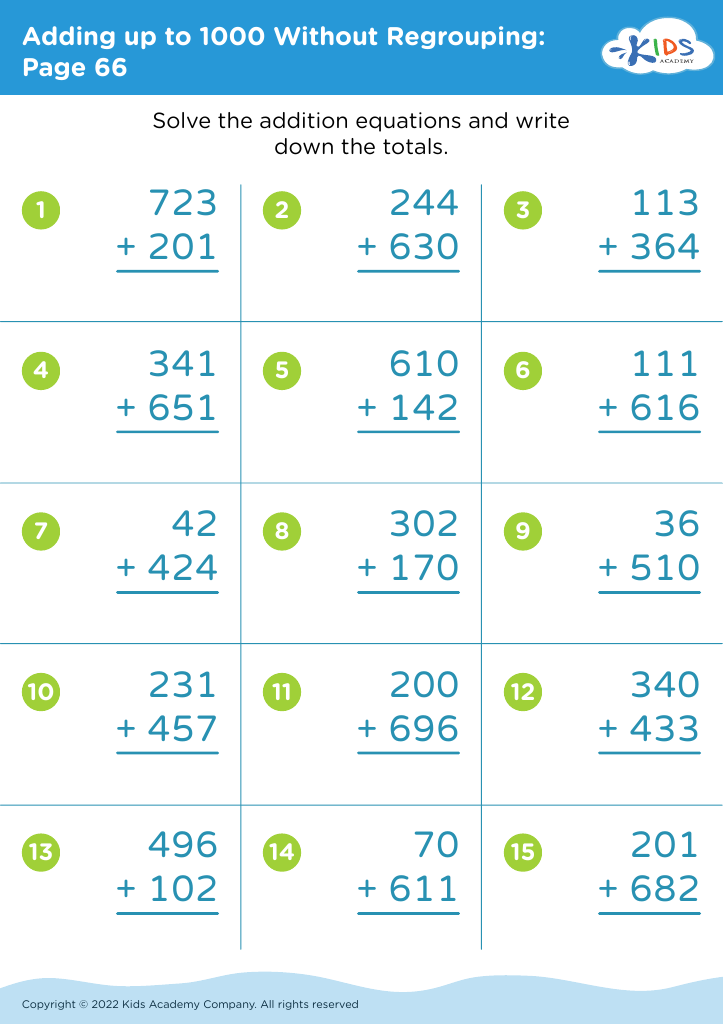
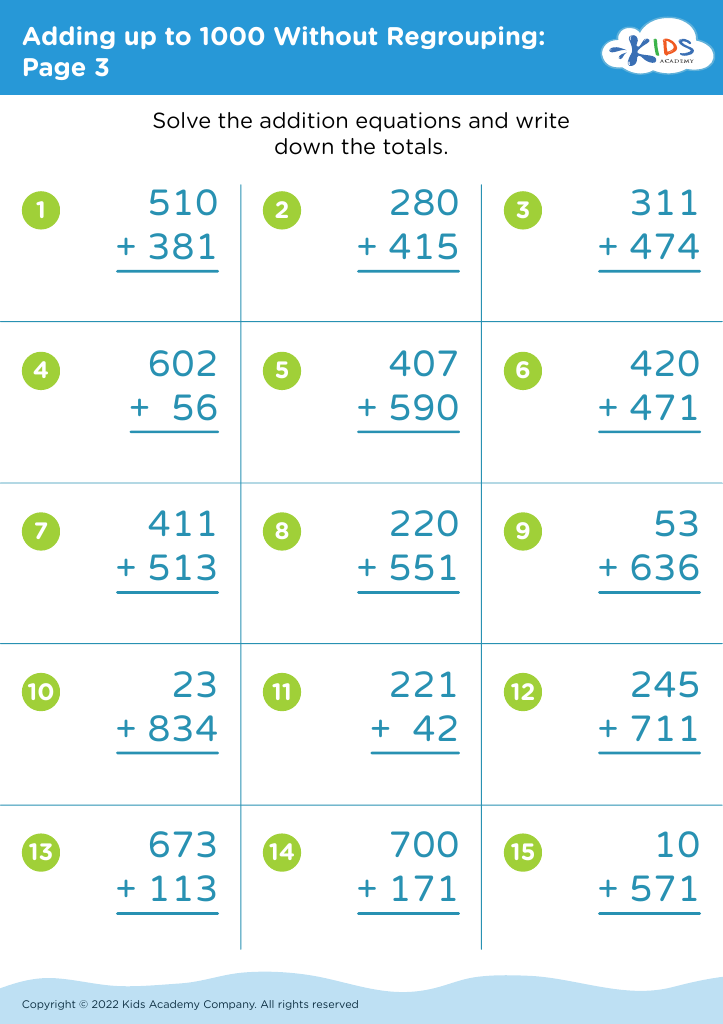
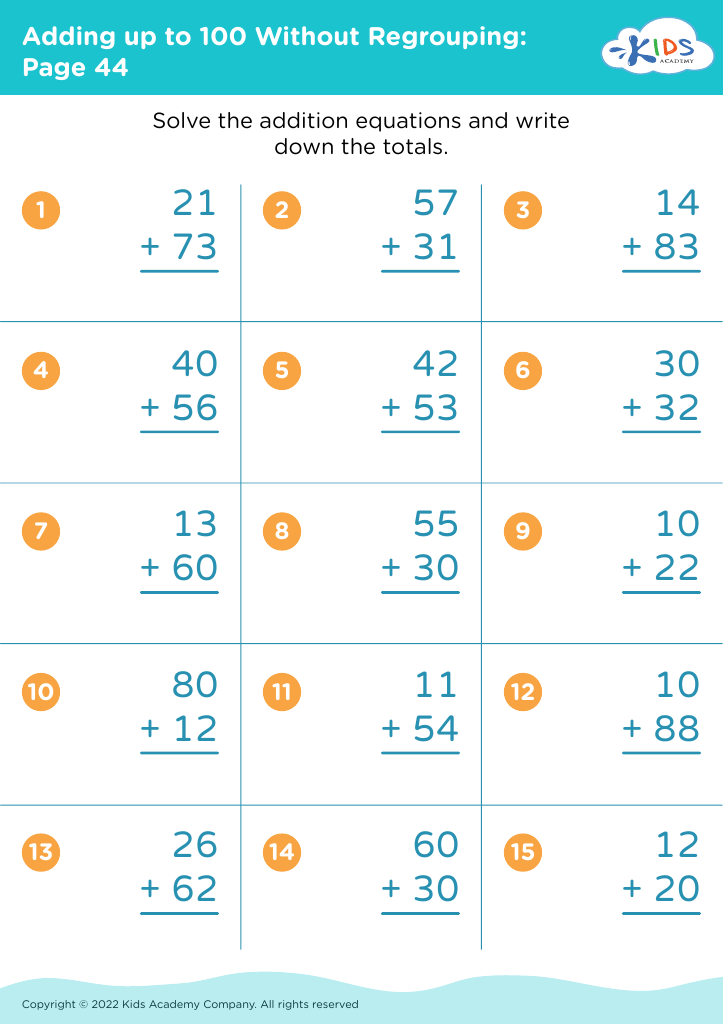
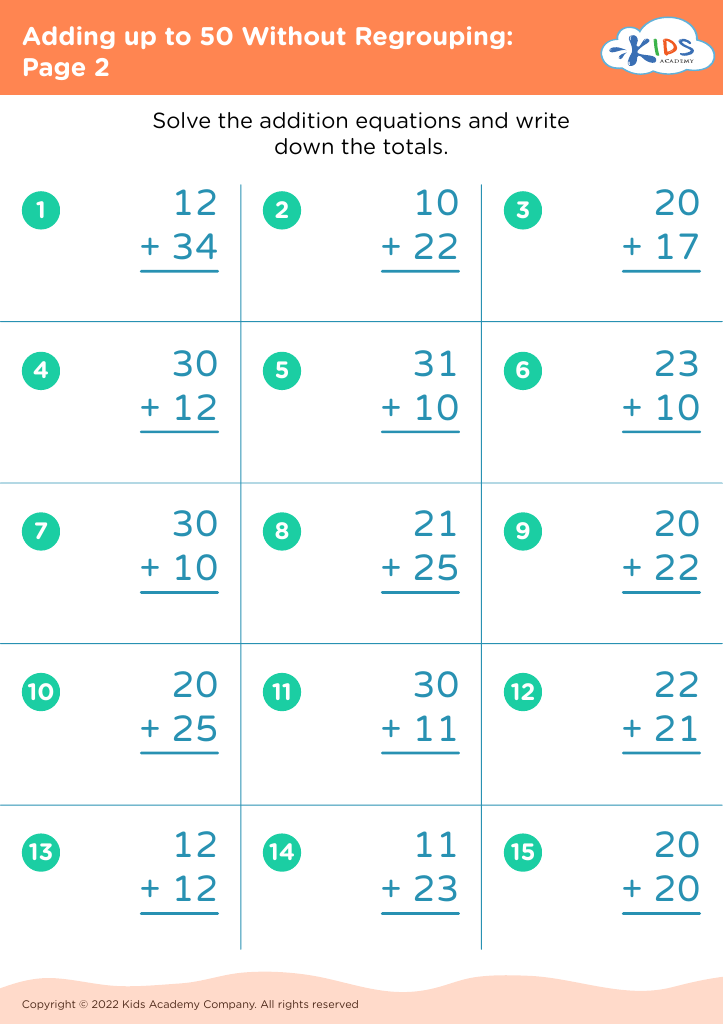








Understanding patterns is a fundamental skill for children aged 5-8, as it lays the groundwork for critical thinking and problem-solving abilities that are essential in later stages of education. Parents and teachers should care about this skill because recognizing patterns promotes cognitive development, enabling children to make predictions, draw conclusions, and enhance their reasoning abilities. By identifying sequences in numbers, colors, shapes, or behaviors, children learn to organize their thoughts and approach challenges methodically.
Furthermore, pattern recognition links to various subjects beyond math, including science, art, and music. It creates connections that bridge learning experiences, enriching a child's education. For instance, recognizing the patterns in nature can instigate curiosity, leading to exploration and inquiry.
Encouraging pattern recognition also boosts children's confidence as they discover relationships in their environment, contributing to their overall social-emotional development. Engaging activities such as games, puzzles, or arts and crafts can make learning about patterns enjoyable, ensuring that children remain motivated and excited about learning. Overall, through enhanced understanding of patterns, children develop essential skills that will benefit them throughout their educational journey and beyond.








