Understanding measurement Worksheets for Ages 5-8
3 filtered results
-
From - To
Explore our engaging "Understanding Measurement Worksheets for Ages 5-8" designed to make learning measurement fun and interactive! Perfect for young learners, these worksheets cover essential concepts such as length, height, weight, and volume through colorful illustrations and relatable activities. Each worksheet encourages hands-on practice and fosters critical thinking skills by integrating real-world examples. In addition to measurement, children will develop their ability to compare and order objects, enhancing their mathematical foundations. Ideal for classroom or home use, these worksheets are a valuable resource to help your child grasp measurement concepts confidently and enthusiastically. Start measuring success today!
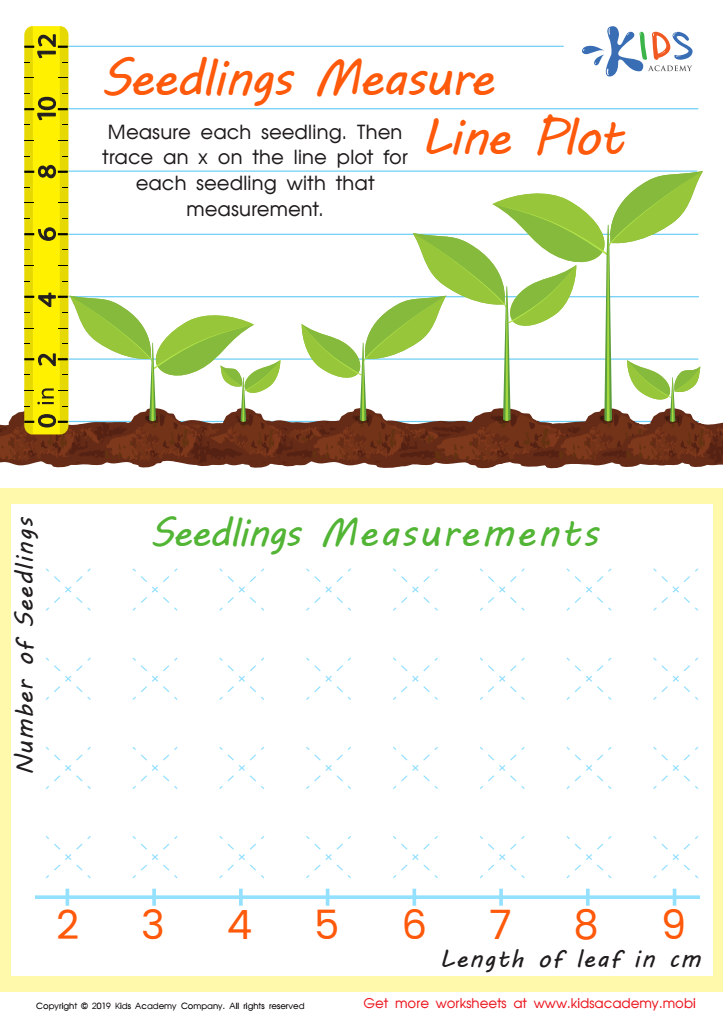
Seedling Measure Line Plot Worksheet
 Assign to My Students
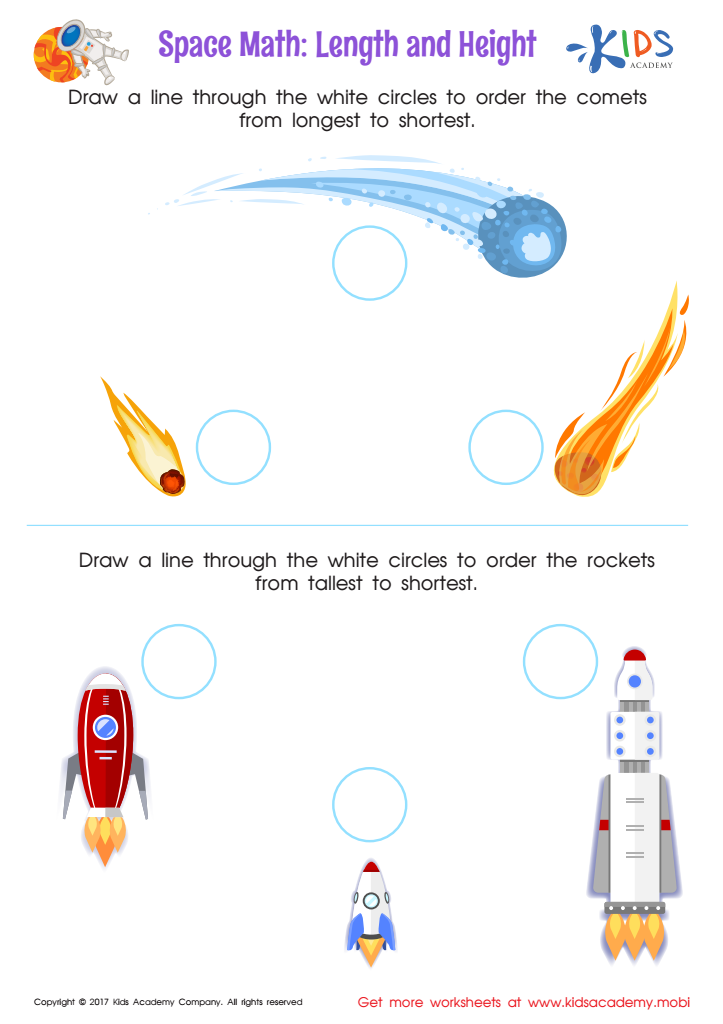
Space Math Worksheet


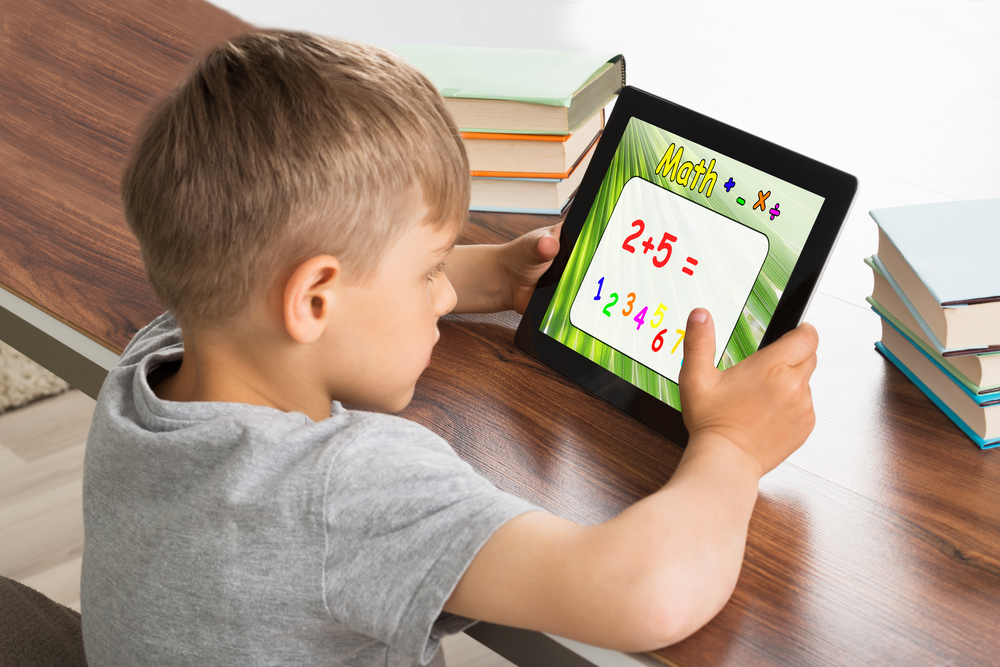

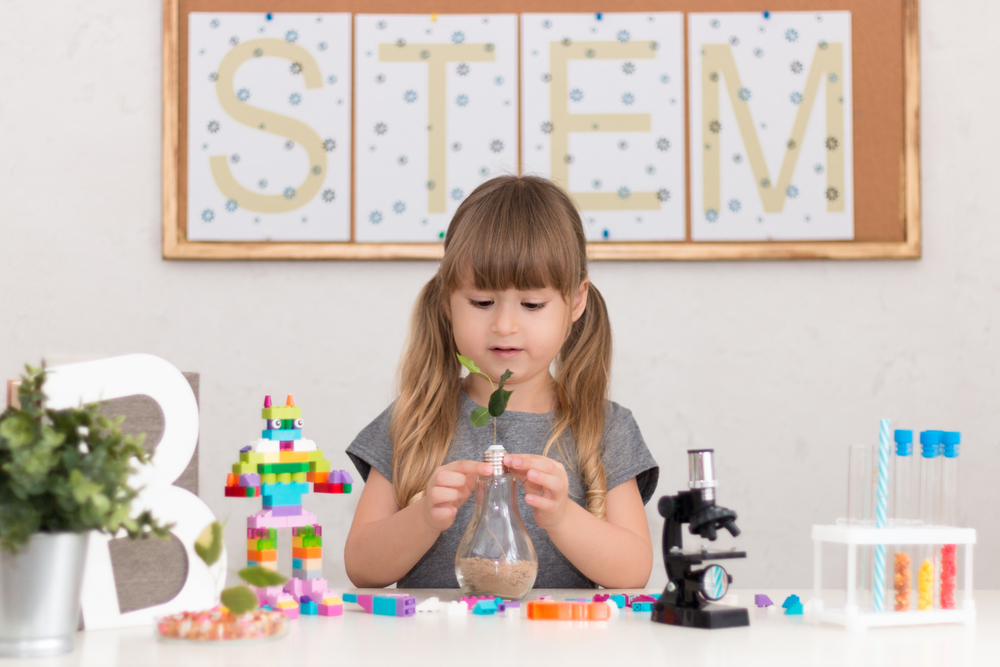

Understanding measurement is crucial for children ages 5-8 as it lays the foundation for their mathematical and everyday skills. At this stage, children begin to explore concepts such as length, weight, volume, and time, which are essential for their cognitive development.
Measurement encourages critical thinking. For instance, when children compare the height of different objects or measure ingredients for a recipe, they engage in problem-solving and logical reasoning. This hands-on approach fosters a deeper understanding of mathematical concepts and promotes an appreciation for math in real-life contexts.
Moreover, measurement skills are integral to various subjects beyond math, including science and even social studies. As children learn about measurements, they also develop skills in categorization, sequencing, and estimation.
For parents and teachers, supporting measurement learning can enhance children's confidence and autonomy. By encouraging exploration and providing opportunities to measure in everyday situations, like cooking or gardening, adults reinforce the relevance of these skills.
Ultimately, fostering an understanding of measurement not only prepares children for more complex mathematical tasks in the future but also equips them to navigate and make sense of the world around them effectively. Prioritizing measurement education can cultivate a curious and capable learner.








