Filters

77 filtered results

Clear all filters
Favorites
With answer key
Interactive

77 filtered results

Difficulty Level

Grade


Check out this FREE "Word Recognition" Trial Lesson for age 5-8!

High-frequency Words 2

Favorites
With answer key
Interactive
  • 5-8
  • Word Recognition
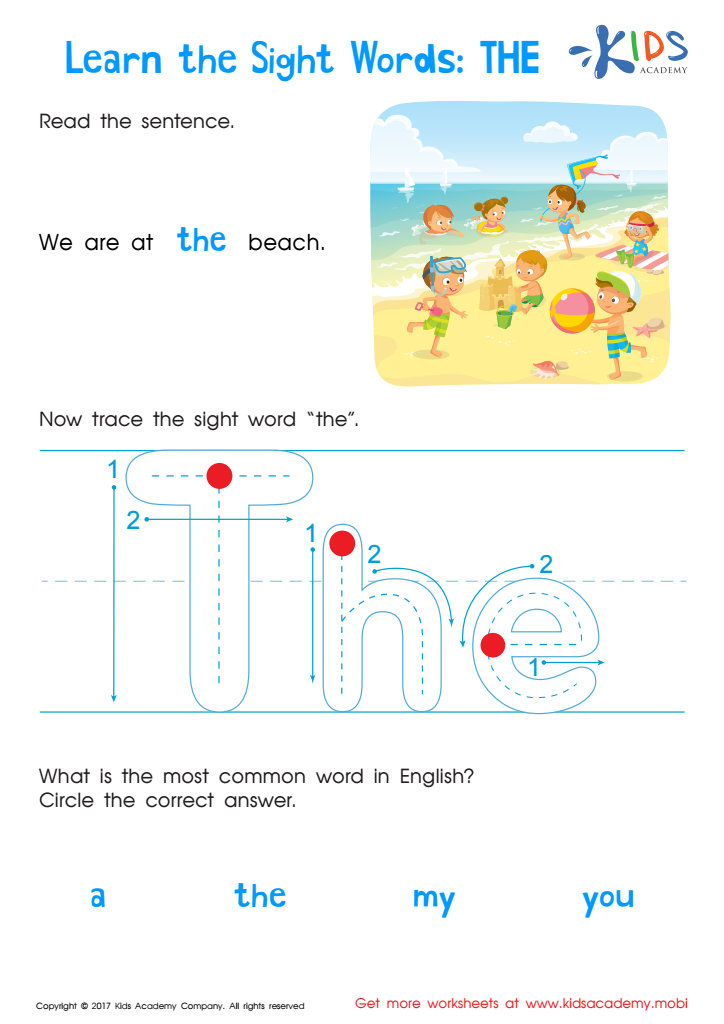
Sight Words Worksheet: The

Sight Words: The Worksheet

Get the worksheet and start now. The word "the" is an essential part of English. Teaching your child to read and write it is easy with this sight words worksheet. They'll practice reading the word, tracing it, and using it in sentences. It's the perfect way to take your child's language skills to the next level! Get the worksheet today.
Sight Words: The Worksheet
Worksheet
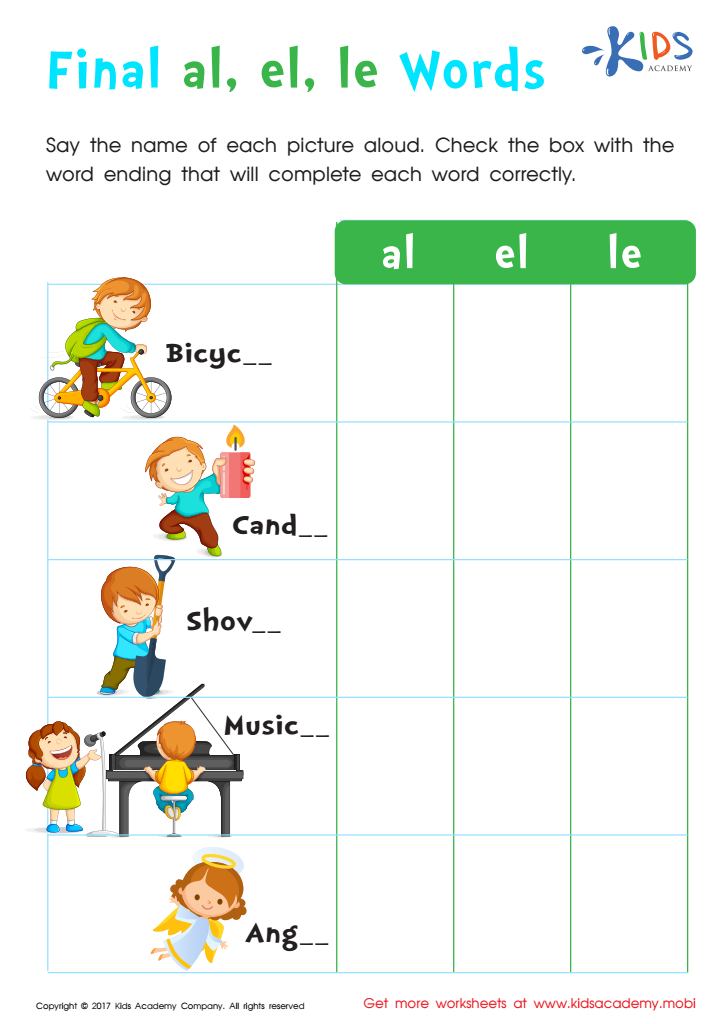
Worksheet: Spelling Words Ending with -le, -el and -al

Spelling Words Ending with –le, –el and –al Worksheet
Spelling tricky words with the same ending sounds can be fun with this worksheet! Kids learn to spell -le, -el, and -al words while enjoying colorful pictures. It's a great way to refine their usage of tricky word endings.
Spelling Words Ending with –le, –el and –al Worksheet
Worksheet
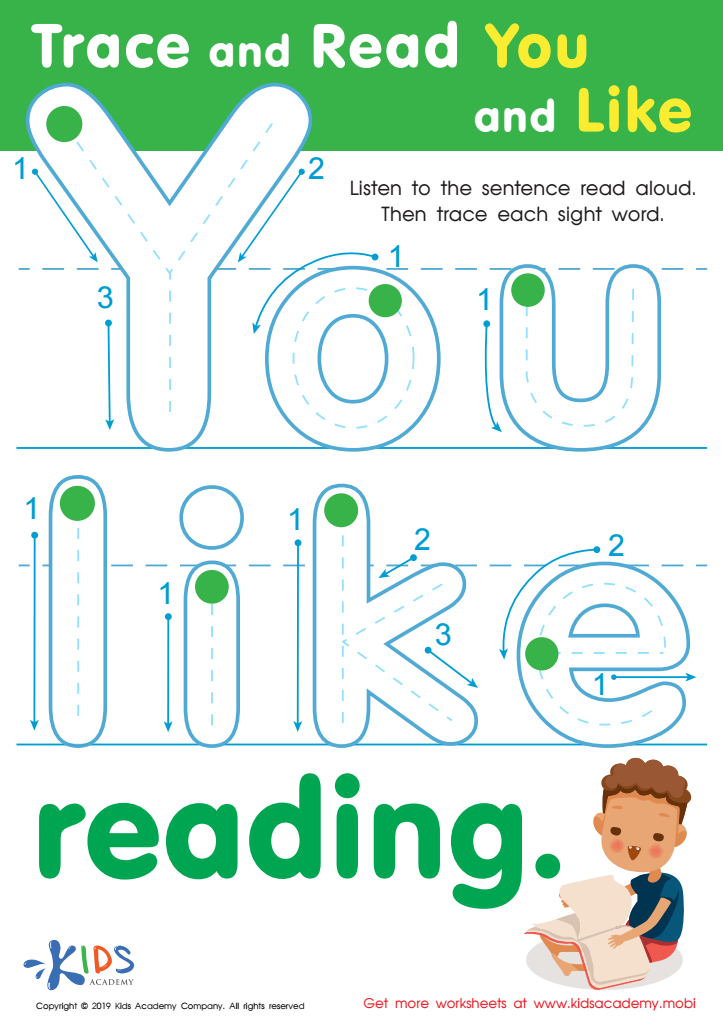
Trace Read You Like Worksheet
Trace Read You Like Worksheet

Sight words help children become confident and fluent readers. This free worksheet encourages success with basic 'you' and 'like' words. Writing them with traceable lines and green dots shows motion and builds sight word vocabulary. Help your child master the basics and boost their reading progress!
Trace Read You Like Worksheet
Worksheet
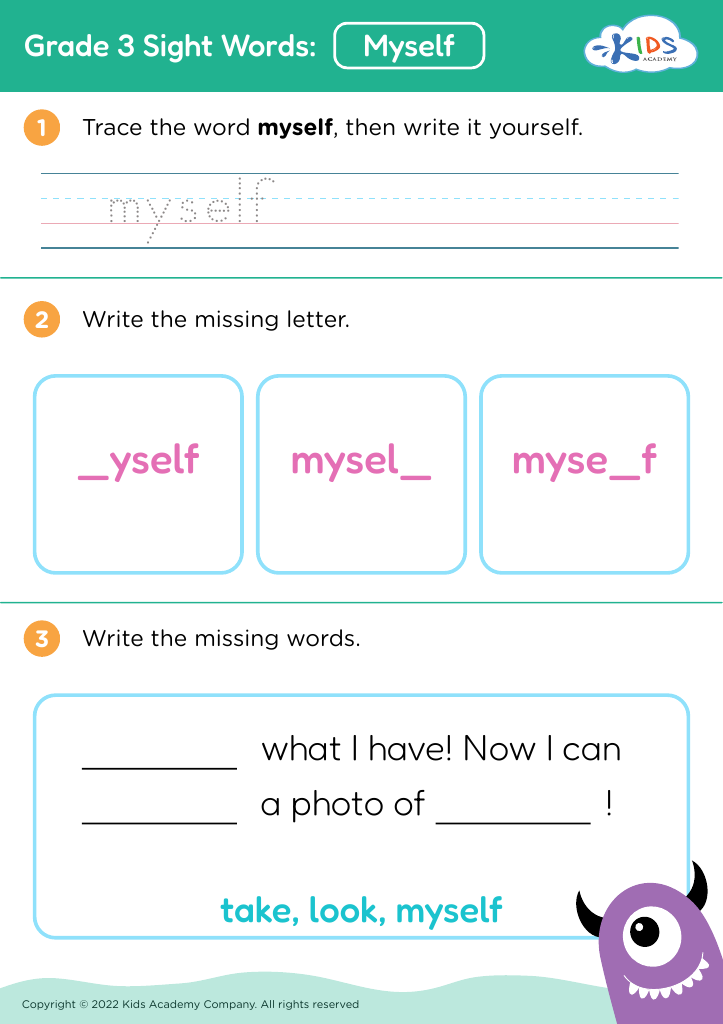
Grade 3 Sight Words: Myself

Grade 3 Sight Words: Myself

Grade 3 Sight Words: Myself
Worksheet
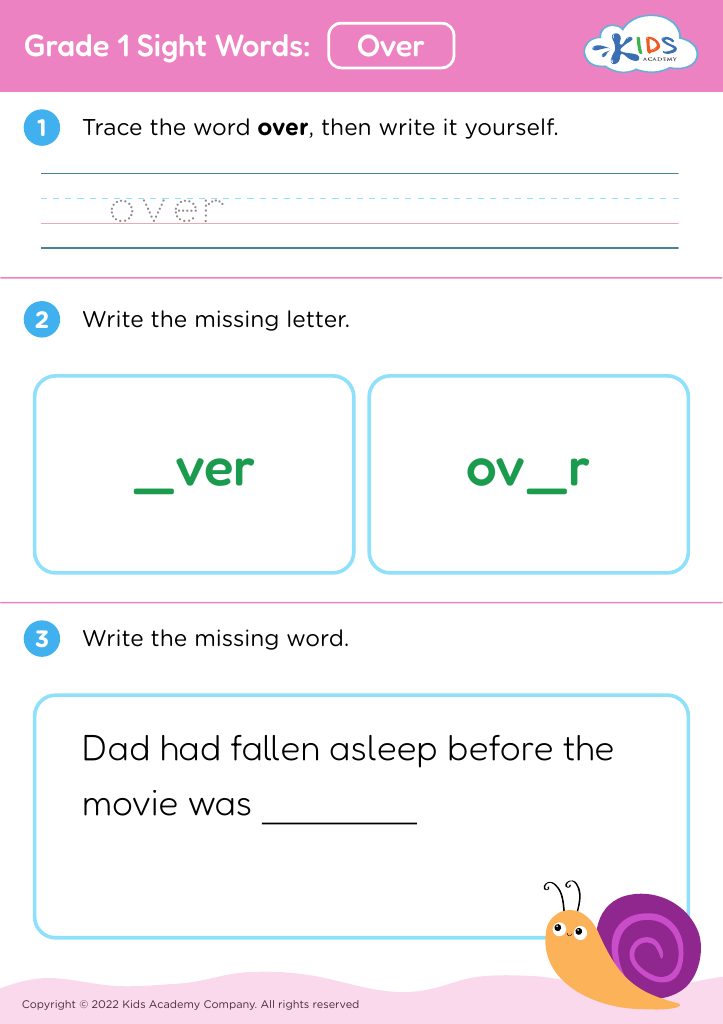
Grade 1 Sight Words: Over

Grade 1 Sight Words: Over

Grade 1 Sight Words: Over
Worksheet


... 3 4

Word recognition is a crucial skill for children ages 5-8, as it serves as the foundation for reading fluency and comprehension. At this developmental stage, children are beginning to decode words and understand their meanings in context. When parents and teachers focus on word recognition, they help children build a robust vocabulary and enhance their reading habits, fostering a lifelong love for literature.

Effective word recognition contributes to greater confidence in reading. As children can quickly identify words, they experience less frustration and can concentrate on grasping the story's meaning rather than becoming bogged down by decoding individual words. This fluency allows for smoother reading experiences and promotes overall language development.

Moreover, mastery of word recognition is linked to increased academic success in other subjects, as literacy is essential across all areas of learning. By engaging in activities that promote word recognition—such as reading aloud, playing word games, or incorporating rich vocabulary into daily conversations—parents and teachers create an engaging language environment. They equip children with the tools necessary for effective communication, critical thinking, and academic readiness, making word recognition a vital area of focus in early education.