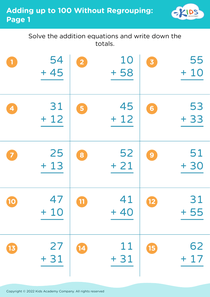
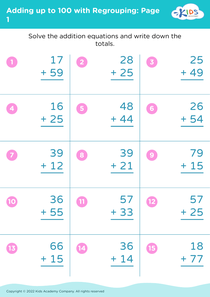
Understanding fractions Adding up to 100 Misc Worksheets for Ages 5-8
16 filtered results
-
From - To
Unlock the world of fractions with our "Understanding Fractions Adding up to 100 Misc Worksheets" designed specifically for ages 5-8. These engaging worksheets introduce young learners to the concept of fractions in a fun and interactive way. Children will master the art of recognizing, adding, and comparing fractions as they complete colorful activities and exercises. Each worksheet reinforces key math skills while making learning enjoyable. Perfect for parents and educators, these resources will boost your child's confidence and understanding of fractions. Explore our collection today and help your little ones build a strong foundation in mathematics!
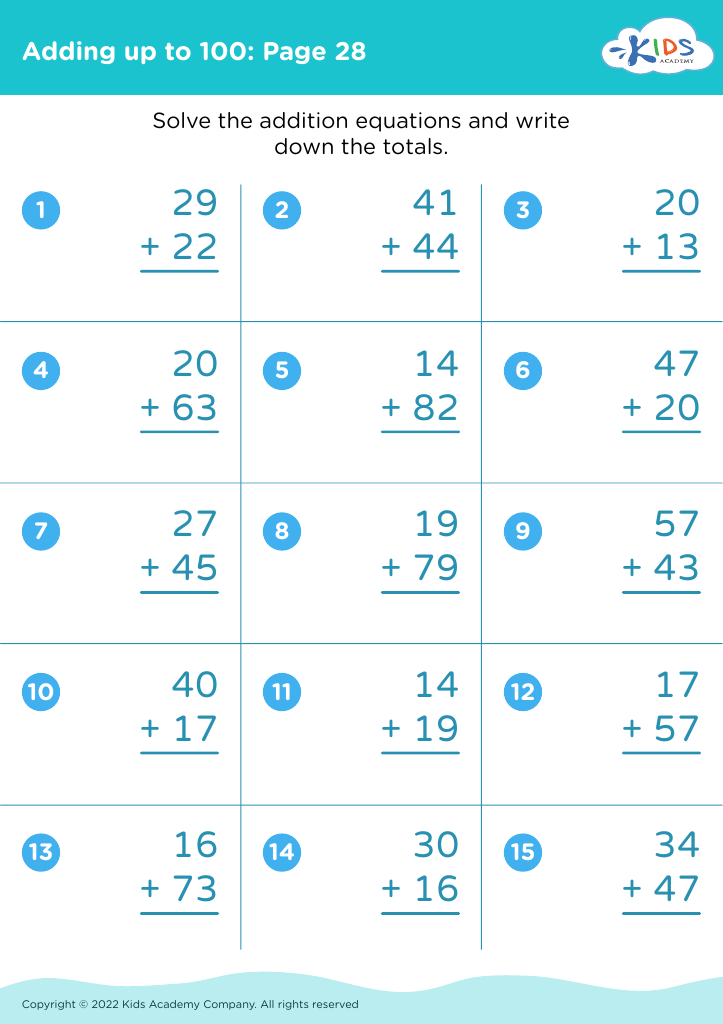
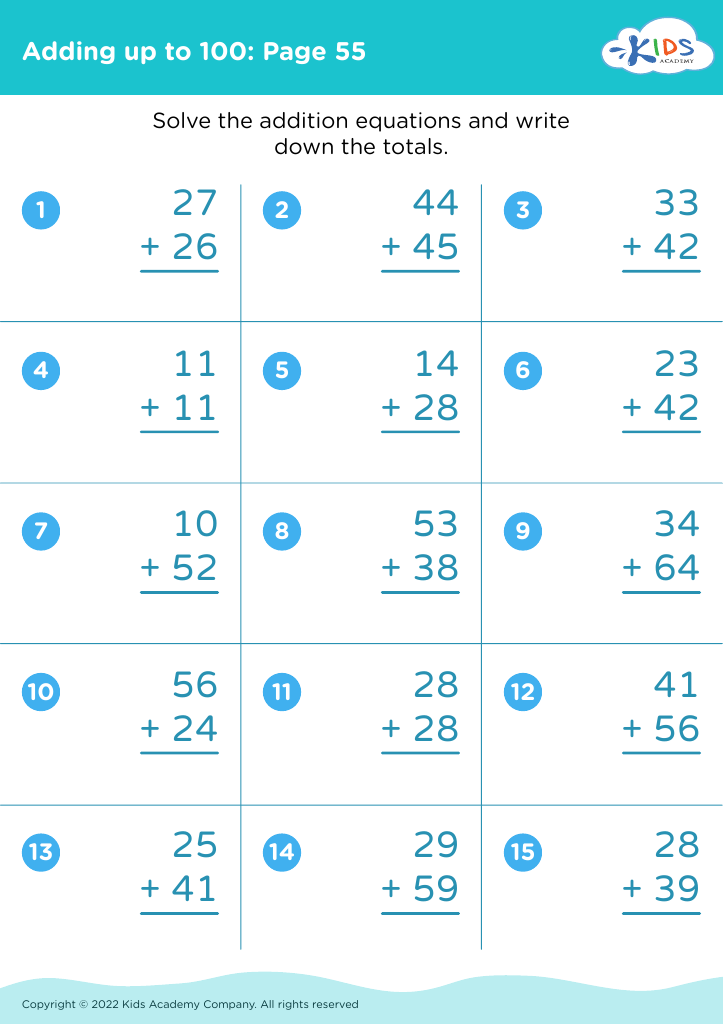
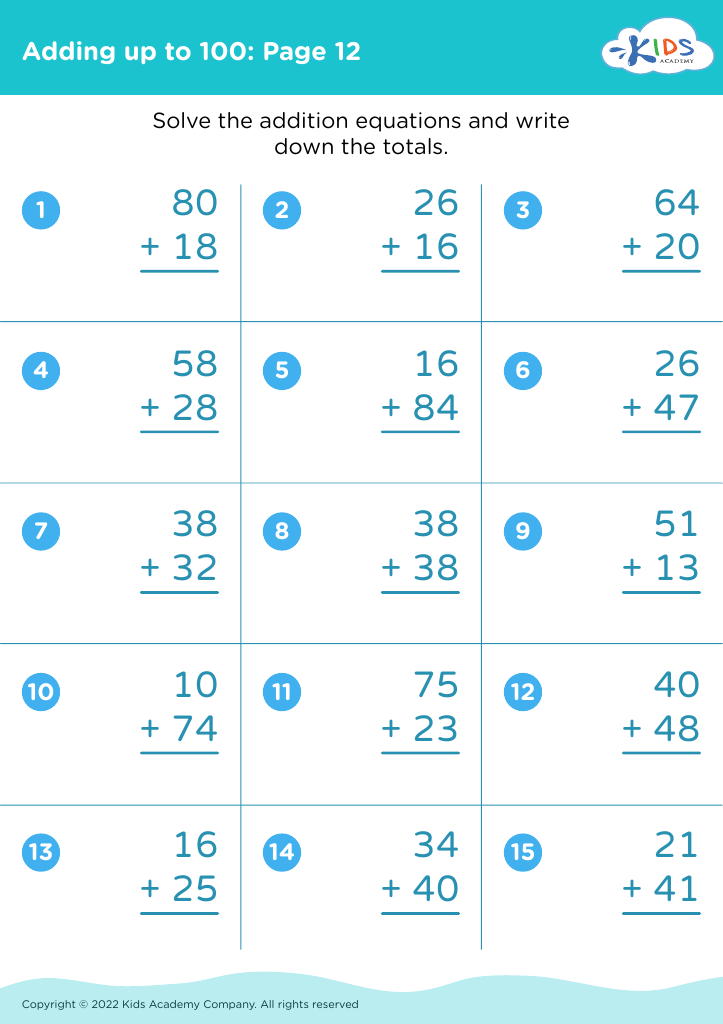
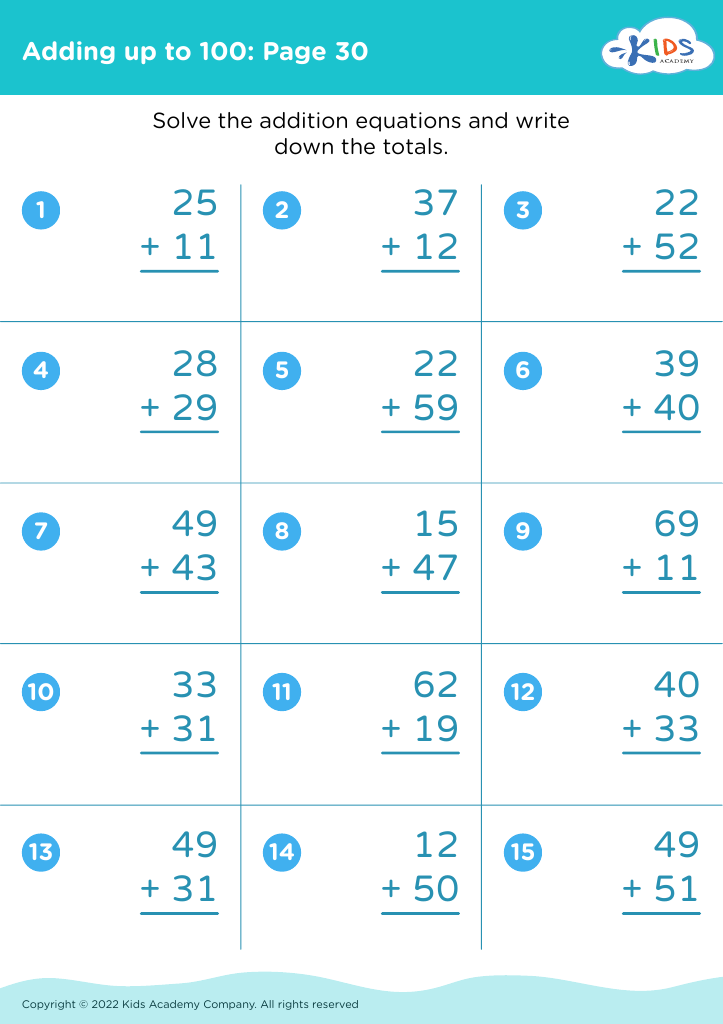
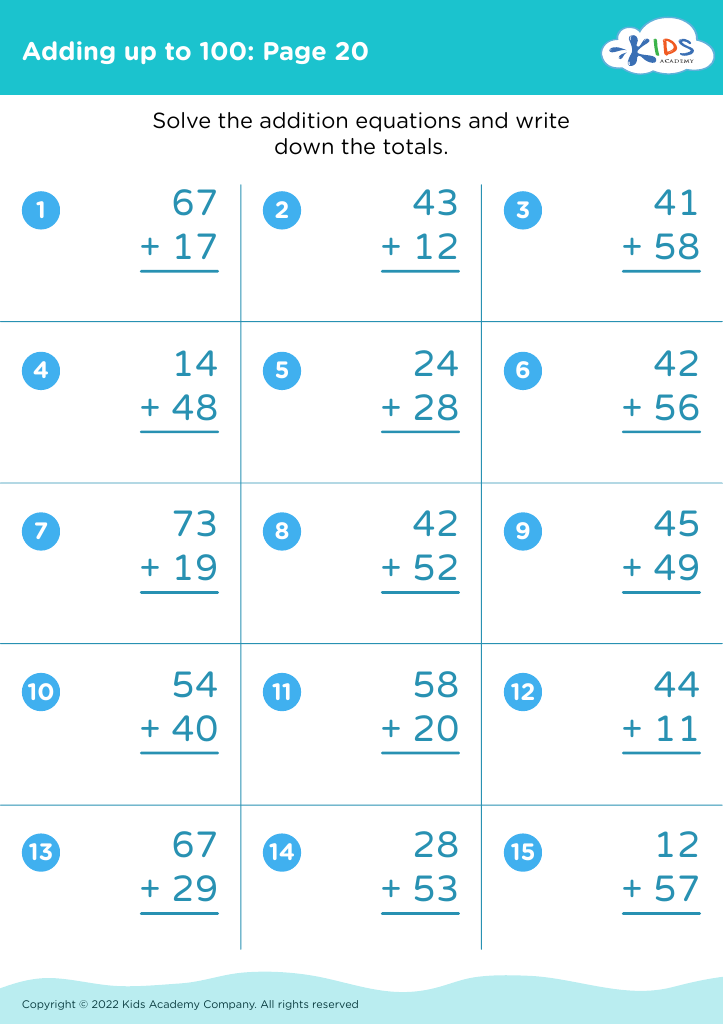
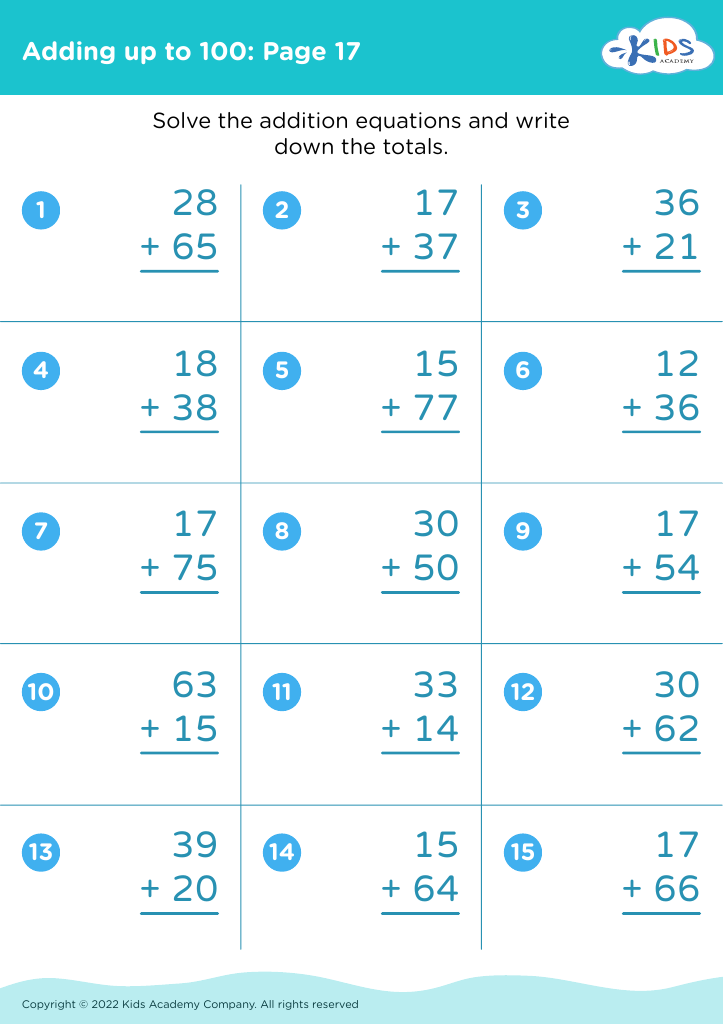
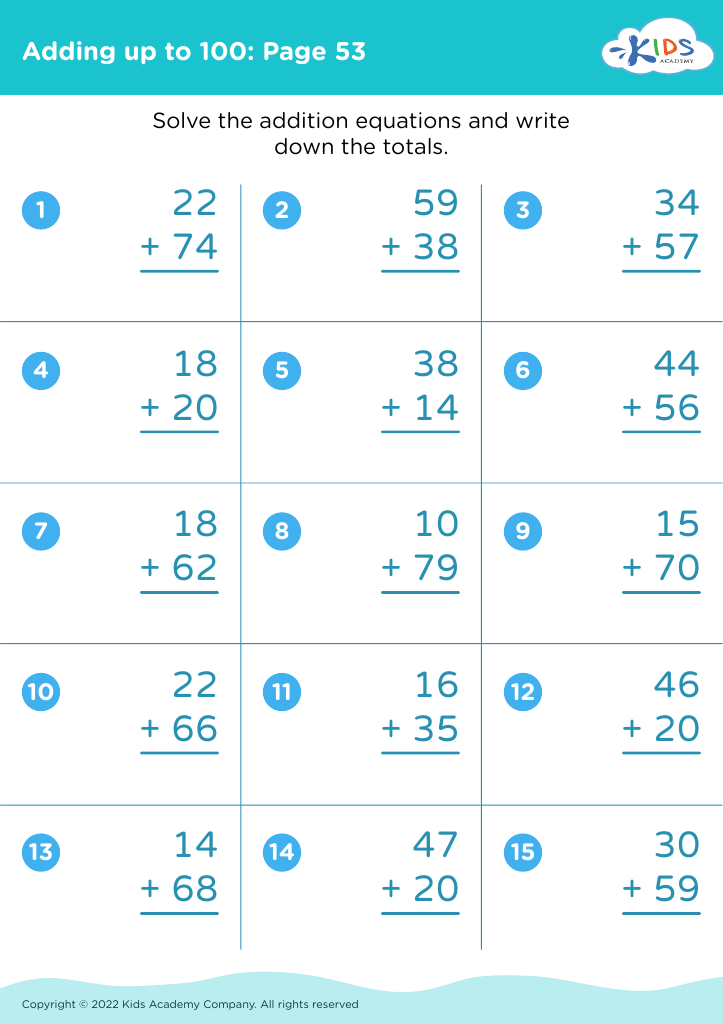
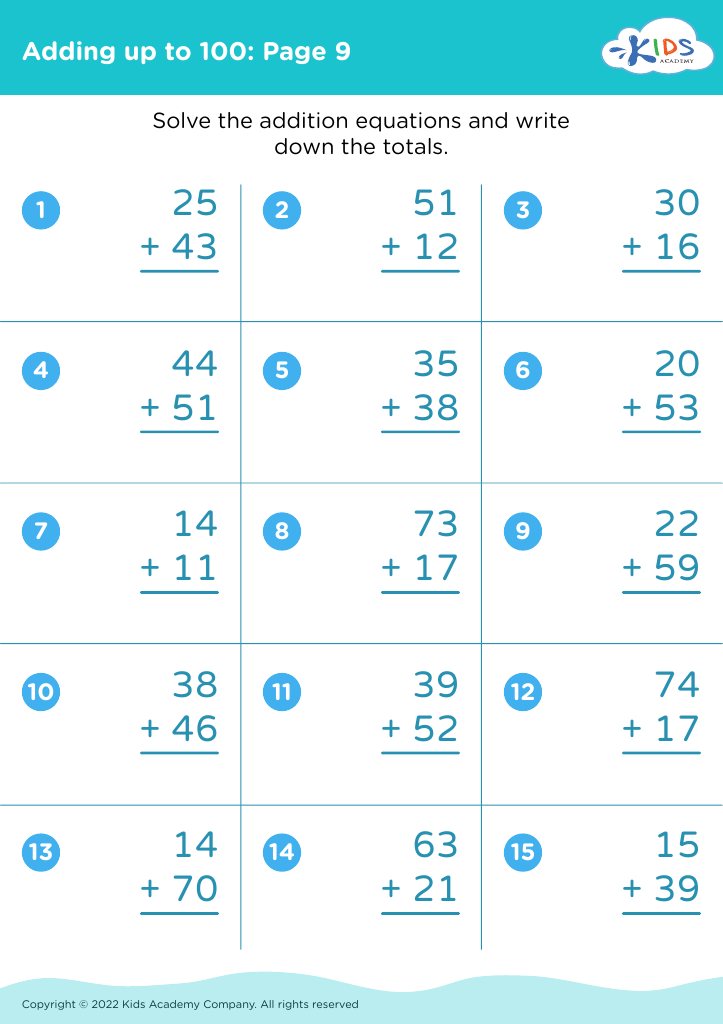
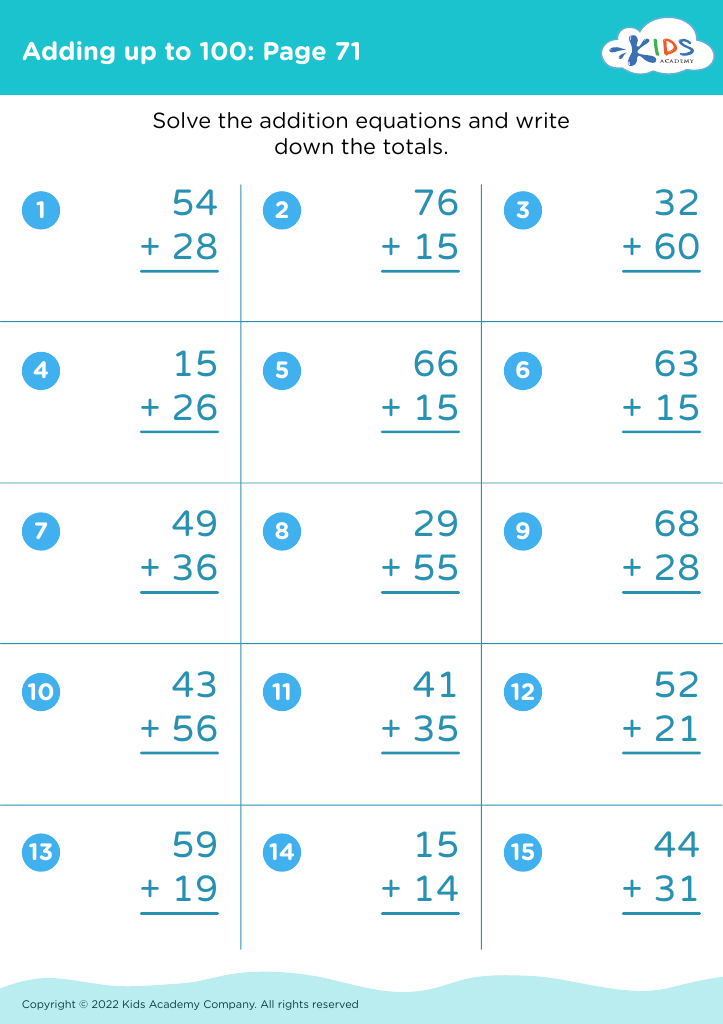
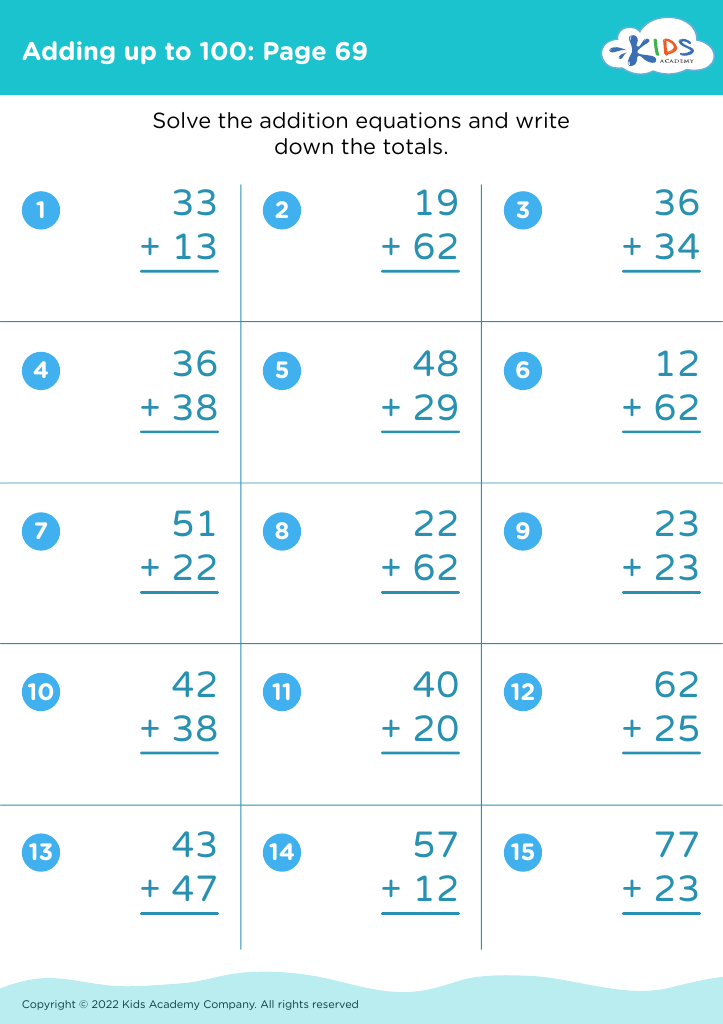
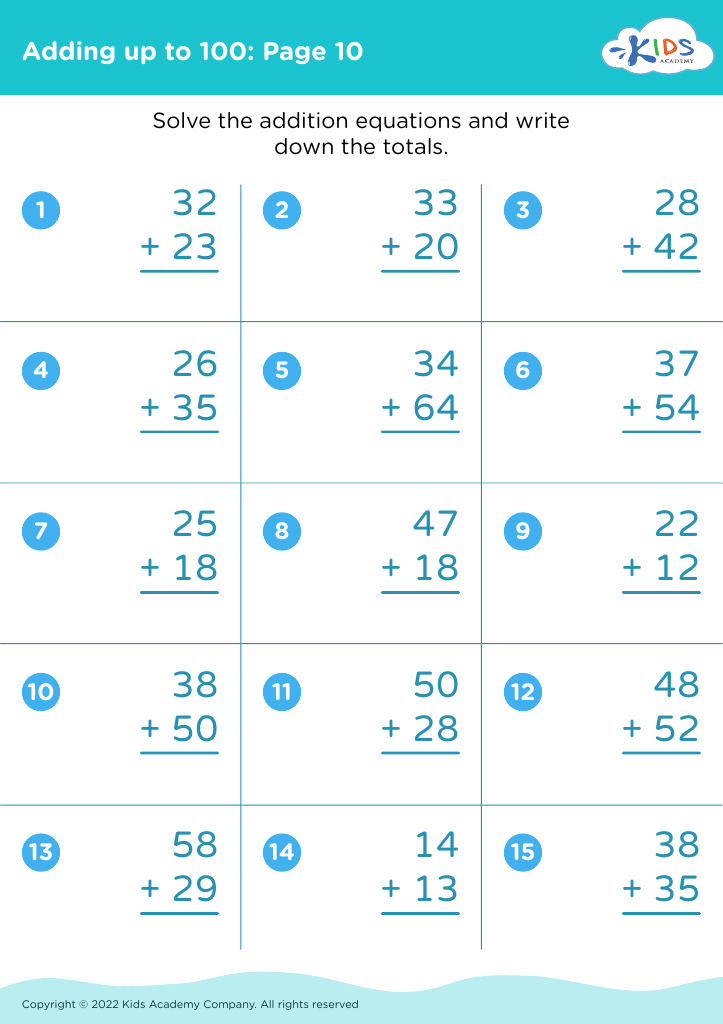
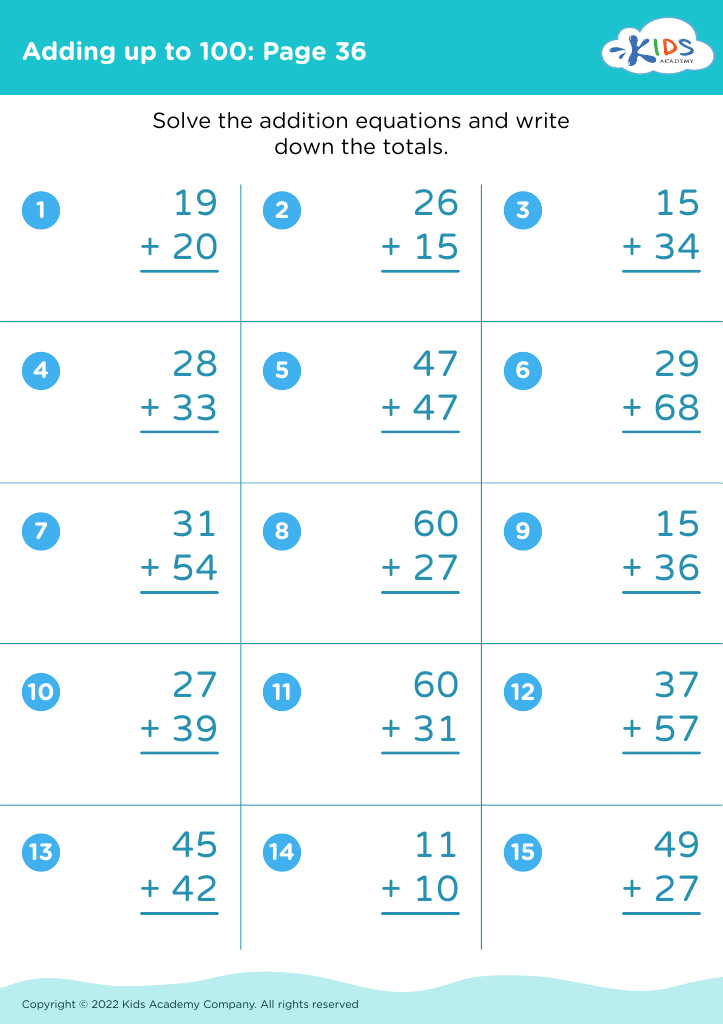


Understanding fractions and the concept of adding them up to 100 is essential for children ages 5-8 as it lays the foundational skills for more advanced math and critical thinking. At this age, children are highly receptive to learning new concepts and developing cognitive skills. Mastering fractions helps them understand parts of a whole, paving the way for more complex ideas in mathematics, such as ratios and percentages.
Furthermore, comprehending how to combine fractions and recognize their relationship to larger numbers is vital for real-world applications. Activities involving sharing, cooking, and measuring all rely on an understanding of parts. Additionally, managing fractions promotes problem-solving skills, encouraging children to think analytically and work collaboratively to find solutions.
Parents and teachers must recognize that frustration with fractions can stem from their abstract nature. Encouraging practice and offering supportive, engaging methods to learn can help demystify the concept. Building a strong foundation will not only enhance mathematical abilities but will also boost confidence in children. Ultimately, grasping these concepts enables students to navigate their world more effectively, reinforcing the importance of caregivers and educators fostering a solid understanding of fractions from an early age.