



Parents and teachers should prioritize problem-solving skills for children ages 5-8, as these skills lay the foundation for successful learning and overall development. At this stage, children are naturally inquisitive and eager to explore their environment. Fostering problem-solving abilities encourages a growth mindset, helping them to understand that challenges can be overcome.
Problem-solving aids in developing critical thinking skills, necessary for approaching tasks and finding solutions in everyday situations. As children learn to analyze problems, generate potential solutions, and evaluate their effectiveness, they become more adaptive and resilient, traits that will serve them well throughout their lives.
Furthermore, enhancing problem-solving skills promotes collaboration and communication. Working together to solve problems builds teamwork and social skills, traits difficult to cultivate in isolation.
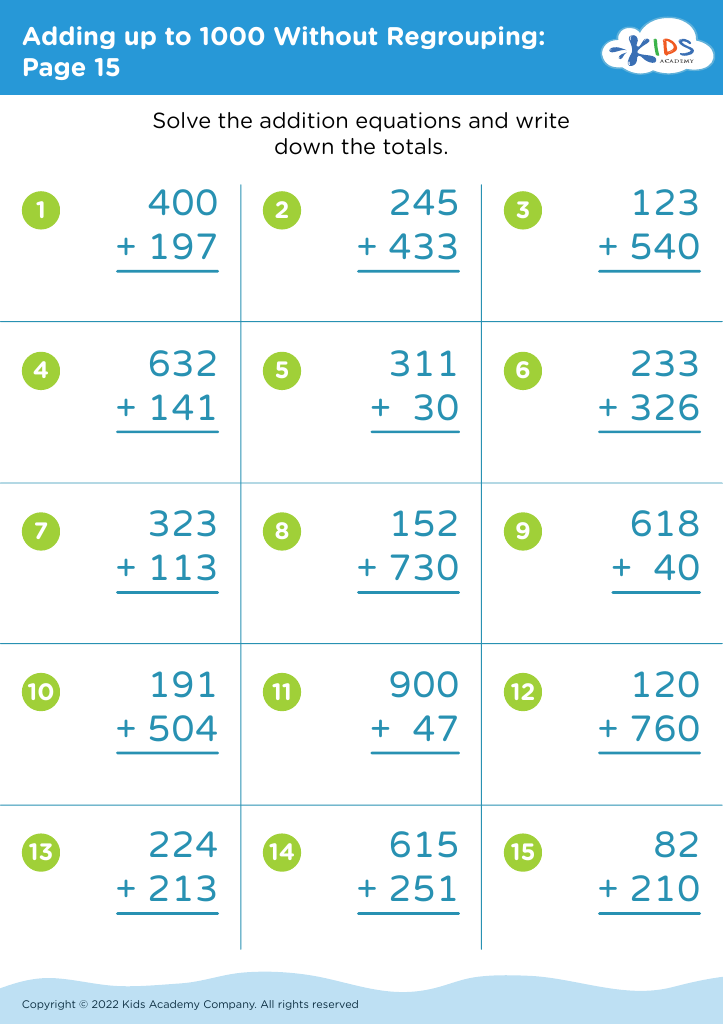
Additionally, engaging in problem-solving activities solidifies foundational math concepts that often arise in this age group, such as addition and subtraction, promoting cognitive connections.
By nurturing these skills, parents and teachers can not only aid academic success but also instill confidence in young learners as they navigate their world. Additionally, encouraging problem-solving creates a love for learning that propels children beyond the classroom and shapes them into well-rounded individuals.








