Vocabulary expansion Adding up to 1000 Worksheets for Ages 5-8
4 filtered results
-
From - To
Welcome to our Vocabulary Expansion section, featuring an extensive collection of 1000 worksheets specifically designed for children aged 5-8. These engaging resources are crafted to enhance language skills through interactive activities, making learning both fun and effective. Kids can explore new words, practice synonyms, and improve their understanding of vocabulary in context. Each worksheet aligns with developmental standards, ensuring your child gains confidence in their communication skills. Perfect for home or classroom use, these worksheets provide diverse opportunities for practice and reinforcement. Watch your young learners thrive as they expand their vocabulary and excel in their literacy journey!
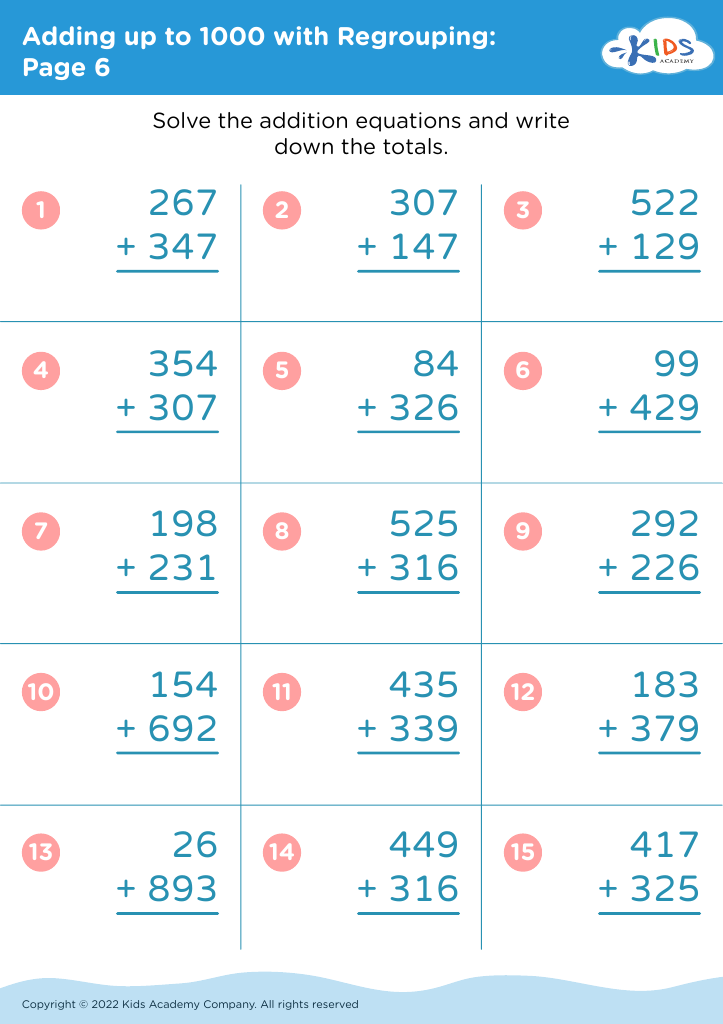
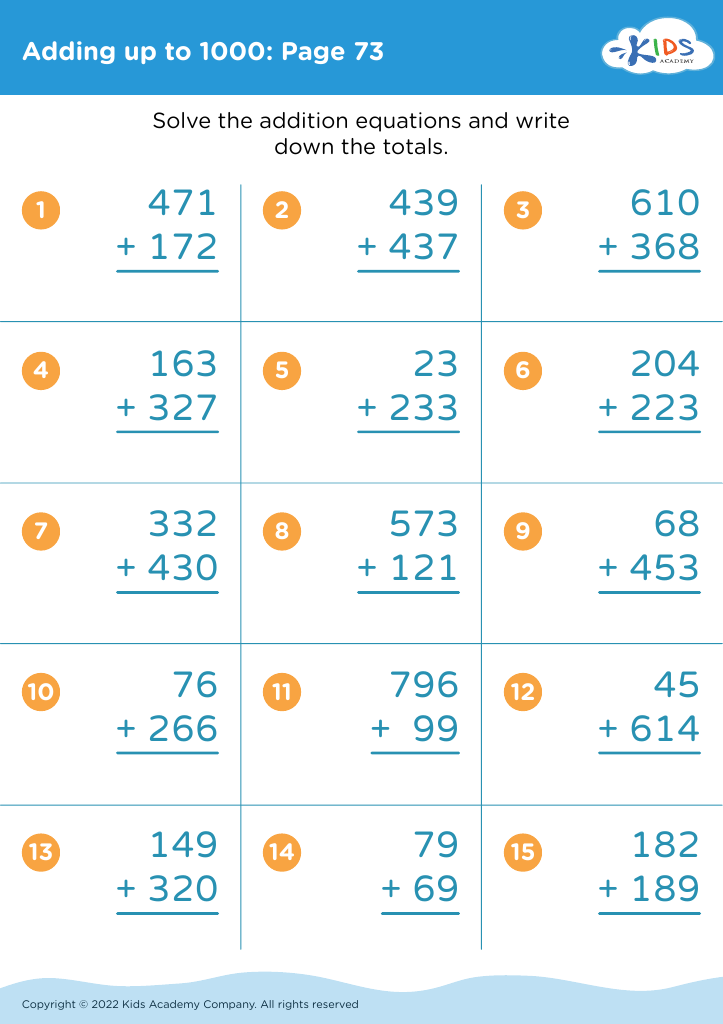
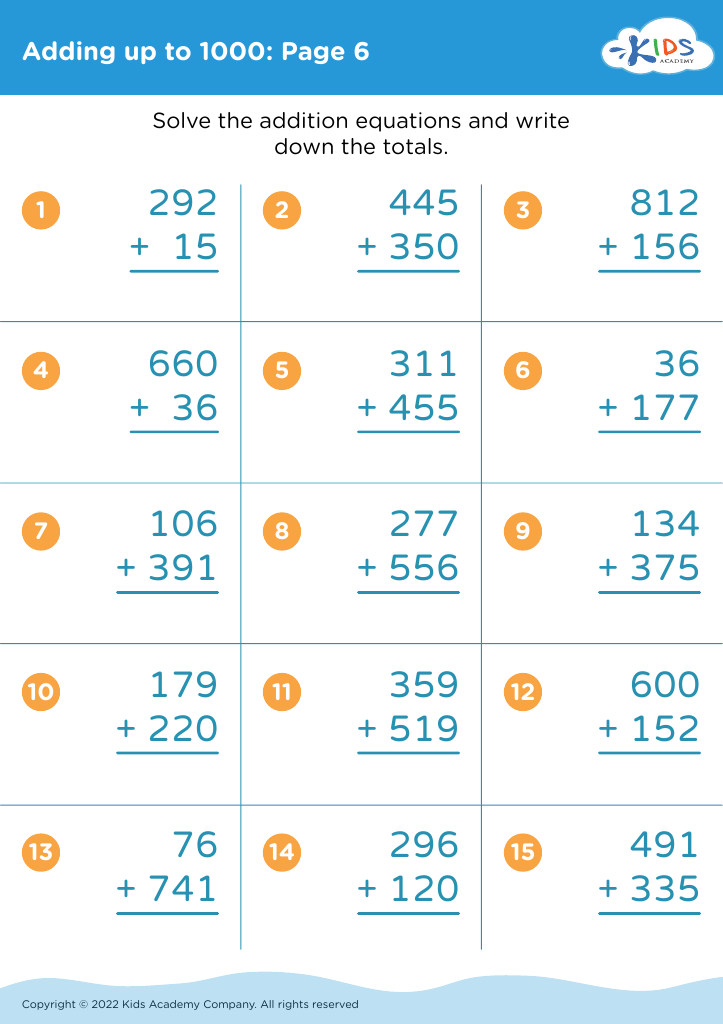
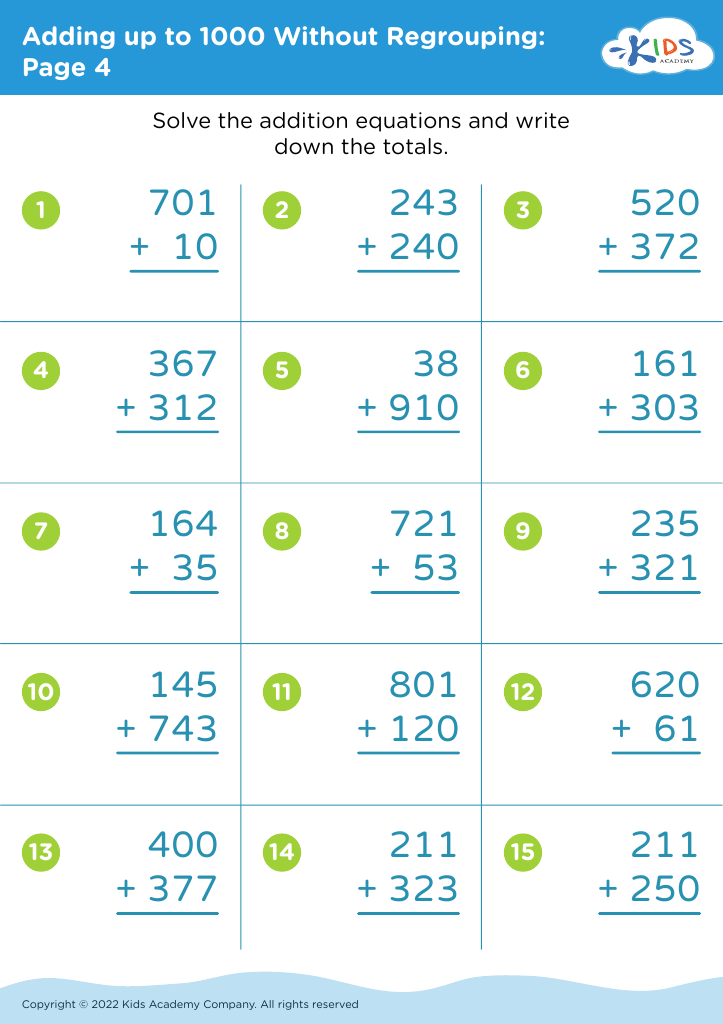



Vocabulary expansion for children ages 5-8 is crucial for their overall development and academic success. During these formative years, children are rapidly developing language skills that are foundational for effective communication and comprehension. A rich vocabulary aids in reading and writing, allowing children to express their thoughts clearly and understand what they read more deeply.
When parents and teachers focus on expanding a child's vocabulary, they open up pathways to greater academic achievement. Children with extensive vocabularies tend to perform better in school, as they can grasp complex concepts and articulate their ideas confidently. Furthermore, a broad vocabulary enhances critical thinking and problem-solving skills, enabling children to engage more fully in discussions and collaborative activities.
Additionally, a robust vocabulary fosters social skills and emotional intelligence. It helps children to articulate their feelings and thoughts, improving their interactions with peers and adults. This can lead to better relationships and greater self-esteem.
Overall, vocabulary expansion is not just about learning words; it is about unlocking a child's potential, promoting a lifelong love for learning, and providing the tools needed to navigate an increasingly complex world. Parents and teachers play a vital role in nurturing this essential skill.








