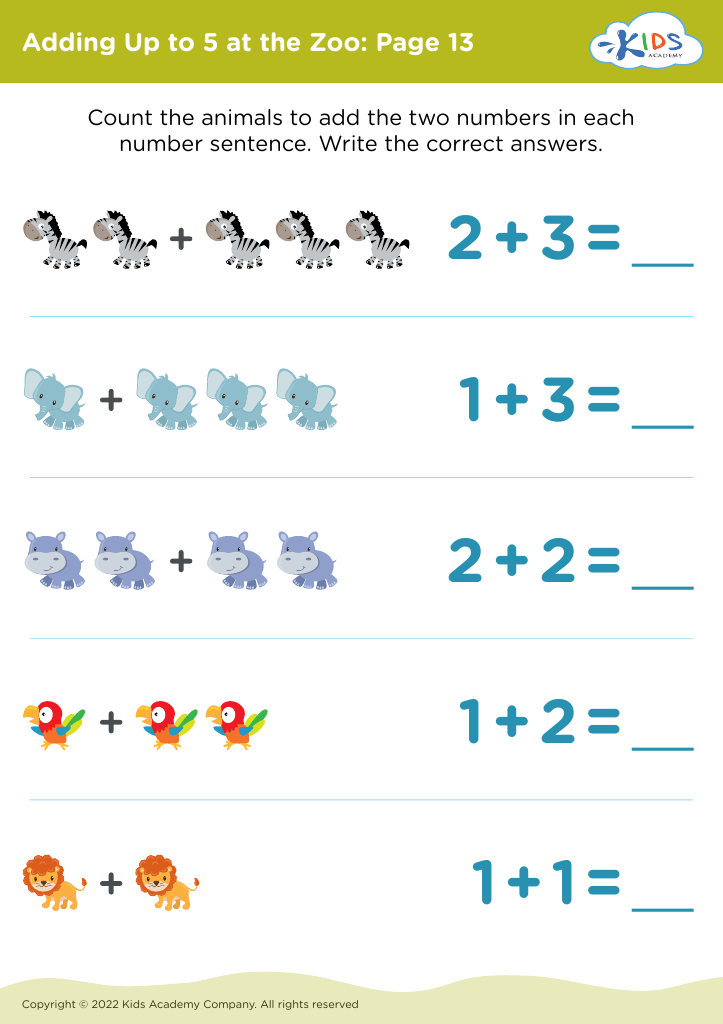
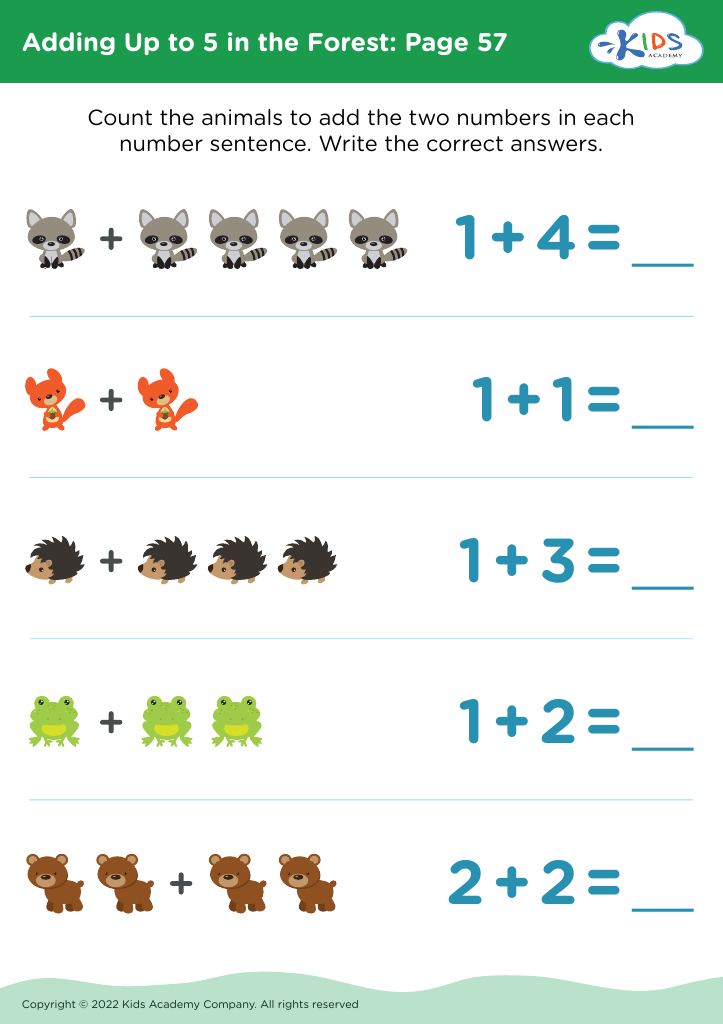
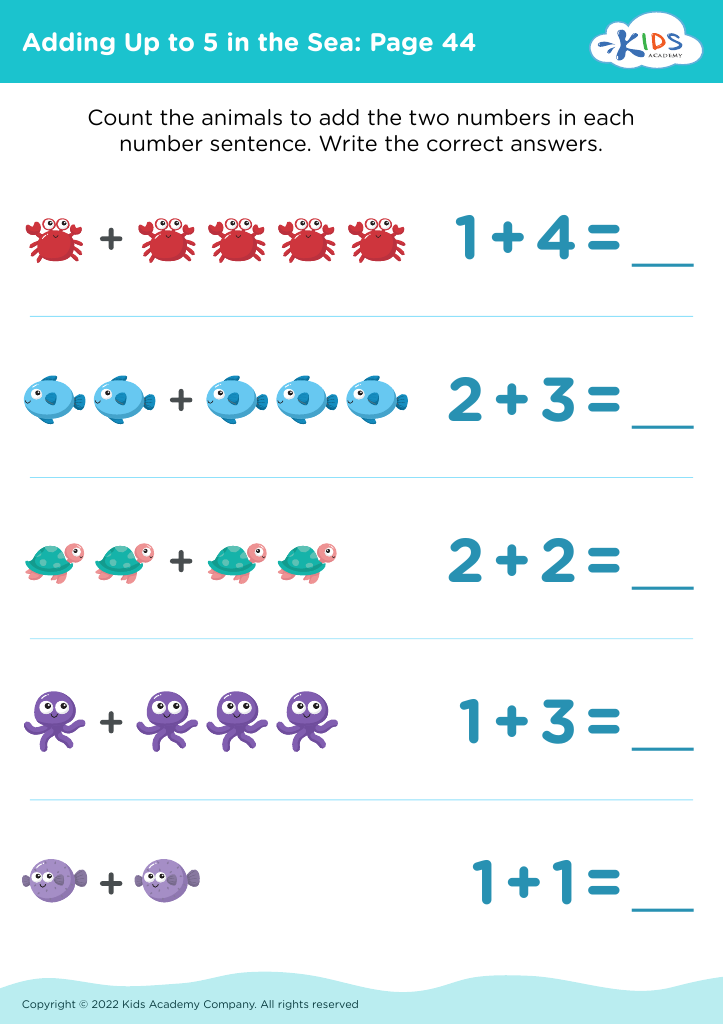
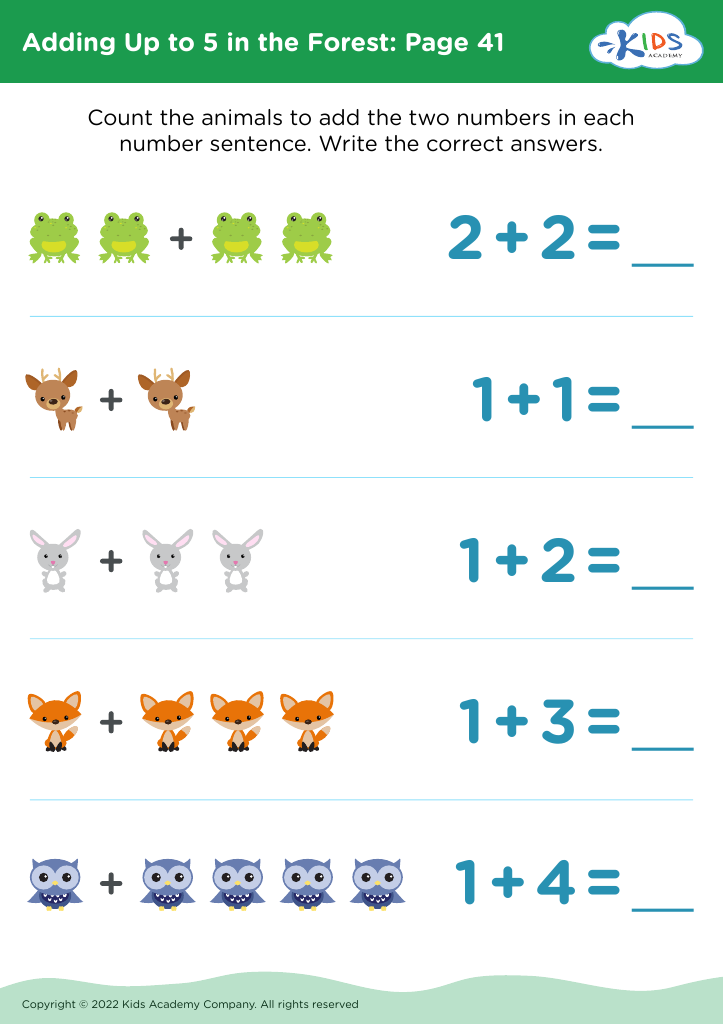




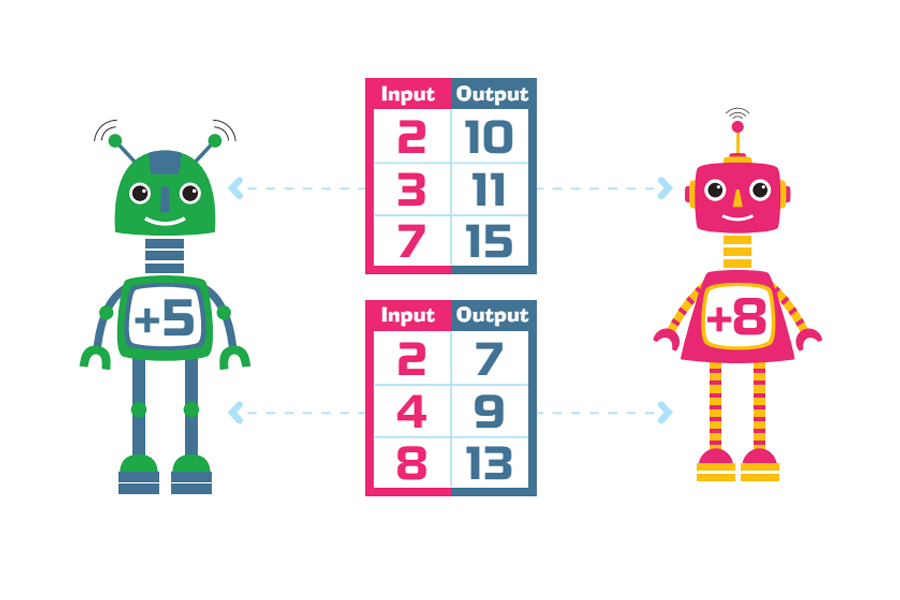



Basic addition skills, especially adding up to 5, are foundational for children aged 5-8 and play a critical role in their overall mathematical development. This early stage of learning establishes a solid groundwork for more complex arithmetic concepts later on. Mastering addition within five helps children develop number sense, which deepens their understanding of quantity and relationships between numbers.
For parents and teachers, nurturing these skills is essential for several reasons. First, building these competencies boosts children's confidence in math, reducing anxiety and encouraging a positive attitude toward learning. Engaging children with fun activities, such as using manipulatives or games, makes learning enjoyable and interactive.
Additionally, strong basic addition skills illuminate children's progress in problem-solving and critical thinking. These skills are not isolated to math alone; they also transfer to reading comprehension and everyday situations, enhancing holistic development. Moreover, in today's technology-driven world, a solid grounding in basic math is imperative for academic success and everyday problem-solving.
By prioritizing basic addition skills, parents and teachers equip children with the tools they need for future academic endeavors, fostering a lifelong love for learning and mathematics.








