Fine motor skills (writing) Addition & Subtraction Worksheets for Ages 5-8 - Page 2
40 filtered results
-
From - To
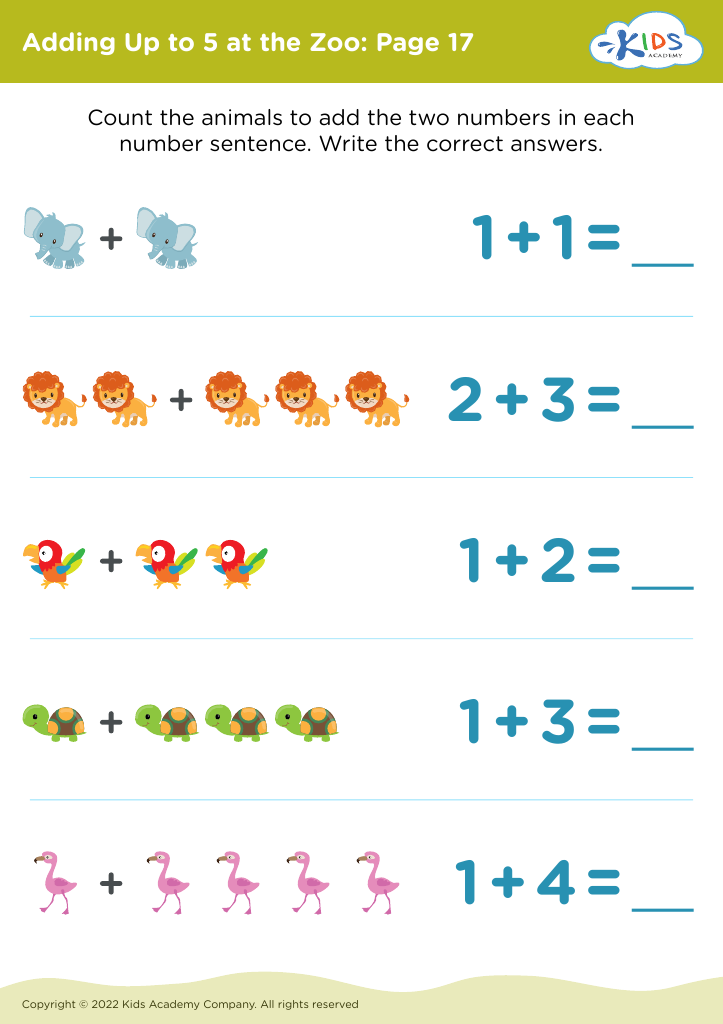
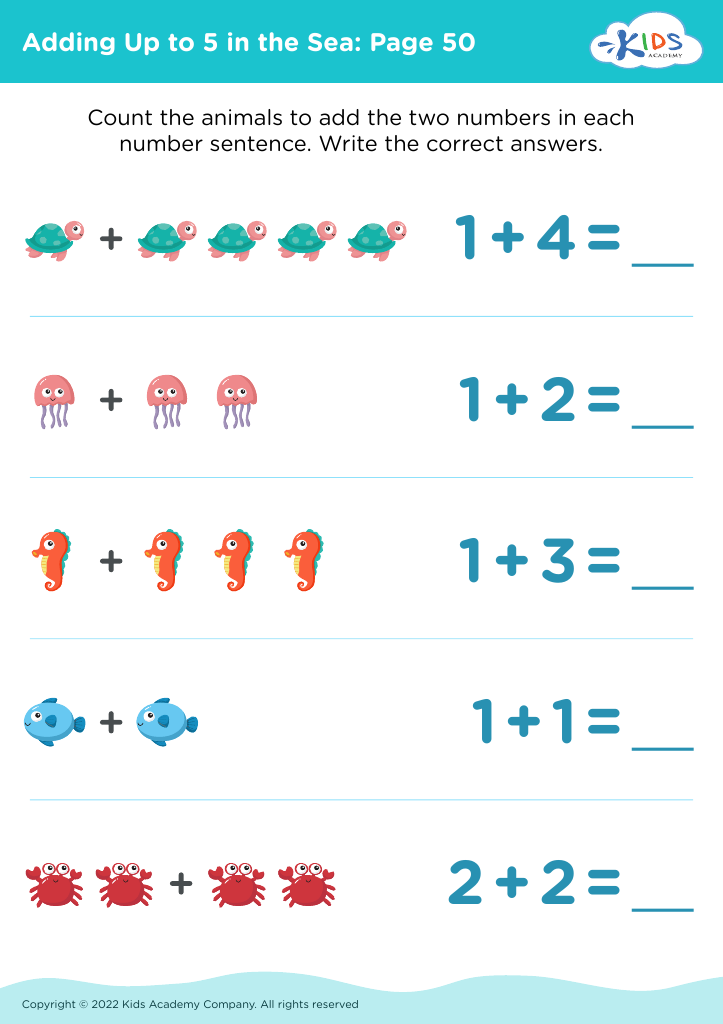
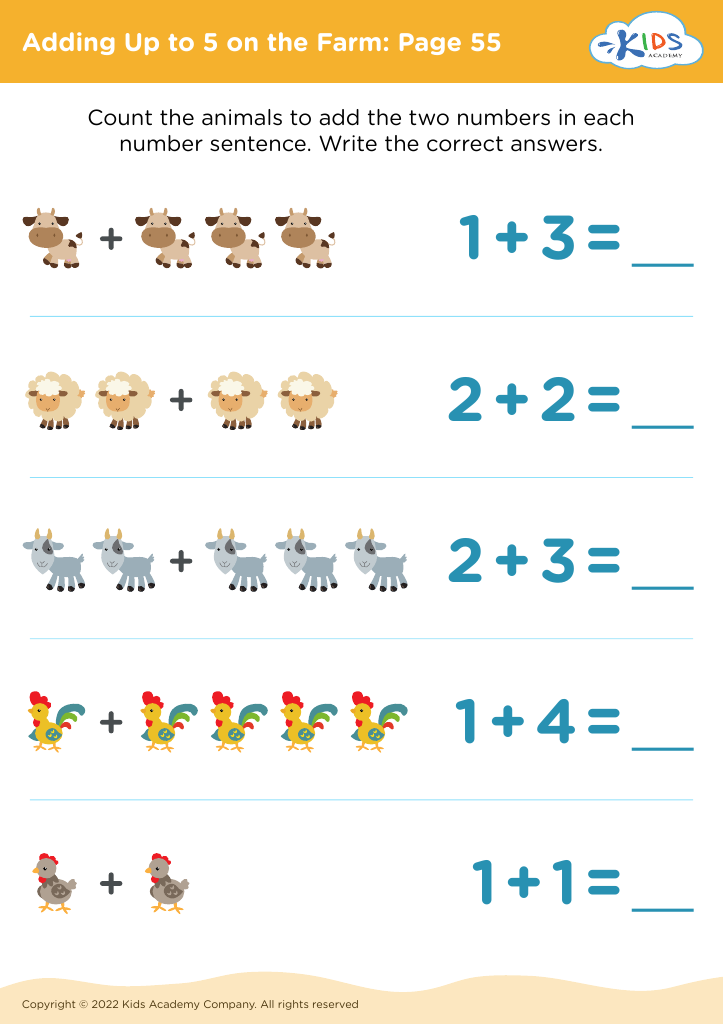
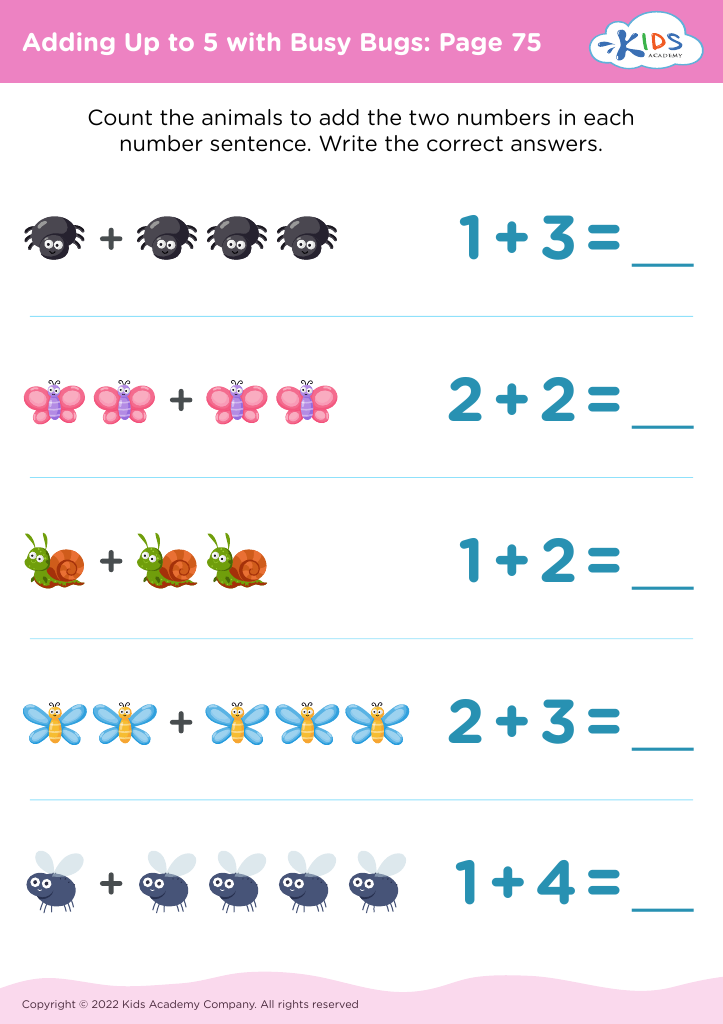
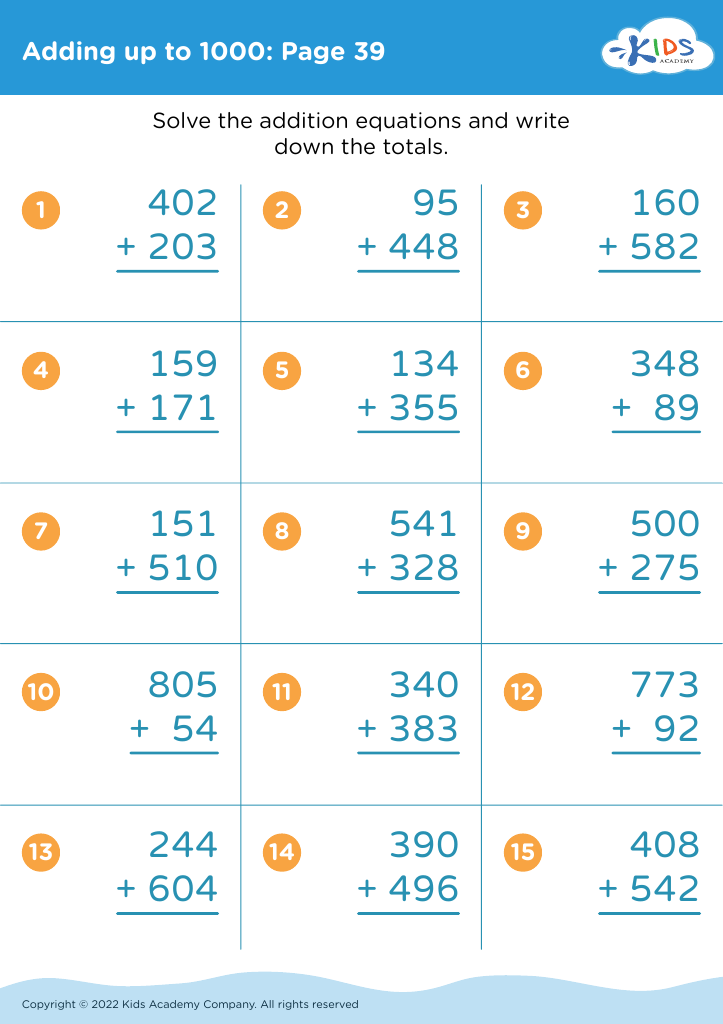
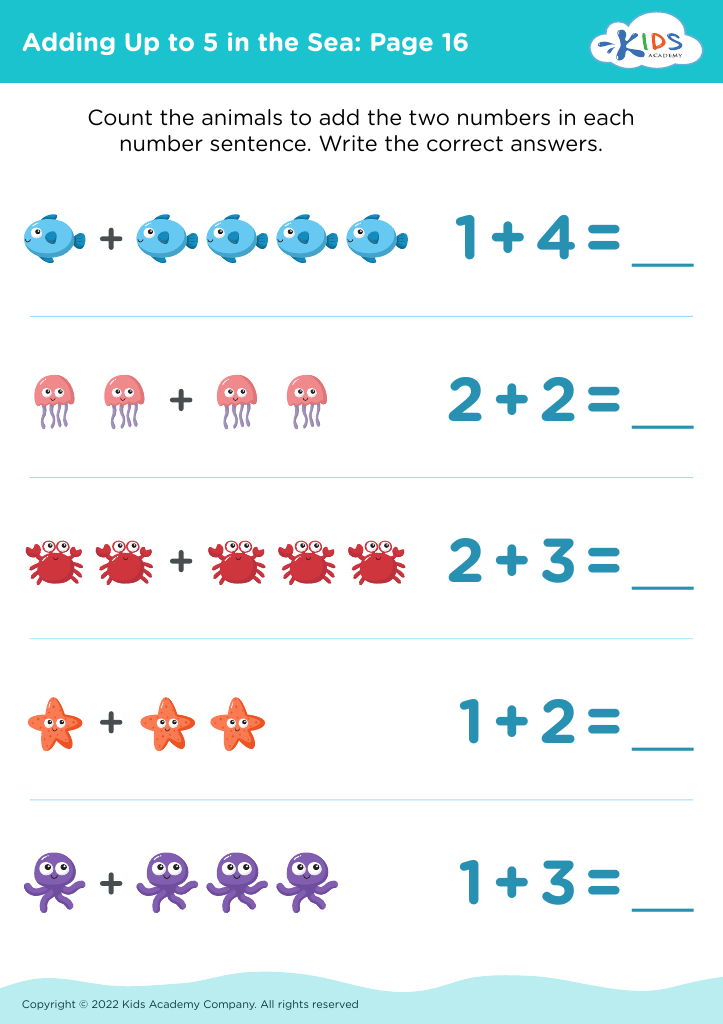
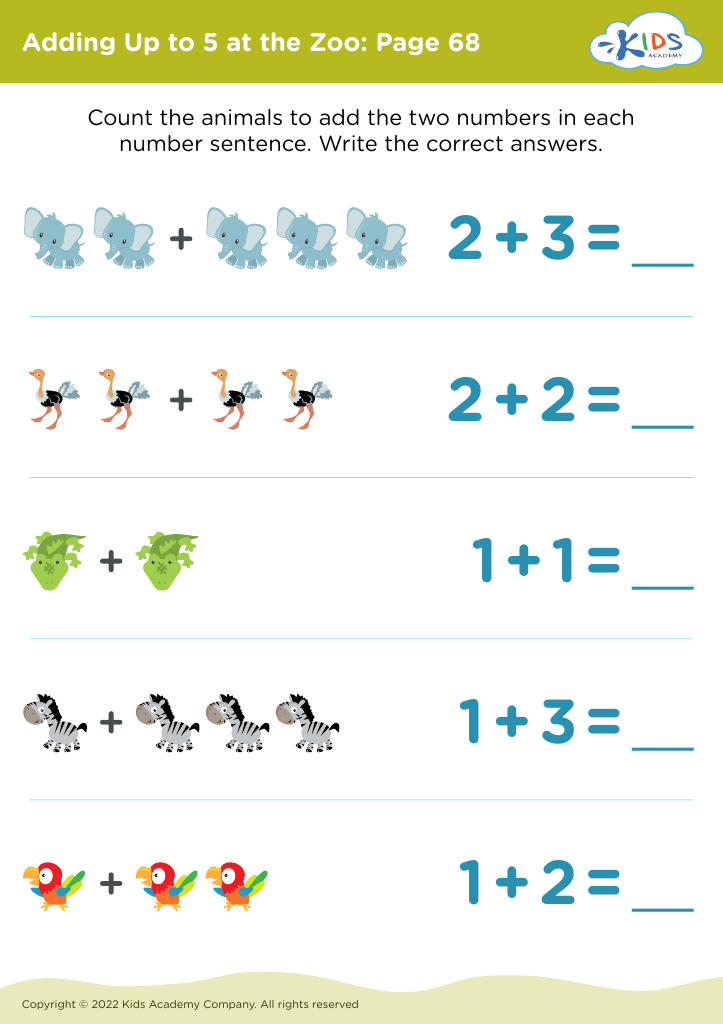
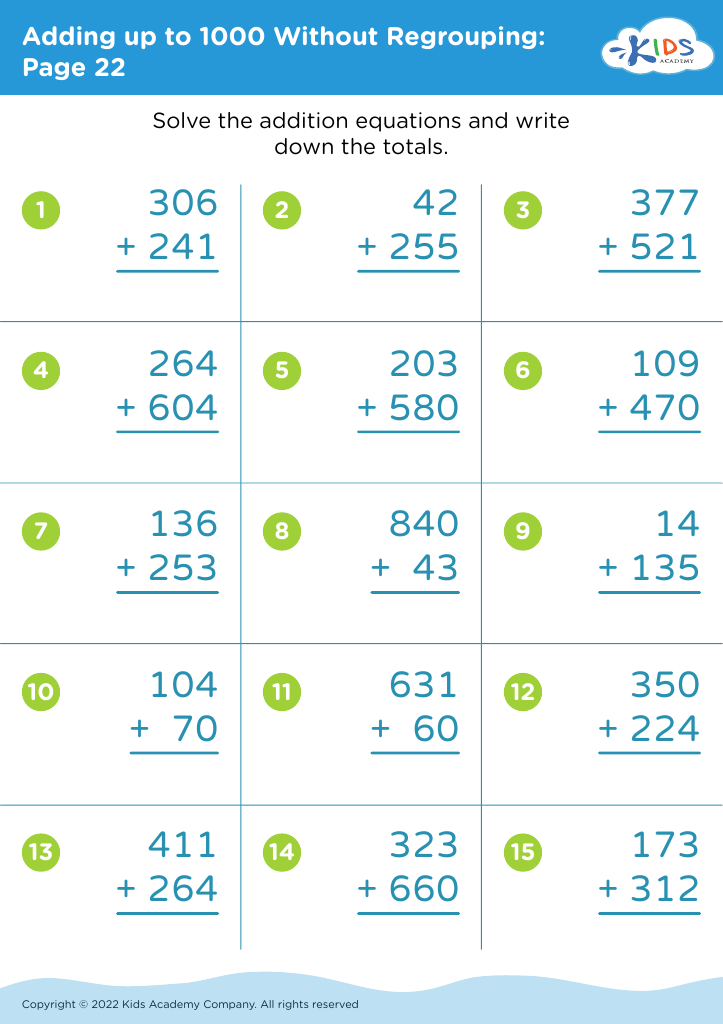
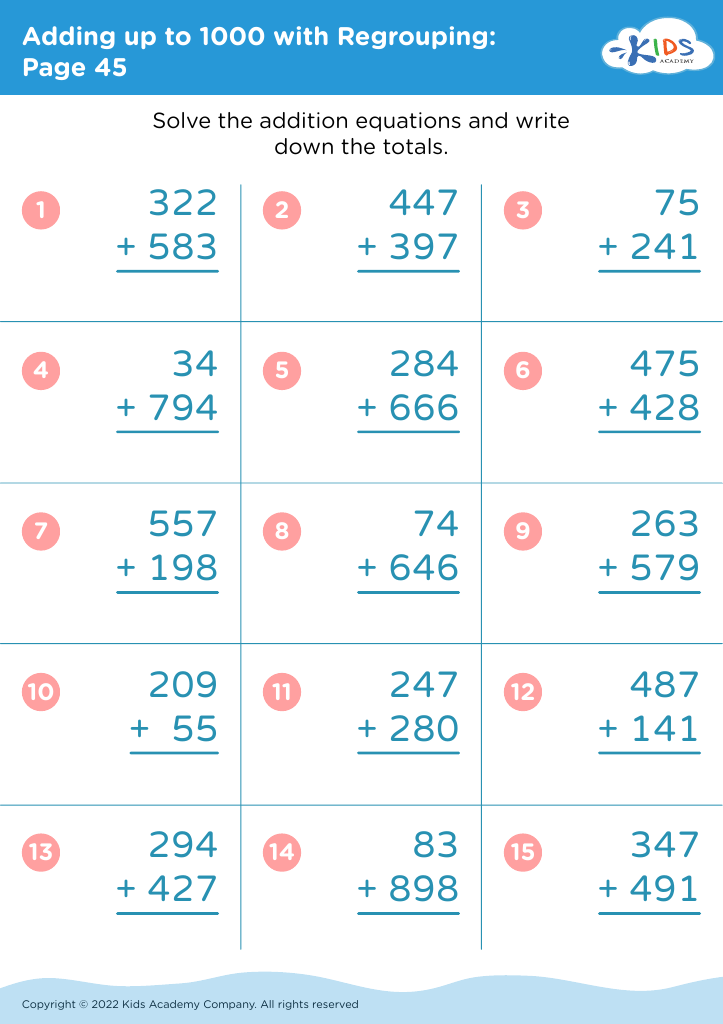
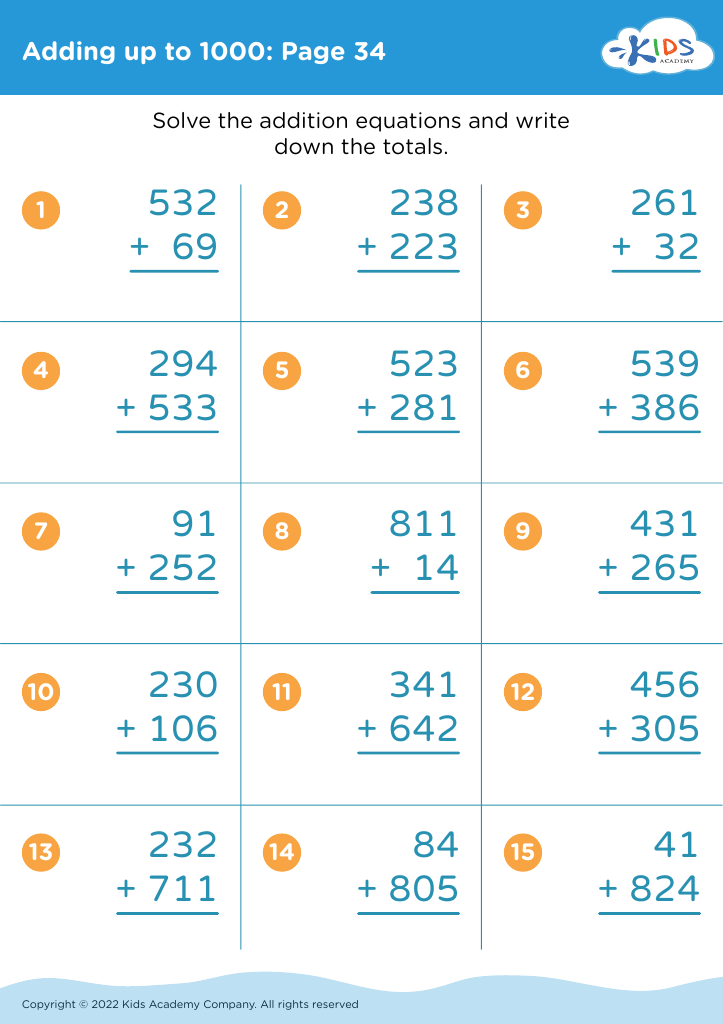
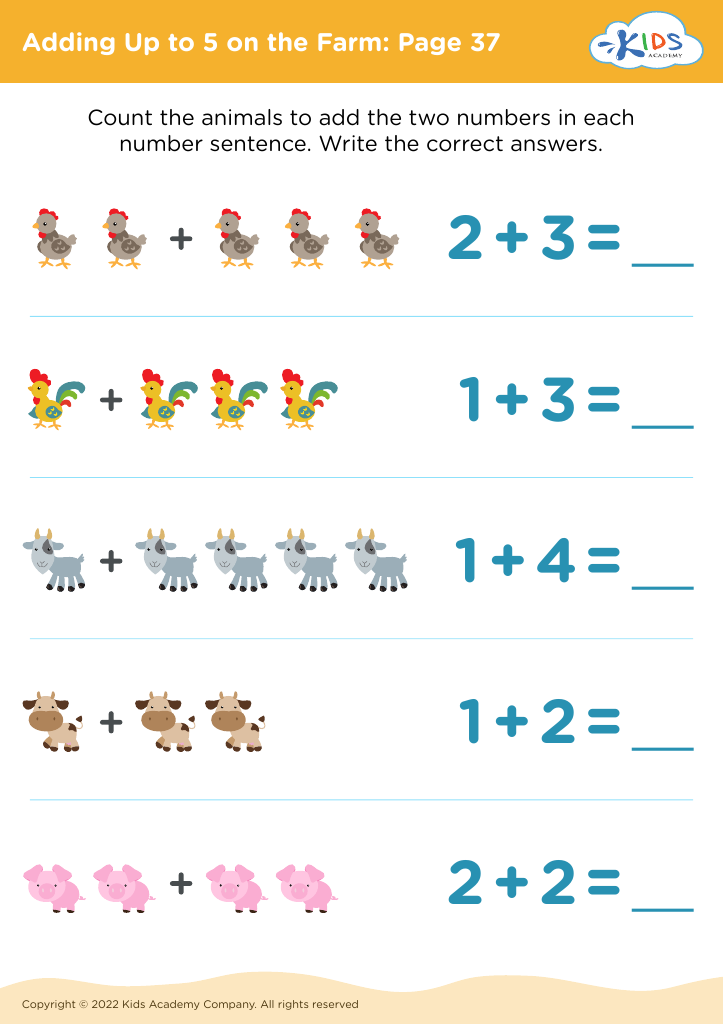
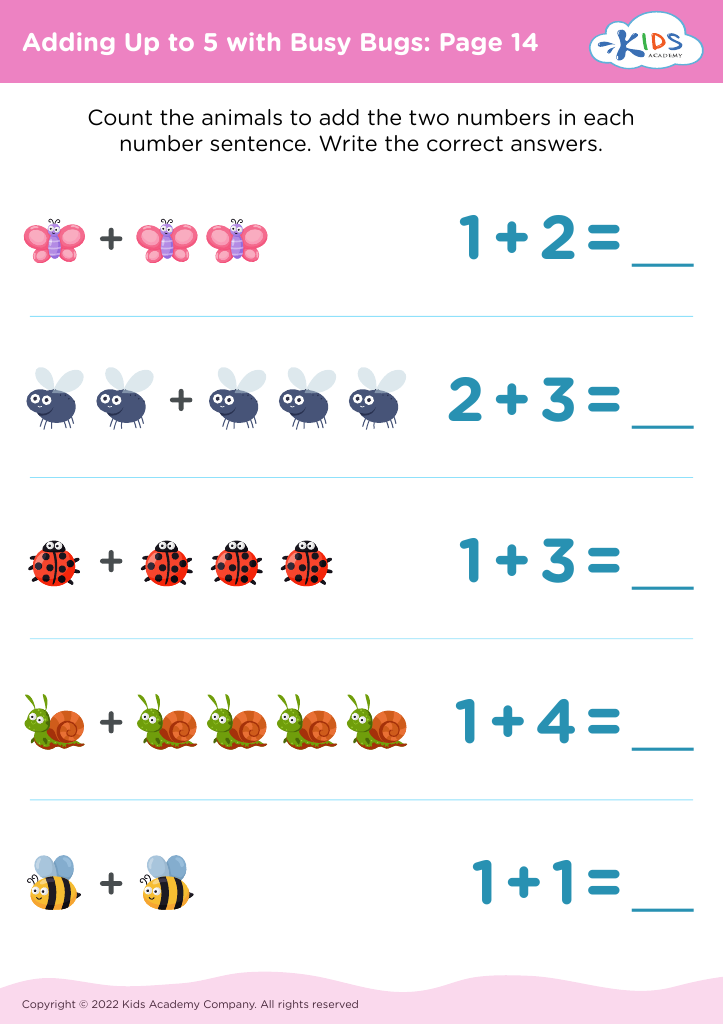
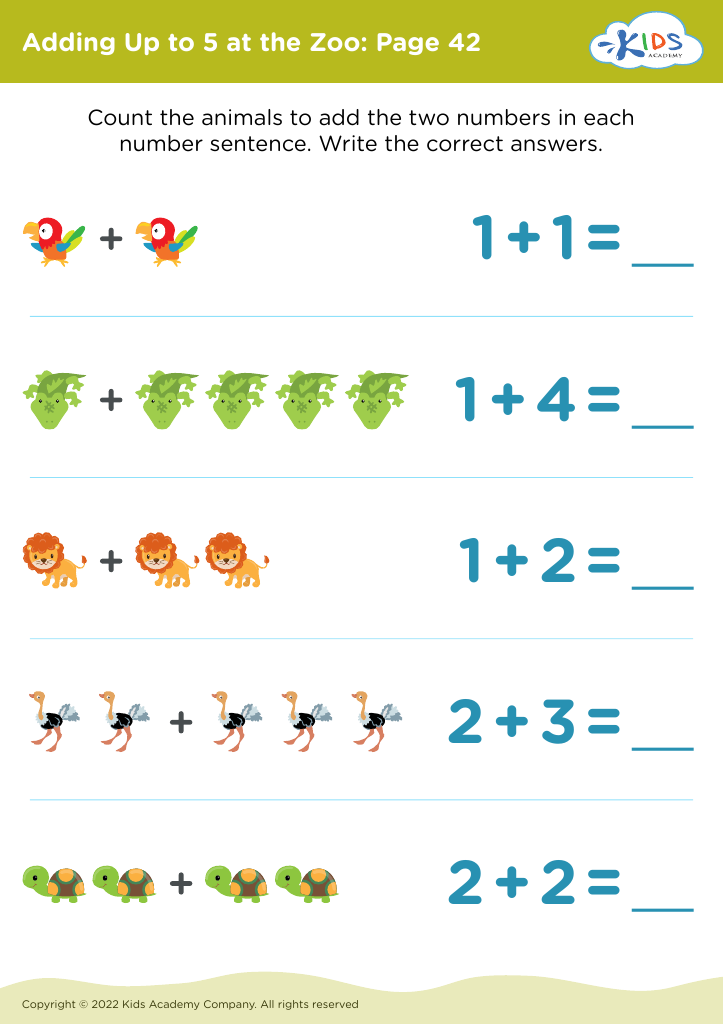
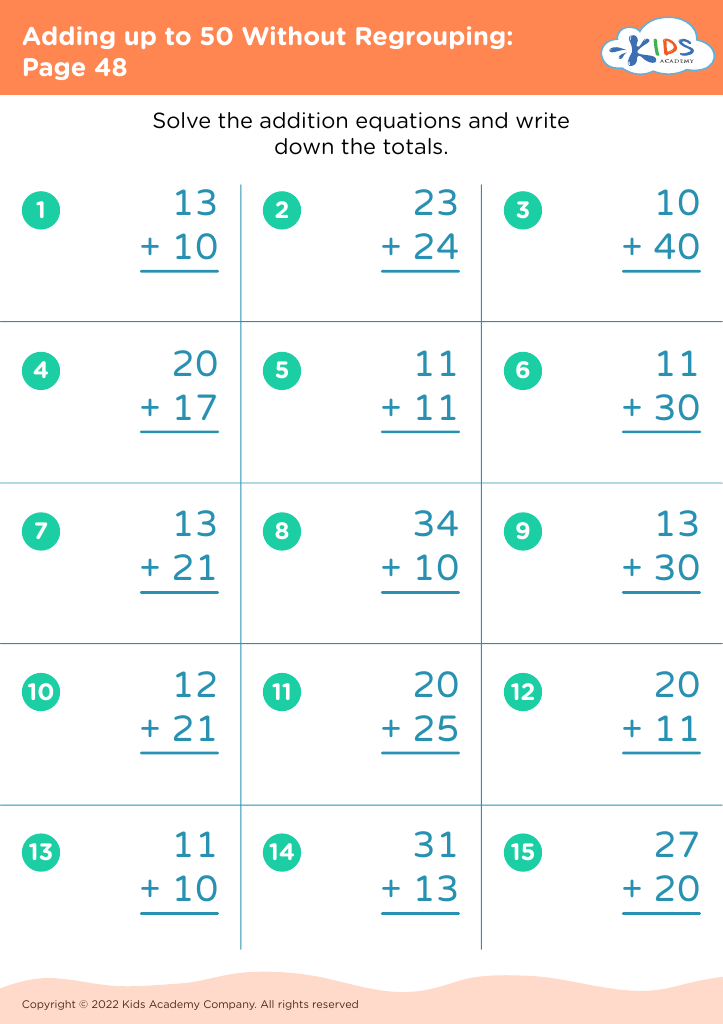
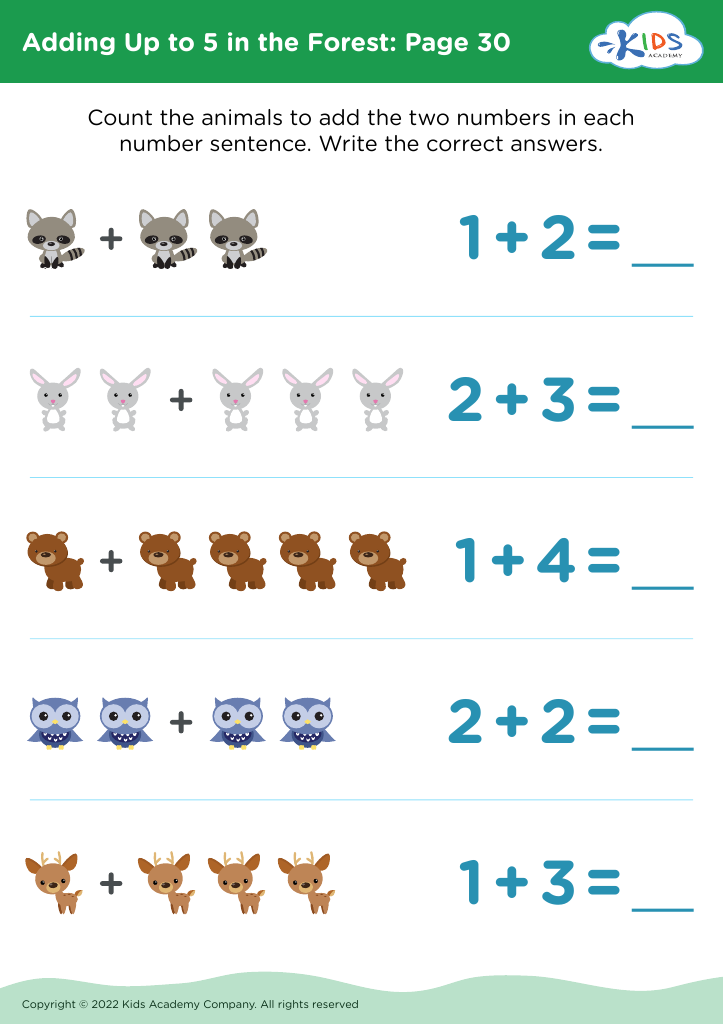
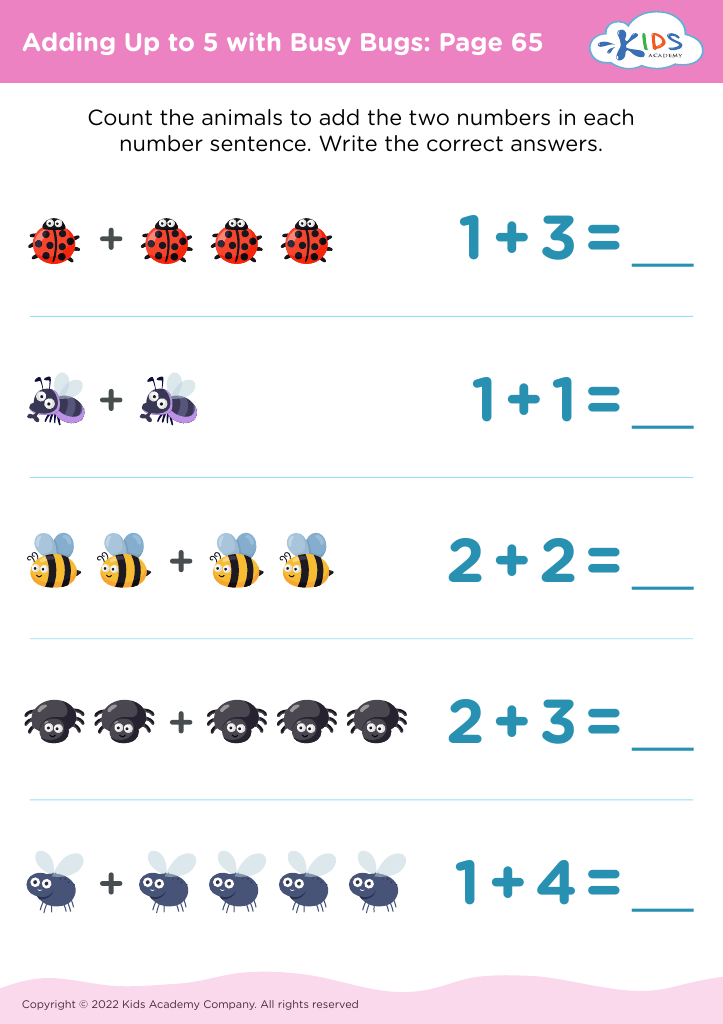








Fine motor skills, crucial for writing and manipulating objects, significantly impact a child's academic journey and overall development. For children aged 5-8, fine motor skills facilitate essential tasks such as holding a pencil, cutting with scissors, and using manipulatives for mathematics. These abilities form the backbone of effective writing and hands-on math activities, laying the foundation for literacy and numeracy skills.
When children develop strong fine motor skills in writing, they gain confidence in expressing their thoughts on paper. This influences their ability to form letters correctly, which is essential for spelling and vocabulary development. Fine motor practice also improves concentration and focus, enhancing overall cognitive skills.
Moreover, mastering basic addition and subtraction requires children to manipulate physical objects or use drawings, integrating motor skills with mathematical concepts. This connection reinforces learning through play and encourages problem-solving and critical thinking.
Teachers and parents play a vital role by providing ample opportunities for fine motor skill practice and creating enriching environments. Activities like crafts, puzzles, and simple math games can be enjoyable and engaging. Investing in fine motor skill development ultimately ensures a well-rounded educational experience, positioning children for success in future learning endeavors.








