
Practice multiplication Addition & Subtraction Worksheets for Ages 5-8
8 filtered results
Difficulty Level
Grade
Age
-
From - To
Subject
Activity
Standards
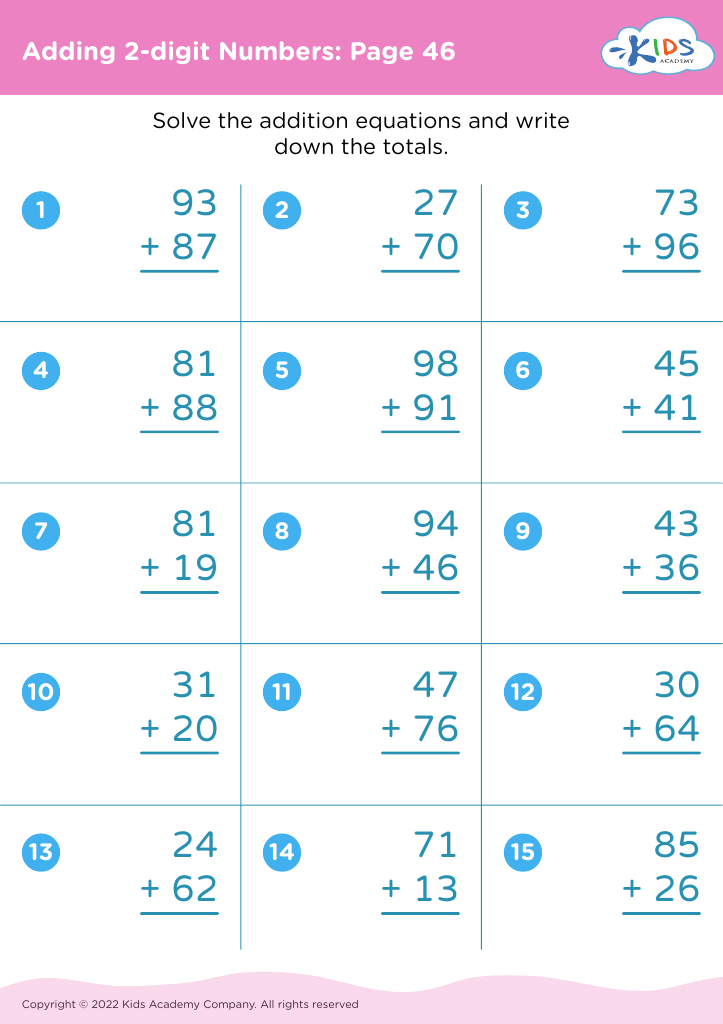
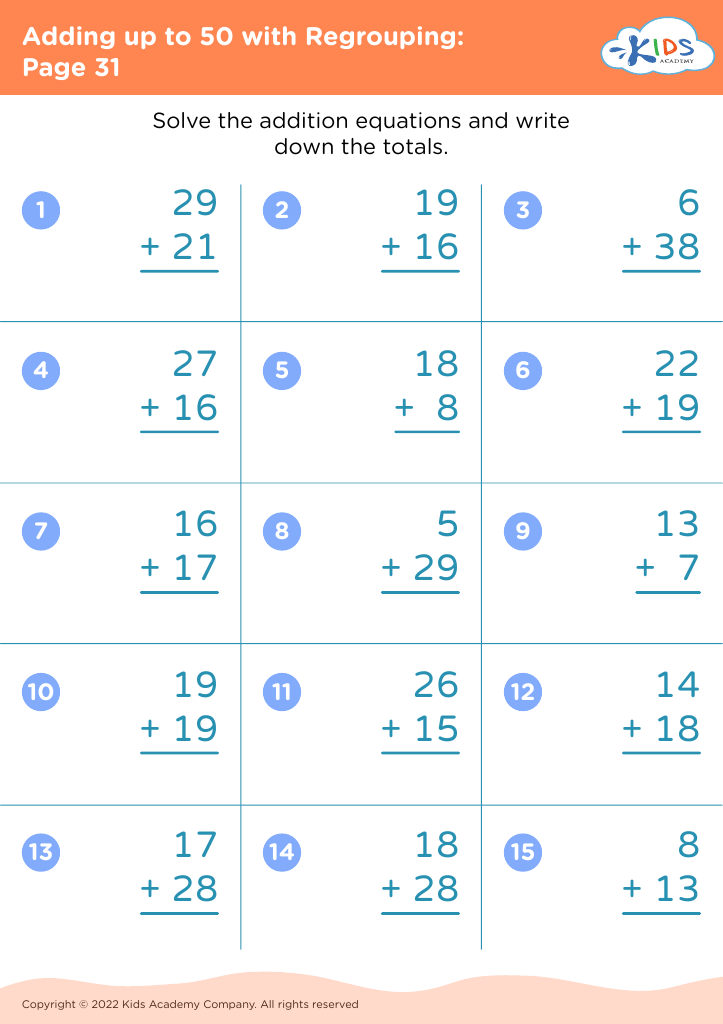
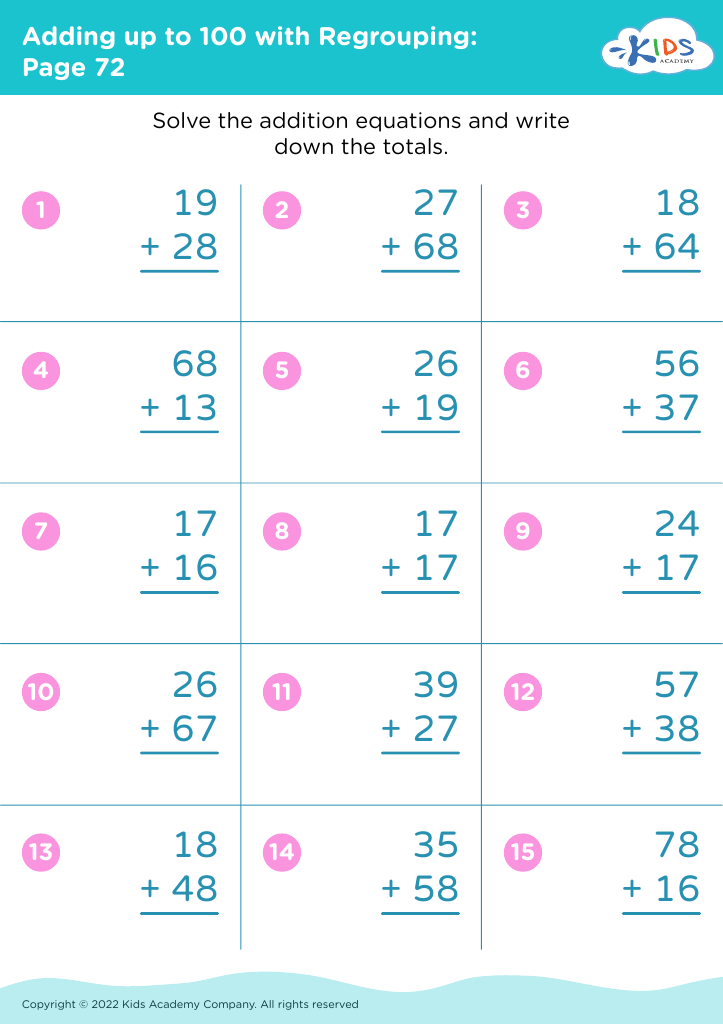
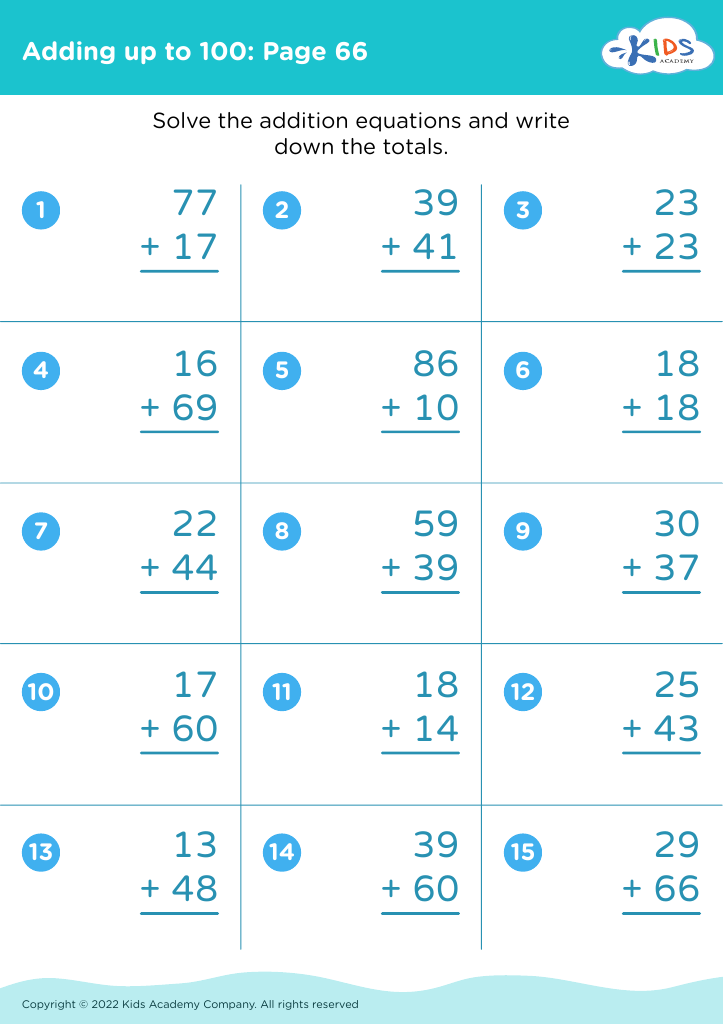
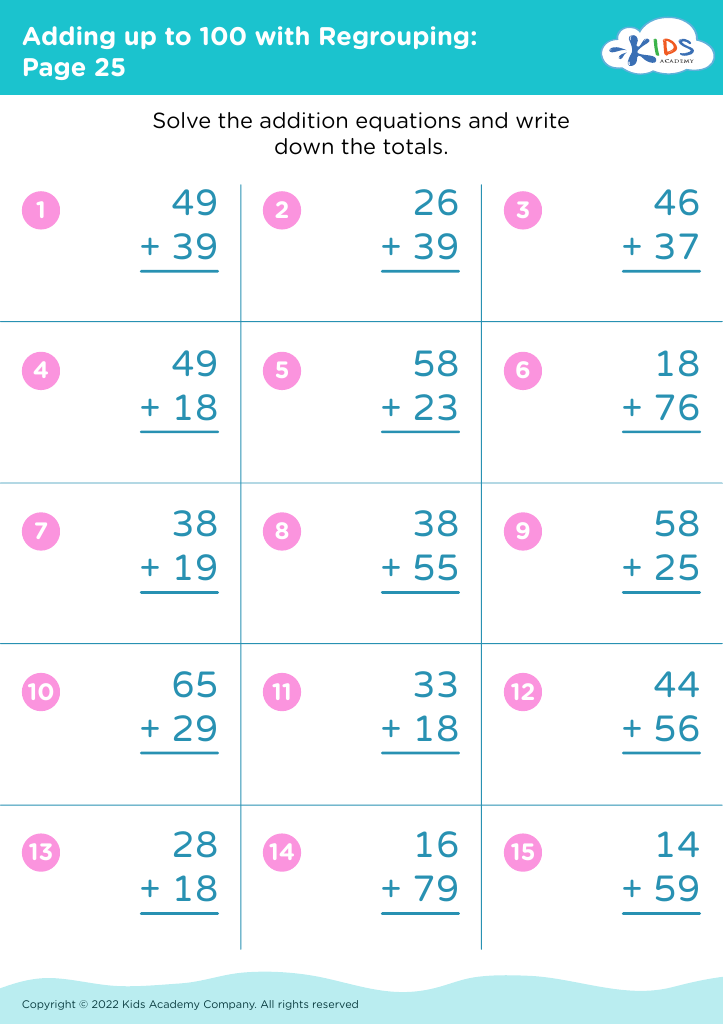
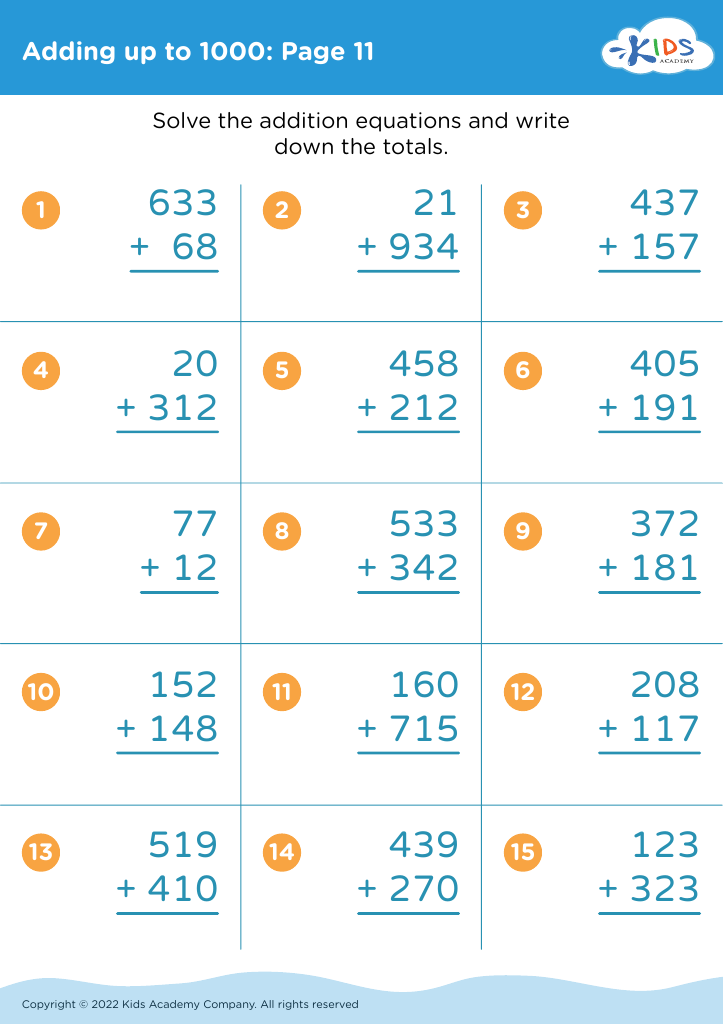
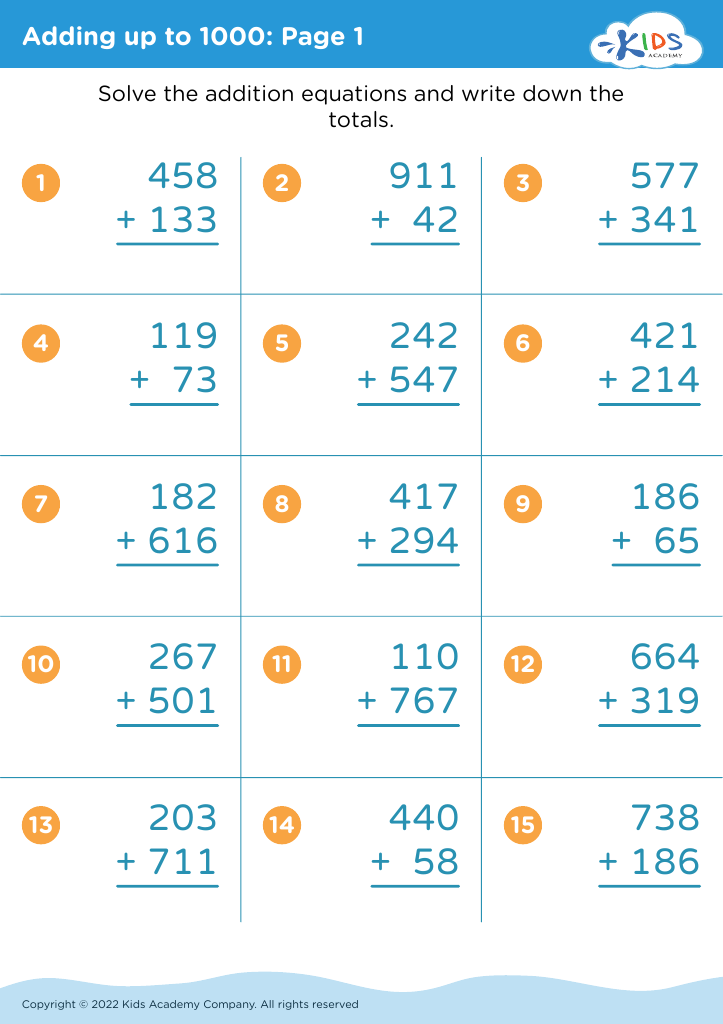
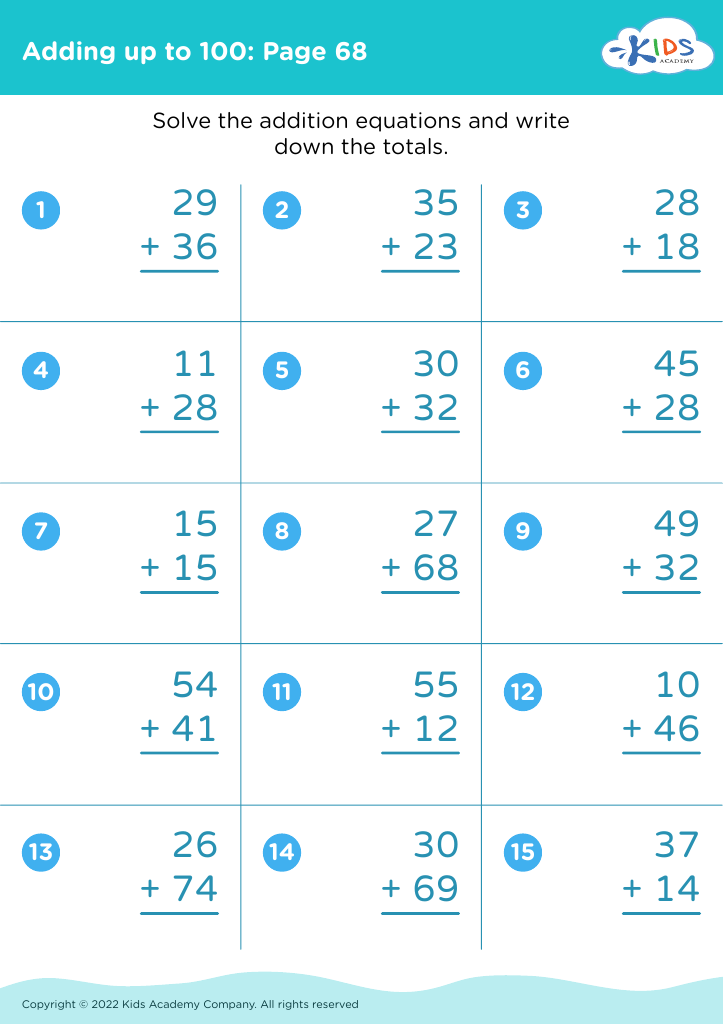
Enhance your child's math skills with our specially designed worksheets tailored for ages 5-8. Our engaging and interactive materials make practicing multiplication, addition, and subtraction fun and effective. Created by educational experts, these worksheets not only help children grasp basic concepts, but also build confidence in their math abilities. Perfect for both classroom use and home learning, our resources encourage continuous progress through games, puzzles, and colorful exercises. Give your child the tools they need to succeed and foster a love for math with our comprehensive practice worksheets. Visit now to start your child's learning journey!
Favorites
With answer key
Interactive
Join Kids Academy for Free
Who is primarily going to use this learning content?








Practical prowess in fundamental mathematics, such as multiplication, addition, and subtraction, is crucial for children aged 5-8, forming the backbone of their future academic and real-world success. This early phase, also called the formative years, is an optimal period to instill core numerical concepts that foster critical thinking, logical reasoning, and problem-solving abilities.
Parents and teachers play a pivotal role in fostering a love for math through engaging, hands-on activities. Regular practice in basic operations ensures young learners develop fluency and confidence in their math skills, preventing future anxiety or aversion towards the subject. Mastery of addition and subtraction underpins their understanding of more complex concepts like carrying numbers and borrowing, while multiplication introduces patterns and quantitative relationships vital for higher-level mathematics.
Moreover, competence in arithmetic early on boosts children's self-esteem, contributing to a positive attitude towards learning. Consistent support from educators and parents paves the way for academic flexibility, allowing them to tackle multidisciplinary problems with ease. In today's data-driven world, these foundational skills are indispensable, making early practice vital for nurturing proficient, confident, and curious problem solvers. Ultimately, such dedication sets children on a path of lifelong learning and personal growth.








