Telling time Addition & Subtraction Worksheets for Ages 5-8
3 filtered results
-
From - To
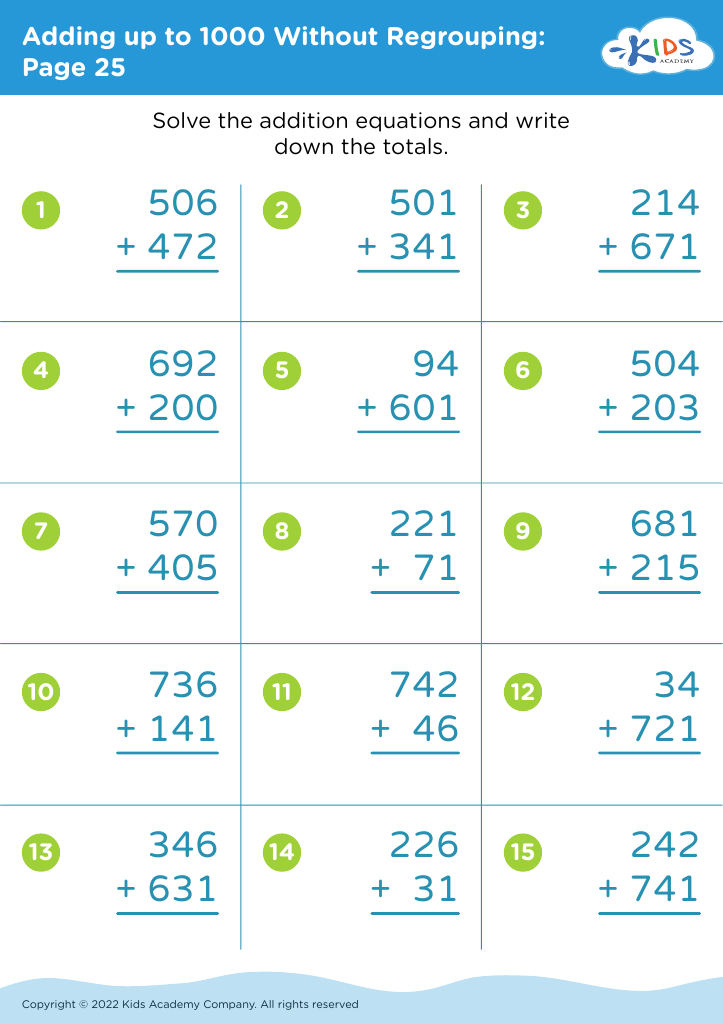
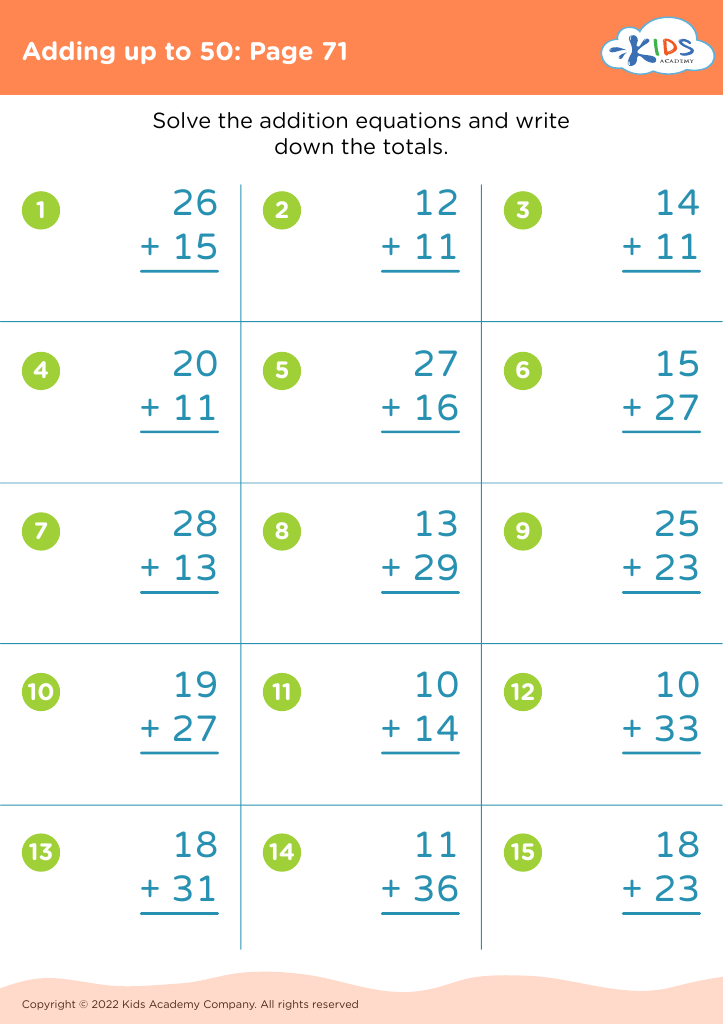
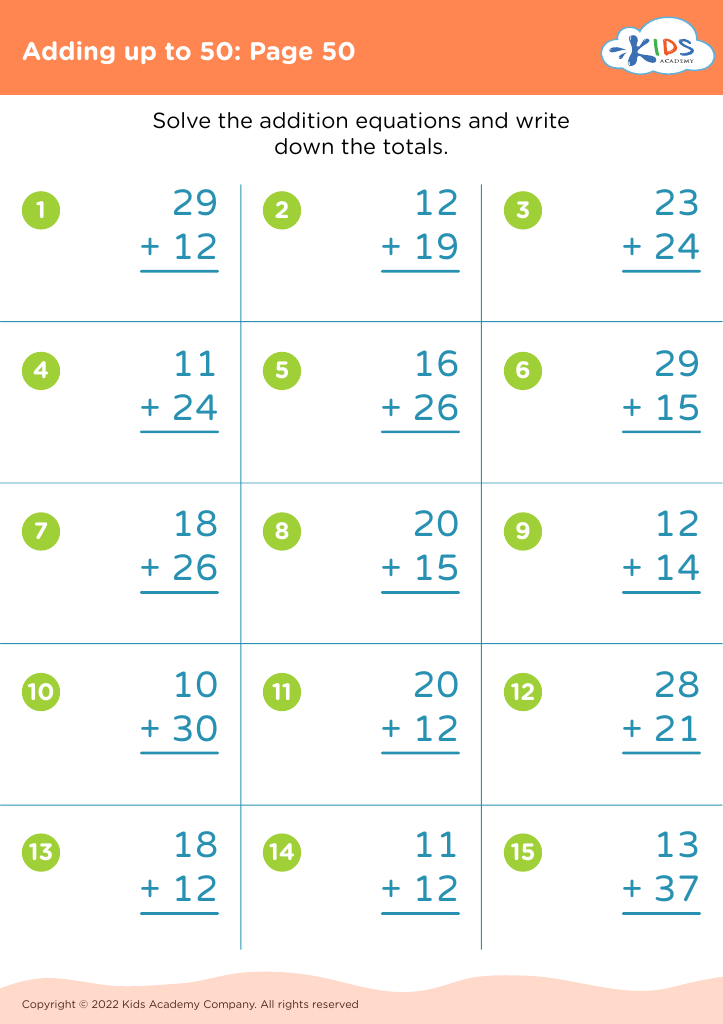
Enhance your child's math skills with our "Telling Time Addition & Subtraction Worksheets" designed specifically for ages 5-8. These engaging and interactive worksheets will help little learners master telling time while practicing their addition and subtraction skills. From clock recognition to simple time-based problems, our resources provide a fun way to build foundational math abilities. Children will love exploring various worksheets that offer colorful visuals and relatable scenarios. Perfect for classroom activities or home learning, our worksheets ensure that your child develops confidence in both math and time-telling. Download now and watch your little one thrive in their learning journey!








Telling time, along with basic addition and subtraction, is a fundamental skill for children aged 5-8 that lays the foundation for their mathematical and cognitive development. Understanding how to tell time teaches children to recognize patterns, sequences, and the concept of intervals. These skills are vital as they help children develop critical thinking and problem-solving abilities, which are essential for their future academic success.
Additionally, incorporating addition and subtraction into concepts of time enhances children's number sense and arithmetic proficiency. For example, calculating how many minutes are left until an event or adding hours to determine how long a task will take are practical applications they can easily relate to. This real-world association makes learning more engaging and relevant.
Moreover, mastery of these skills fosters independence and responsibility. Children learn to budget their time effectively, manage their daily activities, and understand schedules. For parents and teachers, supporting children in these areas not only builds their confidence but also empowers them with life skills that are crucial as they grow. Ultimately, emphasizing telling time, addition, and subtraction ensures that children become well-rounded individuals prepared to face future academic and personal challenges.








