Understanding numerical values Addition & Subtraction Worksheets for Ages 5-8
4 filtered results
-
From - To
Enhance your child's math skills with our "Understanding Numerical Values: Addition & Subtraction Worksheets" designed for ages 5-8. These engaging worksheets help young learners grasp the concepts of numerical values while practicing essential addition and subtraction techniques. With colorful illustrations and age-appropriate exercises, children will develop a strong foundation in math as they explore numbers and their relationships. Our carefully crafted activities promote critical thinking and problem-solving abilities, making learning fun and effective. Ideal for both classroom and home use, these worksheets encourage independent learning and boost confidence in young mathematicians. Start your child's math journey today!
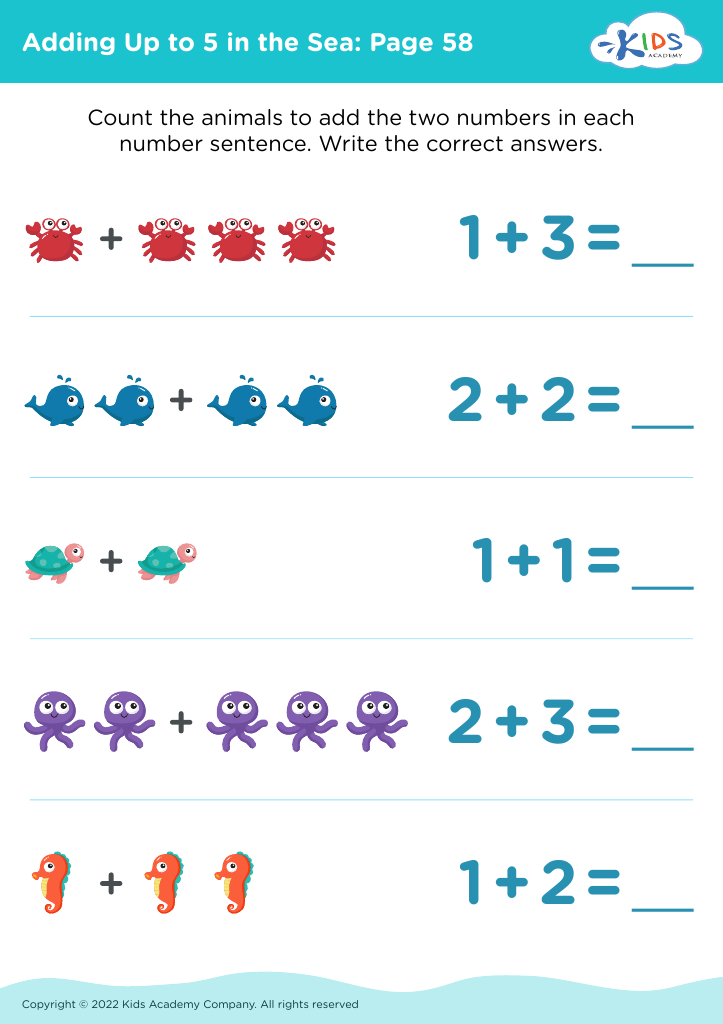
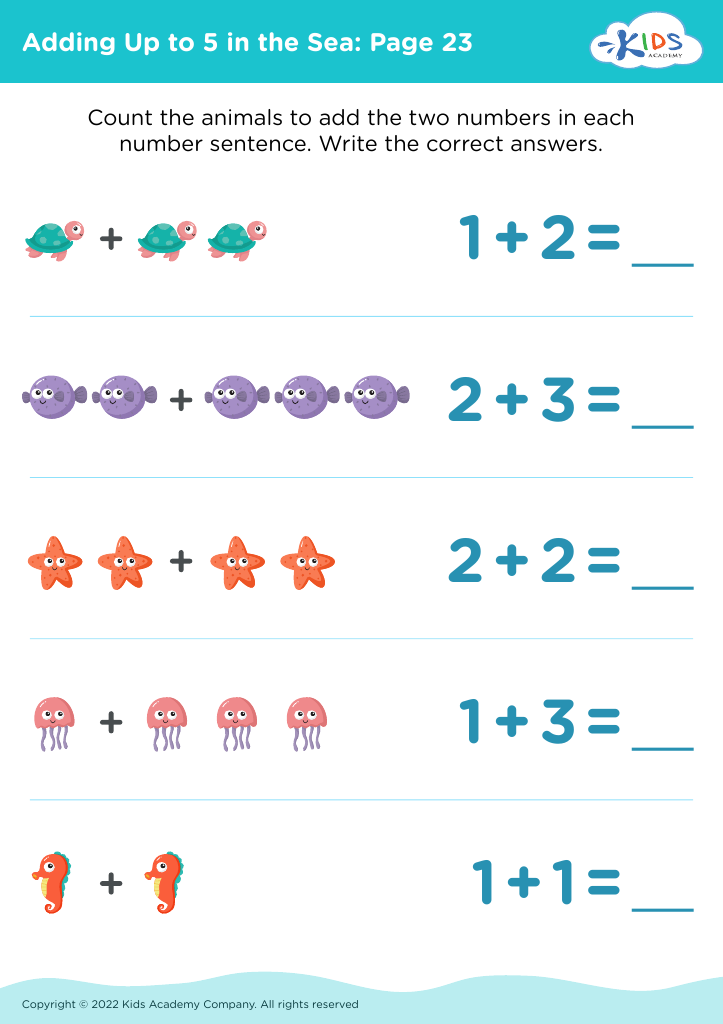
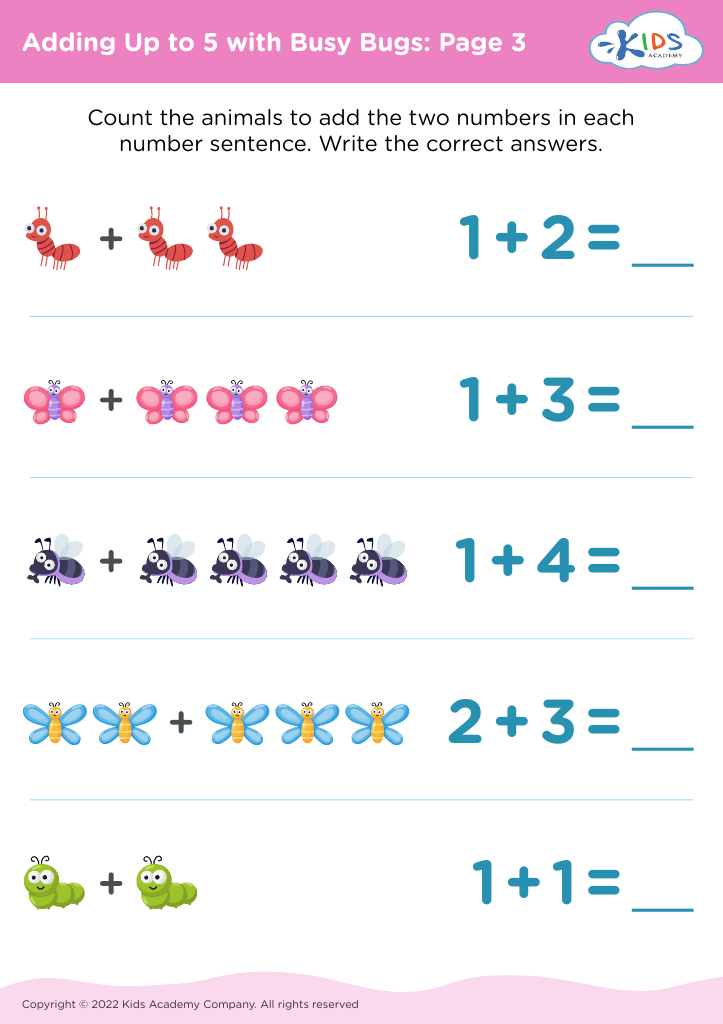
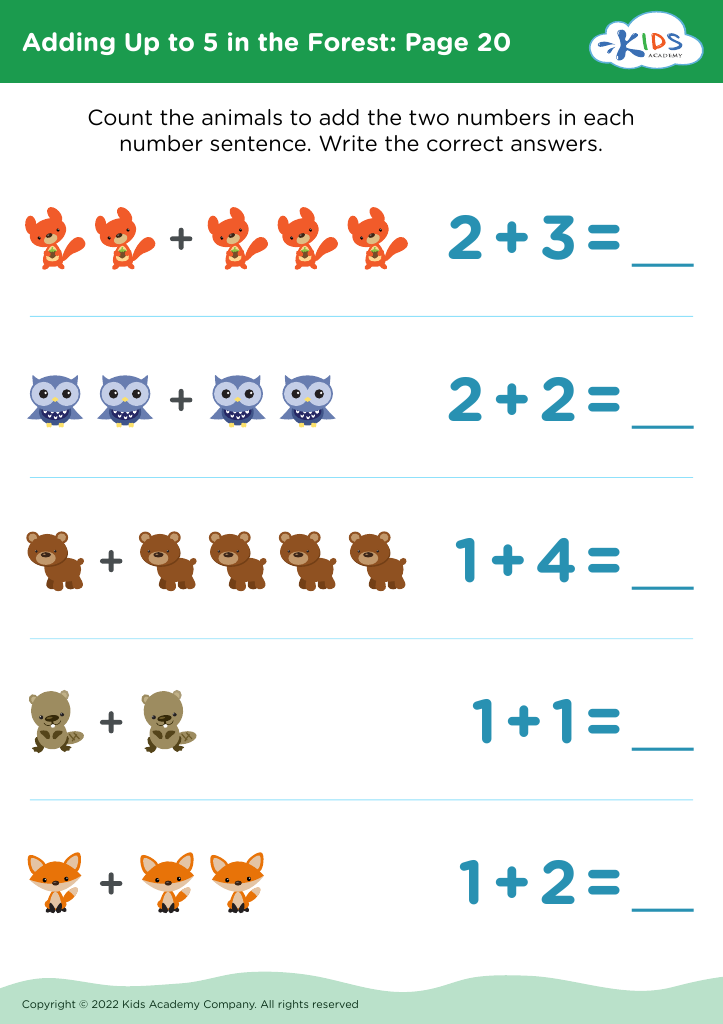








Understanding numerical values, along with addition and subtraction, is foundational for children aged 5-8 as it lays the groundwork for all future math learning. Parents and teachers should care about this critical phase because early math skills predicted later academic success and cognitive development. Mastering these concepts enhances children's confidence in problem-solving, nurturing a positive attitude towards math that can last a lifetime.
Furthermore, being proficient in addition and subtraction is essential for everyday life skills. From managing simple finances to understanding time, these skills empower children to navigate their world more effectively. It also fosters analytical thinking, as children learn to approach problems logically and strategize solutions.
Additionally, engaging in activities that promote numerical understanding can strengthen parent-child or teacher-student relationships, as they can explore math together in a fun and supportive environment. This collaborative aspect not only boosts educational outcomes but also enhances social skills and emotional development.
Overall, prioritizing the understanding of numerical values and operations will provide children with the tools they need to succeed, not only in math but in all areas of life.








