Drawing skills Addition Worksheets for Ages 5-8
6 filtered results
-
From - To
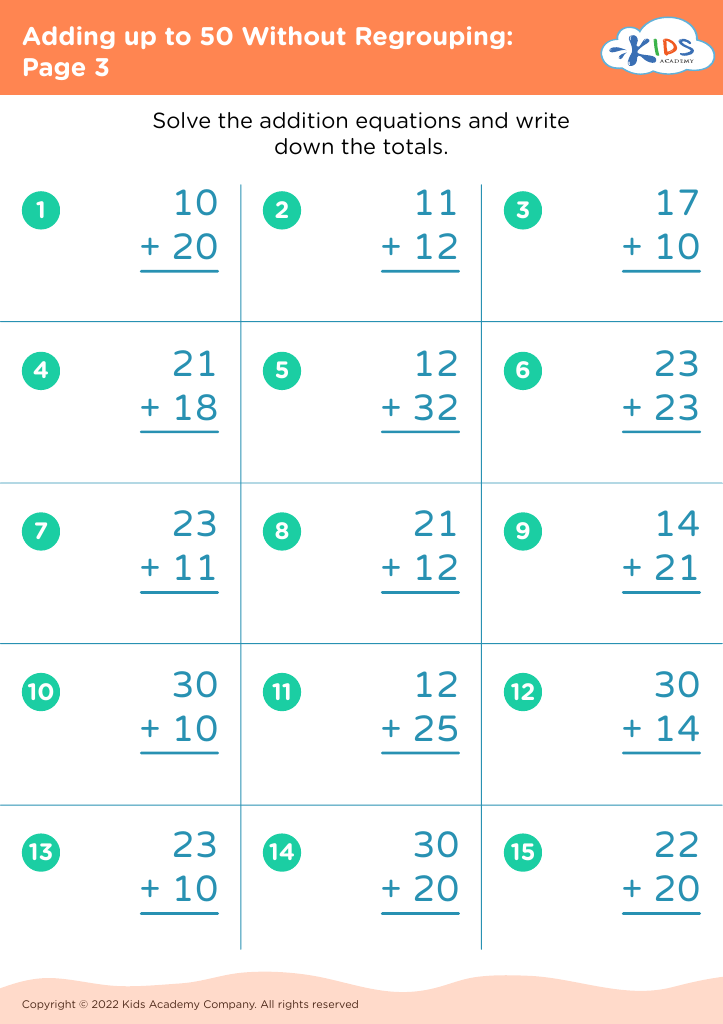
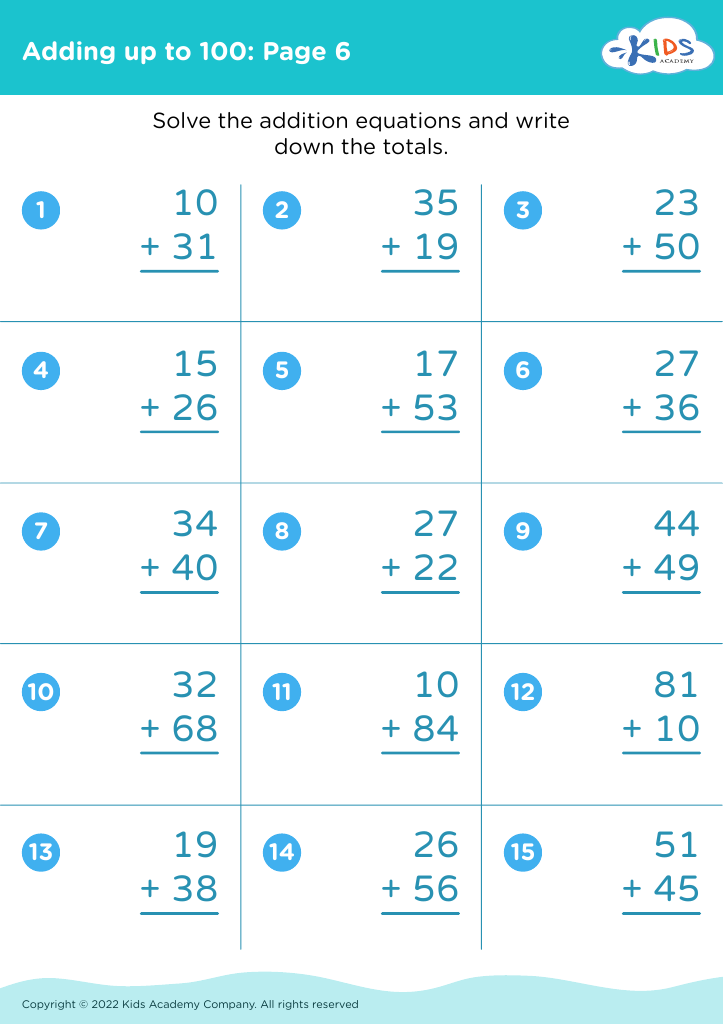
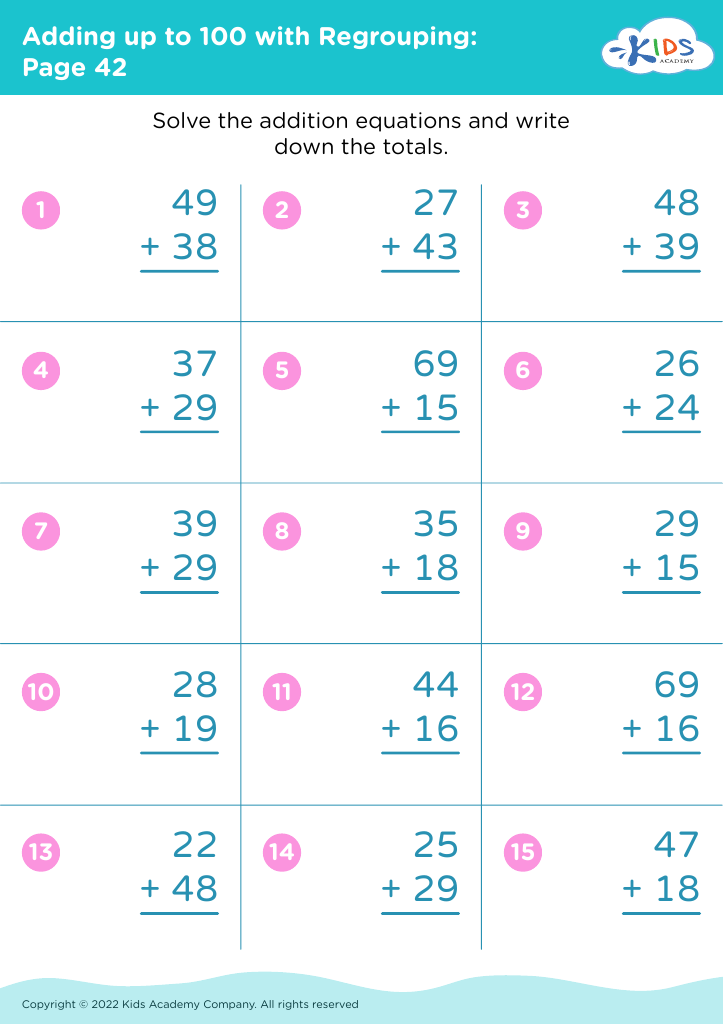
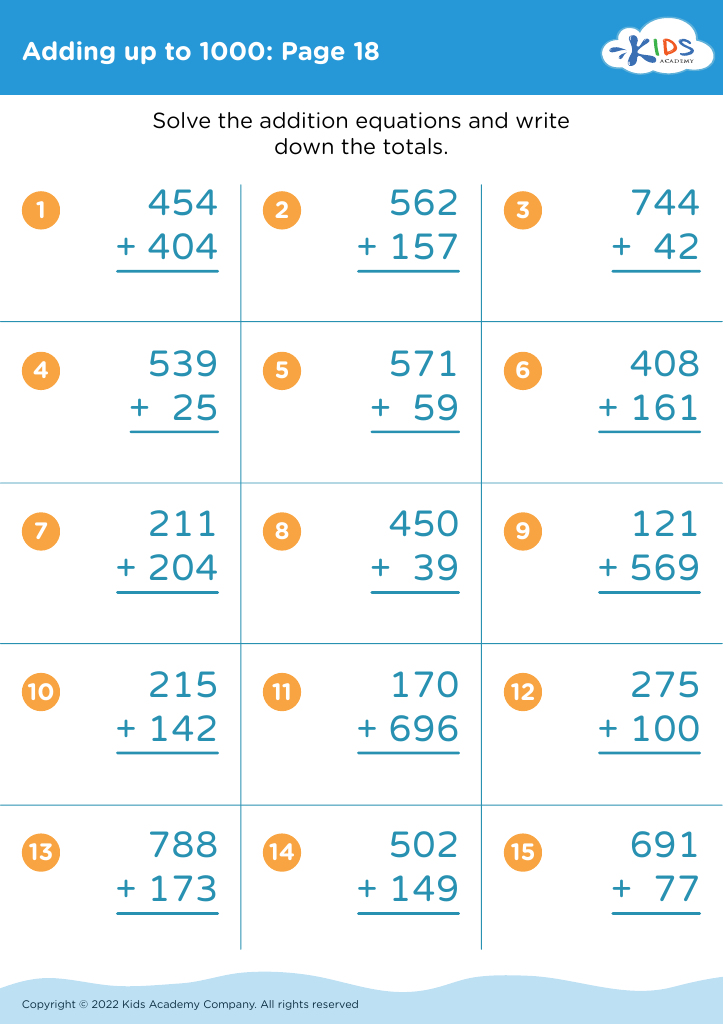
Boost your child's math and creativity with our "Drawing Skills Addition Worksheets" designed specifically for ages 5-8! These engaging worksheets combine the fundamentals of addition with fun drawing activities that make learning enjoyable. As children solve addition problems, they are encouraged to illustrate their answers through colorful drawings, enhancing both their math skills and artistic expression. Ideal for home or classroom use, these worksheets foster critical thinking and imaginative play, making math learning interactive and effective. Help your child develop their mathematical abilities and fine motor skills today with our delightful and educational worksheets!








Drawing skills are a vital aspect of a child's development, particularly for ages 5-8, when foundational abilities are being established. Parents and teachers should care about enhancing these skills because drawing is not only a form of creative expression but also a vital tool for cognitive, emotional, and social growth.
Firstly, drawing stimulates fine motor skills, encouraging hand-eye coordination and control, which are essential for writing and other tasks. As children create, they learn to plan, explore their thoughts, and develop spatial awareness. Furthermore, engaging in drawing activities promotes critical thinking and problem-solving, as kids conceptualize and execute their ideas.
Additionally, drawing serves as a medium for communication; children express feelings, ideas, and narratives that they might not yet have the verbal skills to articulate. This form of expression contributes to emotional intelligence, allowing children to process their emotions and experiences.
Socially, drawing encourages collaboration when kids work together on projects, fostering teamwork and social skills. Ultimately, by nurturing drawing skills during these formative years, parents and teachers facilitate comprehensive development that supports learning in all areas, including literacy, numeracy, and confidence in self-expression.








