Filters

158 filtered results

Clear all filters
Favorites
With answer key
Interactive

158 filtered results

Difficulty Level

Grade


Check out this FREE Trial Lesson on Addition for age 5-8!

Short and Long Vowel Sort

Favorites
With answer key
Interactive
  • 5-8
  • Understanding fractions
  • Addition
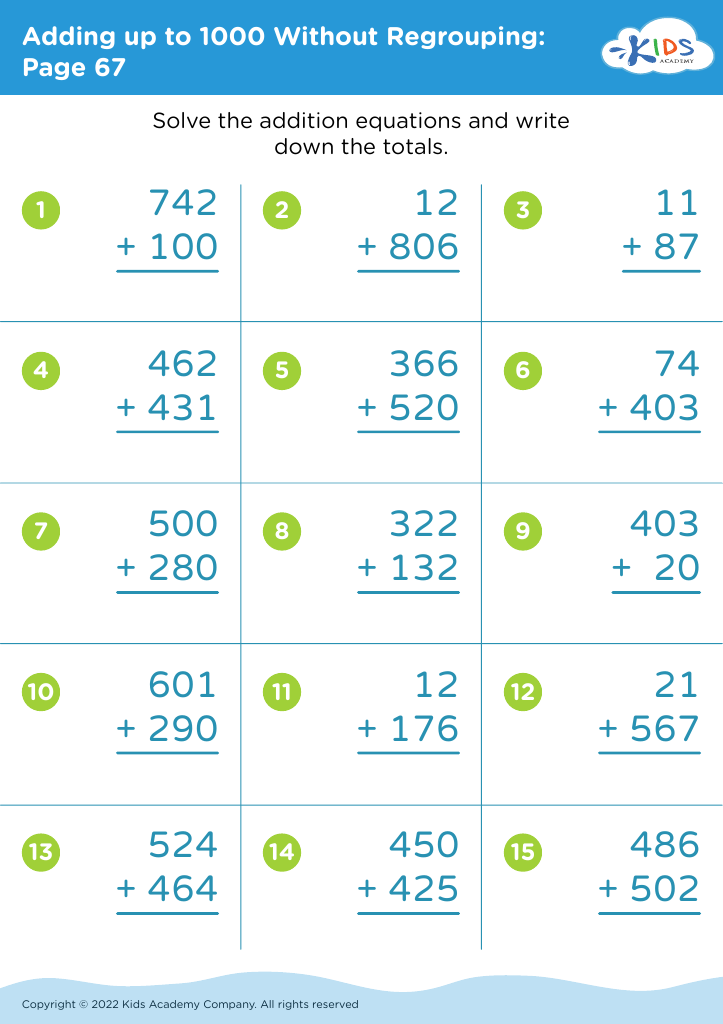
Adding up to 1000 Without Regrouping: Page 67
Worksheet
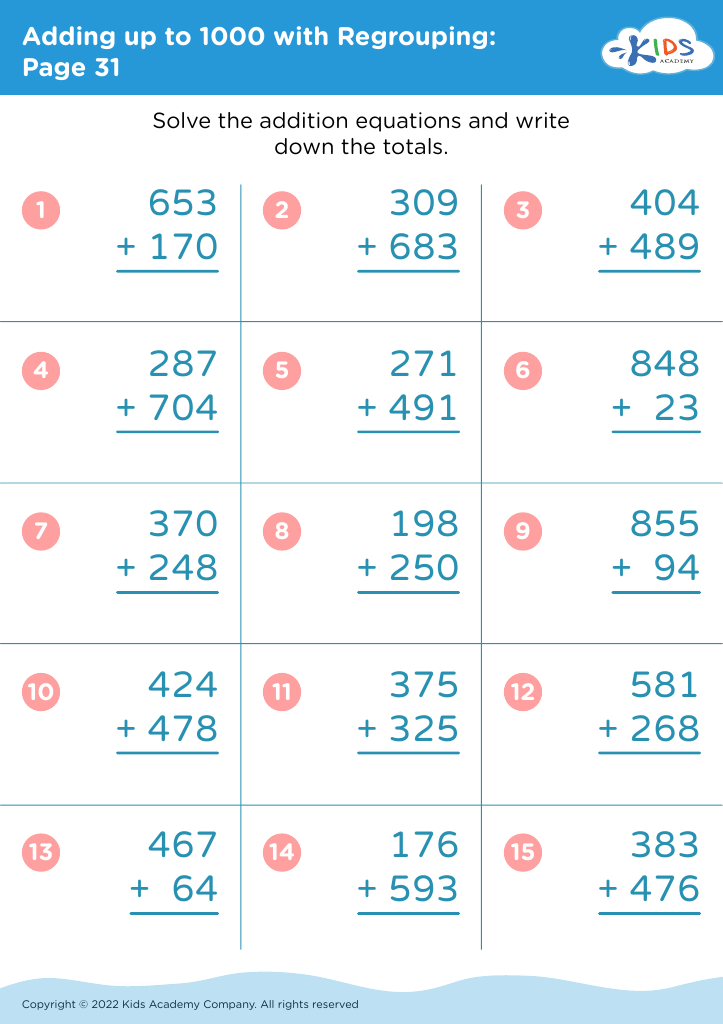
Adding up to 1000 with Regrouping: Page 31
Worksheet
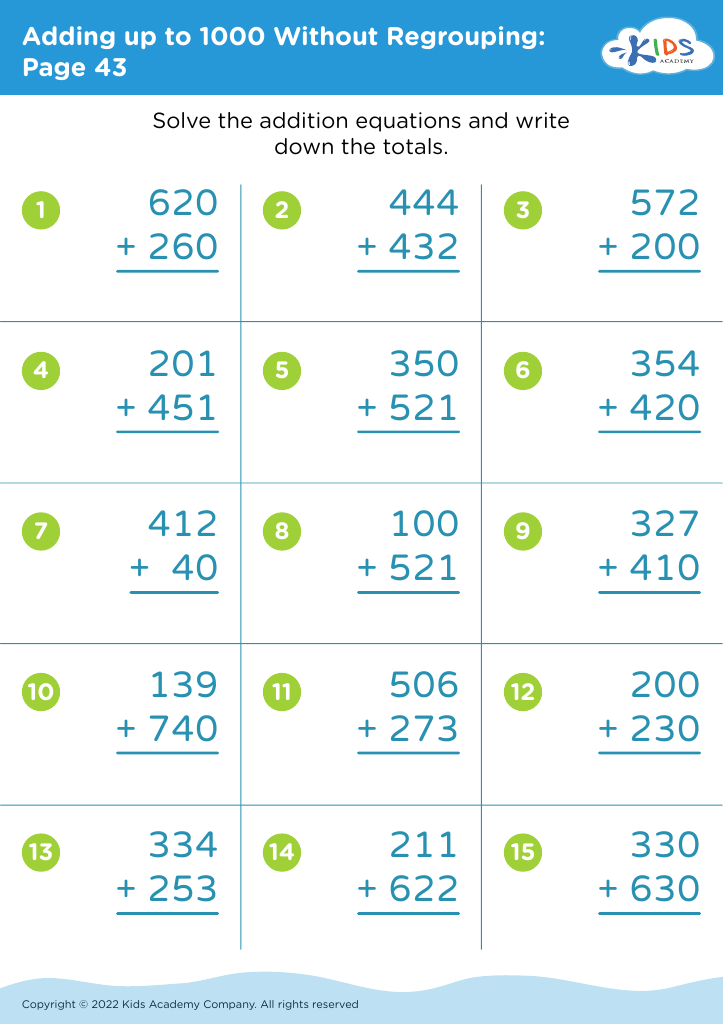
Adding up to 1000 Without Regrouping: Page 43
Worksheet
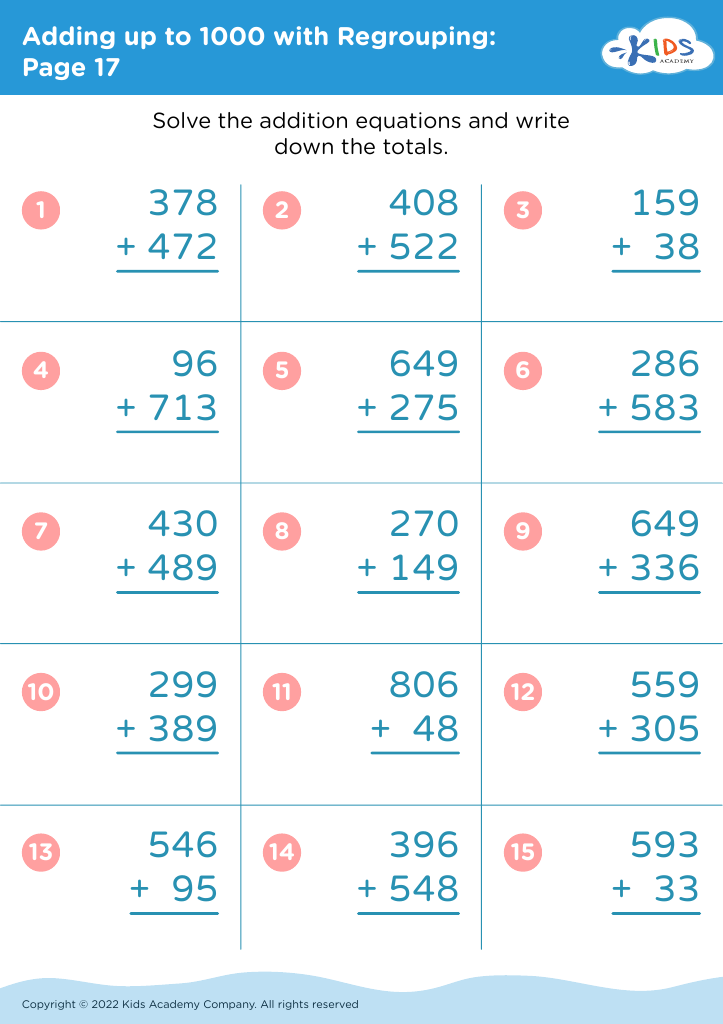
Adding up to 1000 with Regrouping: Page 17
Worksheet
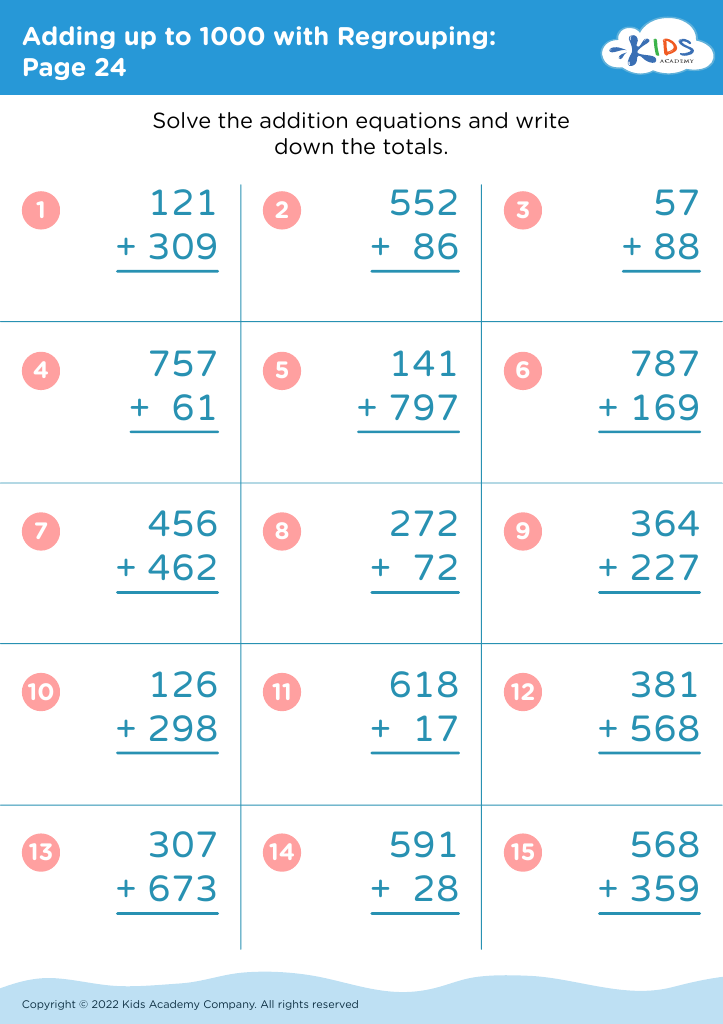
Adding up to 1000 with Regrouping: Page 24
Worksheet
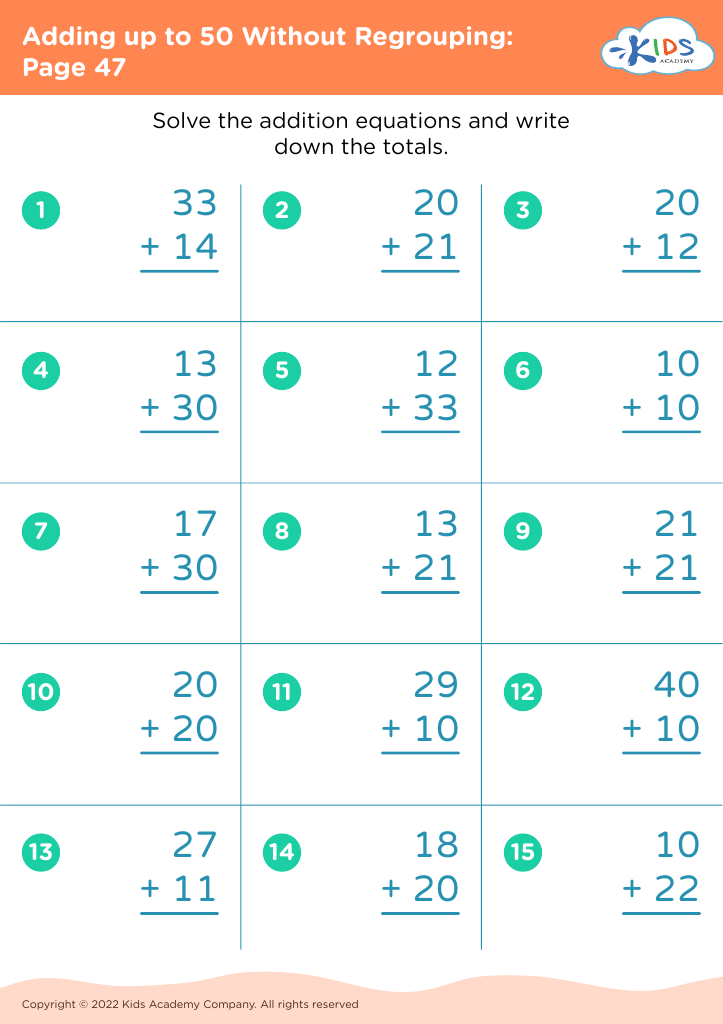
Adding up to 50 Without Regrouping: Page 47
Worksheet
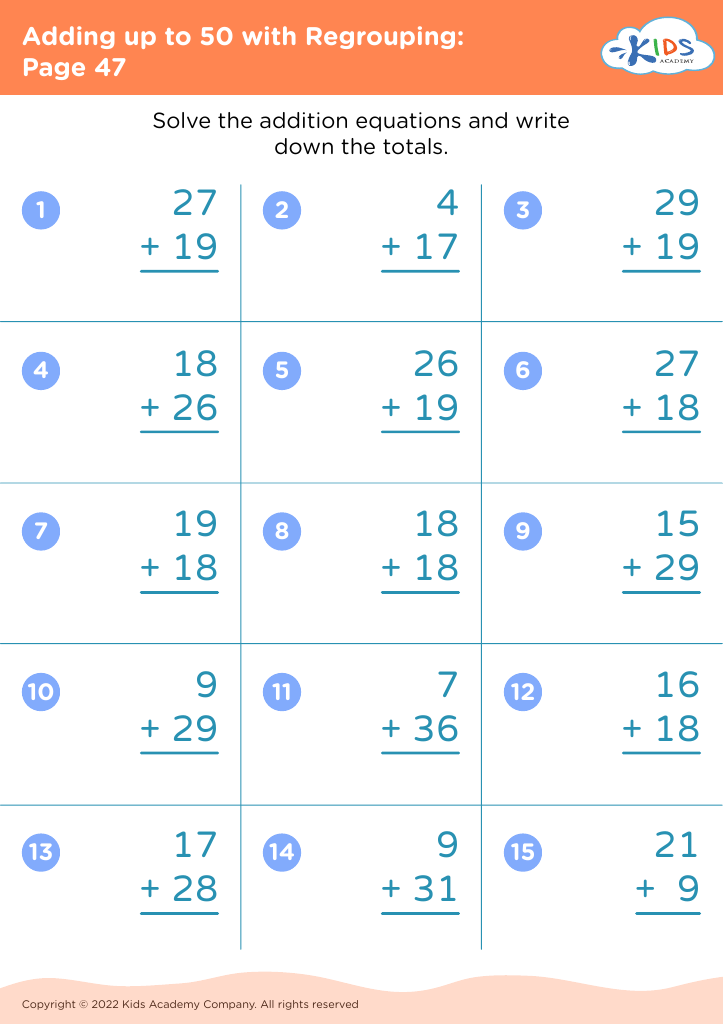
Adding up to 50 with Regrouping: Page 47
Worksheet
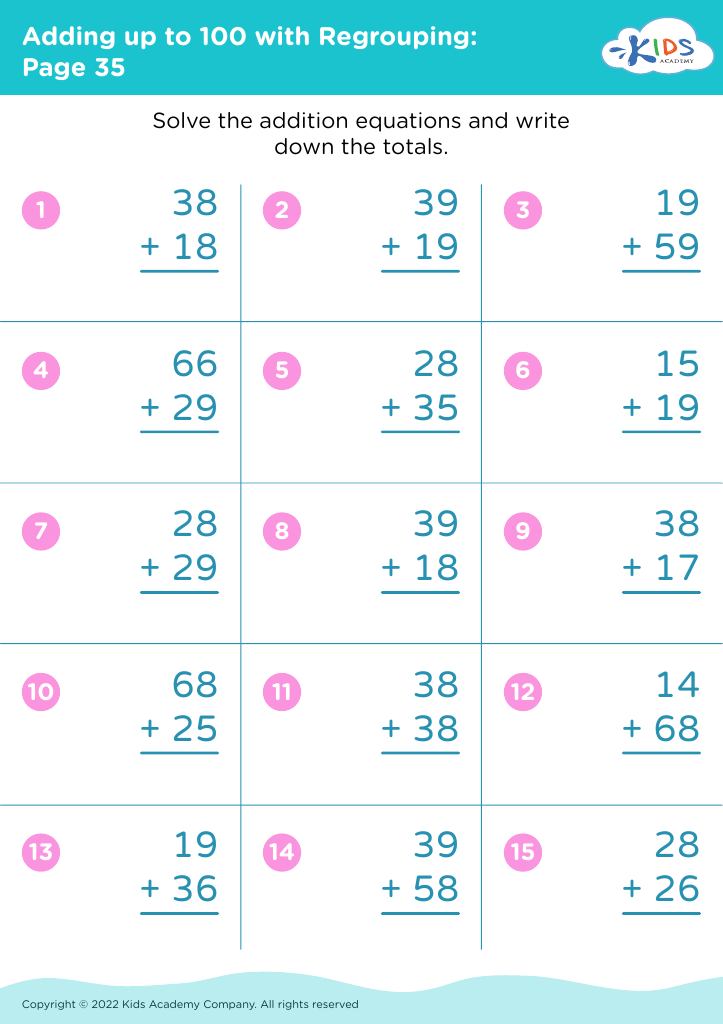
Adding up to 100 with Regrouping: Page 35
Worksheet
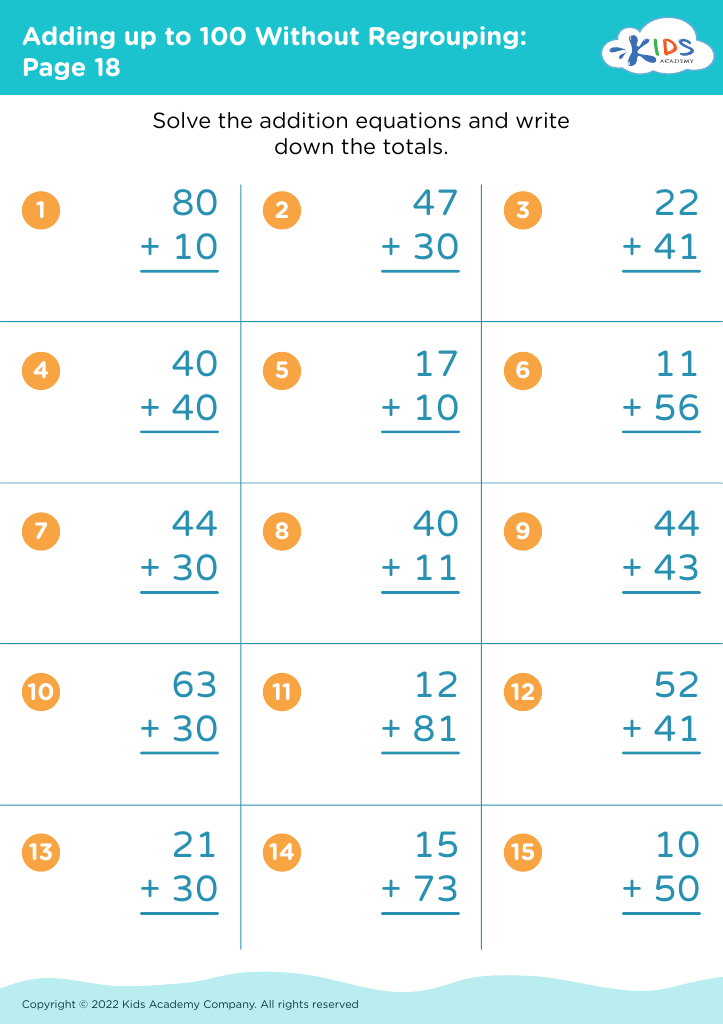
Adding up to 100 Without Regrouping: Page 18
Worksheet
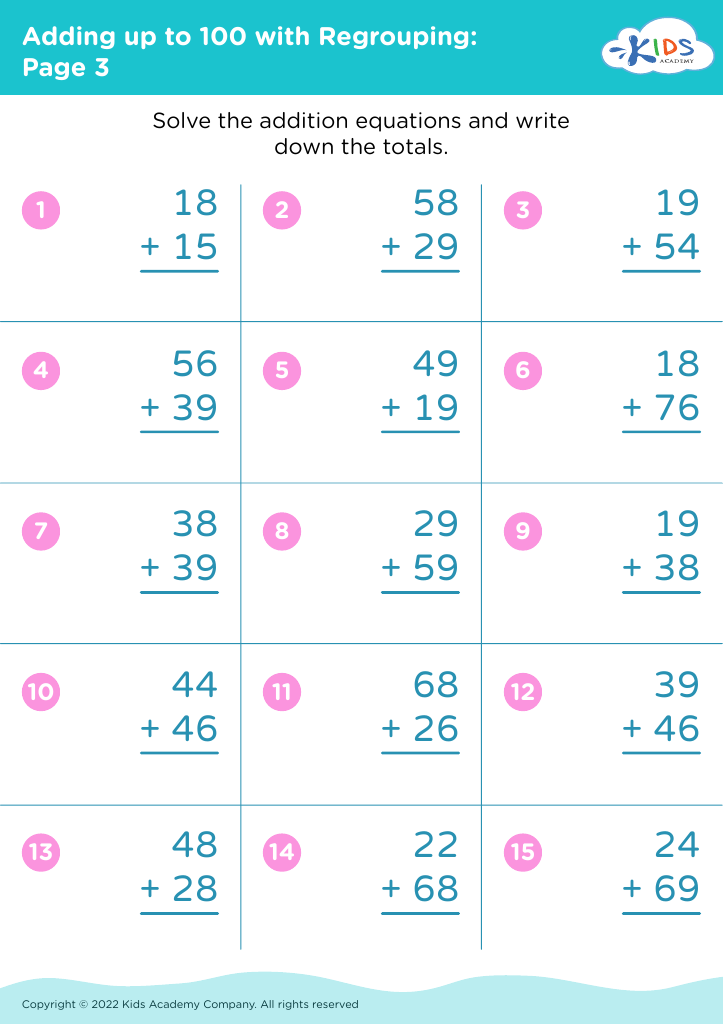
Adding up to 100 with Regrouping: Page 3
Worksheet
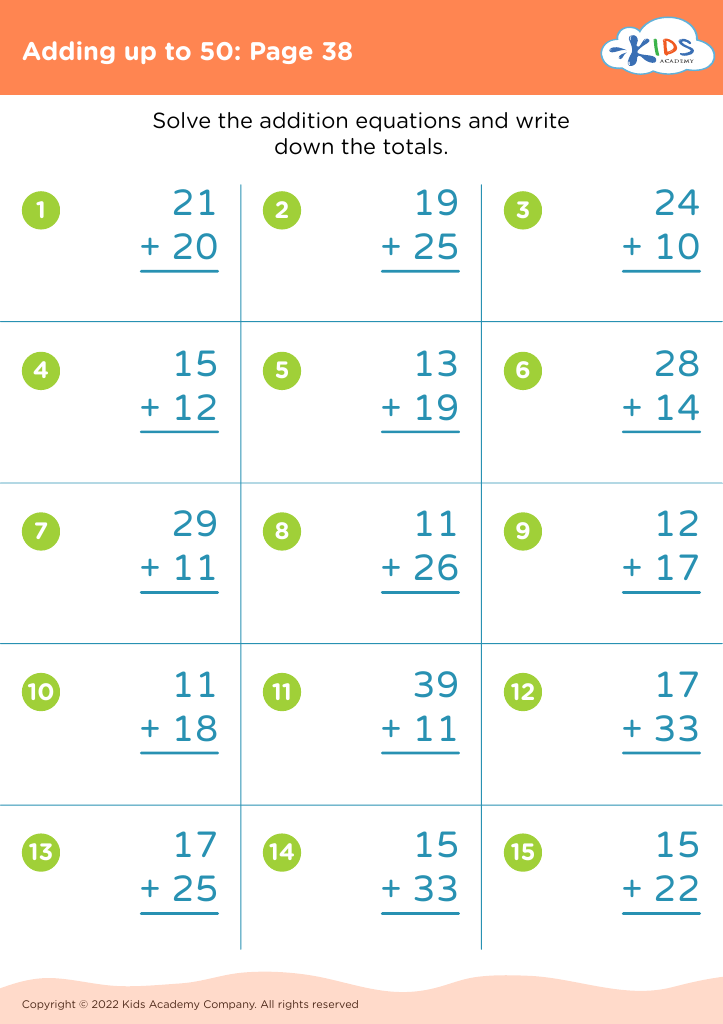
Adding up to 50: Page 38

Adding up to 50: Page 38

Adding up to 50: Page 38
Worksheet
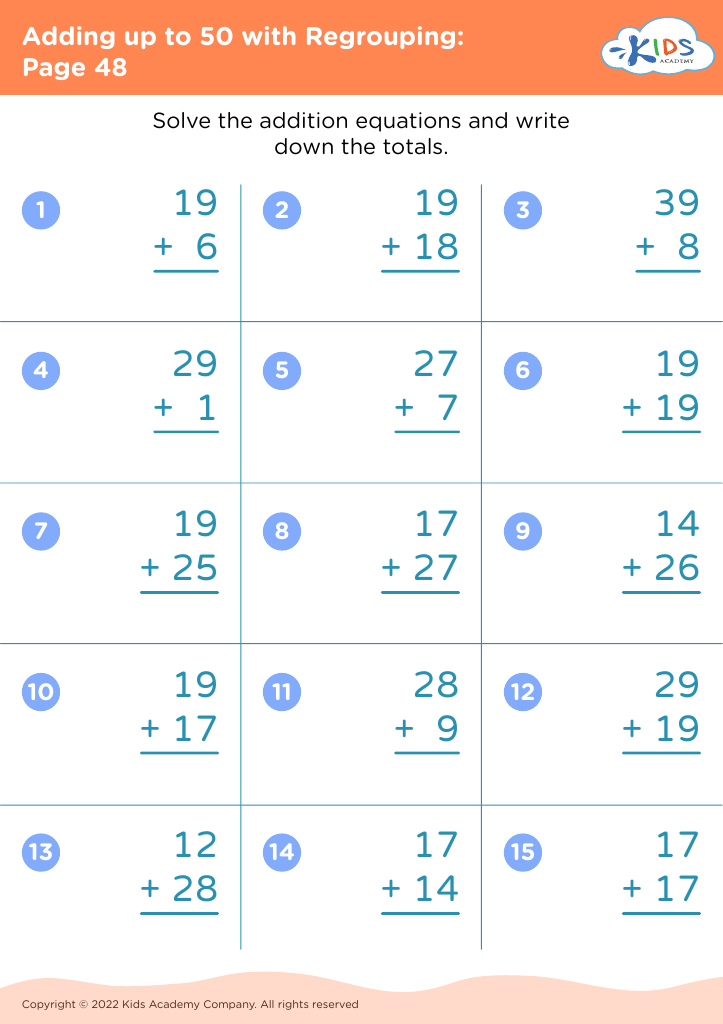
Adding up to 50 with Regrouping: Page 48
Worksheet
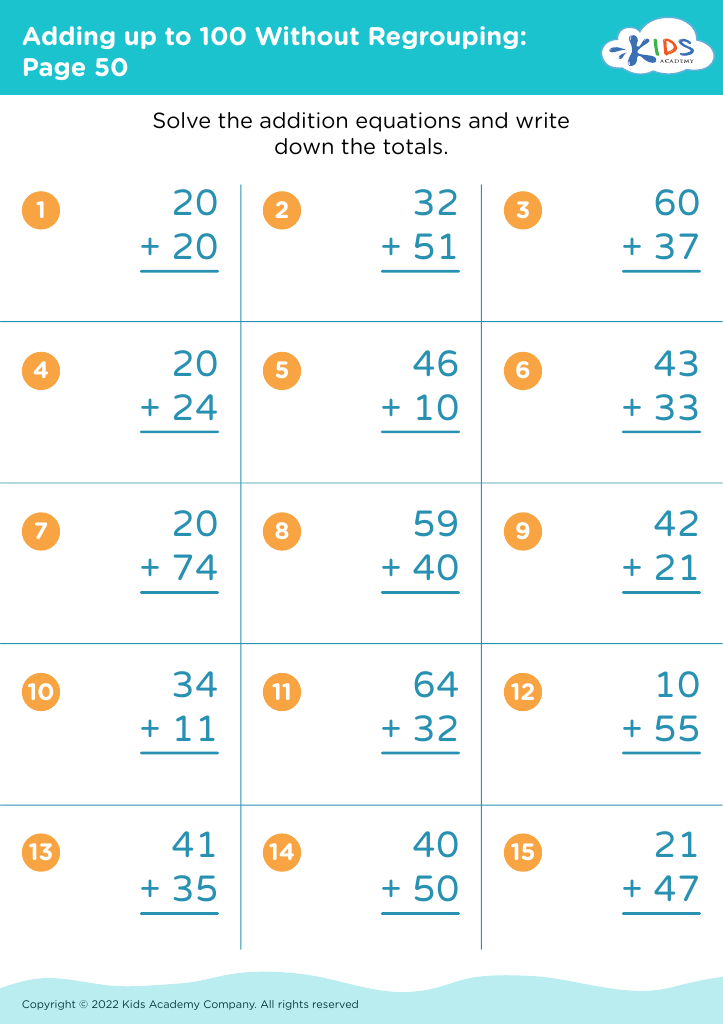
Adding up to 100 Without Regrouping: Page 50
Worksheet
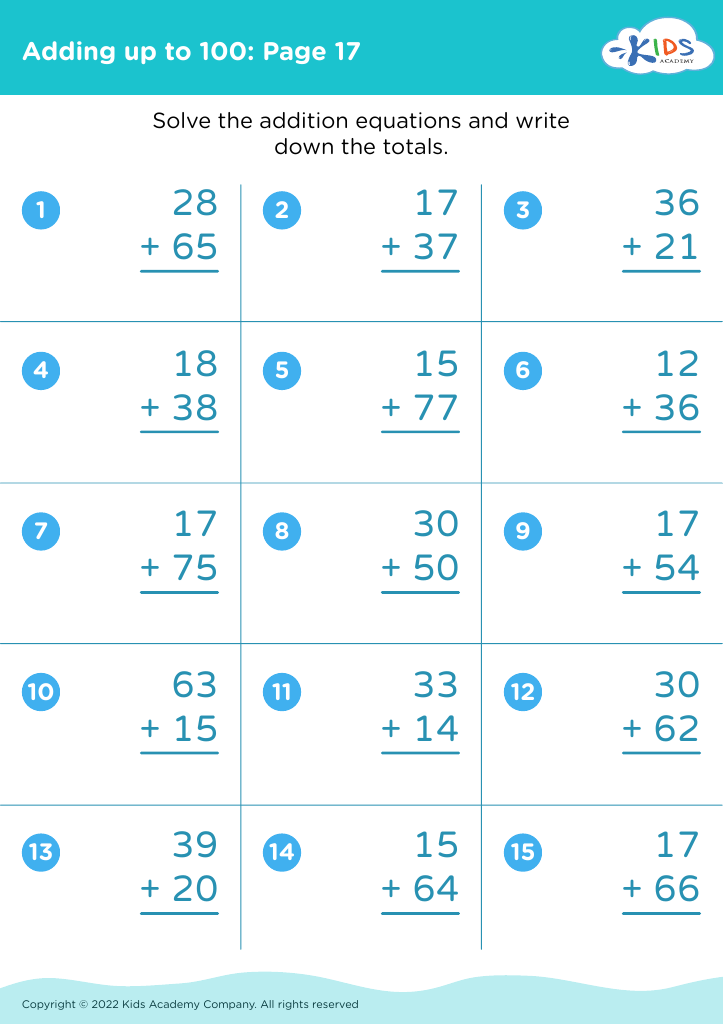
Adding up to 100: Page 17

Adding up to 100: Page 17

Adding up to 100: Page 17
Worksheet
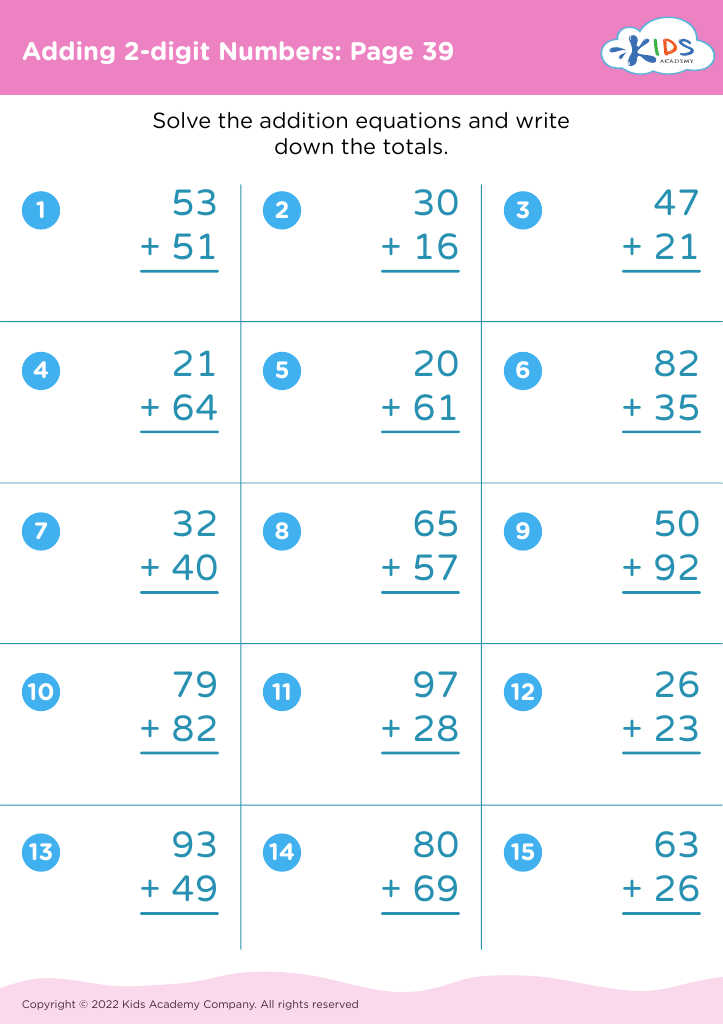
Adding 2-digit Numbers: Page 39

Adding 2-digit Numbers: Page 39

Adding 2-digit Numbers: Page 39
Worksheet
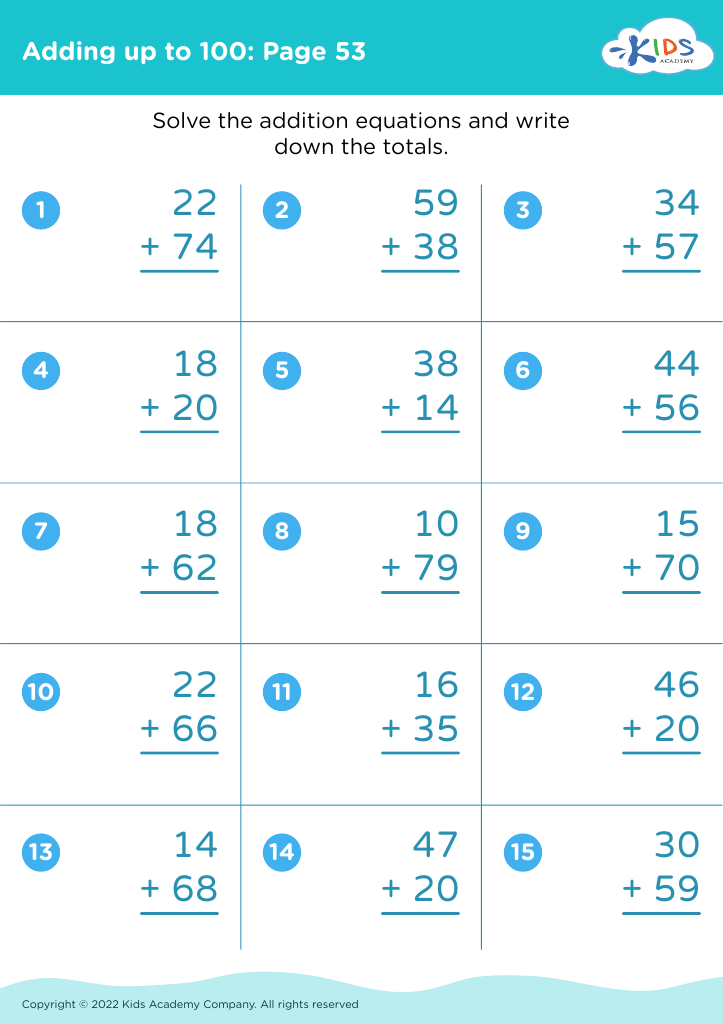
Adding up to 100: Page 53

Adding up to 100: Page 53

Adding up to 100: Page 53
Worksheet
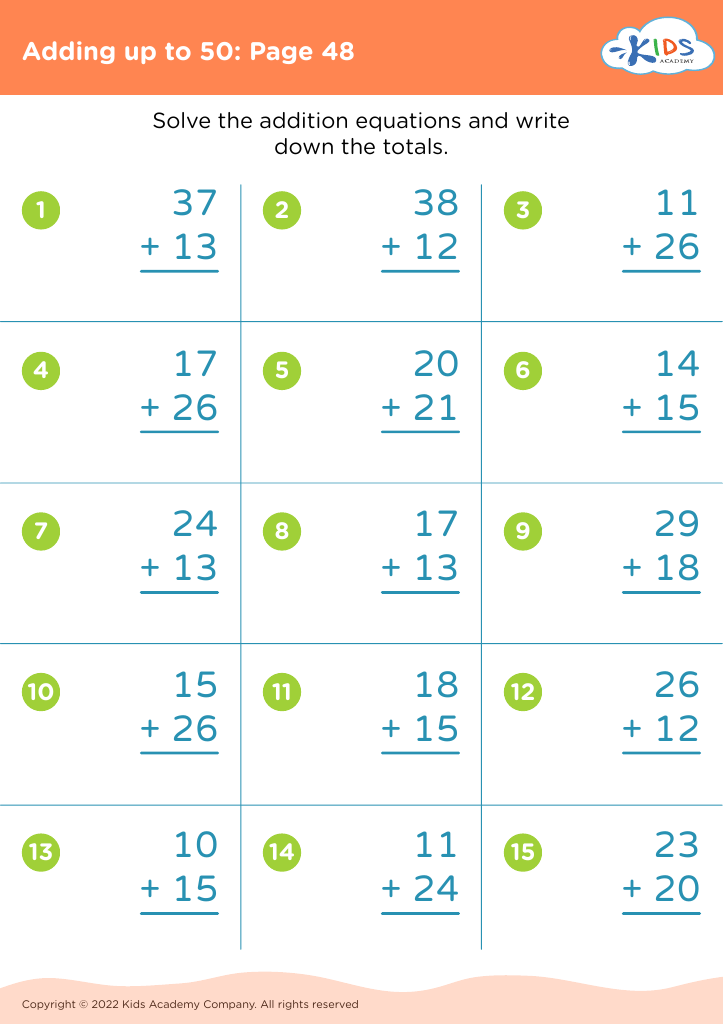
Adding up to 50: Page 48

Adding up to 50: Page 48

Adding up to 50: Page 48
Worksheet
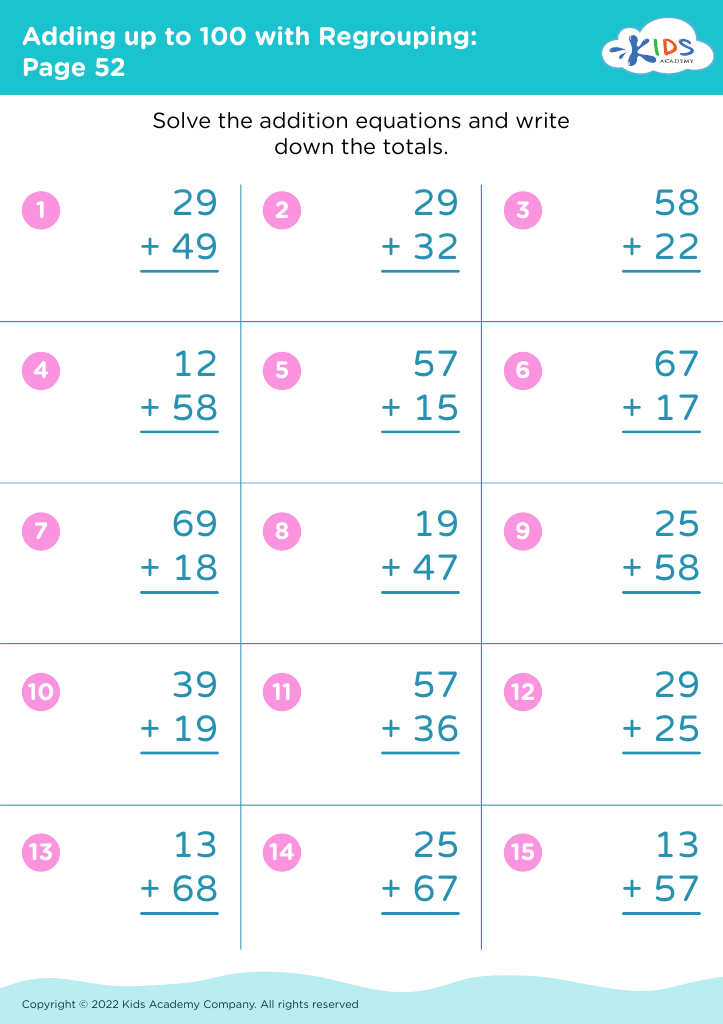
Adding up to 100 with Regrouping: Page 52
Worksheet
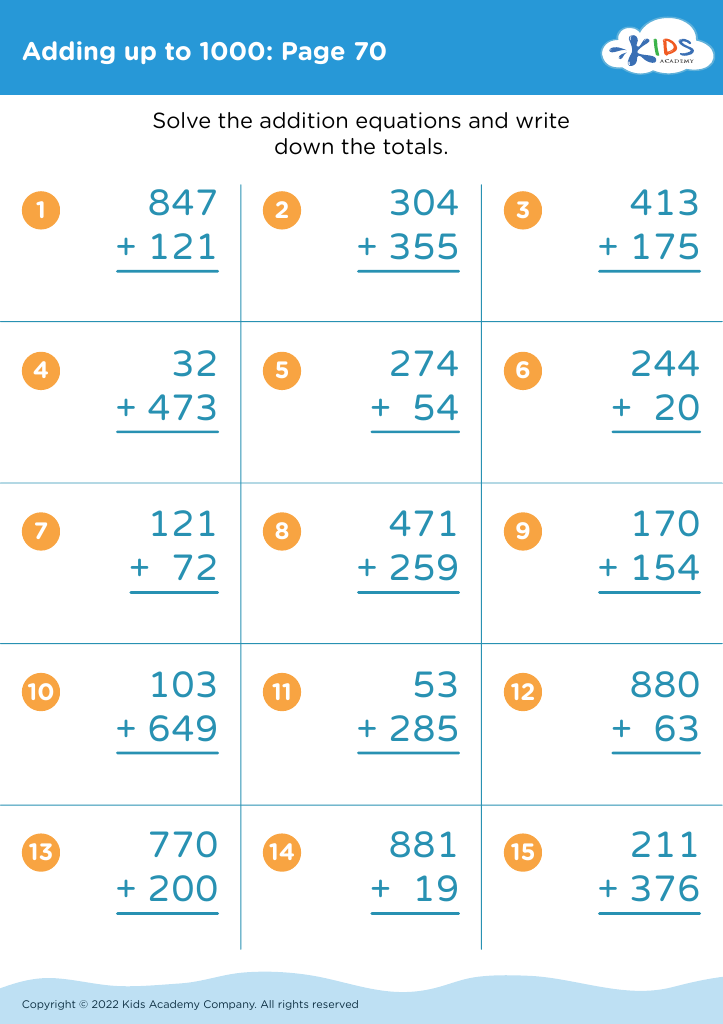
Adding up to 1000: Page 70

Adding up to 1000: Page 70

Adding up to 1000: Page 70
Worksheet
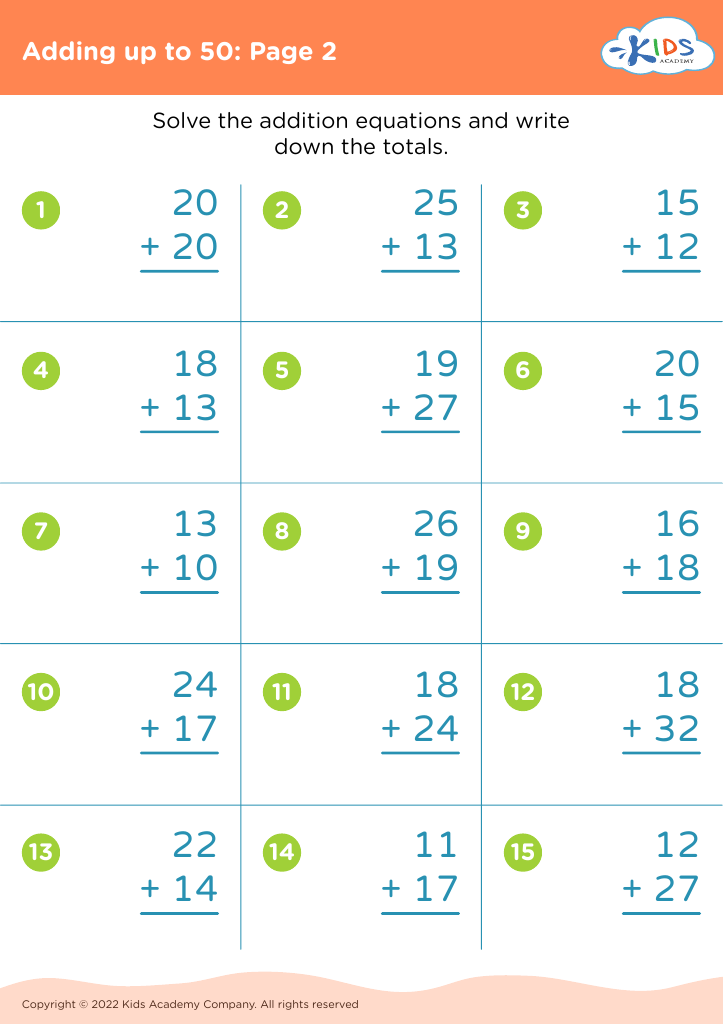
Adding up to 50: Page 2

Adding up to 50: Page 2

Adding up to 50: Page 2
Worksheet
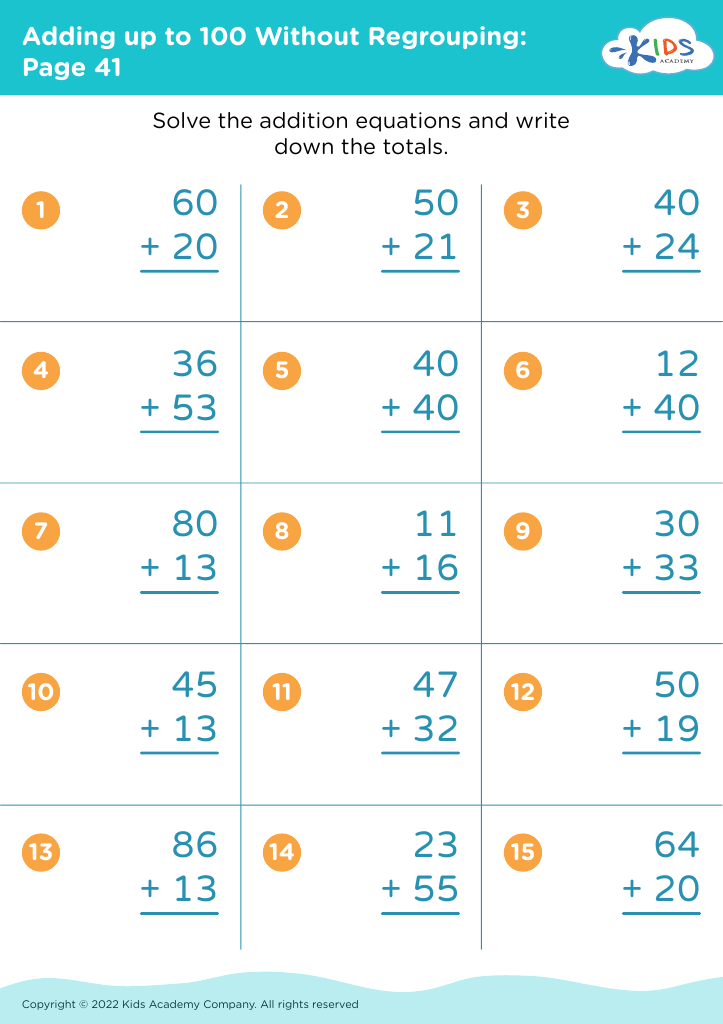
Adding up to 100 Without Regrouping: Page 41
Worksheet
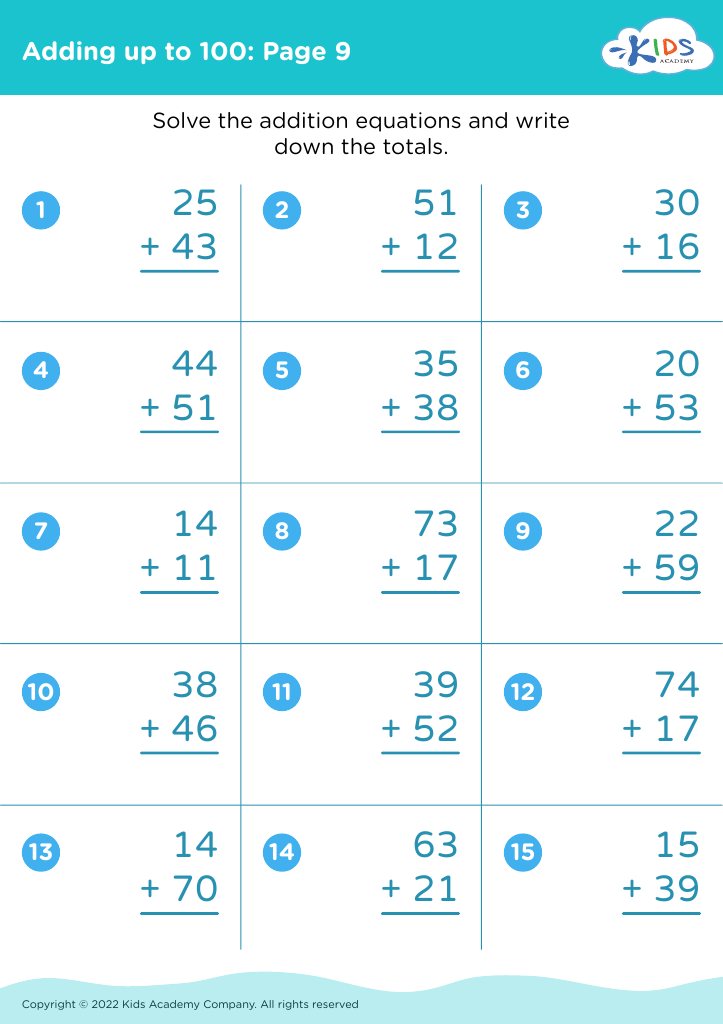
Adding up to 100: Page 9

Adding up to 100: Page 9

Adding up to 100: Page 9
Worksheet
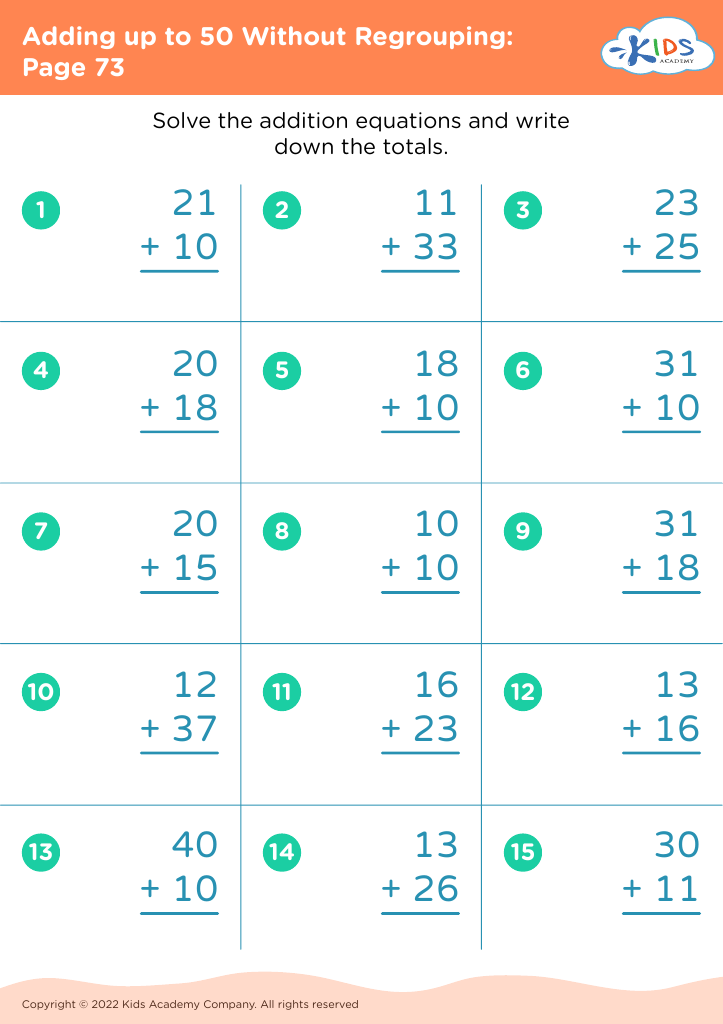
Adding up to 50 Without Regrouping: Page 73
Worksheet
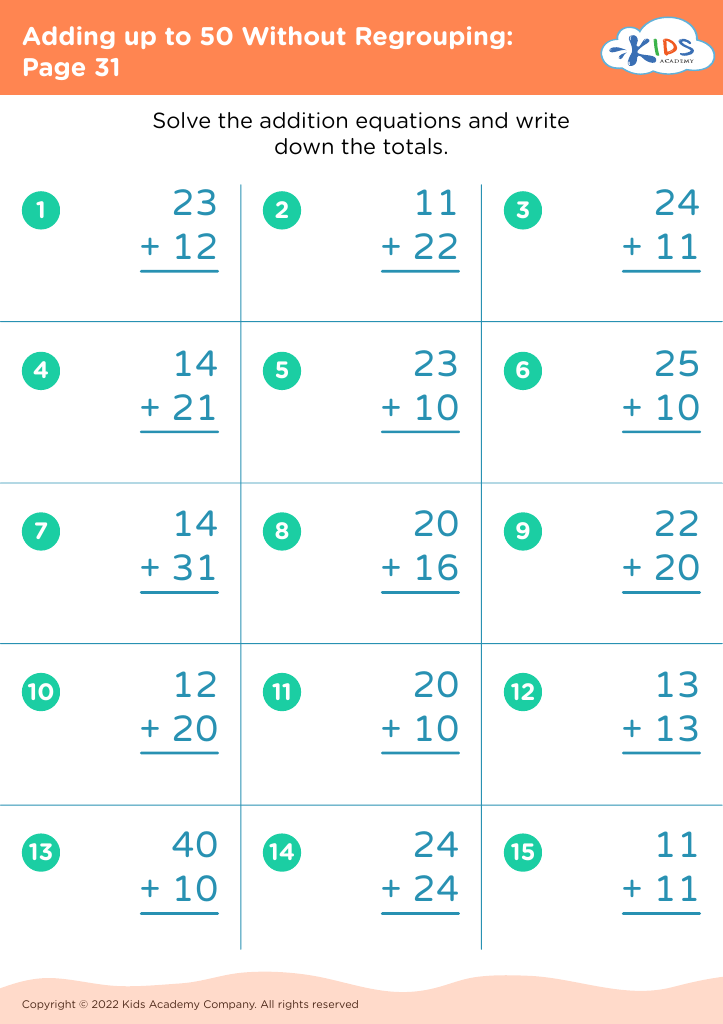
Adding up to 50 Without Regrouping: Page 31
Worksheet


Understanding fractions addition is crucial for children ages 5-8 because it lays the foundation for higher-level math skills and fosters comprehensive cognitive development. Learning fractions helps young students grasp the idea that numbers can be divided into smaller parts, which is essential for their overall mathematical comprehension.

When children learn to add fractions, they enhance their problem-solving abilities and logical thinking. These skills are not only vital for math but also for sciences, technology, and daily life situations, such as cooking or dividing tasks fairly. Furthermore, mastering fractions at a young age can boost a child’s confidence in their academic abilities, fostering a positive attitude toward learning and reducing math-related anxiety as they progress to more complex topics.

For parents and teachers, promoting a strong understanding of fractions addition at an early age ensures that children have the essential building blocks they need for future success. It supports smoother transitions into advanced mathematical concepts, including decimals, percentages, and equations. By engaging children in interactive and enjoyable activities that involve fractions, adults can make learning both effective and enjoyable, setting a foundation for lifelong numeracy skills and continued academic achievement.