Understanding numeracy Addition Worksheets for Ages 5-8
4 filtered results
-
From - To
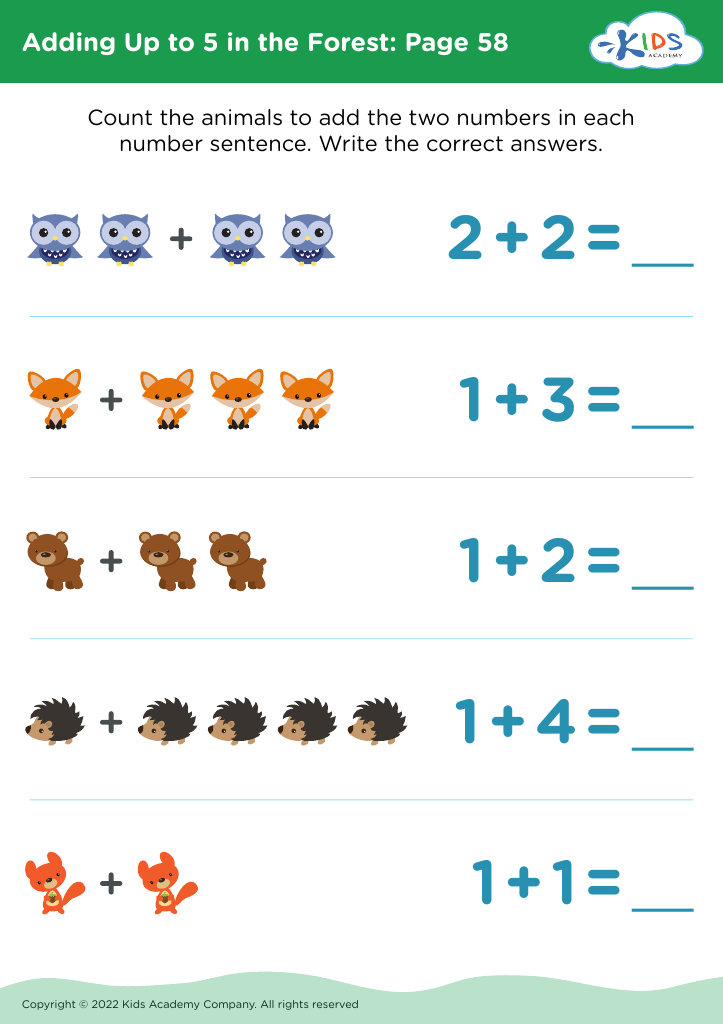
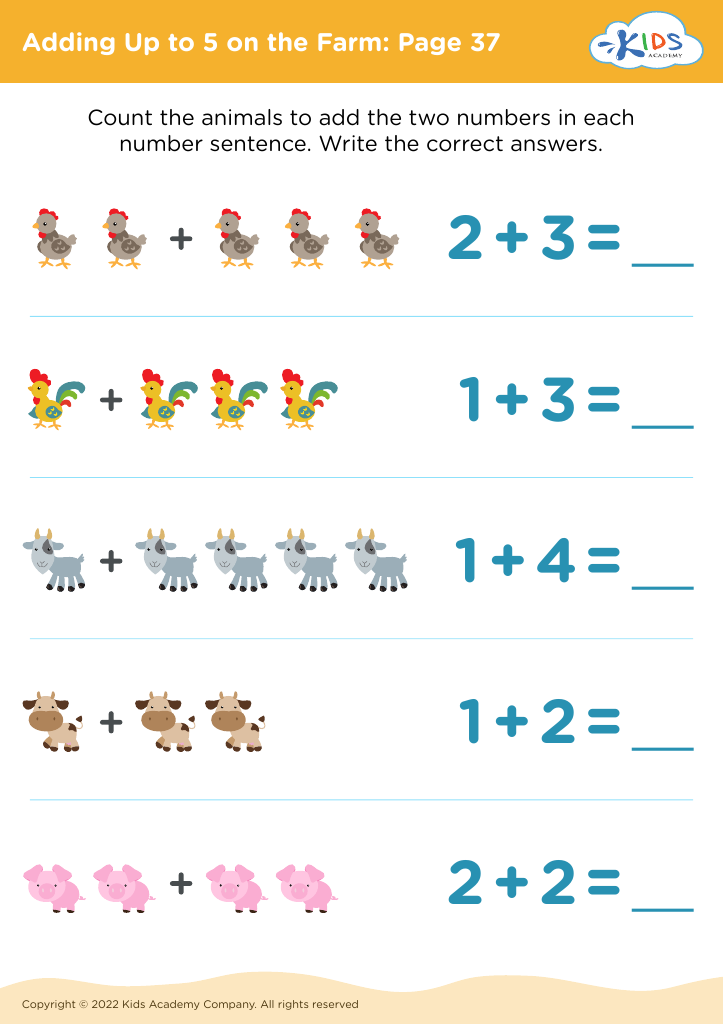
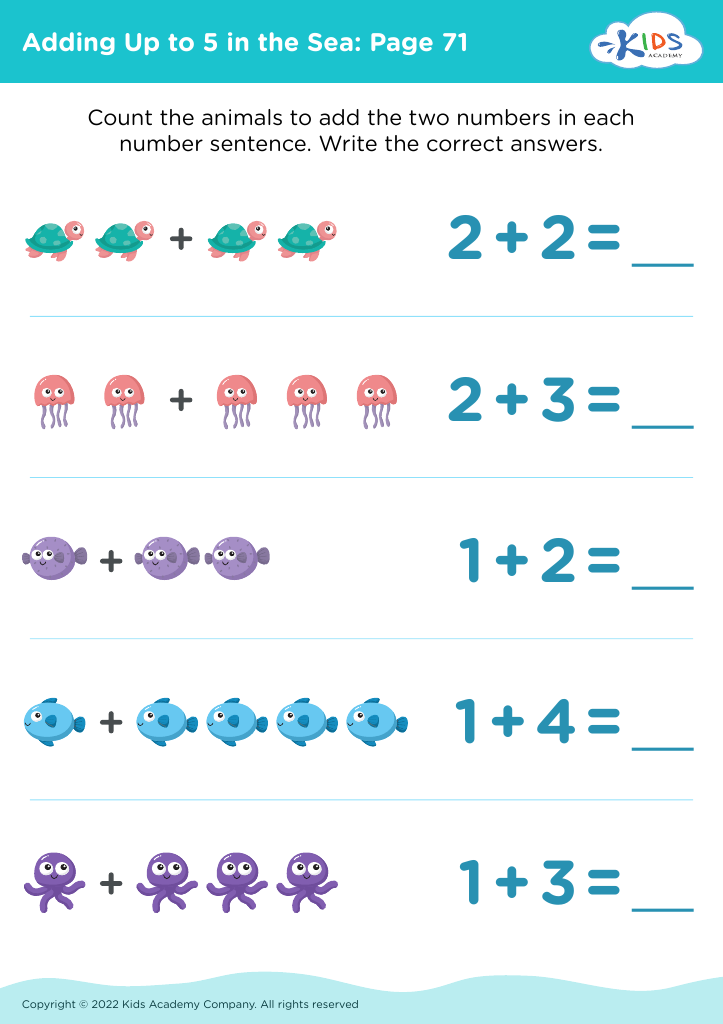
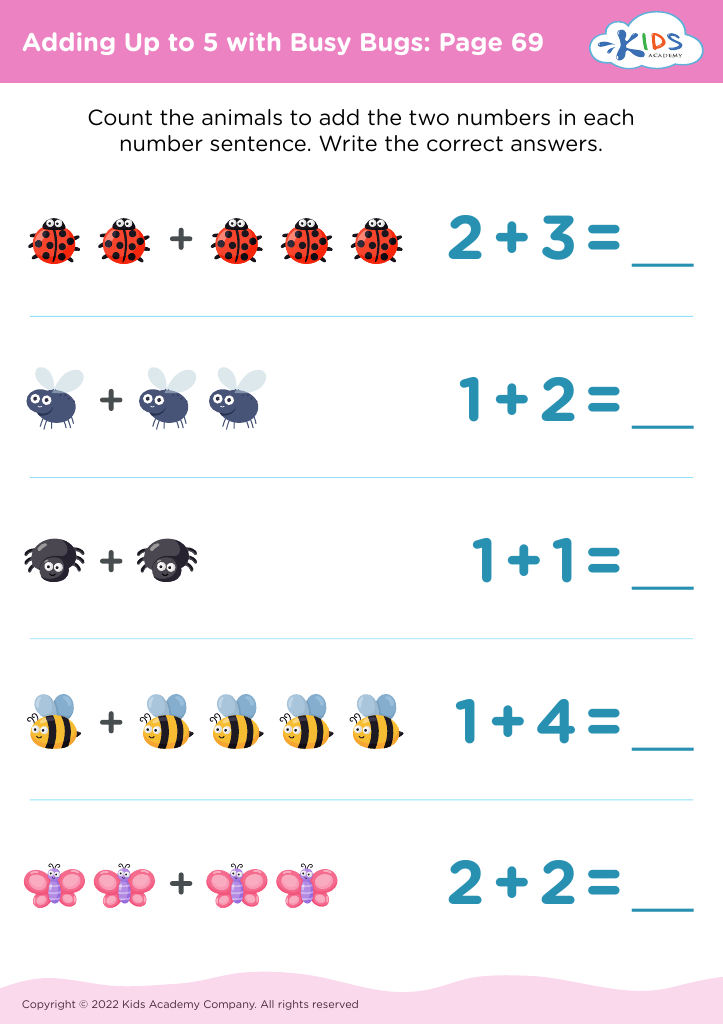
Discover "Understanding Numeracy Addition Worksheets for Ages 5-8" at Kids Academy. These specially designed worksheets focus on enhancing basic math skills in young learners. Through engaging exercises, children will build a strong foundation in addition concepts, making math exciting and accessible. Each worksheet combines instructional clarity with fun, age-appropriate challenges aimed at improving numeracy understanding. Perfect for both classroom use and at-home practice, these resources are thoughtfully created to align with educational standards, ensuring students develop confidence in their math abilities. Visit Kids Academy to equip your child with the skills they need for measurable success in addition.








Understanding numeracy, especially addition, in the early childhood years (ages 5-8) is critical for several reasons. Firstly, mastery of basic addition lays the foundational skill necessary for all other mathematical concepts, such as subtraction, multiplication, and division. During these formative years, children develop cognitive abilities that are essential for problem-solving and logical reasoning. Learning addition sharpens their ability to understand and manipulate numbers, which boosts their math confidence and forms the bedrock for more advanced math learning.
Secondly, proficiency in early numeracy improves children's academic performance across various subjects. Skills in addition and math, in general, have far-reaching effects beyond the math classroom; they enhance critical thinking, improve test performance and even foster a structured, organized approach to tasks in all areas of life.
Also, real-life experiences often demand basic math skills, from understanding time and money to dividing snacks and measuring ingredients. Early proficiency ensures children are better equipped to handle these practical situations confidently.
Parents and teachers thus play a significant role in nurturing these skills through engaging activities, supportive learning environments, and positive reinforcement. By valuing and supporting the learning of addition at this young age, parents and teachers lay the groundwork for a brighter, math-savvy future for children.








