Basic Math knowledge Math Worksheets for Ages 5-8
3 filtered results
-
From - To
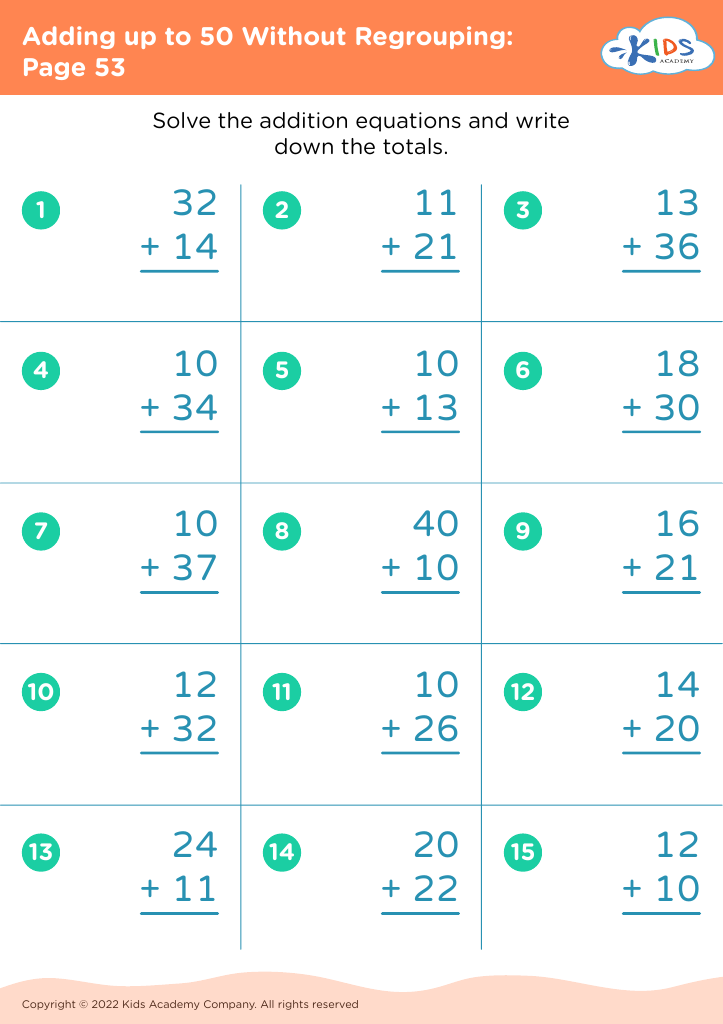
Discover our engaging Basic Math Knowledge Worksheets designed for children ages 5-8! These worksheets are perfect for reinforcing essential math skills, including addition, subtraction, and number recognition. Tailored to suit early learners, each activity helps build a solid foundation in mathematics through fun exercises and interactive questions. Our thoughtfully crafted resources not only enhance math confidence but also inspire a love for learning. Ideal for home or classroom use, these printable worksheets are a fantastic way for children to practice and master basic math concepts. Get started today and watch your young learners thrive in their math journey!
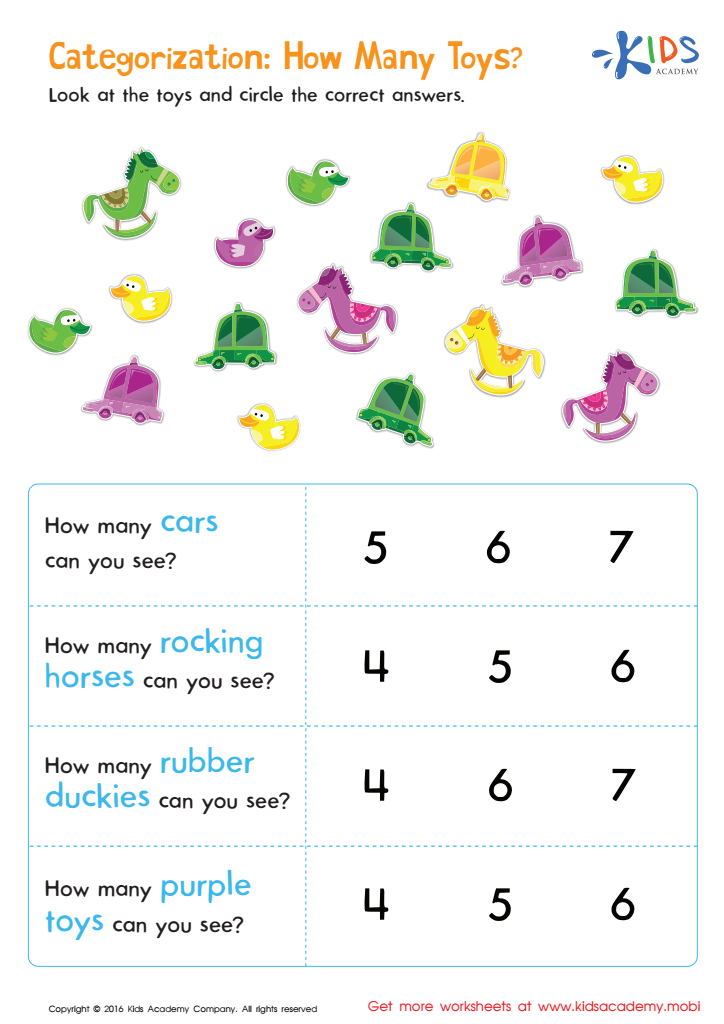
Classifying Toys by Type and Color Sorting Worksheet
 Assign to My Students
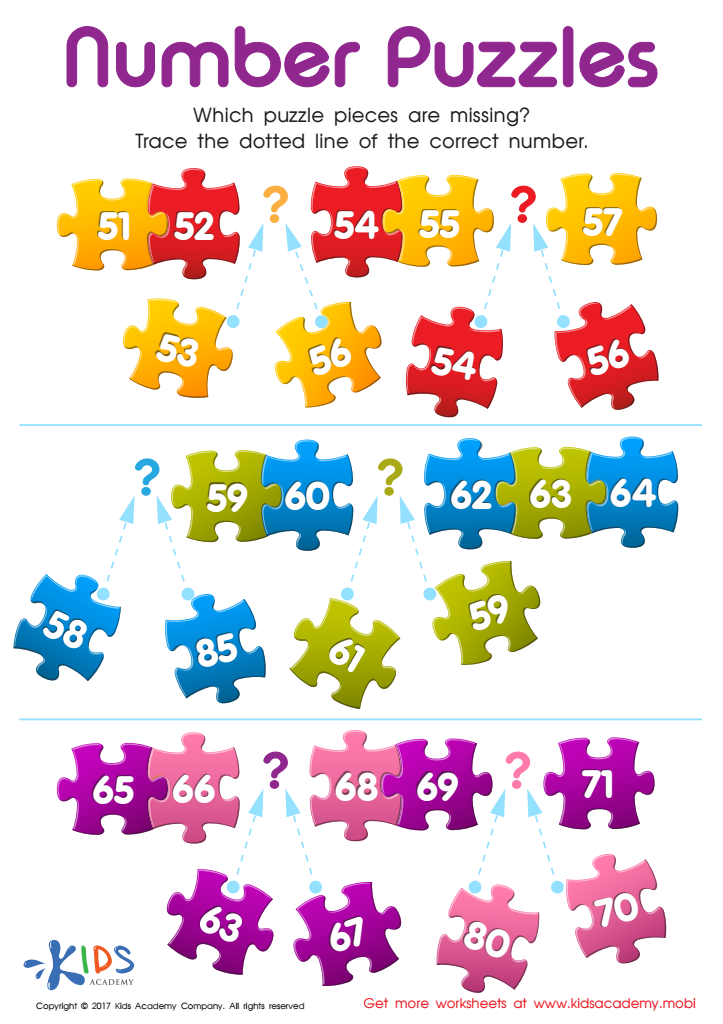
Number Puzzles Worksheet






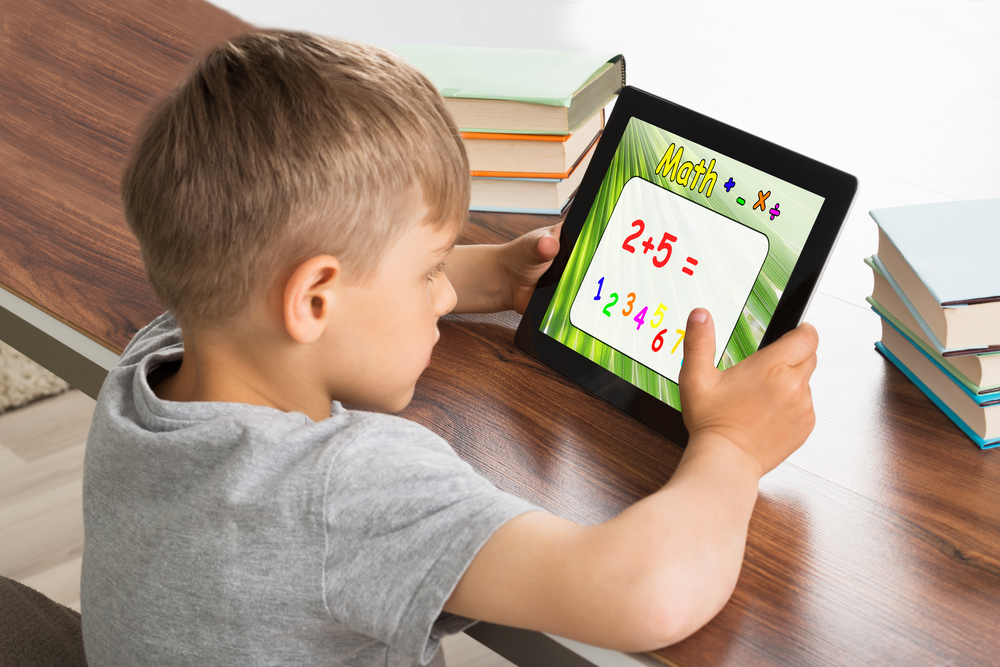
Basic math knowledge for children aged 5-8 is crucial for several reasons, and both parents and teachers play a vital role in fostering this foundational skill. At this stage, children develop crucial cognitive skills, including problem-solving and logical reasoning. When they engage with basic math concepts such as addition, subtraction, and understanding shapes, they not only learn numerical operations but also gain confidence in their abilities. This early exposure serves as the groundwork for more complex mathematical concepts they’ll encounter in later grades.
Moreover, basic math is more than just numbers; it’s about understanding patterns, relationships, and even beginning financial literacy, which can instill a sense of responsibility from a young age. Proficiency in math also enhances children's skills in various subjects, as math intersects with science, art, and daily life scenarios.
Additionally, engaging with math helps children develop persistence and resilience when they encounter challenges, important traits for lifelong learning. Parents and teachers should prioritize basic math education, as it lays the groundwork for academic success and everyday problem-solving, equipping children with the tools they need to thrive in an increasingly complex world. Investing in their basic math knowledge is investing in their future potential.








