Enhances number recognition Math Worksheets for Ages 5-8
5 filtered results
-
From - To
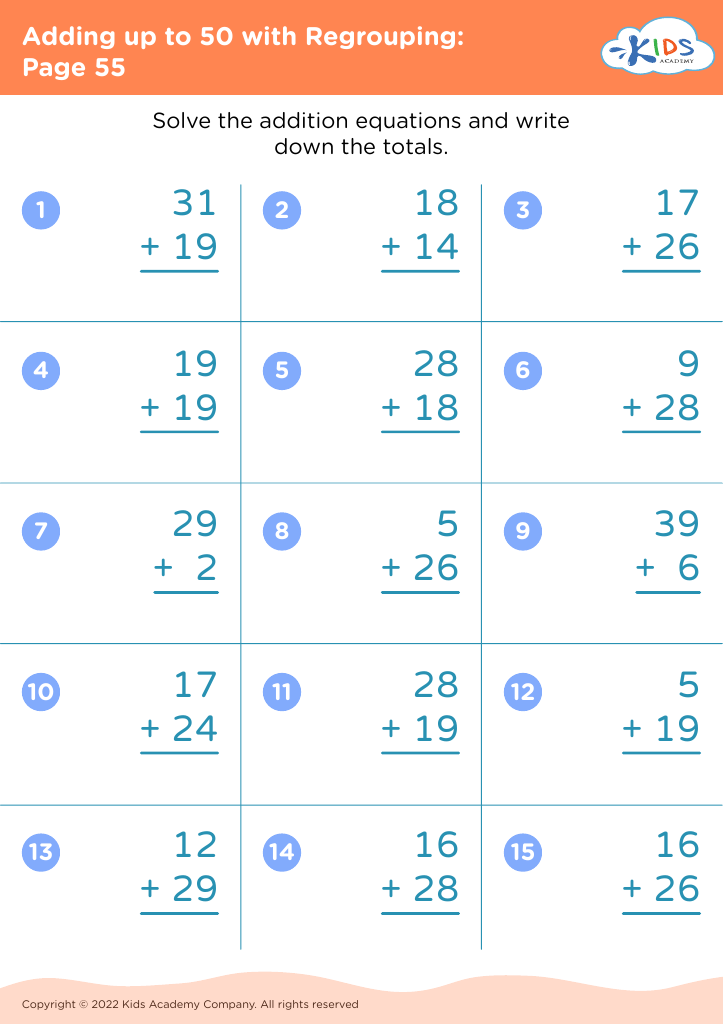
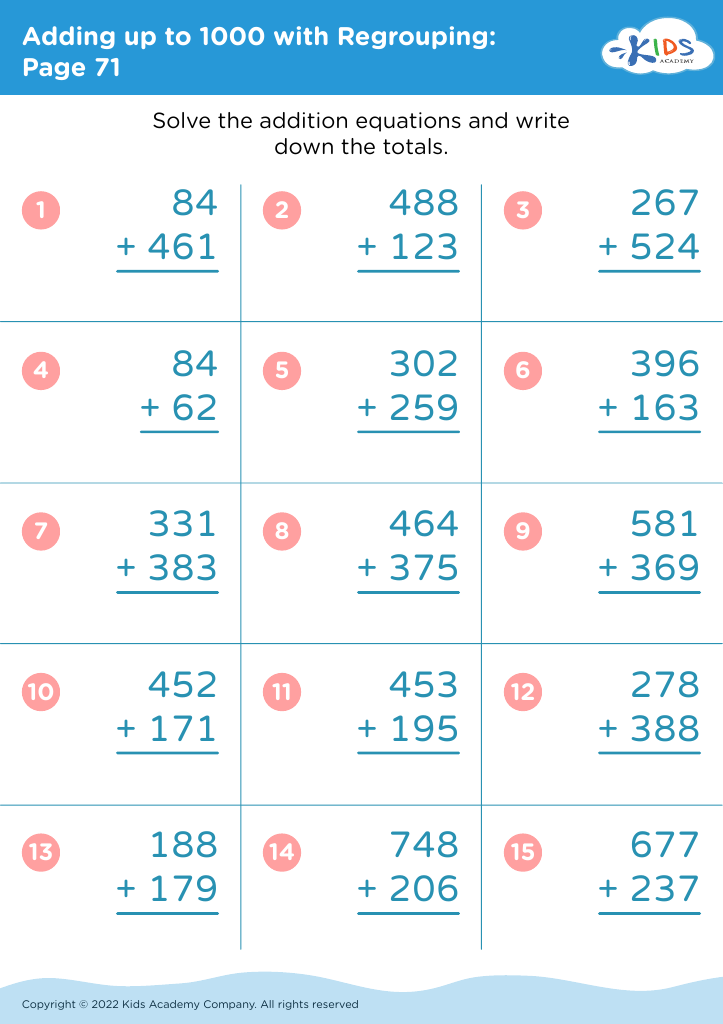
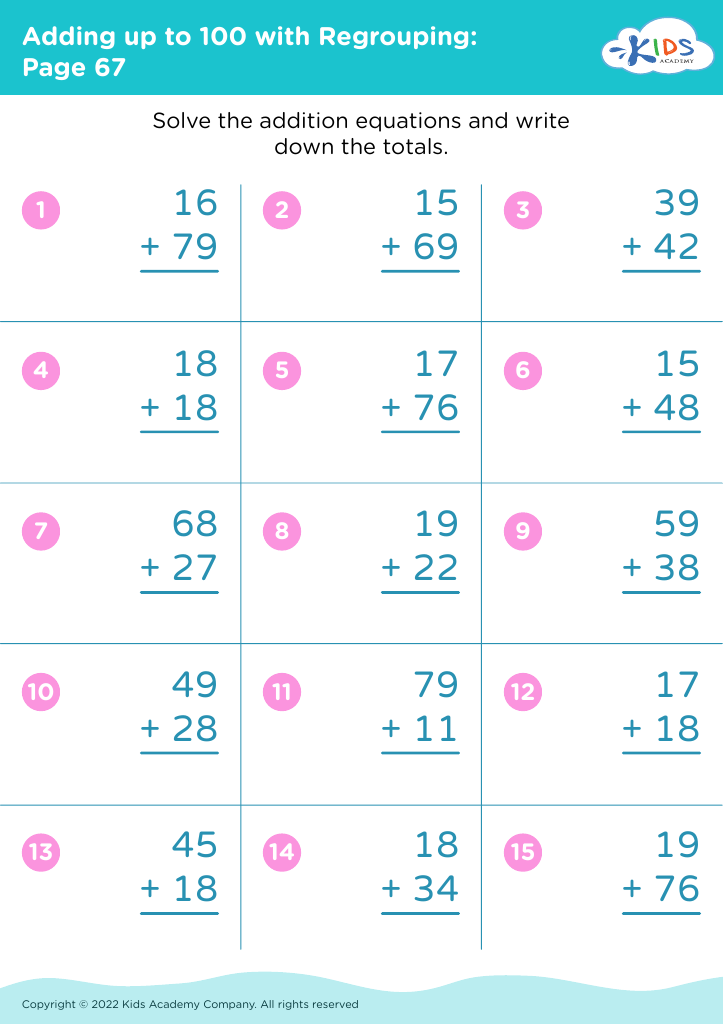
Boost your child's number recognition skills with our engaging Math Worksheets designed specifically for ages 5-8. These worksheets aim to make learning fun while reinforcing foundational math concepts. Through a variety of interactive activities, children will explore numbers in different contexts, helping them identify and understand their values. Our carefully crafted worksheets support early numeracy, fostering confidence in young learners. Ideal for both home and classroom use, these resources ensure that kids develop essential math skills at their own pace. Enhance your child’s learning journey and set them up for academic success with our vibrant and effective number recognition worksheets!
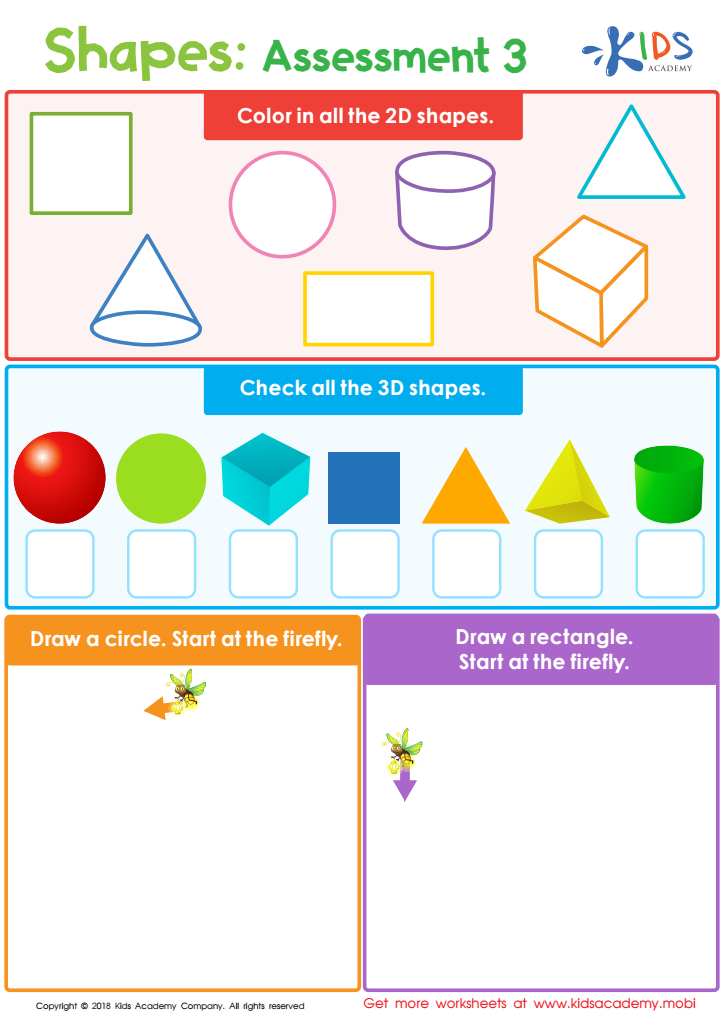
Shapes: Assessment 3 Worksheet
 Assign to My Students
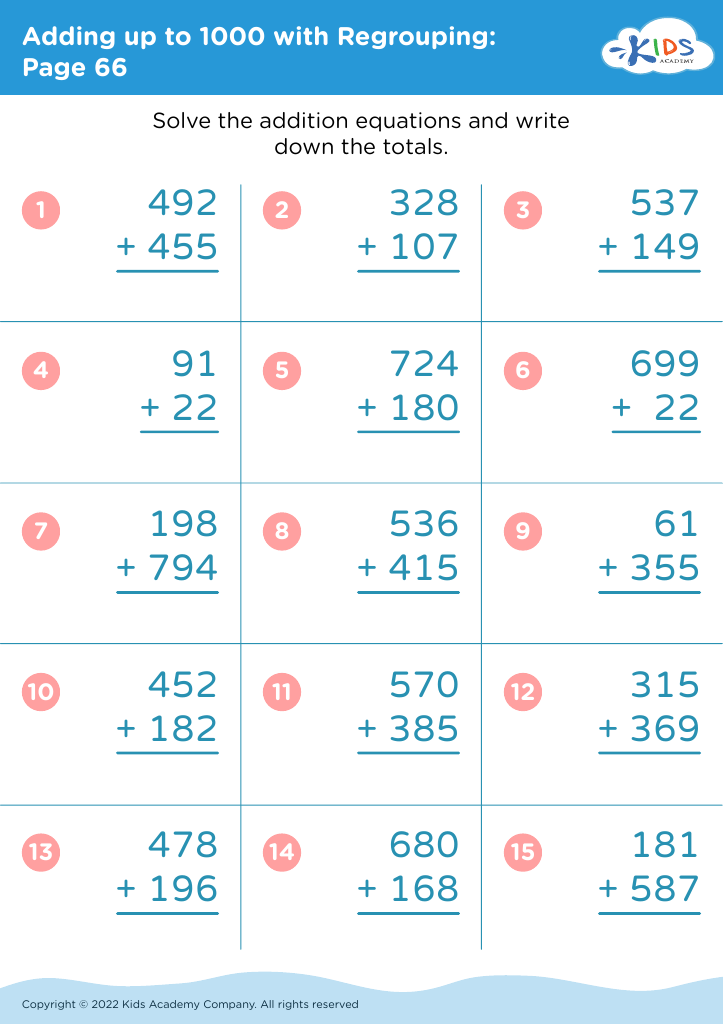








Parents and teachers should prioritize enhancing number recognition in children aged 5 to 8, as it forms the foundational building block for all future mathematics learning. Recognizing numbers is essential not only for mathematical proficiency but also for daily activities such as telling time, handling money, and understanding quantities. Early mastery of number recognition promotes confidence in students, encouraging them to engage more in math-related tasks and challenges.
Additionally, proficient number recognition is linked to other critical skills, such as counting, simple addition and subtraction, and eventually more complex operations. By ensuring that children are comfortable with numbers in this developmental stage, parents and teachers set the stage for academic success in later years. This skill also nurtures cognitive development, enhancing problem-solving abilities and logical thinking.
Moreover, incorporating fun and interactive activities that bolster number recognition can strengthen the parent-child or teacher-student bond, making learning an enjoyable experience. Ultimately, by focusing on enhancing number recognition, we equip young learners with essential tools for lifelong learning, building a strong mathematical foundation that supports their overall educational journeys.








