Eye-hand coordination Math Worksheets for Ages 5-8
3 filtered results
-
From - To
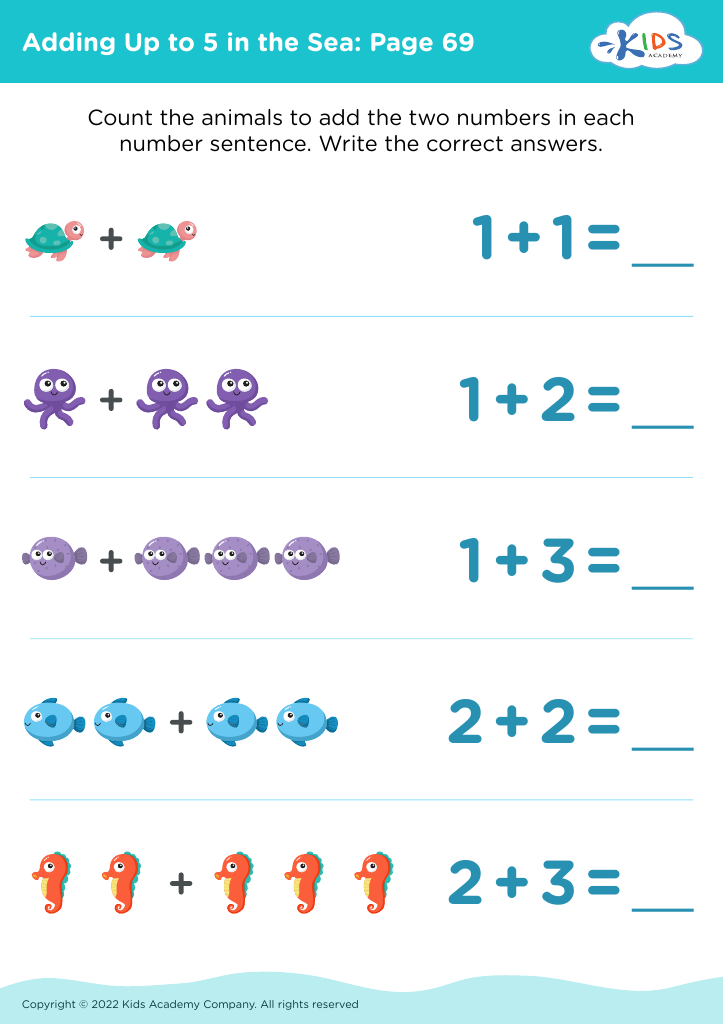
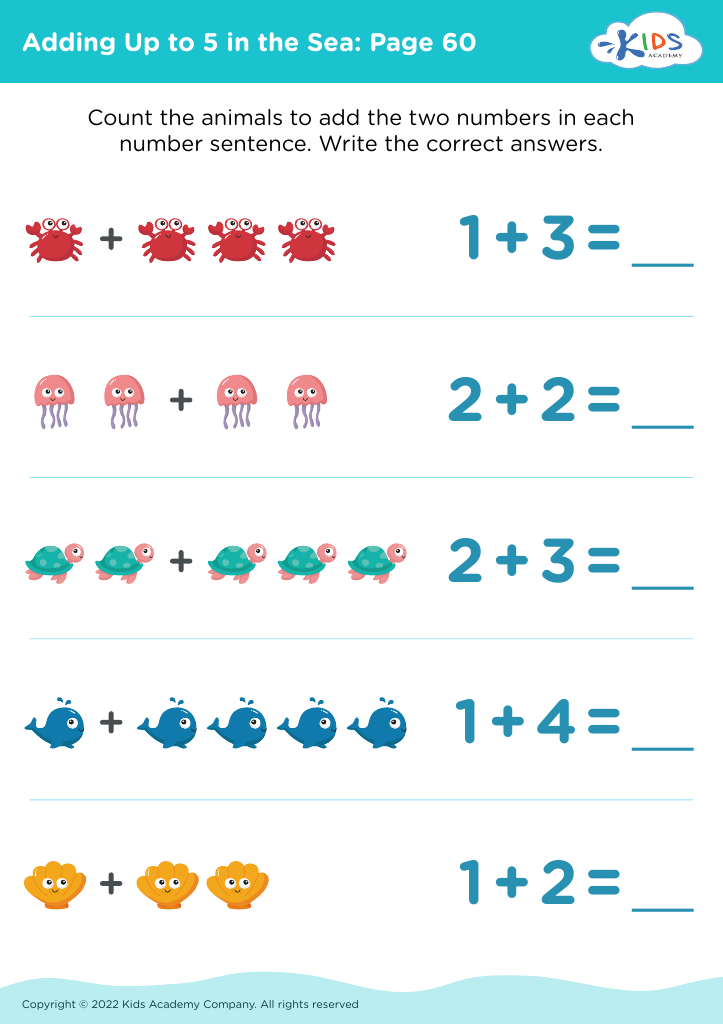
Enhance your child’s learning with our Eye-Hand Coordination Math Worksheets for ages 5-8! Designed to boost fine motor skills and mathematical understanding, these engaging worksheets make math fun and interactive. Each activity encourages children to practice counting, matching, and simple calculations while improving their eye-hand coordination, crucial for their overall development. Ideal for at-home learning and classroom settings, our colorful and thoughtful designs capture kids' attention, making learning an enjoyable experience. Explore our wide range of worksheets tailored for young learners and watch their confidence and skills flourish. Start fostering a solid foundation in math today!
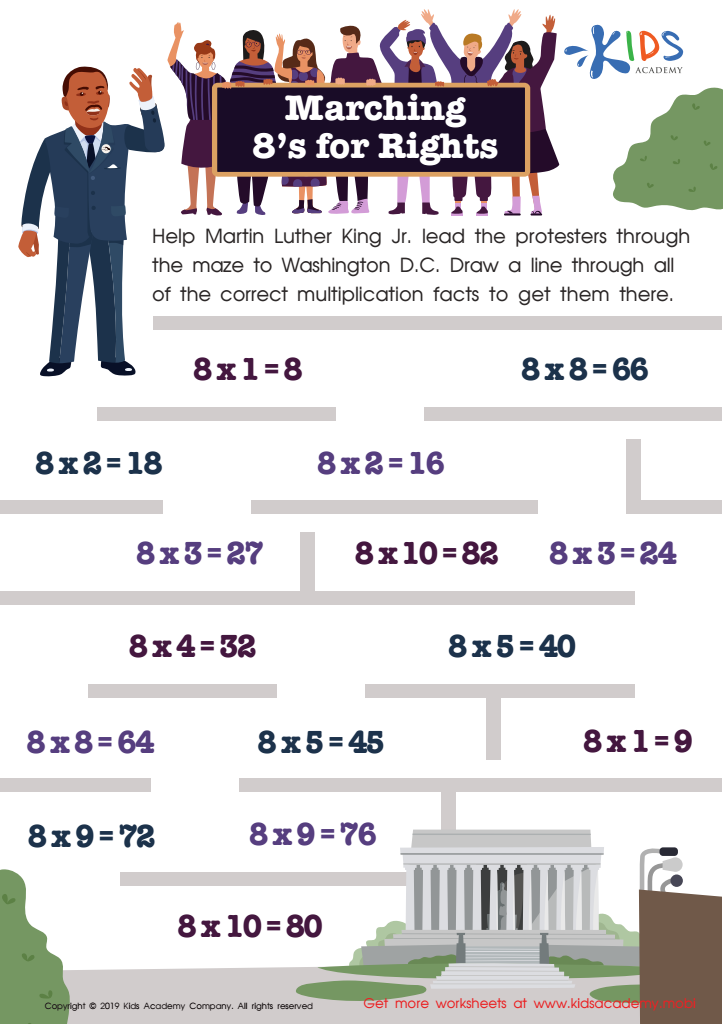
Marching 8’s for Rights Worksheet
 Assign to My Students



%20(1).jpg)


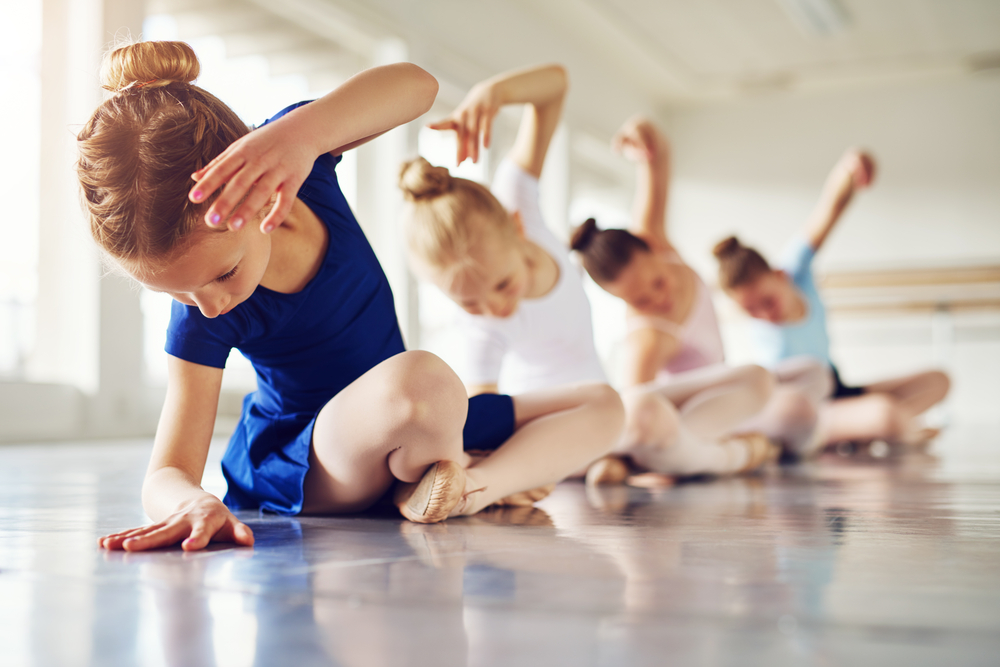
Eye-hand coordination is a vital skill that significantly influences a child's learning and development, especially in math for ages 5-8. This ability involves the coordination between visual perception and hand movement, which is crucial for tasks such as writing numbers, drawing shapes, and manipulating objects. Parents and teachers should be concerned about the development of this skill because it lays the groundwork for mathematical understanding and application.
Children engage in various math-related activities that require fine motor skills, such as counting beads, cutting shapes, and solving puzzles. Strengthening eye-hand coordination can enhance a child's ability to perform these tasks more effectively and with confidence. Improved coordination also contributes to better focus and concentration, which are essential for mastering more complex math concepts down the road.
Moreover, activities that support eye-hand coordination, such as engaging in puzzles or building blocks, can foster a love for learning and exploration. These playful interactions reinforce critical thinking, problem-solving, and spatial awareness—skills fundamental to mathematical success. By prioritizing eye-hand coordination, parents and teachers can create a strong foundation for emerging mathematicians, facilitating both academic growth and enjoyment in the learning process.








