
Introduction to mathematics Math Worksheets for Ages 5-8
3 filtered results
Difficulty Level
Grade
Age
-
From - To
Subject
Activity
Standards
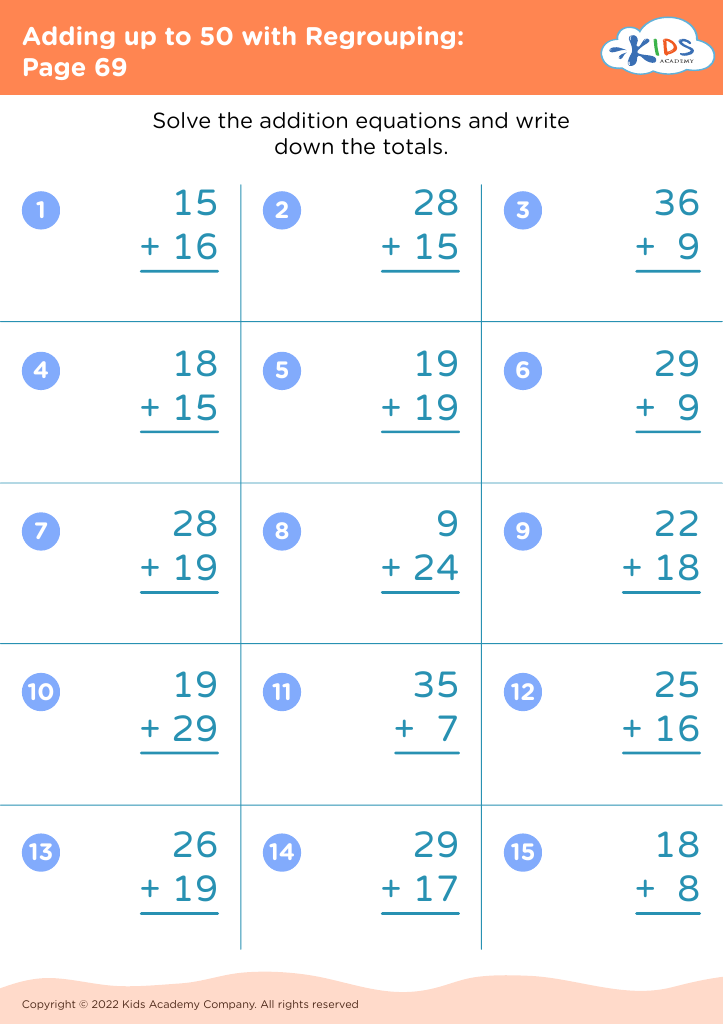
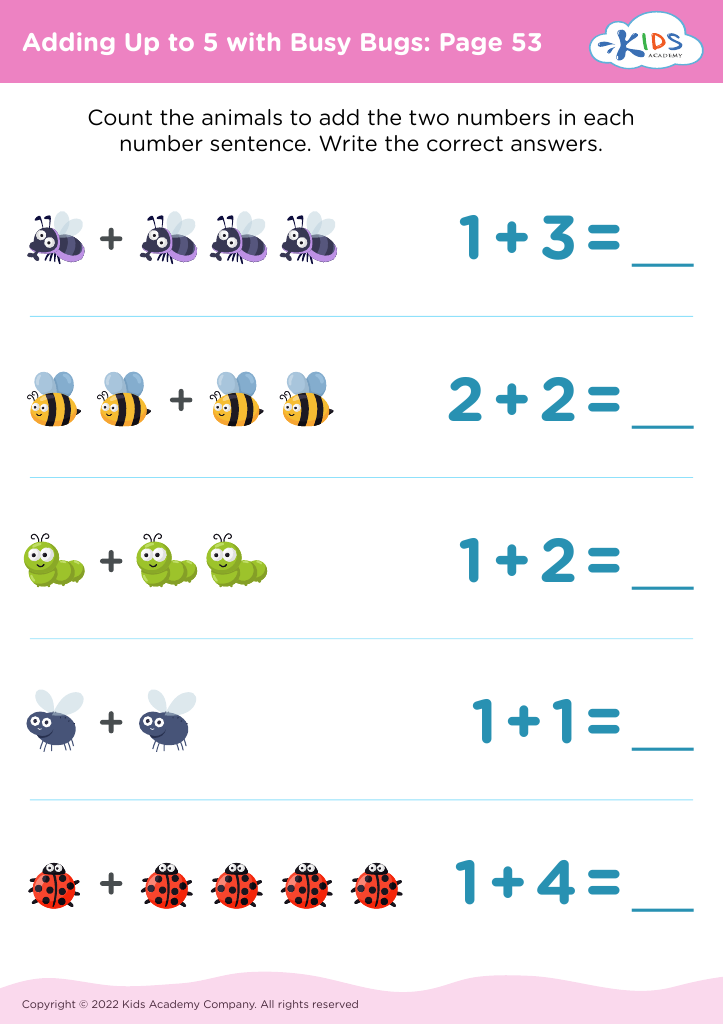
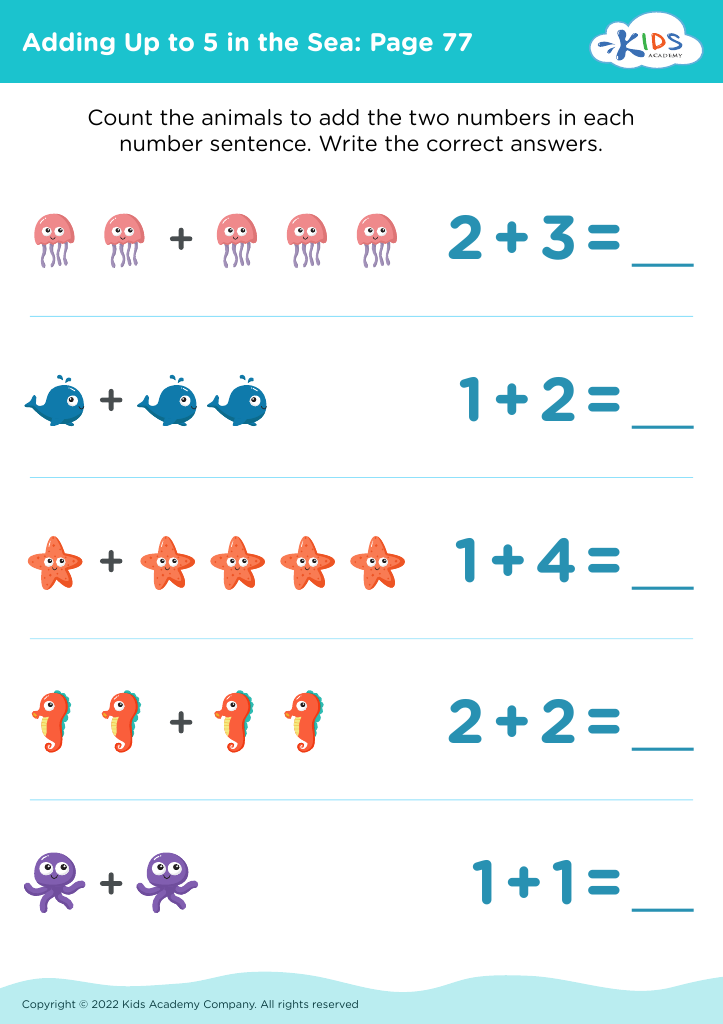
"Introduction to Mathematics Math Worksheets for Ages 5-8" from Kids Academy offers engaging and educational resources designed to develop foundational math skills in young learners. With a variety of printable worksheets, children practice essential math concepts through fun activities that enhance their understanding of numbers, counting, addition, subtraction, patterns, and basic geometry. These worksheets are crafted to captivate young minds with visually appealing designs and interactive exercises, ensuring that learning math becomes an enjoyable and confidence-building experience. Perfect for kindergarten through early elementary grades, these resources lay a solid mathematical foundation for future academic success.
Favorites
With answer key
Interactive
Join Kids Academy for Free
Who is primarily going to use this learning content?






Introducing mathematics to children between the ages of 5 and 8 is crucial for their cognitive development and future academic success. During these formative years, young minds are exceptionally receptive to learning new concepts. By integrating mathematics at an early age, we lay down a strong foundation for essential skills such as problem-solving, logical reasoning, and critical thinking.
For parents, fostering an early interest in math can help children gain confidence and reduce math anxiety, which is common as children progress through their education. Early math skills are not just about numbers; they teach kids how to organize information, recognize patterns, and think sequentially, which are all skills that are transferable to other areas of learning and everyday life.
Teachers can leverage this period to nurture a positive attitude toward math. Engaging activities like games, puzzles, and hands-on experiments can make learning math fun, thereby encouraging a lifelong love for the subject. Math is also integrative; early exposure helps children with concepts in science, technology, engineering, and even art, promoting a well-rounded education.
Ultimately, an introduction to mathematics during these early years ensures that children develop a solid grasp of basic concepts while also cultivating a curiosity and enthusiasm for learning, vital components for their long-term academic journey.








