Understanding directions Math Worksheets for Ages 5-8
7 filtered results
-
From - To
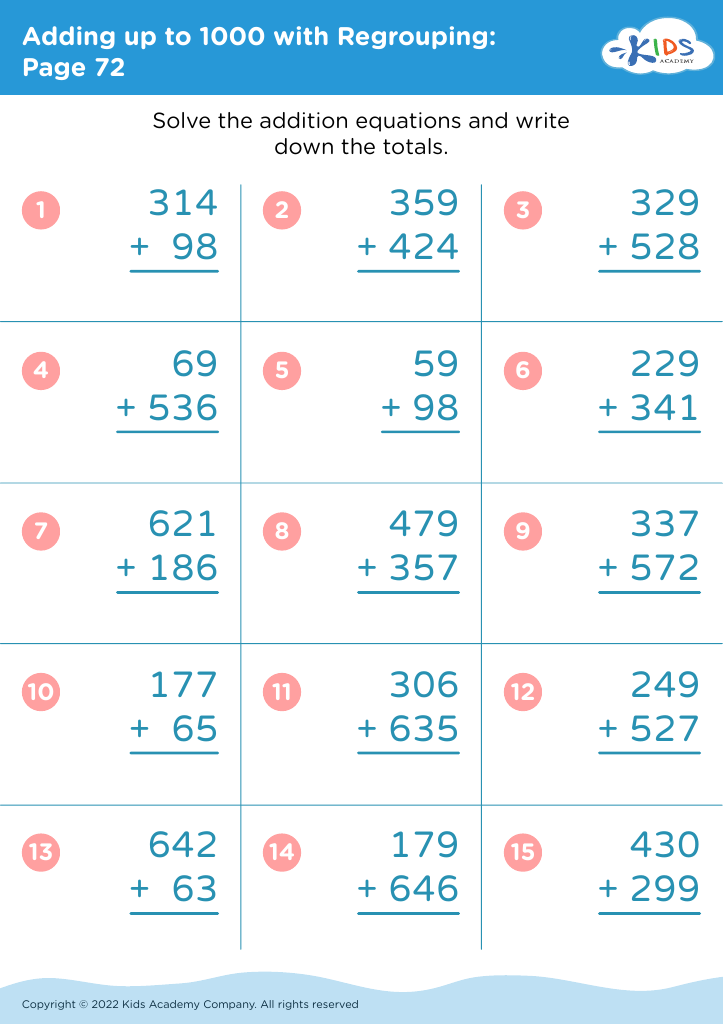
Our "Understanding Directions Math Worksheets for Ages 5-8" are designed to help young learners enhance their spatial reasoning and problem-solving skills. Through engaging activities, children practice following directions, interpreting maps, and recognizing patterns critical for math success. These worksheets make learning fun as kids navigate mazes, plot paths on grids, and complete puzzles. Perfect for both home and classroom use, our expertly crafted worksheets align with basic math concepts and are tailored to keep young minds engaged and active. Boost your child's confidence and foundational math skills with these free, easy-to-print resources from Kids Academy.
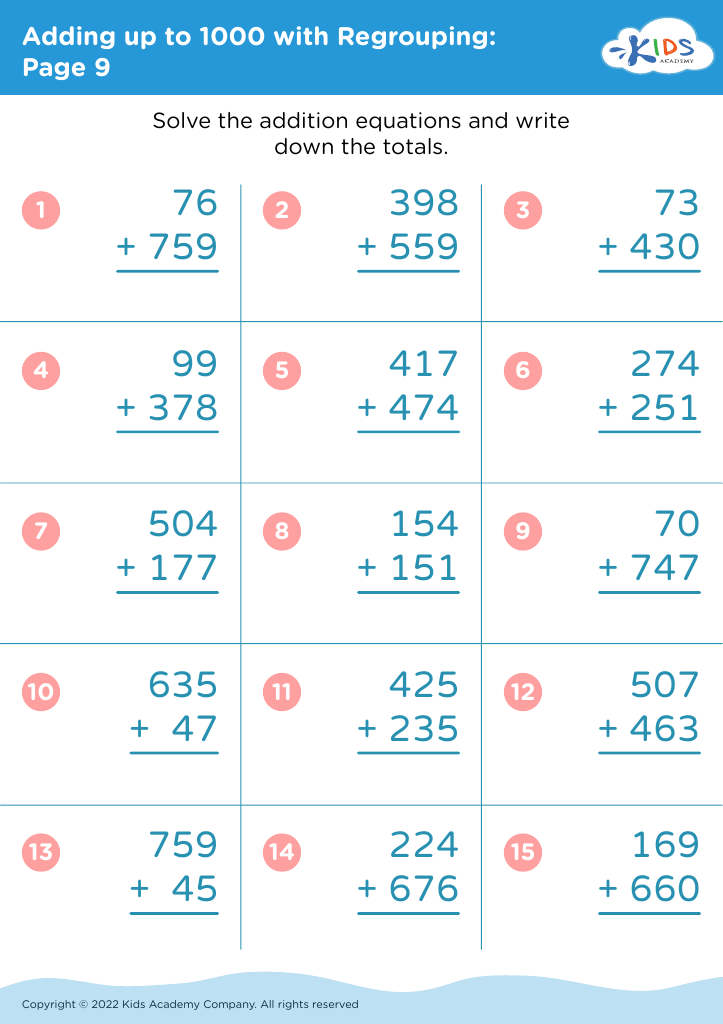
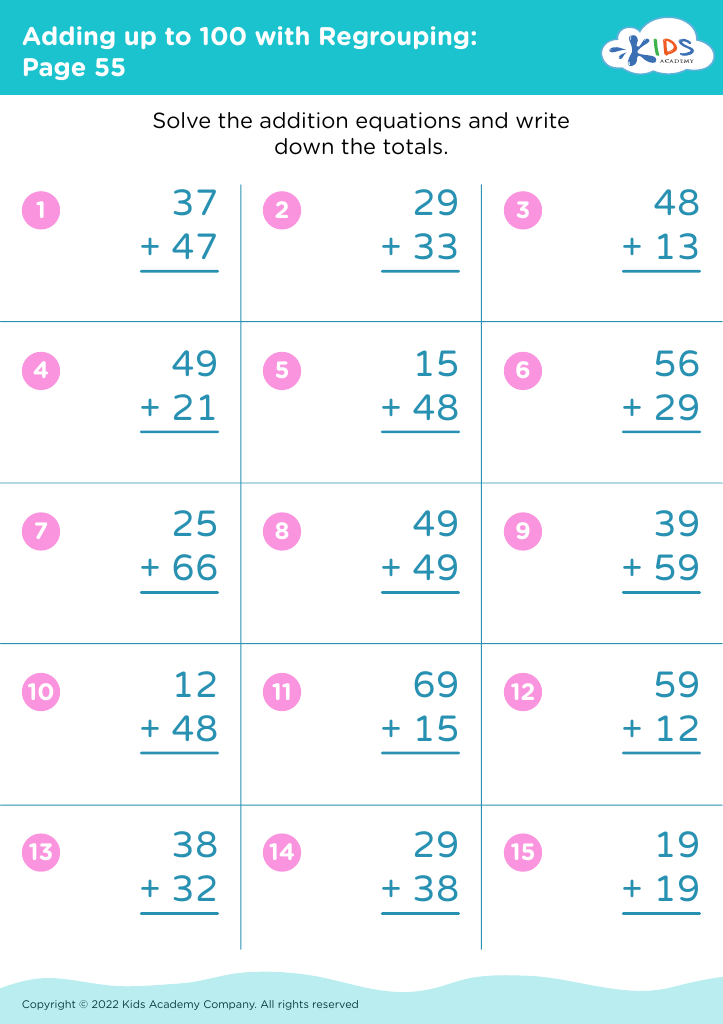
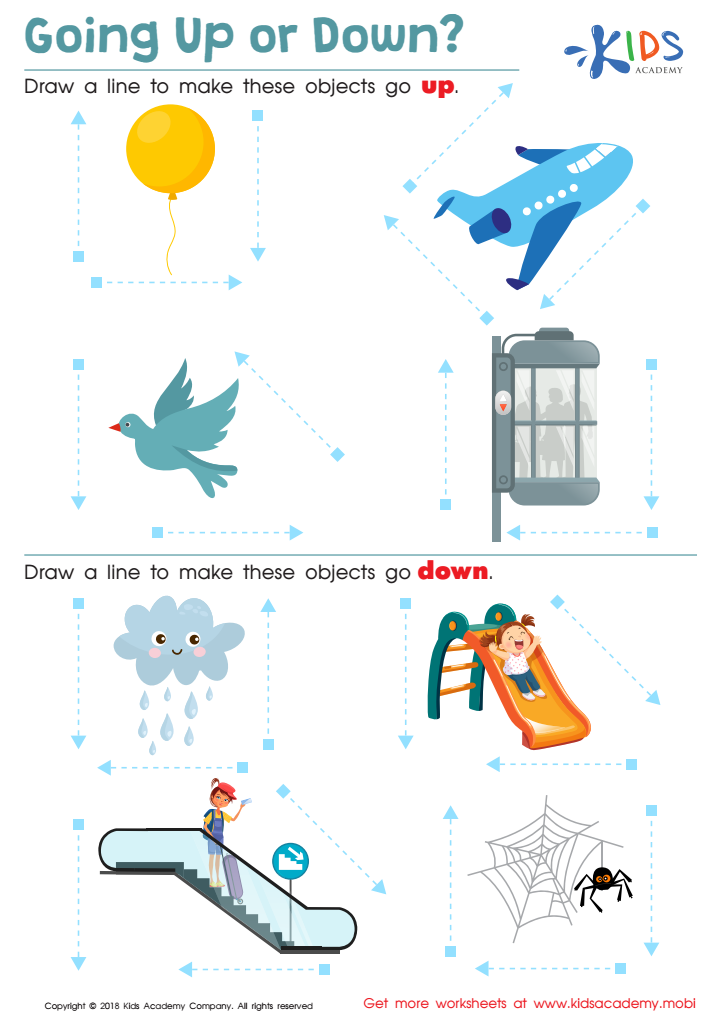
Going up or Down? Worksheet
 Assign to My Students
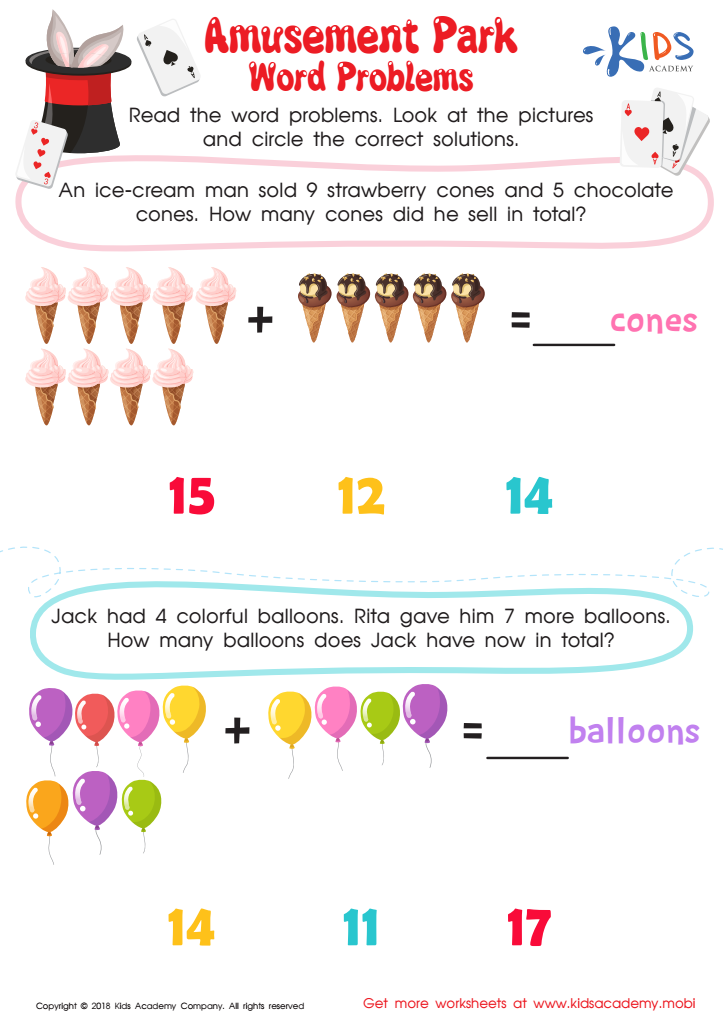
Amusement Park Word Problems Worksheet
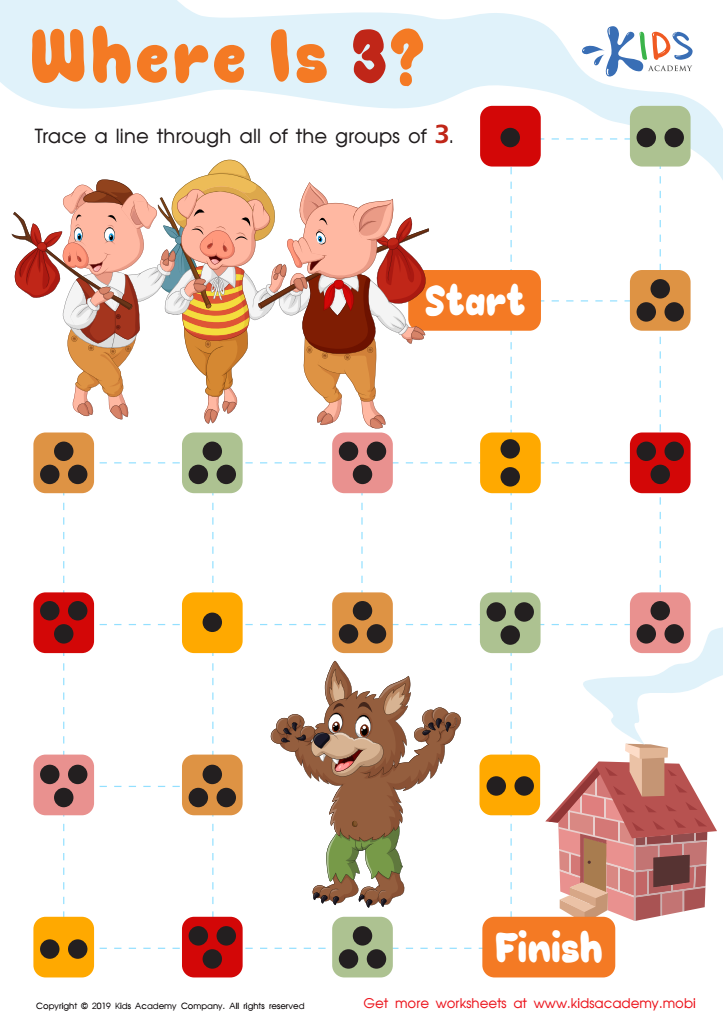
Where Is 3? Worksheet
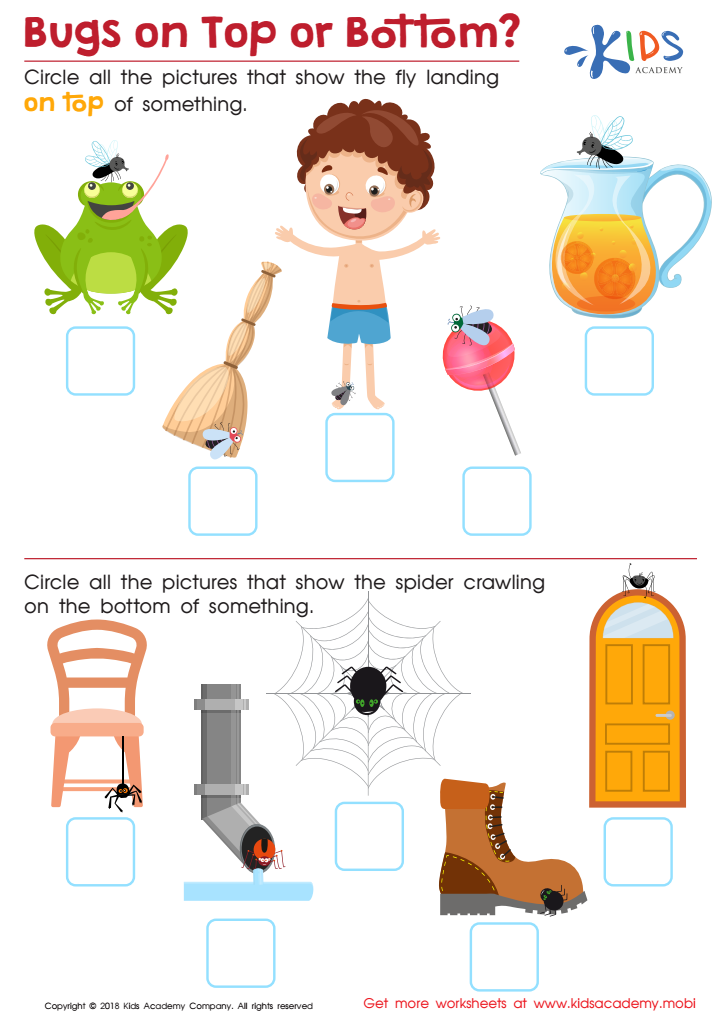
Bugs on Top or Bottom? Worksheet







Understanding directions in math for young children aged 5-8 is foundational for their overall cognitive development and academic success. First and foremost, learning directions helps children grasp important mathematical concepts such as geometry, spatial reasoning, and map reading. These are critical skills not just within math, but for navigating the physical world, following instructions, and solving problems.
Clear comprehension of directions also enhances a child's ability to understand word problems, which are often a challenging aspect of math. Being able to identify positions, movements, and relationships between objects improves their logic and critical thinking skills. This foundation aids in developing mathematical vocabulary, such as terms like "left," "right," "above," and "below," which are essentials of higher-level math.
Moreover, in the classroom, being able to understand and follow directions translates into better organization, time management, and task completion—skills that benefit various areas of education and life. Homing these abilities at an early age can promote self-confidence, independence, and an eager attitude toward learning complex concepts.
Involving parents and teachers in reinforcing these skills at home or in school through play, instructional activities, and guided practice ensures that children not only learn but also apply these important mathematical directions seamlessly in real-world contexts.








