Understanding more/less concept Math Worksheets for Ages 5-8
3 filtered results
-
From - To
Welcome to our "Understanding More/Less Concept Math Worksheets" designed specifically for kids aged 5 to 8! These engaging worksheets are perfect for young learners to grasp the fundamental concept of comparing quantities. By mastering the difference between more and less, children will build a strong foundation for their mathematics journey. Our worksheets incorporate vibrant visuals and interactive activities that make learning fun and effective. Whether you're at home or in the classroom, these resources foster critical thinking and enhance early mathematical skills. Explore our collection today and help your child develop confidence in their math abilities as they discover the world of numbers!
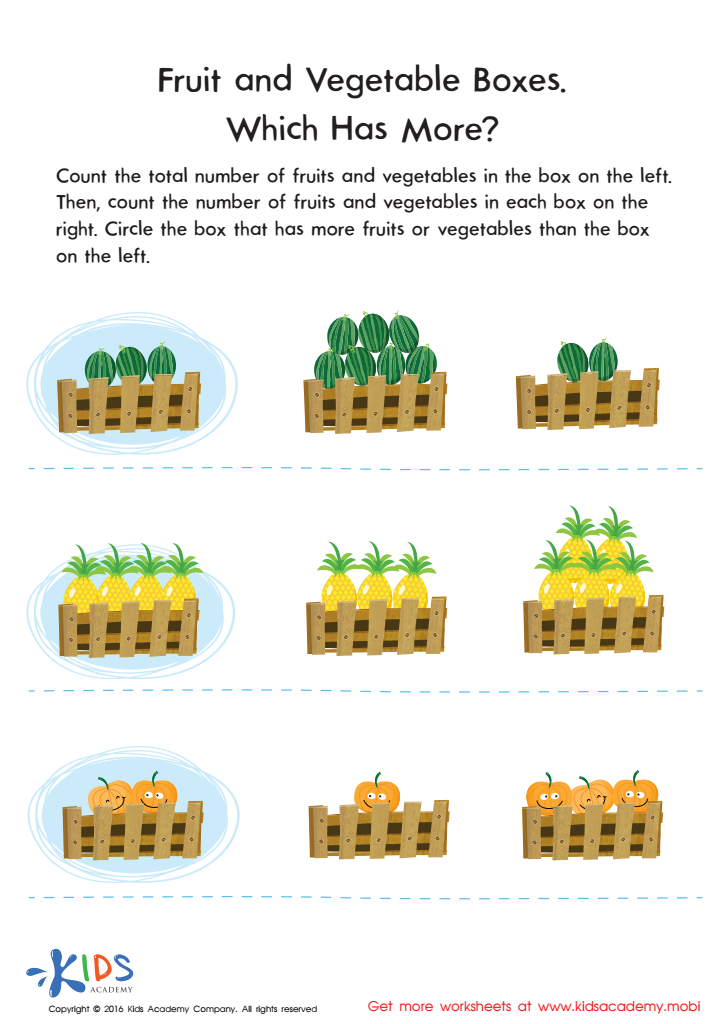
Which Has More? Size Worksheet
 Assign to My Students
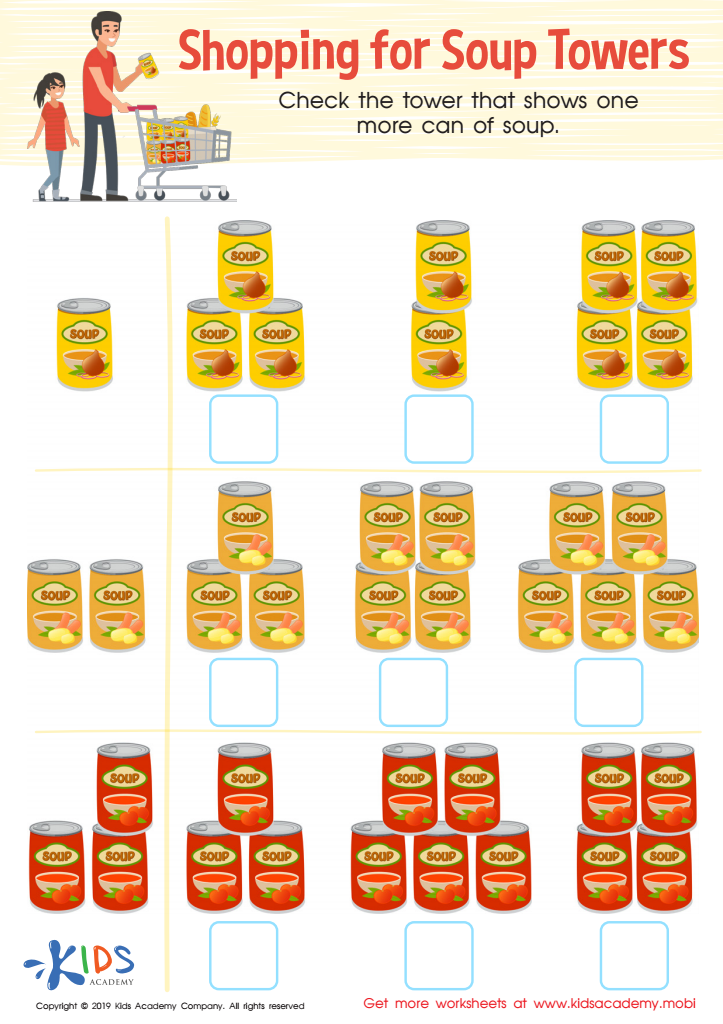
Soup Towers Worksheet
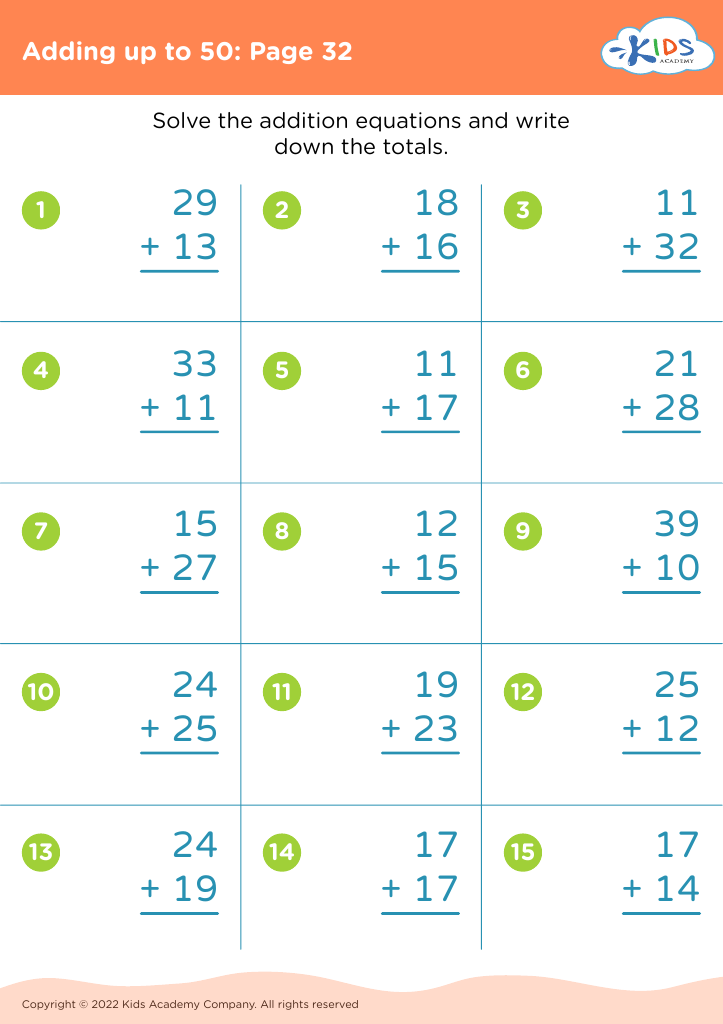







Understanding the concepts of more and less is crucial for children aged 5-8 as it lays the foundational blocks for their mathematical literacy. Mastery of these concepts enhances children's ability to compare quantities, which is essential not only in math but also in everyday life decisions. Grasping "more" and "less" helps foster critical thinking skills and promotes logical reasoning.
As children encounter counting, addition, and subtraction, recognizing these comparative terms will enhance their understanding of mathematical operations. This knowledge can influence their performance on assessments and ensure they stay on grade level in their academic journey. Additionally, a strong grasp of these basic concepts promotes confidence in their mathematical abilities.
Teachers and parents play a vital role in this learning process. Engaging children in interactive activities, such as using visual aids like blocks or drawing comparisons with everyday objects, can make learning fun and effective. Moreover, embedding discussions about more and less in daily situations—whether it’s distributing snacks or comparing toys—reinforces learning beyond the classroom.
In essence, caring about these foundational concepts builds not only academic skills but also essential life skills, paving the way for a well-rounded, confident learner.








