Understanding multiplication Math Worksheets for Ages 5-8 - Page 2
31 filtered results
-
From - To
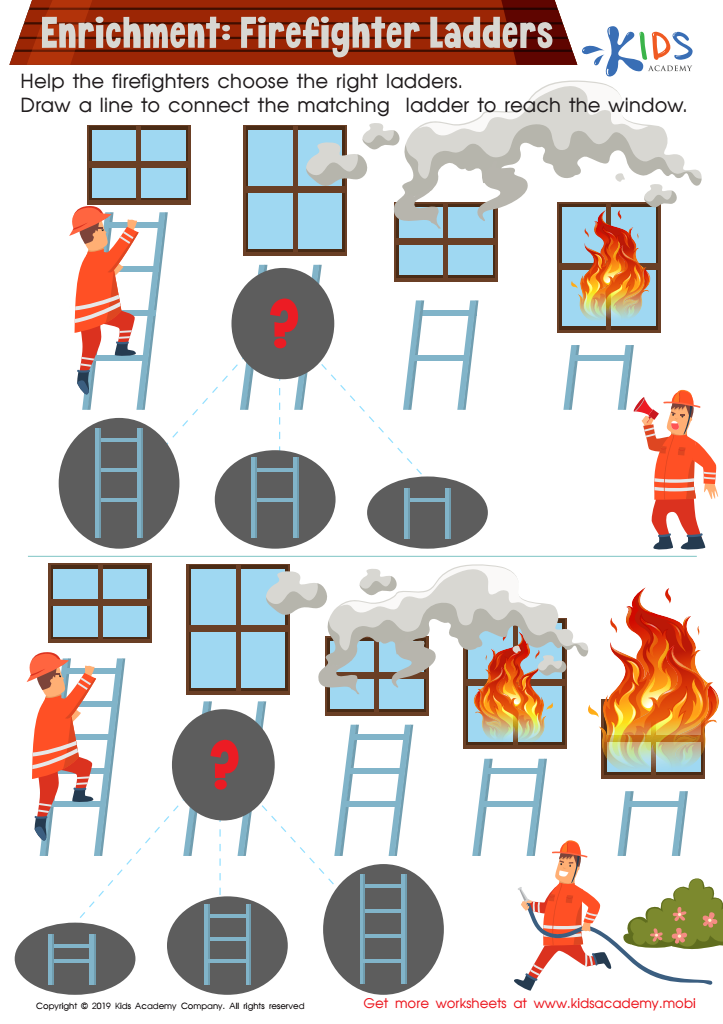
Enrichment: Firefighter Ladders Worksheet
 Assign to My Students
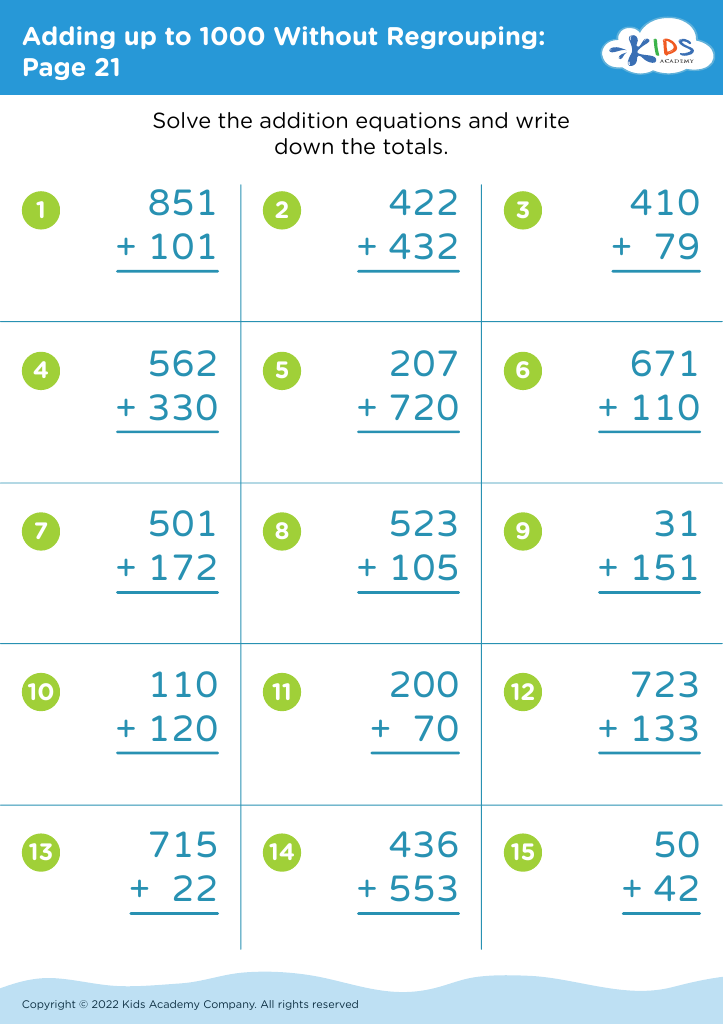
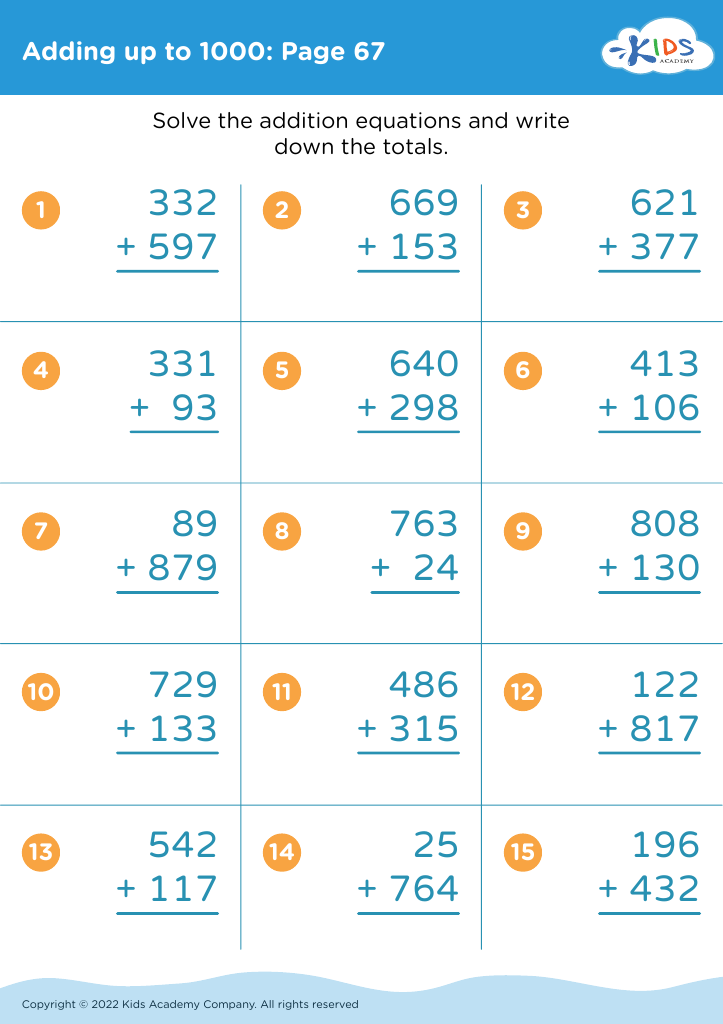





Understanding multiplication at an early age is crucial as it forms the foundation for more complex math skills. For ages 5-8, or early grades, introducing multiplication helps children develop strong number sense, essential for mathematical reasoning and problem-solving later on.
Parents and teachers should care because multiplication is not just about memorizing tables; it fosters logical thinking. Grasping the concept of groups and repeated addition broadens children's understanding of patterns and relationships among numbers. They become more comfortable with math, which boosts their confidence.
Multiplication is a gateway to more advanced topics, like division, fractions, and algebra. Early familiarity ensures smoother transitions as children progress through school. Moreover, practical applications of multiplication—such as in measurements, calculating money, or understanding time—make daily activities and future careers less daunting and more approachable.
A strong mathematical foundation also cultivates discipline and perseverance. When parents and teachers invest time in teaching multiplication in engaging and fun ways, such as through games and hands-on activities, they make math enjoyable, which is critical for fostering a long-term interest in the subject.
In summary, understanding multiplication early prepares children for future academic success, enhances their problem-solving skills, and instills a positive attitude towards math, which can have lifelong benefits.








