Understanding number values Math Worksheets for Ages 5-8
3 filtered results
-
From - To
Unlock the world of numbers with our "Understanding Number Values" math worksheets, designed specifically for children aged 5 to 8. These engaging resources help young learners grasp the concept of number values through fun and interactive activities. Each worksheet promotes counting, comparing, and identifying numbers, making foundational math skills approachable and enjoyable. Ideal for use at home or in the classroom, these worksheets encourage critical thinking and boost confidence in mathematical abilities. Unlock your child's potential with our vibrant, easy-to-use materials designed to foster a love for numbers. Dive into learning and watch their skills flourish!
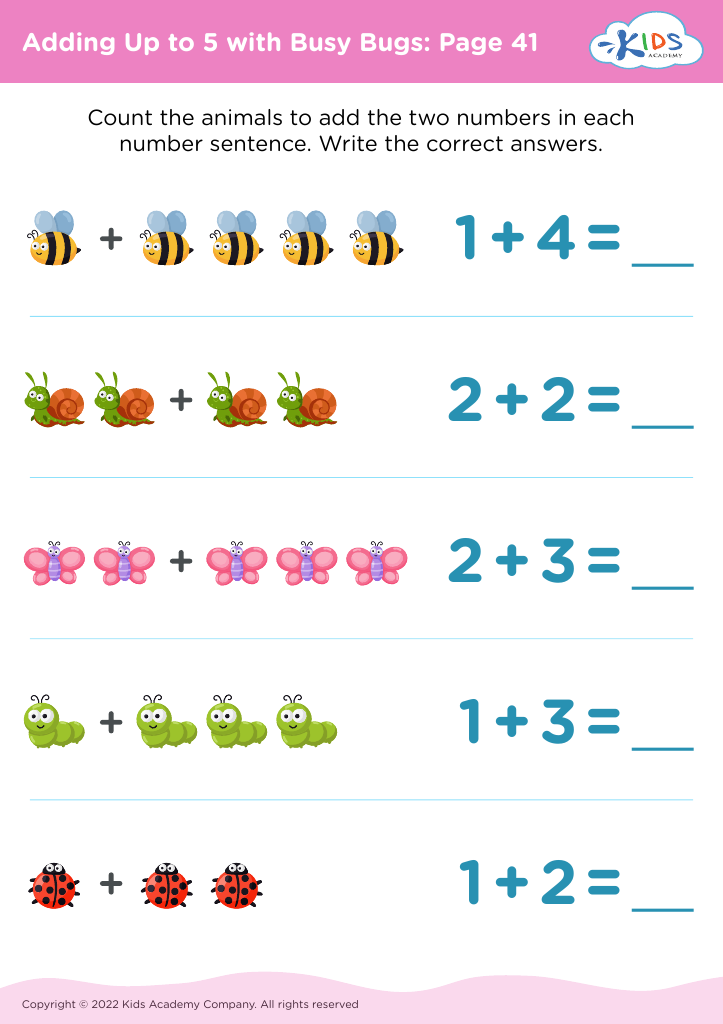
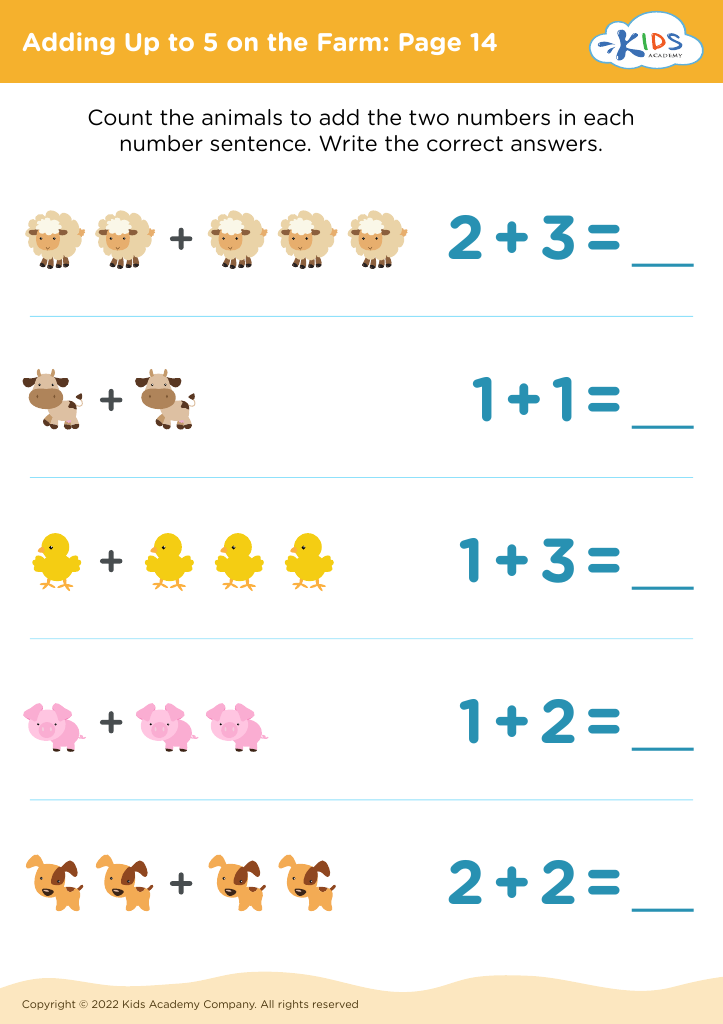
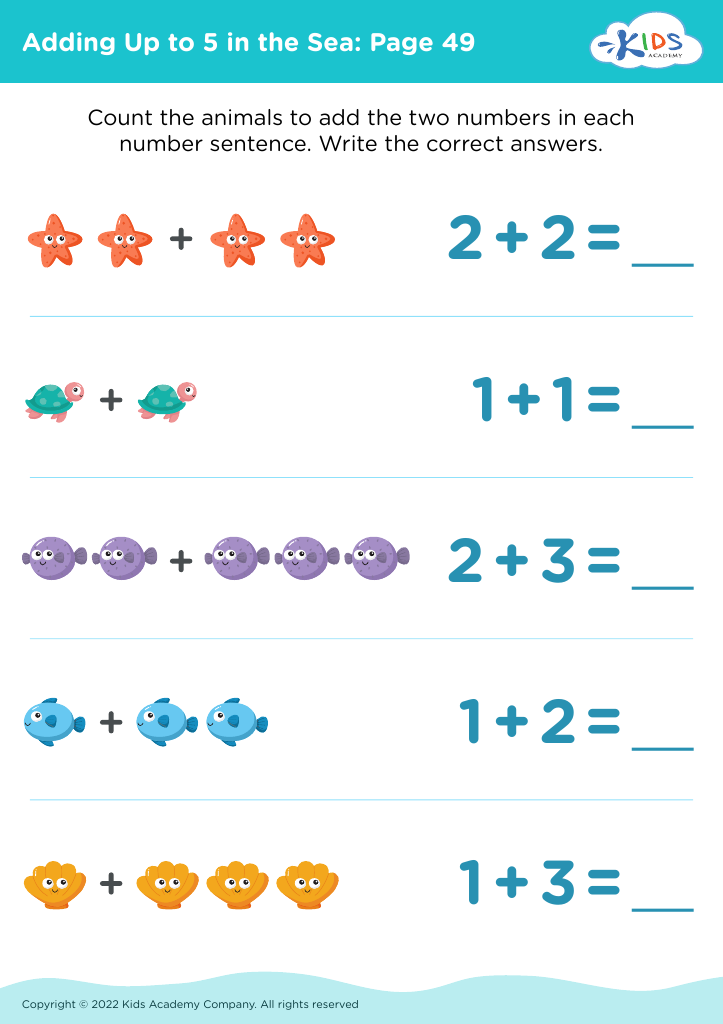








Understanding number values is foundational for children aged 5-8, as it sets the stage for their future mathematical success. At this early age, students begin to grasp essential concepts such as counting, number recognition, and the quantitative significance of digits. This foundational understanding fosters critical thinking skills, enabling children to compare quantities and make sense of the world around them.
For parents and teachers, nurturing number value comprehension is crucial because it influences overall academic performance. Math serves as a key indicator of future success in various subjects, and a solid grasp of number values allows children to tackle more complex mathematical concepts later on, such as addition, subtraction, and eventually, multiplication and division.
Additionally, a strong understanding of number values enhances problem-solving abilities in real-life situations, such as budgeting allowance or measuring ingredients while cooking. When children grasp these concepts early, they develop a positive attitude toward math, reducing anxiety and building confidence. Consequently, parents and teachers play a vital role in creating an engaging learning environment that emphasizes the relevance of number values, ensuring that children not only learn math but also appreciate its importance in everyday life. Empowering children with math skills today lays the foundation for a successful future.








