Practicing subtraction Place Value Worksheets for Ages 5-8
3 filtered results
Difficulty Level
Grade
Age
-
From - To
Subject
Activity
Standards
Discover engaging and educational subtraction place value worksheets designed specifically for children aged 5 to 8. Our carefully crafted materials help young learners master essential subtraction skills while developing a strong understanding of place value concepts. Each worksheet features age-appropriate exercises that encourage interactive learning and foster confidence in mathematics. Parents and teachers will appreciate the clear instructions and varied activities aimed at making arithmetic both fun and effective. Perfect for at-home practice or classroom use, these worksheets are an excellent resource for reinforcing important skills, allowing children to explore subtraction in a playful, supportive environment. Start building a solid math foundation today!
Favorites
With answer key
Interactive
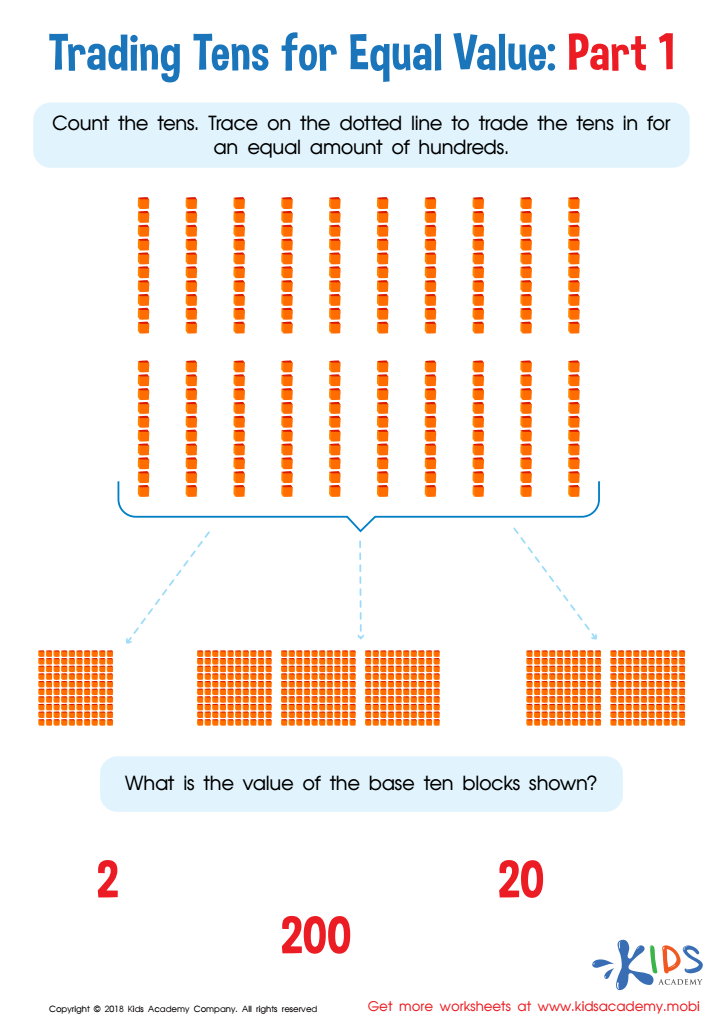
Trading Tens for Equal Value Worksheet: Part 1
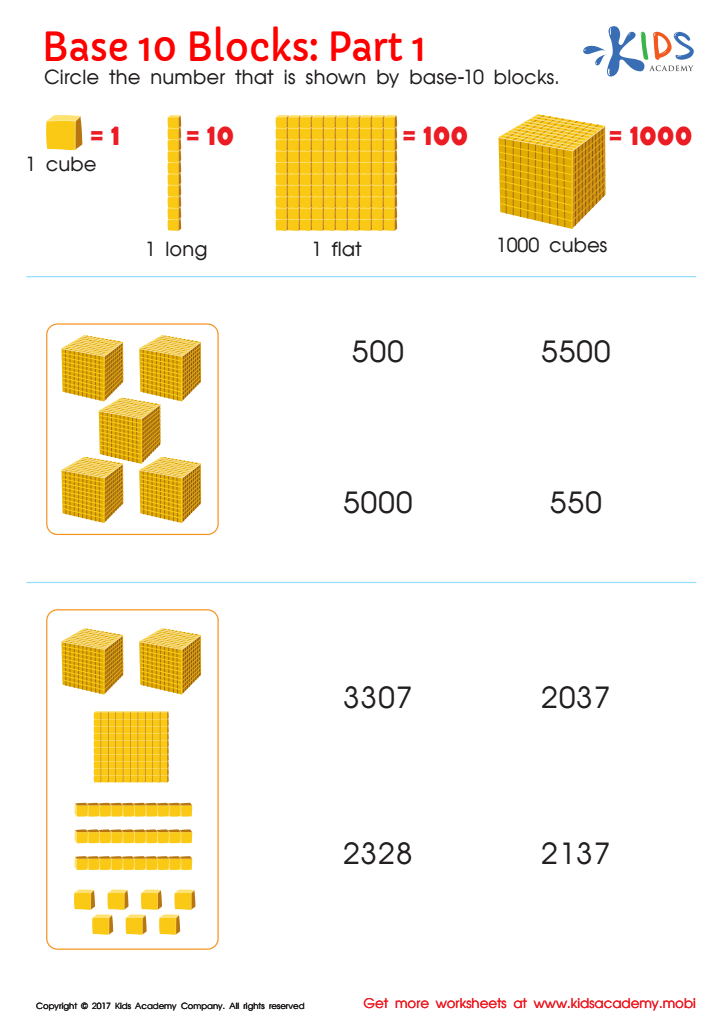
This worksheet helps 3rd graders count large numbers and recognize base numbers. It lists 10 cubes and asks students to identify the hundreds, then circle the base blocks. This colorful pdf provides a fun, visual way to help students strengthen their math basics.
 Assign to My Students
Trading Tens for Equal Value Worksheet: Part 1
Worksheet

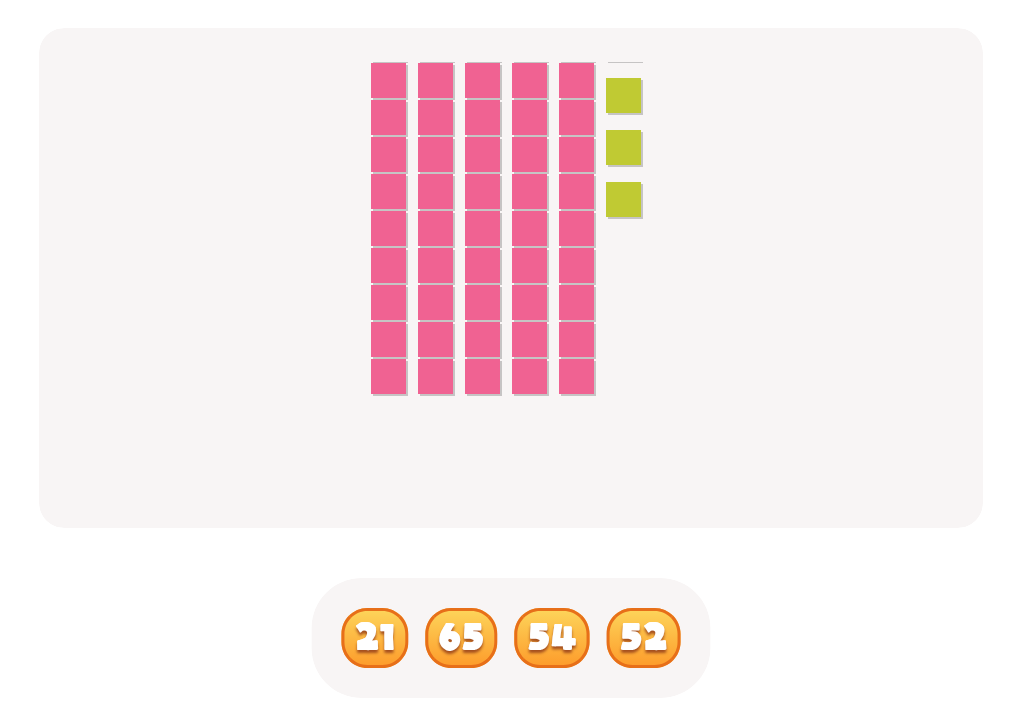
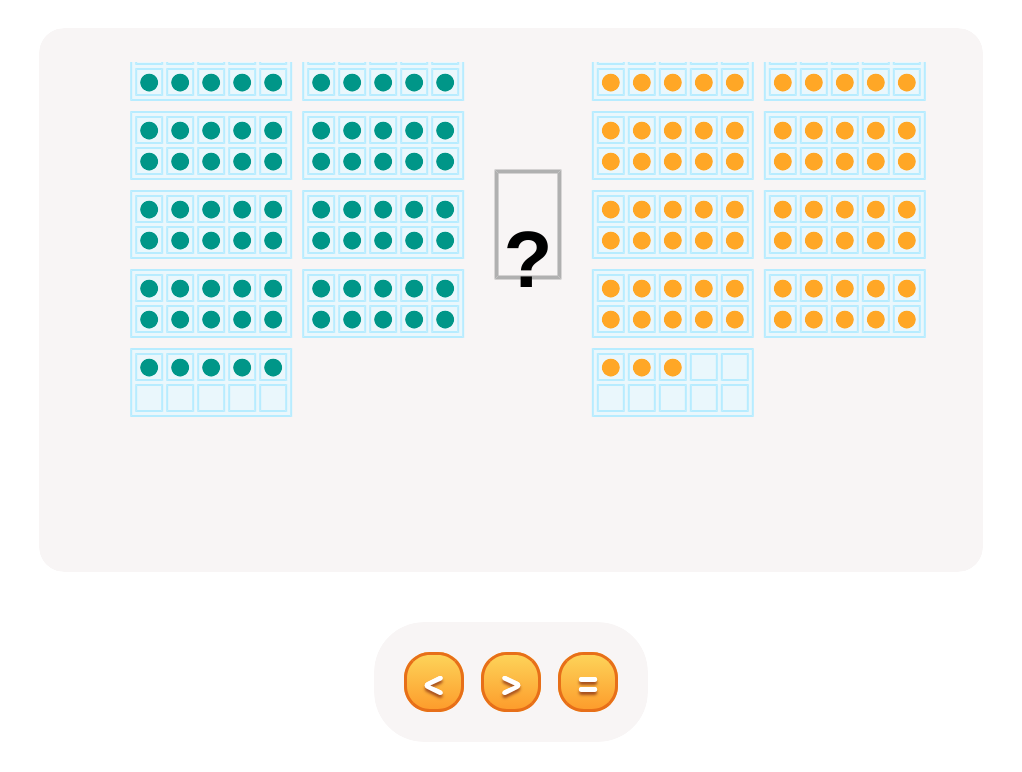
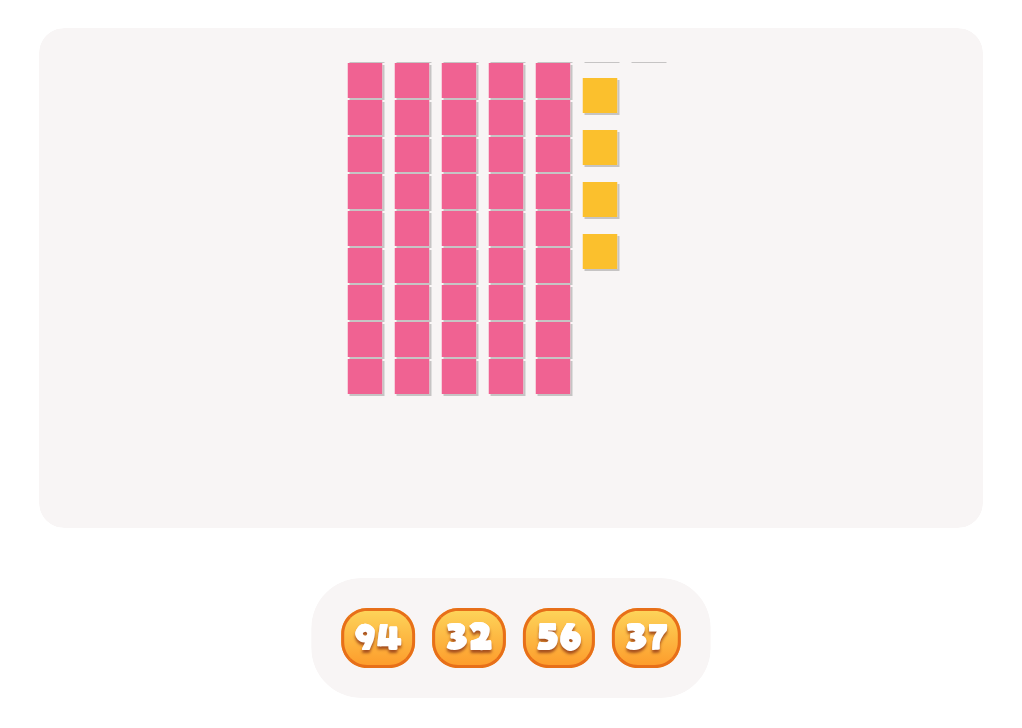
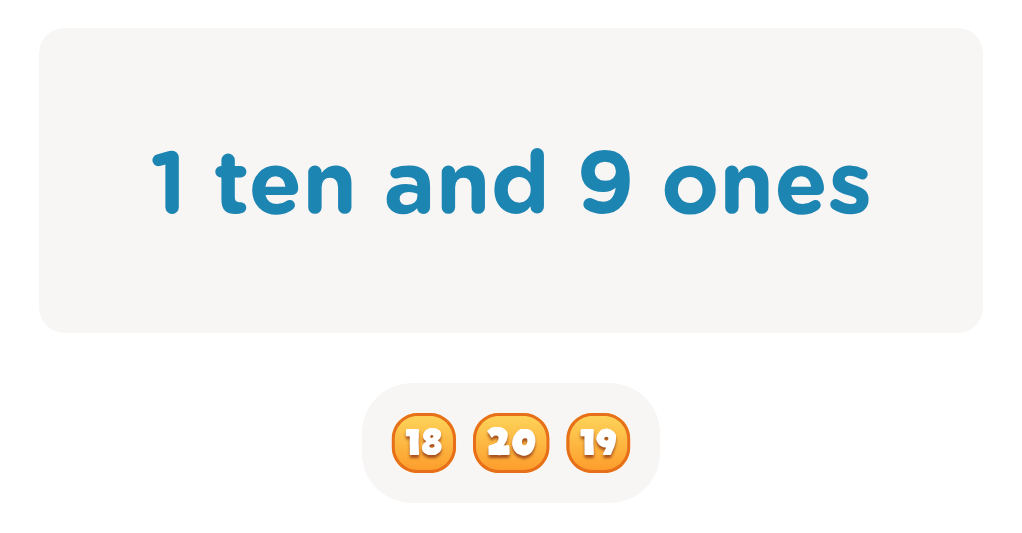
Place Value Thousands Worksheet
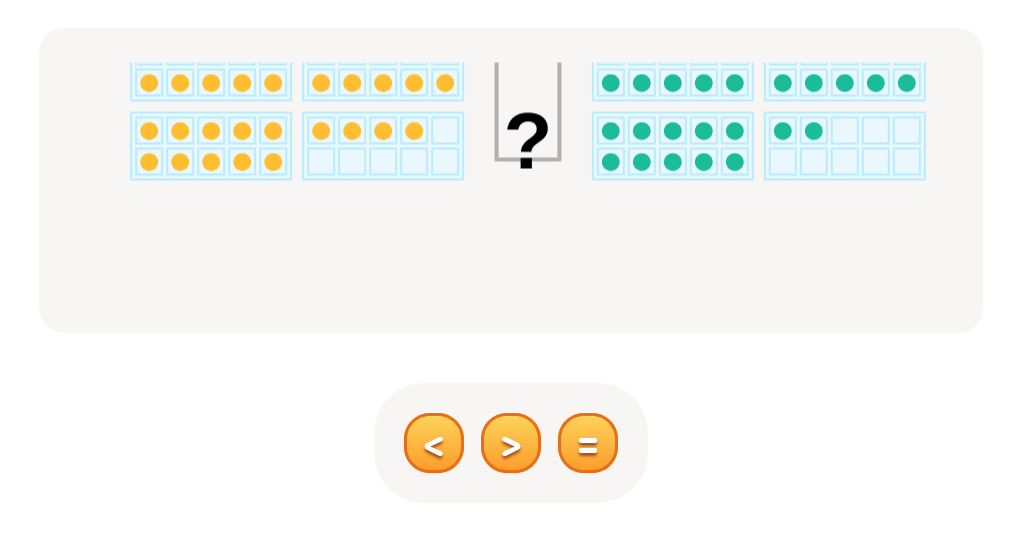
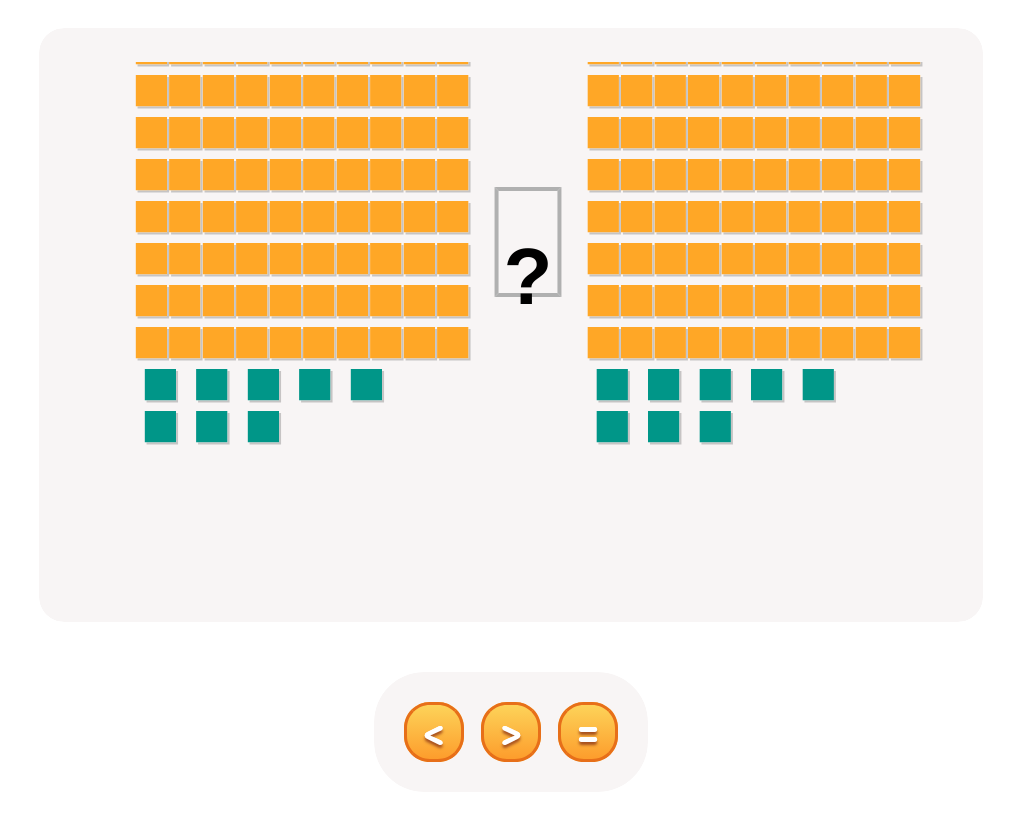
Kids aged 8+ can tackle the challenge of understanding place value with this thousands worksheet! It'll help develop their number sense and equip them with the skills to work with numbers up to the thousands.
Place Value Thousands Worksheet
Worksheet
Trading Tens for Equal Value Worksheet: Part 2
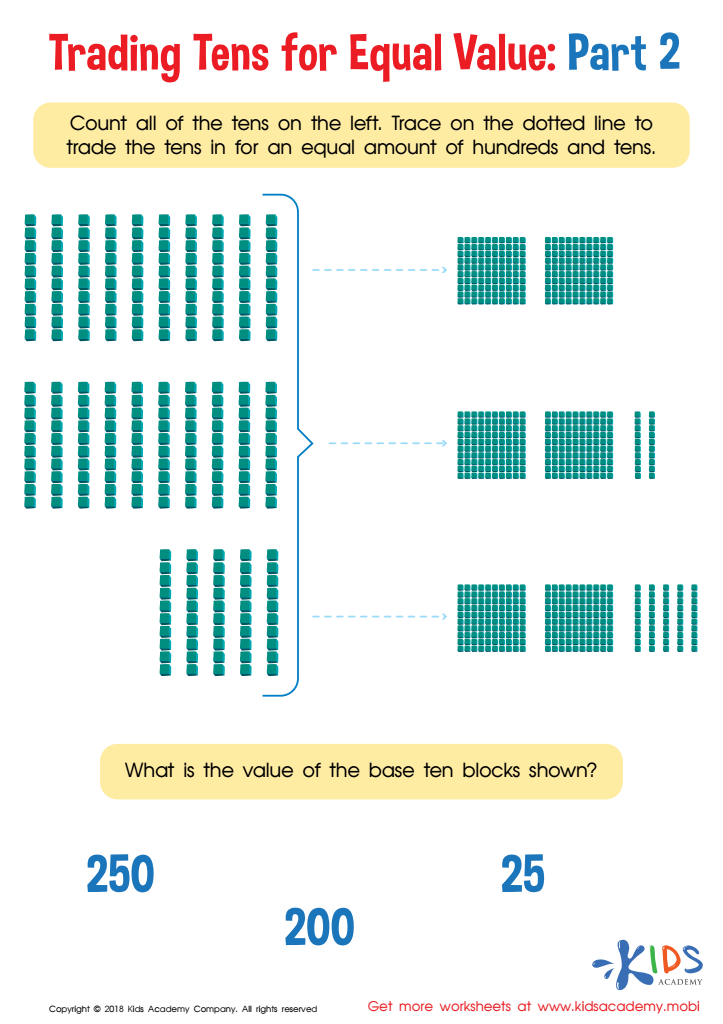
Exchange coins for bills and cubes for longs or flats with this helpful place value worksheet! Encourage children to count all the tens, then trace the dotted line to the correct answer and determine the value. This concept can be tricky to teach in elementary math, but this worksheet can help!
Trading Tens for Equal Value Worksheet: Part 2
Worksheet
Join Kids Academy for Free
Who is primarily going to use this learning content?








Practicing subtraction with a solid understanding of place value is crucial for children aged 5-8 for several reasons. Firstly, place value forms the foundation of our number system, helping children comprehend that digits in a number represent quantities based on their position. This foundational concept is essential not only for subtraction, but also for all arithmetic operations as they progress in math.
When children practice subtraction while considering place value, they become adept at breaking down numbers into manageable parts. For example, understanding that 47 can be represented as 40 + 7 enables them to perform subtraction in a more logical and structured manner. Additionally, this practice enhances mental math skills, as children learn to subtract across tens and units efficiently.
Moreover, developing strong place value skills fosters greater confidence in children’s mathematical abilities. As parents and teachers reinforce these concepts through engaging activities—like games and hands-on manipulatives—they can make learning enjoyable, leading to a more positive attitude towards math. Ultimately, a firm grasp of subtraction and place value helps children create a solid mathematical foundation, setting the stage for more complex operations in the future and achieving academic success.