Improve reading comprehension Reading Non-Fiction Worksheets for Ages 5-8
6 filtered results
-
From - To
Boost your child's reading comprehension with our engaging Non-Fiction Worksheets designed specifically for ages 5-8! These carefully crafted resources foster critical thinking and enhance understanding of informational text. By providing interactive exercises and captivating topics, kids will explore the world around them while building essential literacy skills. Our worksheets encourage learners to analyze key concepts, answer comprehension questions, and connect ideas, making learning both enjoyable and effective. Ideal for home reinforcement or classroom activities, our Non-Fiction Worksheets are a fantastic way to cultivate a lifelong love for reading while improving comprehension. Start nurturing your child's learning journey today!
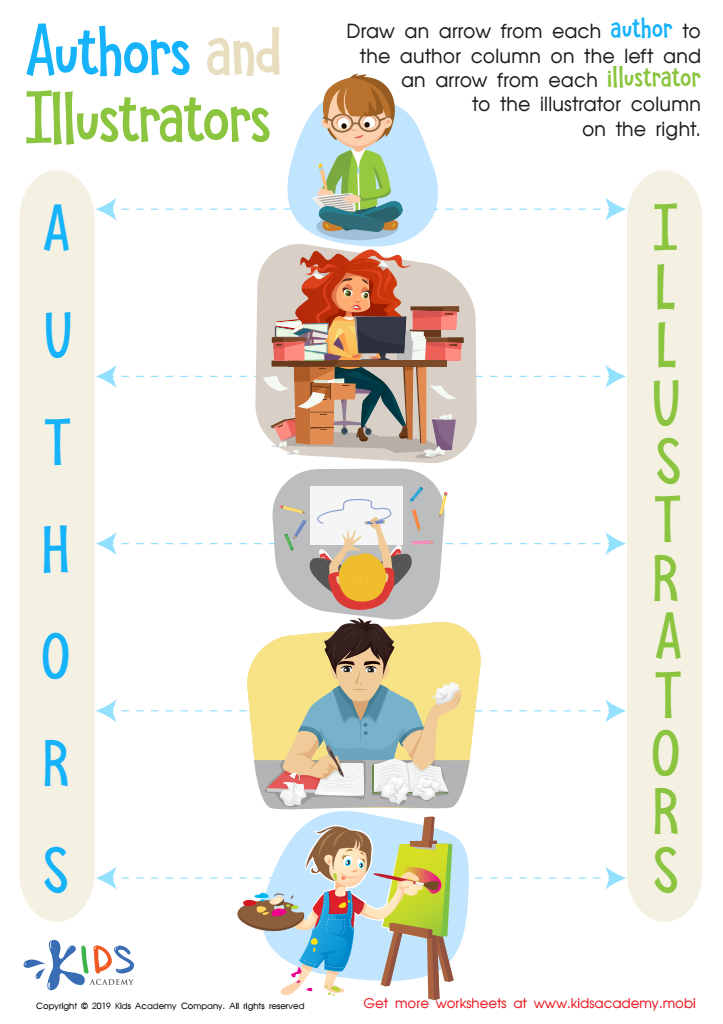
Authors and Illustrators Worksheet
 Assign to My Students
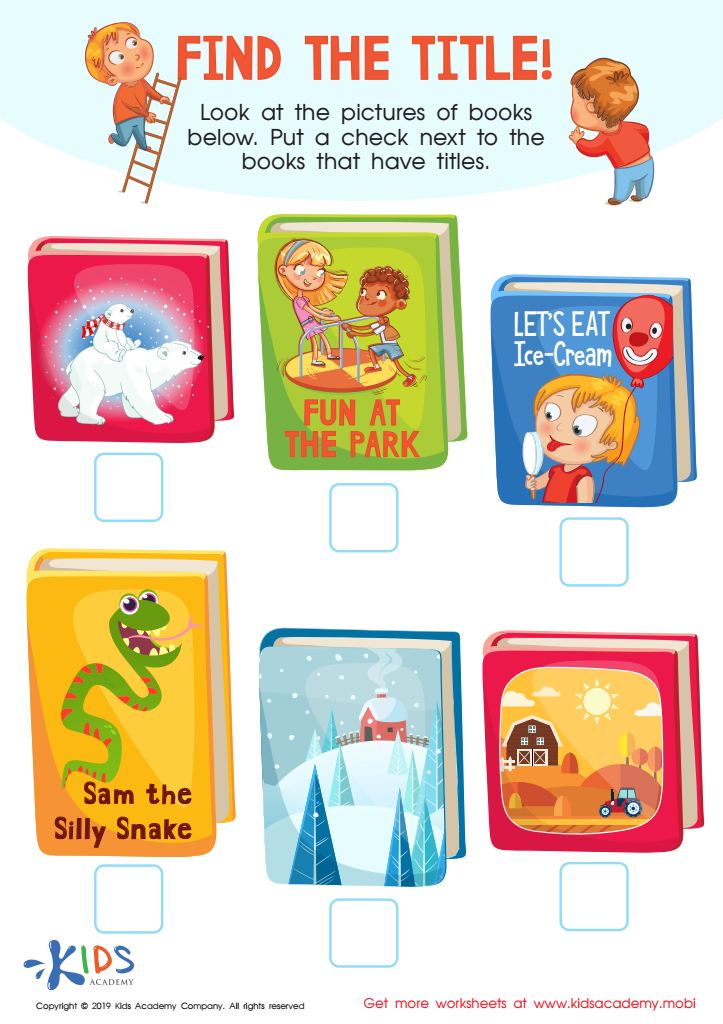
Find the Title Worksheet
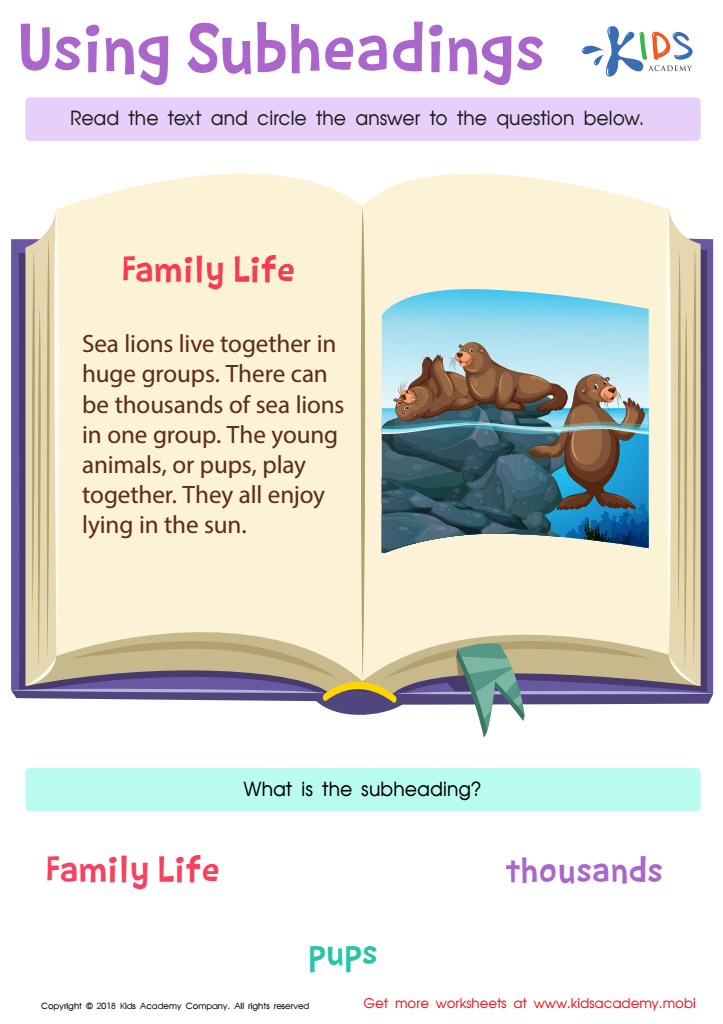
Using Subheadings Worksheet
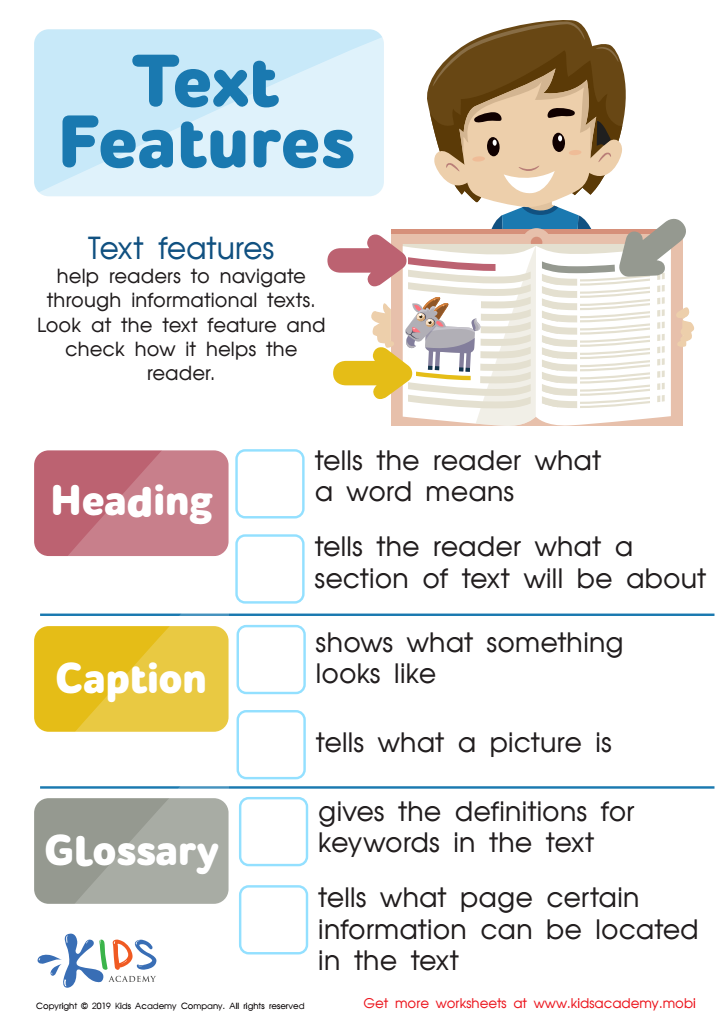
Text Features Worksheet
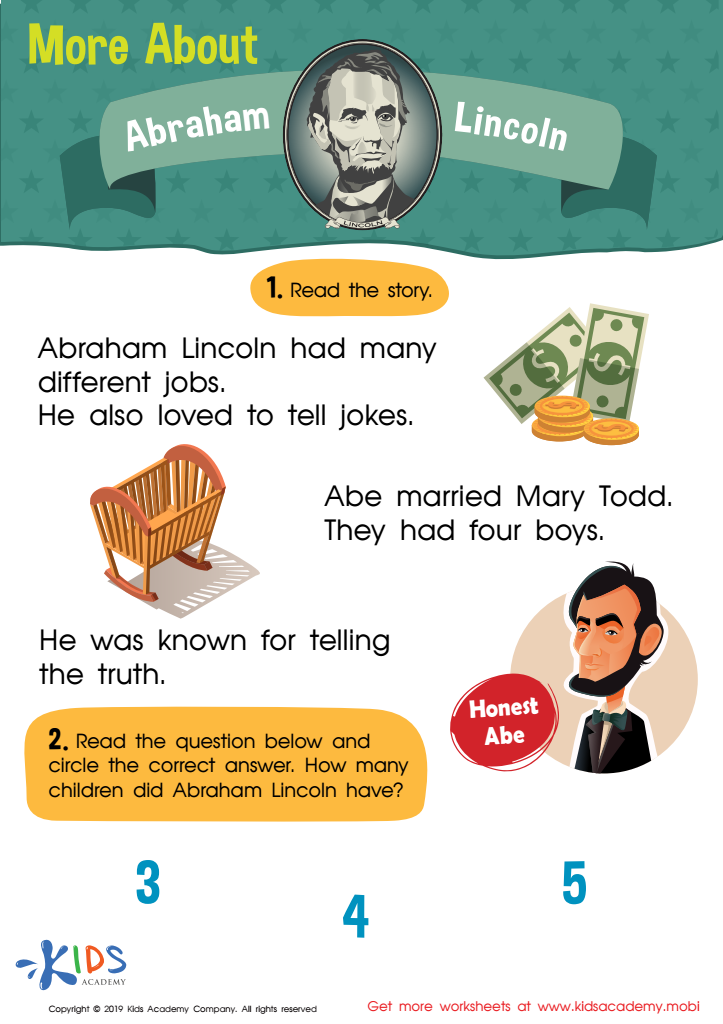
More About Abraham Lincoln Worksheet
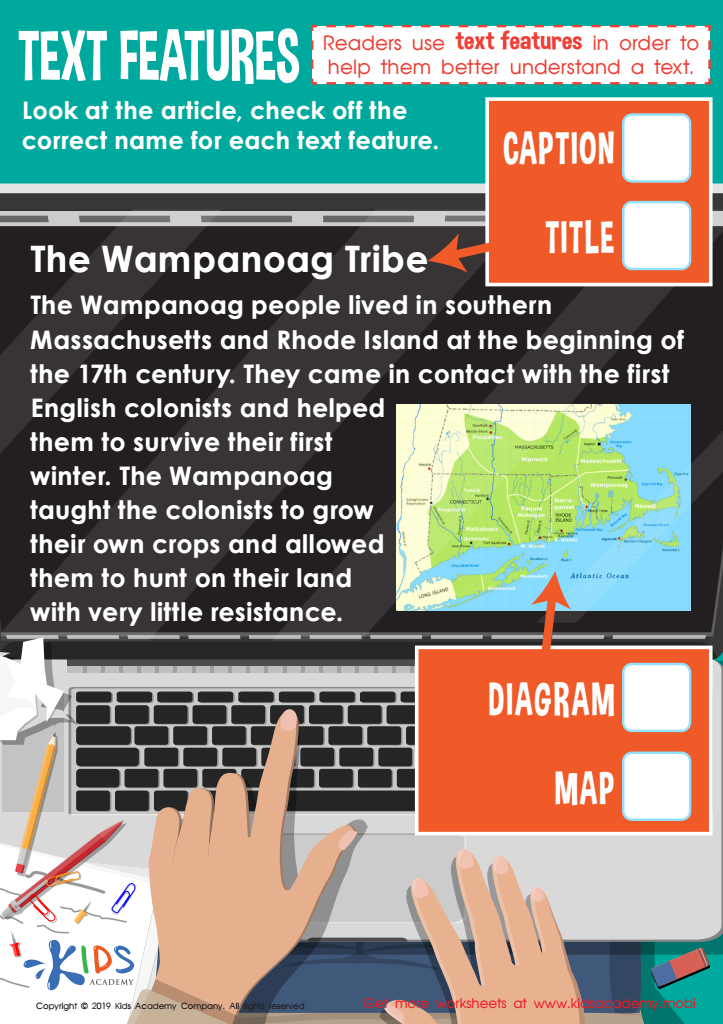
Text Features Worksheet








Reading comprehension is a crucial skill for young learners, especially when it comes to non-fiction texts, which expose them to real-world information and foster critical thinking. For ages 5-8, this stage in literacy development lays the foundation for future learning. Parents and teachers should prioritize improving reading comprehension in non-fiction for several reasons. Firstly, non-fiction allows children to explore various subjects such as science, geography, and history, enriching their knowledge and vocabulary while piquing their curiosity about the world.
Enhancing comprehension skills at this age means learners become adept at identifying main ideas, summarizing information, and making connections, which translates into better overall academic performance. Additionally, strong comprehension skills develop independent thinkers who can analyze information critically, a vital life skill in today’s information-rich environment.
Engaging with non-fiction not only cultivates a love for reading but also prepares children for real-life applications, helping them to become informed citizens. When parents and teachers support these skills, they empower children to engage actively in discussions, boost their confidence, and promote a lifelong love for learning. Therefore, focusing on non-fiction comprehension is indispensable for nurturing well-rounded, academically successful, and curious individuals.








