Number identification Sight Words Worksheets for Ages 5-8
5 filtered results
Difficulty Level
Grade
Age
-
From - To
Subject
Activity
Standards
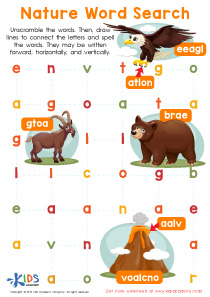
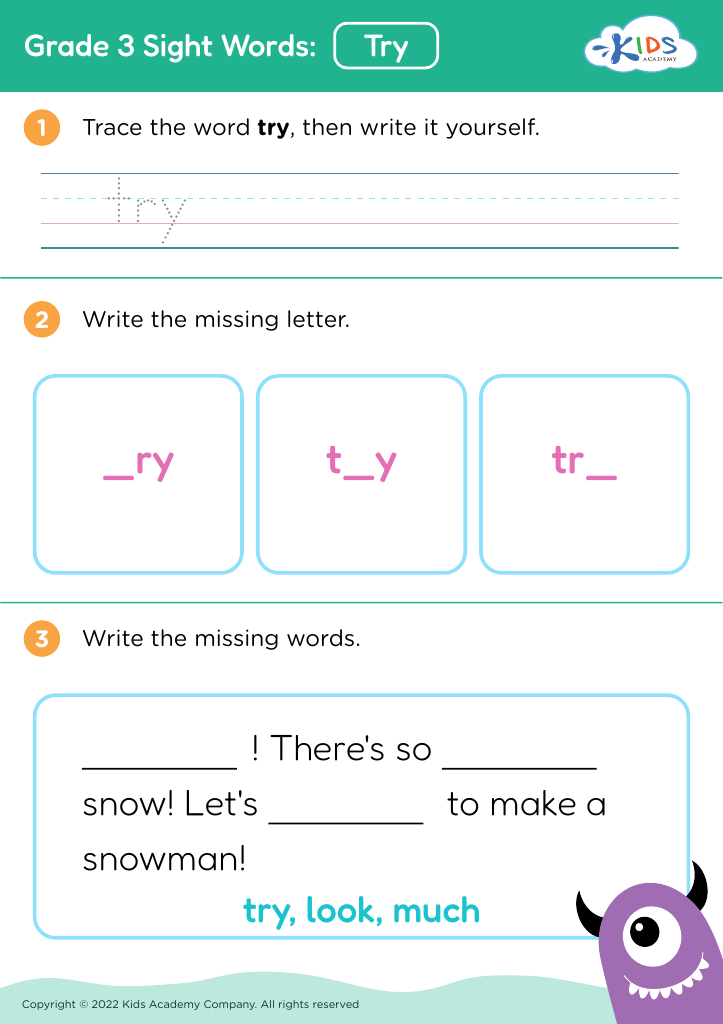
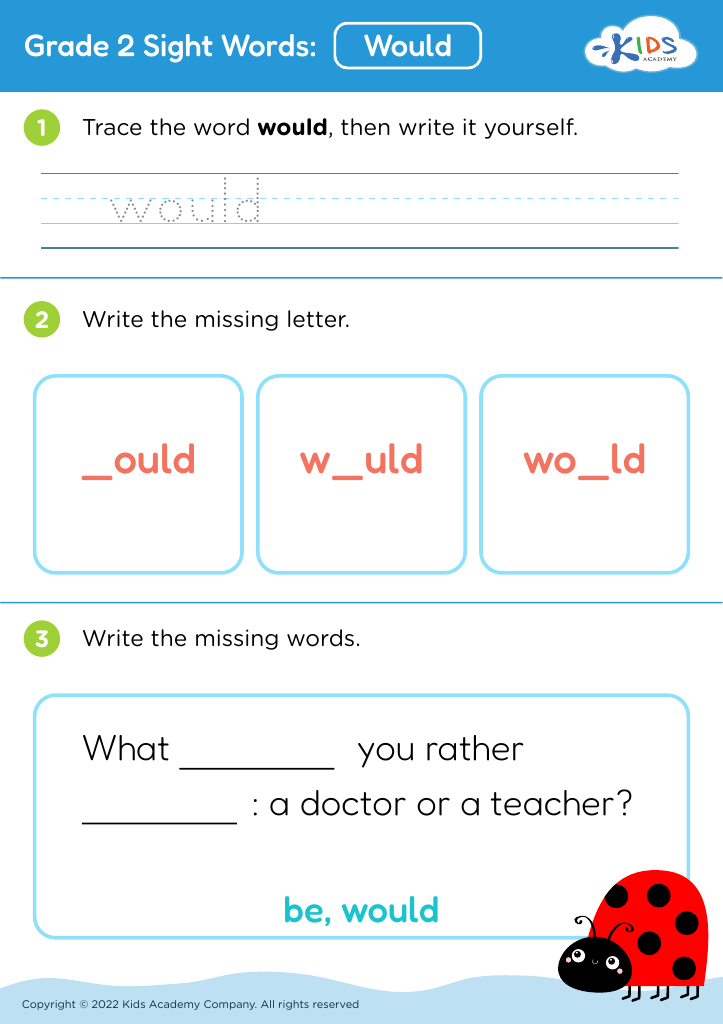
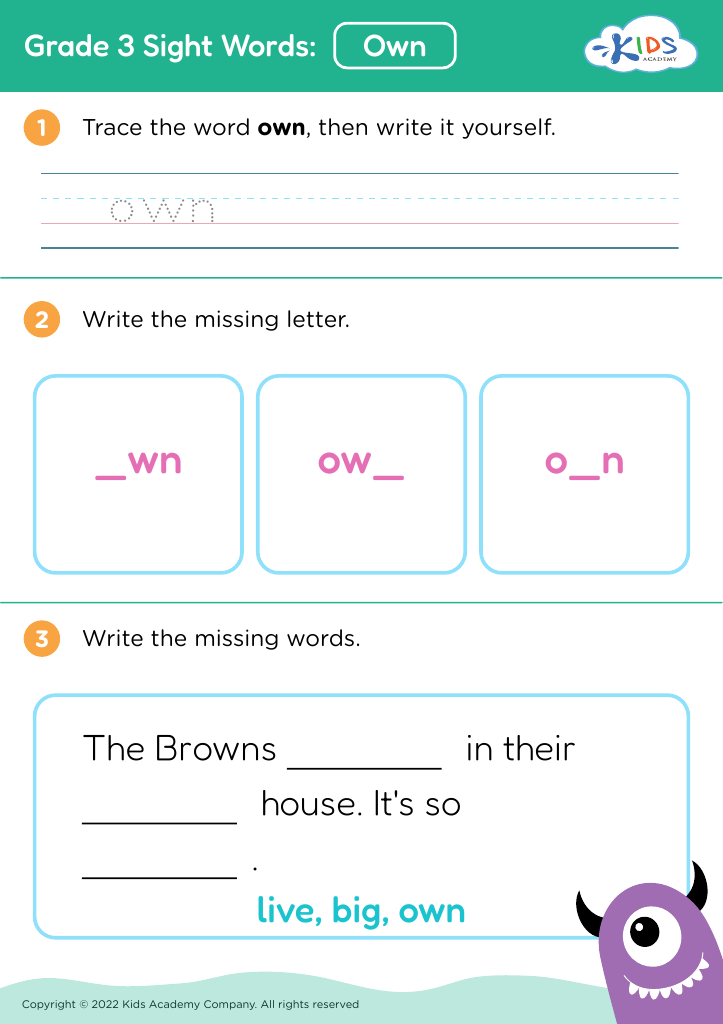
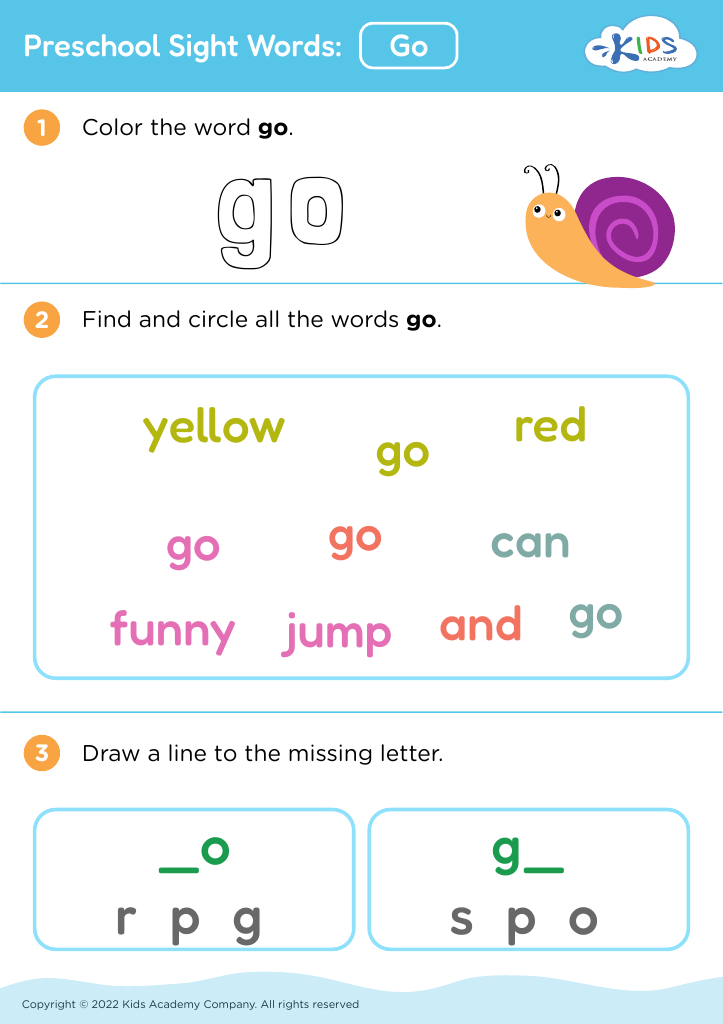
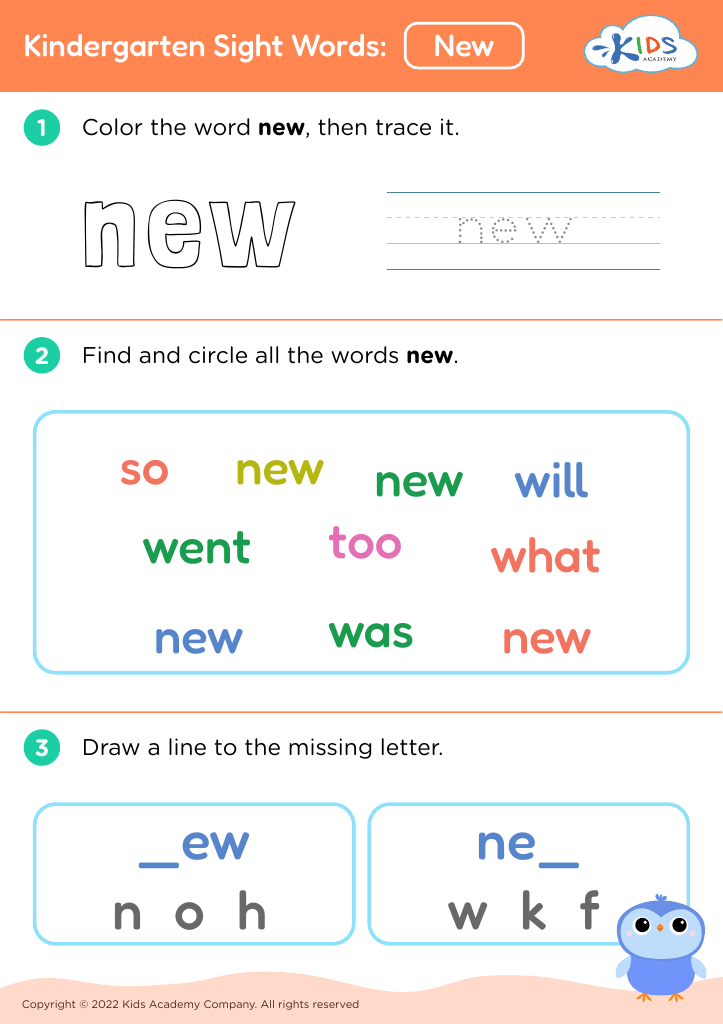
Discover our engaging "Number Identification Sight Words Worksheets" designed specifically for children aged 5-8. These interactive worksheets help young learners master number recognition alongside essential sight words, enhancing both their literacy and numeracy skills. Each activity is crafted to be fun and educational, featuring vibrant illustrations and relatable contexts that keep children motivated. By combining number identification with sight word practice, these worksheets provide a comprehensive approach to early learning. Perfect for homeschooling or classroom use, our resources empower educators and parents to support children's growth in foundational math and language skills. Start your child's learning journey today!
Favorites
With answer key
Interactive







Join Kids Academy for Free
Who is primarily going to use this learning content?








Number identification and sight words are crucial foundational skills for children aged 5-8, and both parents and teachers should prioritize them for several important reasons. Firstly, number identification helps children develop early mathematical skills, enabling them to recognize numbers, understand counting, and grasp basic operations. This mathematical foundation enhances their problem-solving abilities and encourages logical thinking, which is vital in everyday life.
Similarly, sight words are integral to early literacy; they are commonly used words that children are encouraged to recognize automatically. By mastering sight words, children can improve their reading fluency and comprehension, leading to greater confidence and enjoyment in reading. This understanding strengthens their vocabulary and encourages a love for books, which is essential for lifelong learning.
By focusing on these skills, parents and teachers can create a supportive learning environment that fosters academic success. Engaging children in activities that promote number recognition and sight word identification can lead to improved performance in school and a solid foundation for more complex concepts in the future. Ultimately, nurturing these skills during the formative years can significantly impact a child's educational journey and prepare them for success in all areas of learning.