Sentence construction Sight Words Worksheets for Ages 5-8
3 filtered results
-
From - To
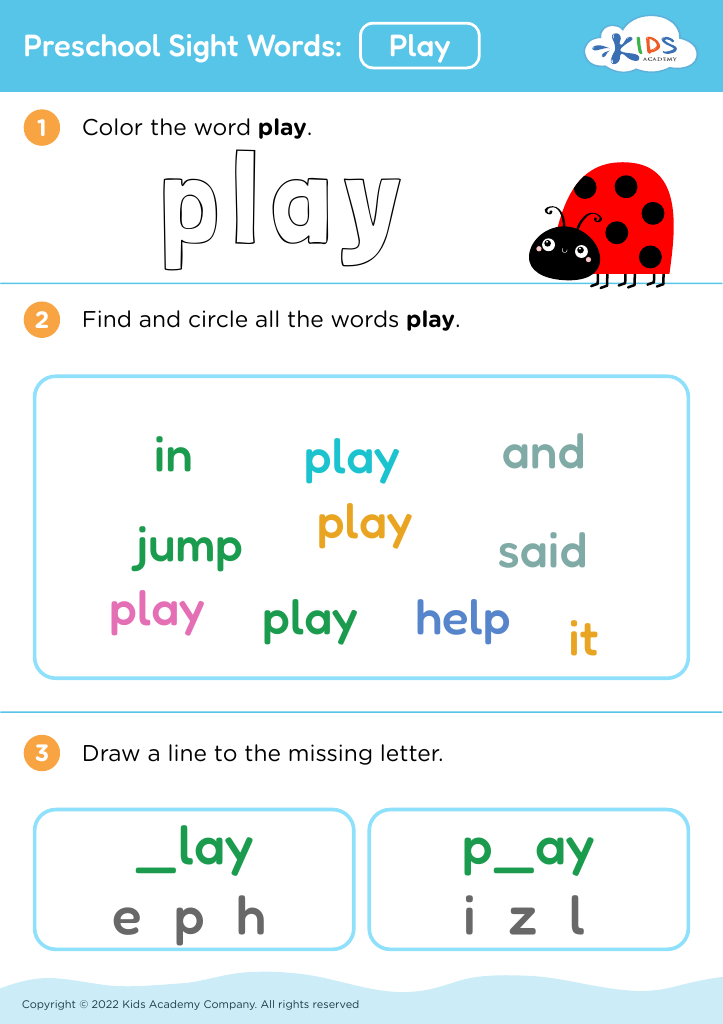
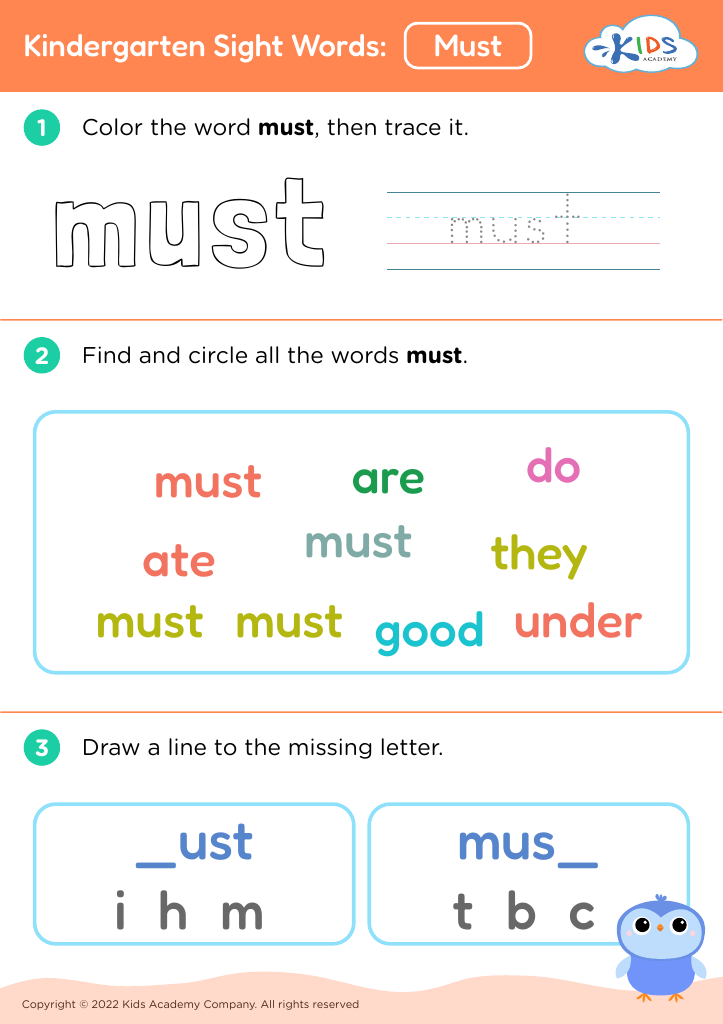
Enhance your child's reading skills with our engaging Sentence Construction Sight Words Worksheets for ages 5-8. Designed to support young learners, these worksheets focus on essential sight words, enabling children to form meaningful sentences while boosting their vocabulary and comprehension. Each worksheet features interactive exercises that make learning fun, fostering a love for reading in your child. Perfect for home or classroom use, our materials promote essential literacy skills through hands-on practice. Watch your little ones gain confidence as they craft sentences independently! Explore our collection and unlock your child's potential in reading and writing today!
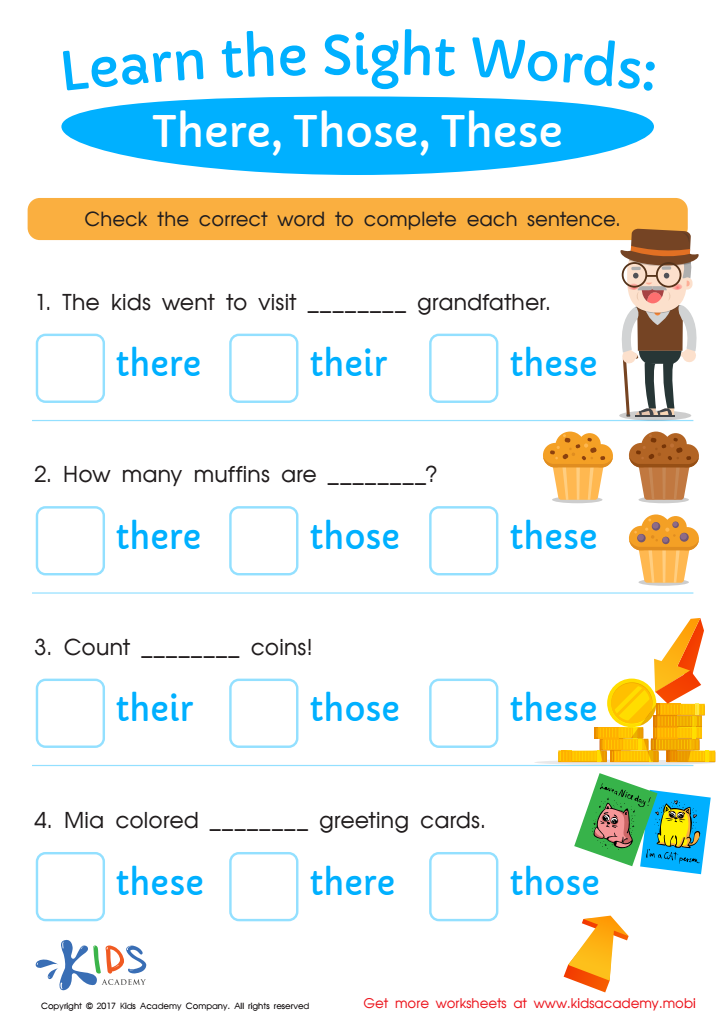
There, Those and These Sight Words Worksheet
 Assign to My Students













Sentence construction and sight words are fundamental components of literacy development for children aged 5-8. For parents and teachers, understanding and nurturing these skills is crucial for several reasons.
Firstly, sentence construction helps children articulate their thoughts clearly, fostering effective communication. By learning how to organize words correctly, children develop critical thinking skills, as they must understand the relationships between words and how they fit together grammatically. This ability enhances their spoken and written expression, which is essential not just in school, but throughout life.
Secondly, sight words are crucial for early reading success. These are common words that children should recognize instantly, which aids in developing reading fluency. As they become more proficient in recognizing sight words, they can focus on comprehension, which ultimately leads to a more enjoyable reading experience.
Moreover, mastering sentence construction and sight words builds confidence in young learners. When children can express themselves effectively and read easily, they are more likely to engage positively with learning. In summary, investing time in these foundational literacy skills ensures that children create a robust framework for future academic success and a lifelong love of reading and communication. Therefore, both parents and teachers should prioritize these areas in their educational approaches.