Motor skills development ABC Letters Worksheets for Ages 5-9
3 filtered results
-
From - To
Unlock your child's potential with our engaging Motor Skills Development ABC Letters Worksheets designed for ages 5-9! These fun, interactive worksheets encourage children to practice essential motor skills while learning the alphabet. Each activity combines tracing, coloring, and writing exercises, promoting hand-eye coordination, fine motor control, and literacy skills. Ideal for home or classroom use, our worksheets provide a comprehensive approach to early childhood education, ensuring your child’s learning experience is both enjoyable and effective. Watch as they build confidence in their writing abilities while becoming familiar with the ABCs. Get started on their learning adventure today!

Letter H Tracing Page










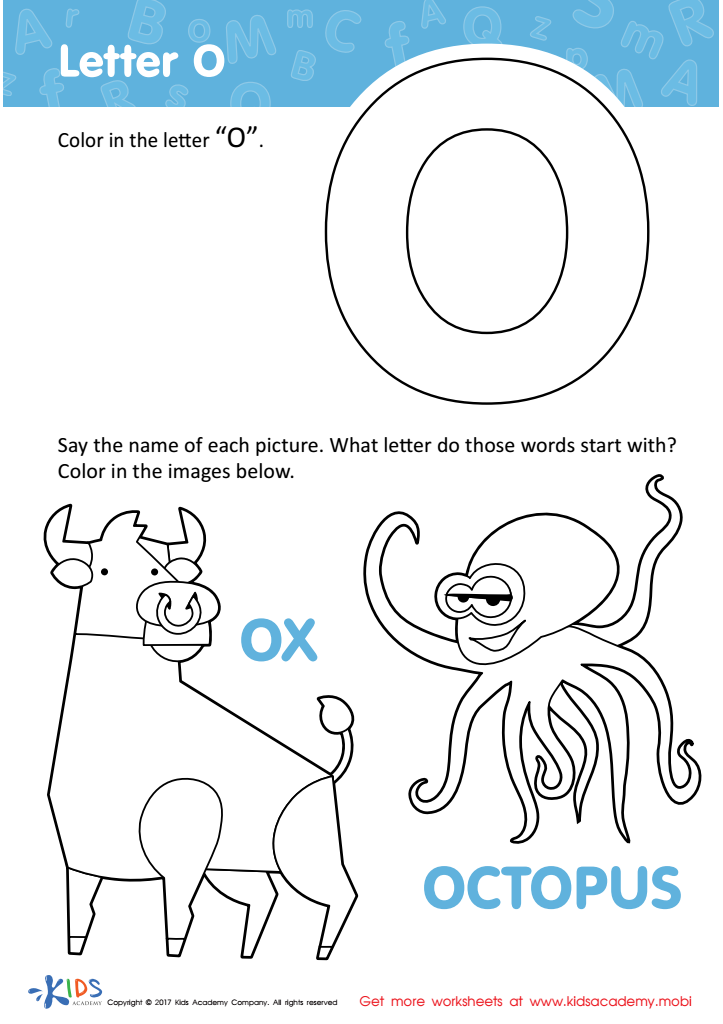
Letter O Coloring Sheet
 Assign to My Students
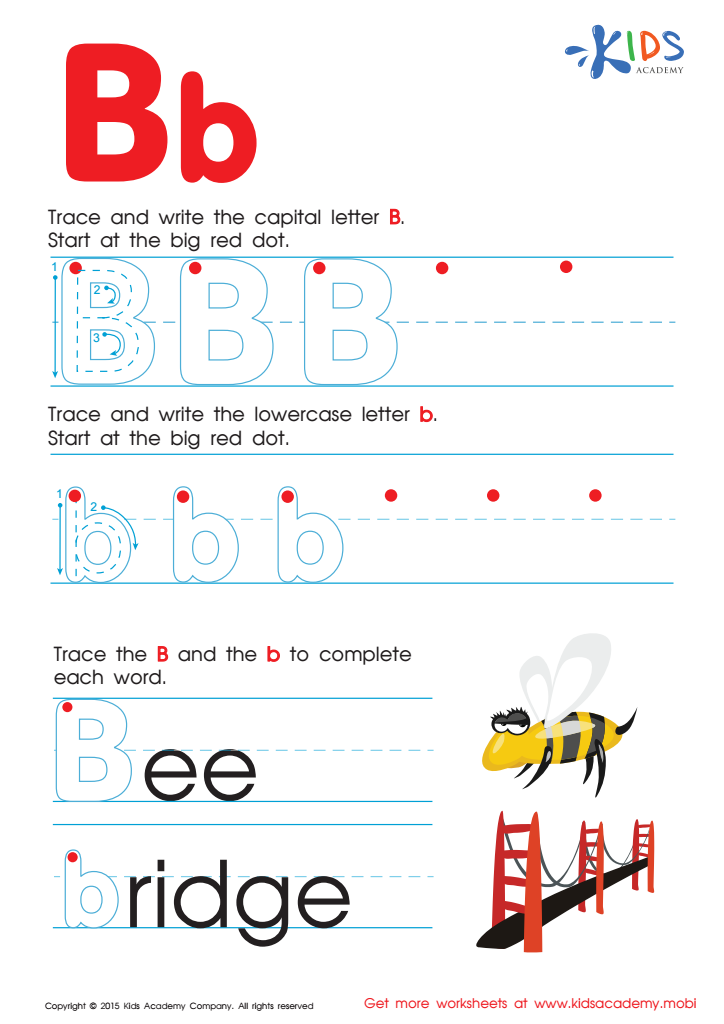
Letter B Tracing Page







Motor skills development is crucial for children aged 5-9, as it plays a significant role in their overall growth and learning. Proficient motor skills—both fine and gross—are essential for tasks such as writing, drawing, and engaging in physical activities. For instance, learning to identify and write the ABC letters is foundational for literacy; it sets the stage for effective reading and communication skills.
Parents and teachers should prioritize this development because mastering these skills fosters self-confidence and independence in children. As they navigate tasks that require motor skills, they develop cognitive connections that enhance problem-solving abilities and creativity. Additionally, strong motor skills aid in social interactions, allowing children to participate in group activities, share toys, and engage in cooperative games, promoting teamwork and communication.
Furthermore, supporting motor skills development can help identify learning difficulties early on. If a child struggles with basic motor tasks, it may indicate potential issues that require attention. By fostering a well-rounded environment focusing on motor skills, parents and teachers contribute to healthier, more engaged, and academically successful children. Ultimately, a strong foundation in motor skills equips children with essential tools for lifelong learning and physical activity.







