Phonics practice Consonants Worksheets for Ages 5-9
5 filtered results
-
From - To
Enhance your child's literacy skills with our Phonics Practice Consonants Worksheets, designed specifically for ages 5-9. These engaging and fun worksheets help young learners master consonant sounds, an essential building block for reading and spelling. Each resource is thoughtfully crafted to reinforce phonetic awareness through vibrant illustrations, interactive activities, and exciting exercises. Children will enjoy identifying and practicing consonants in various contexts, ensuring a solid foundation in phonics. Ideal for classroom use or home study, our worksheets cater to diverse learning styles while promoting language development and reading confidence. Explore our collection today and support your child's journey towards literacy success!
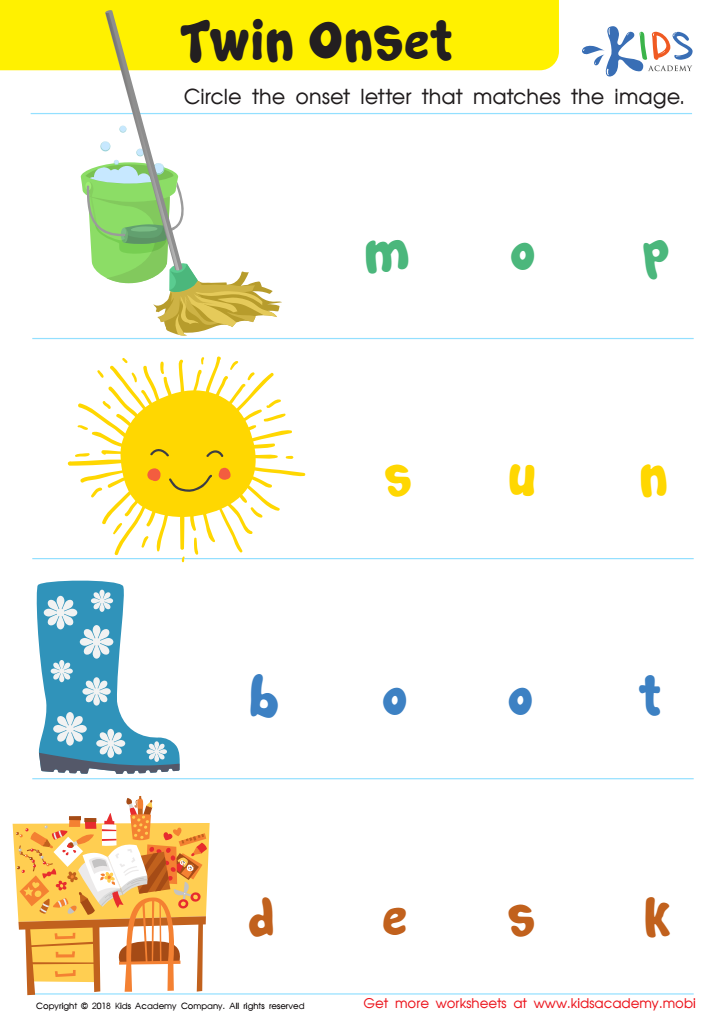
Twin Onset Worksheet
 Assign to My Students
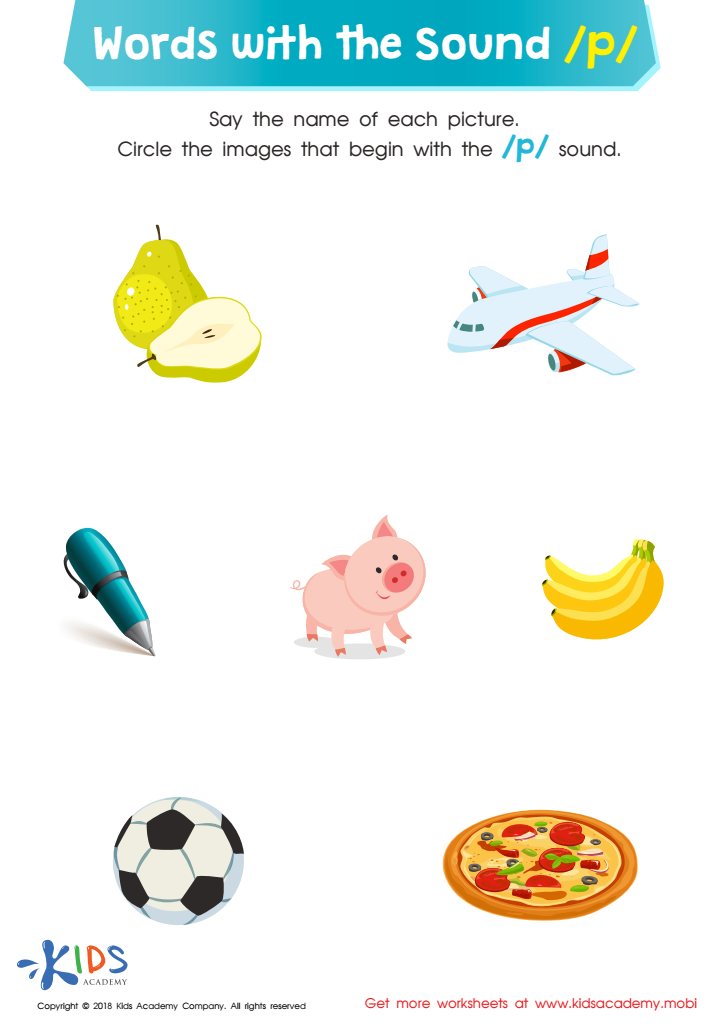
Words with sound p Reading Worksheet
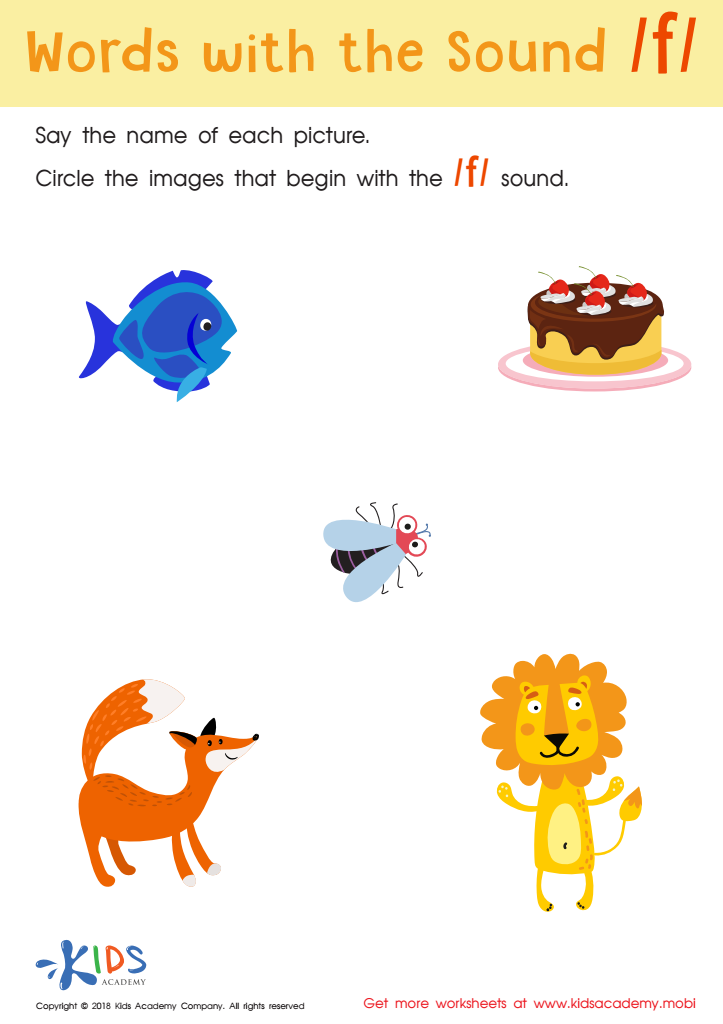
Words with sound f Reading Worksheet
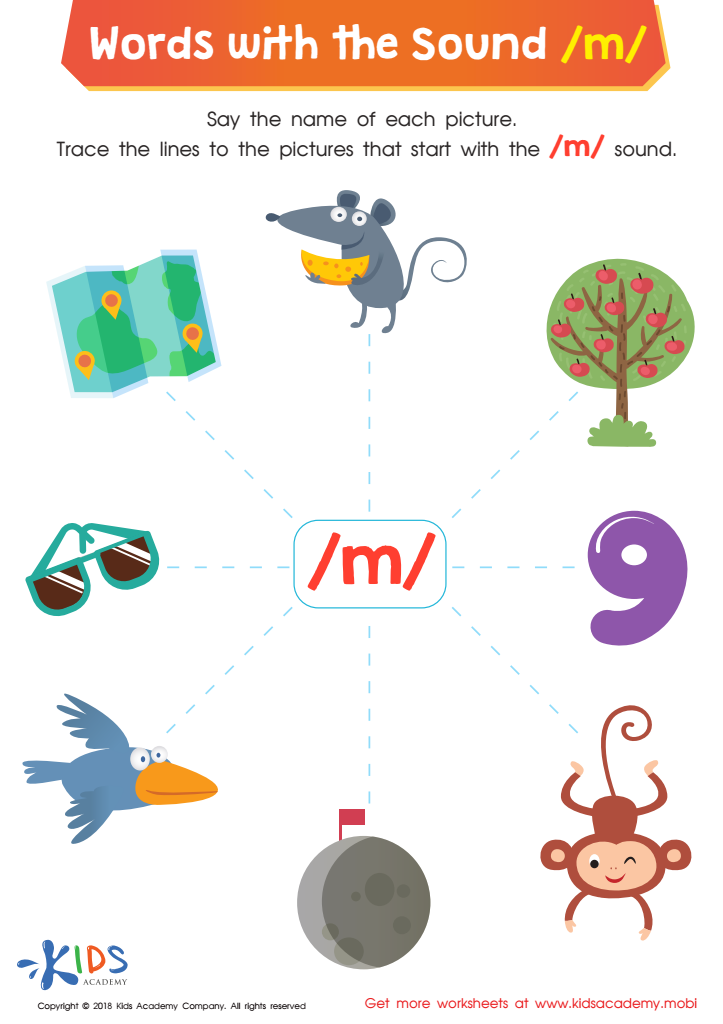
Words with Sound M Reading Worksheet
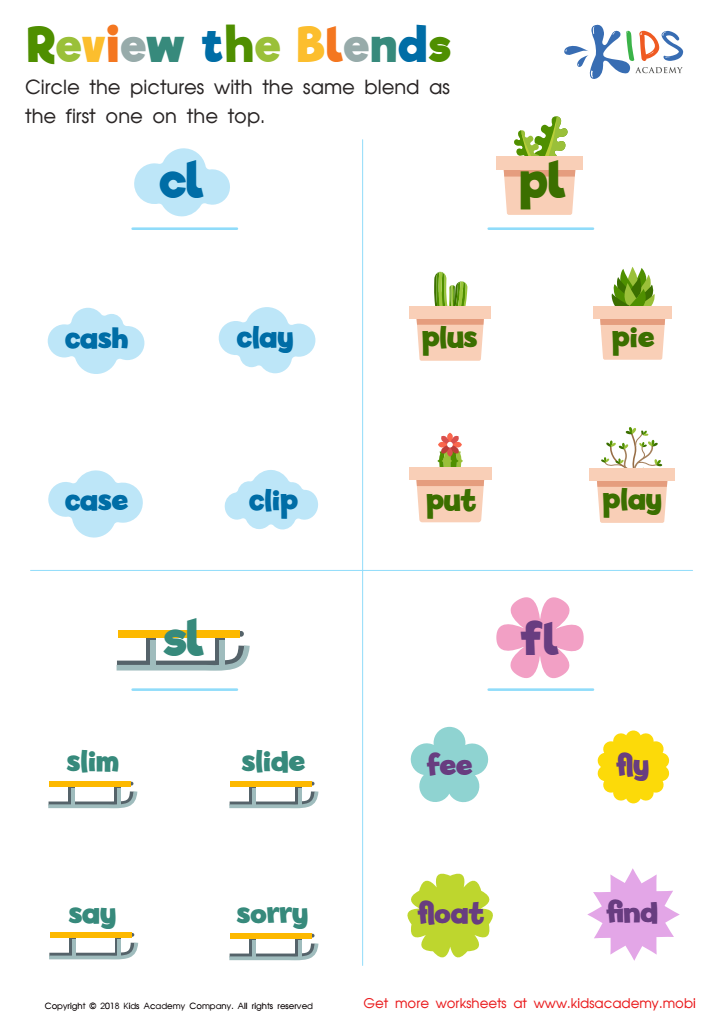
Review the Blends Worksheet



Phonics practice, especially focusing on consonants, is crucial for children aged 5 to 9 as it forms the backbone of reading and writing skills. At this developmental stage, children are tuning into the sounds that letters make, which is a fundamental part of learning how to decode words. Mastering consonant sounds enables them to blend letters, which paves the way for effective reading fluency.
When parents or teachers prioritize phonics practice, they are equipping children with essential skills to understand language patterns and structure. Early phonics instruction benefits vocabulary development, as children are more likely to engage with books and other reading materials when they can decode words confidently.
Additionally, phonics practice supports writing skills. As children become familiar with consonant sounds, they gain the confidence to experiment with spelling, leading to better writing outputs. It also aids in language comprehension and improves overall literacy skills, setting a solid foundation for academic success.
Furthermore, fostering an engaging learning environment filled with phonics activities can ignite a love for reading. By emphasizing phonics practice, parents and teachers can ensure children are well-prepared for more advanced literacy skills in the future, paving the way for lifelong learning and communication abilities.







