Motor skills development Alphabet Worksheets for Ages 5-9
6 filtered results
-
From - To
Discover our Motor Skills Development Alphabet Worksheets for Ages 5-9, designed to bolster both fine motor skills and alphabet recognition. Perfect for young learners, these engaging activities include tracing, coloring, and letter construction tasks that enhance hand-eye coordination and dexterity. Developed by educational experts, our worksheets offer a fun, interactive approach to learning, helping children master the alphabet while building essential motor skills. Ideal for parents and educators seeking effective, enjoyable tools to support early childhood development. Dive into our collection and watch your child's writing and motor abilities flourish with each activity!

Letter H Tracing Page
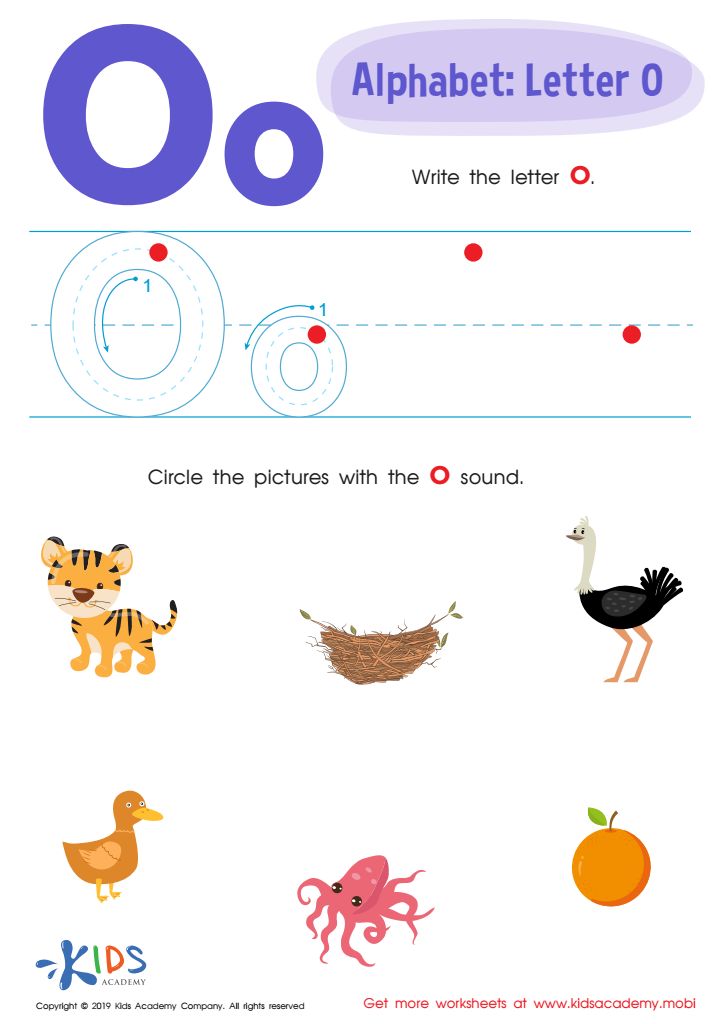
Letter O Tracing Worksheet
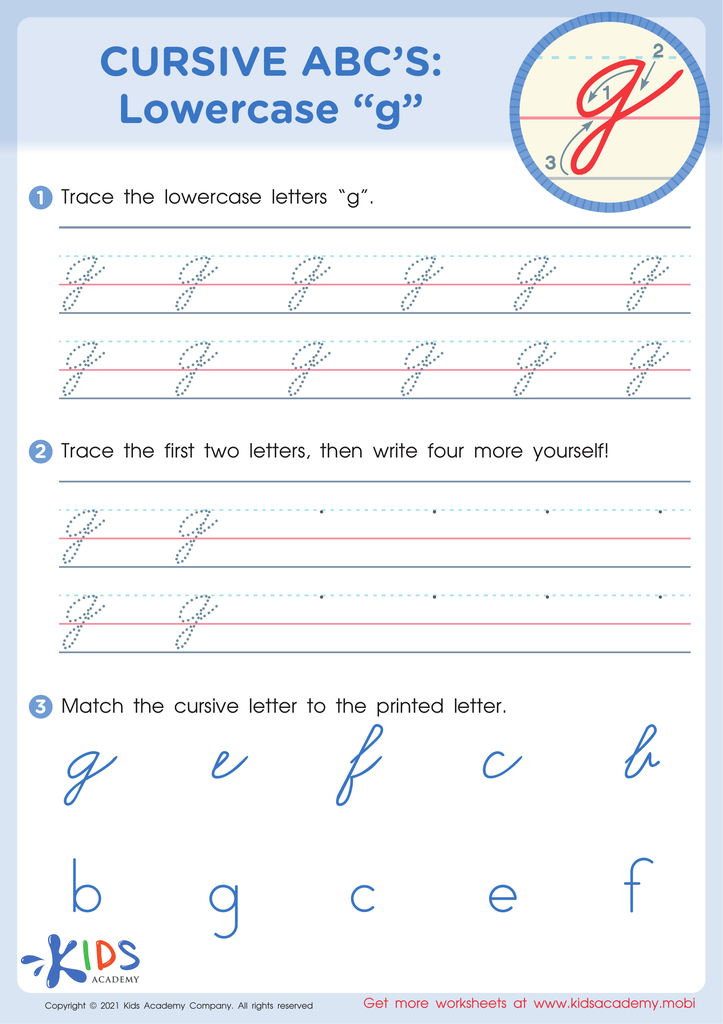
Cursive ABCs: Lowercase g
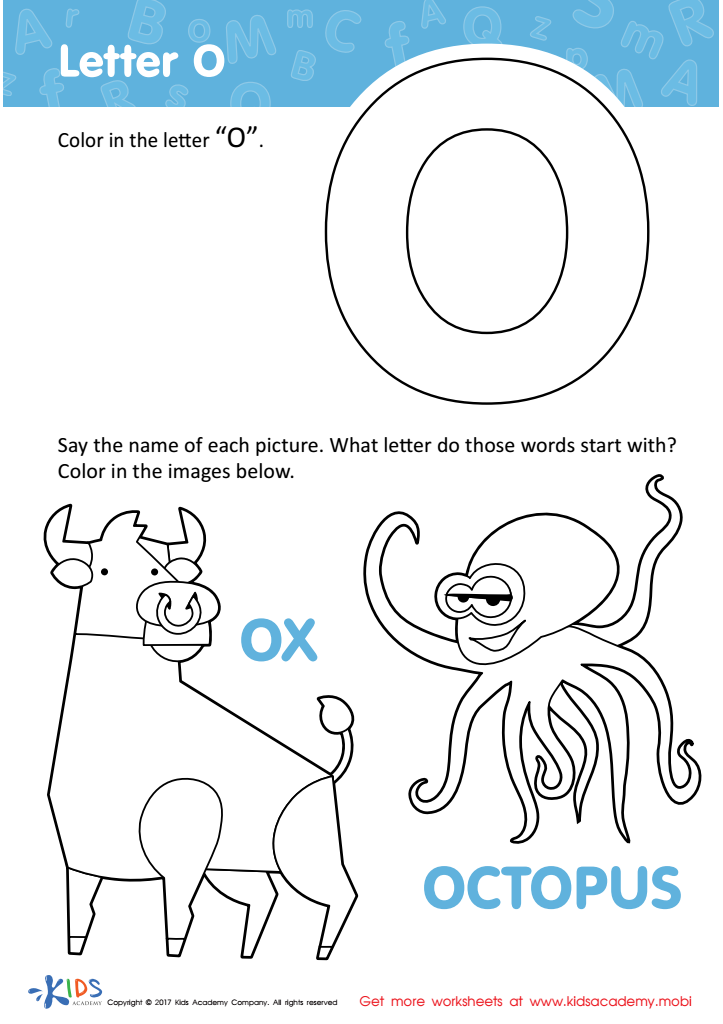
Letter O Coloring Sheet
 Assign to My Students
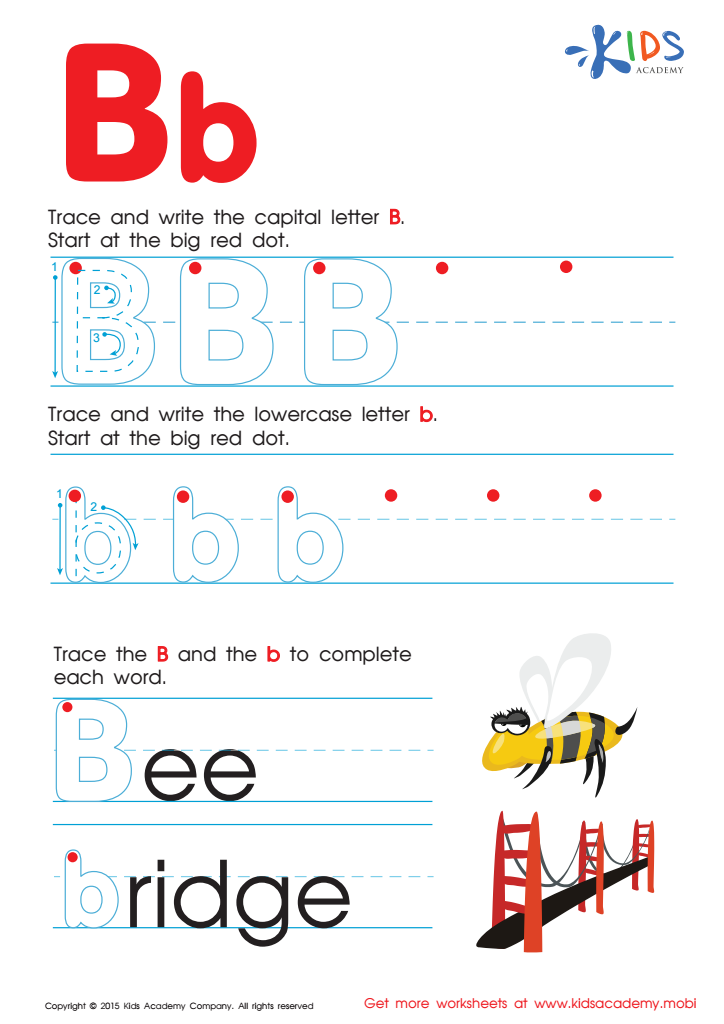
Letter B Tracing Page
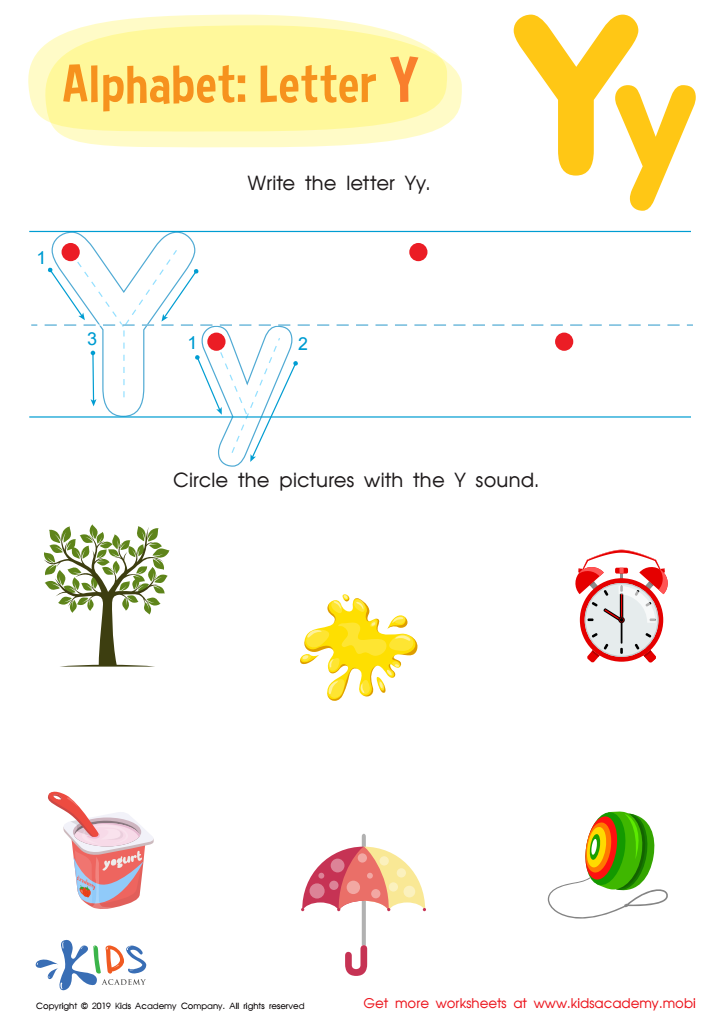
Letter Y Tracing Worksheet








Motor skills development is a critical aspect of young children's growth, significantly impacting their academic and everyday activities. For ages 5-9, focusing on motor skills within the context of Alphabet learning can be extraordinarily beneficial. Fine motor skills, such as hand-eye coordination and precise hand movements, are crucial for tasks like writing, which children are required to perform daily in school. By integrating motor skills development into Alphabet learning, children can gain better control over their pencil, which improves handwriting – a fundamental skill for expressing their thoughts on paper.
Moreover, engaging children in activities that combine motor skills and Alphabet knowledge enhances cognitive development. Activities like tracing letters, using alphabet puzzles, or molding letters from clay not only reinforce letter recognition but also stimulate brain areas responsible for coordination and spatial awareness.
Teachers and parents must understand that without a strong foundation in motor skills, children might struggle with more complex tasks in their academic journey, leading to frustrations or delays in learning. Prioritizing motor skills in the early years ensures that children can handle school activities more efficiently and with greater confidence. Consequently, parents and educators should consciously incorporate motor skills development into their educational strategies to foster a well-rounded and effective learning experience for young children.







