Phonics development Alphabet Worksheets for Ages 5-9
5 filtered results
-
From - To
Discover our engaging Phonics Development Alphabet Worksheets designed specifically for children ages 5-9! These printable resources provide fun and interactive activities that help young learners build essential phonetic skills. Through games, exercises, and creative tasks, kids will enhance their understanding of letter sounds, blending, and pronunciation. Our worksheets promote independence and foster a love for reading and writing at an early age. Perfect for both classroom and home use, these resources support phonics mastery in a playful manner. Dive into our collection today and watch your child's confidence and communication skills soar as they learn with joy!
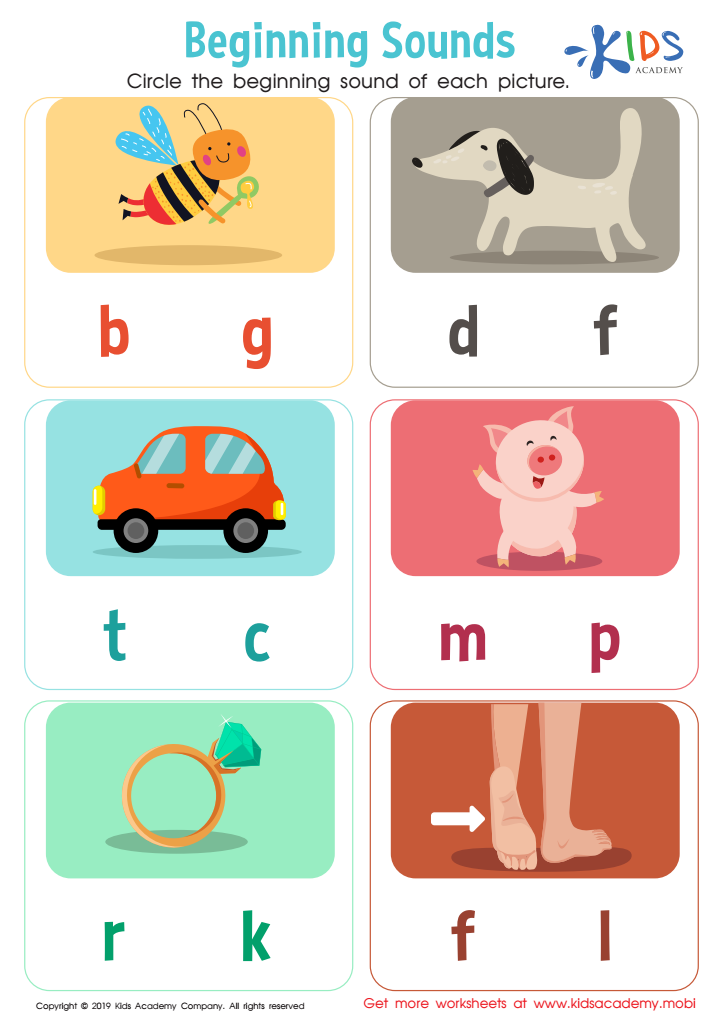
Beginning Sounds Worksheet
 Assign to My Students
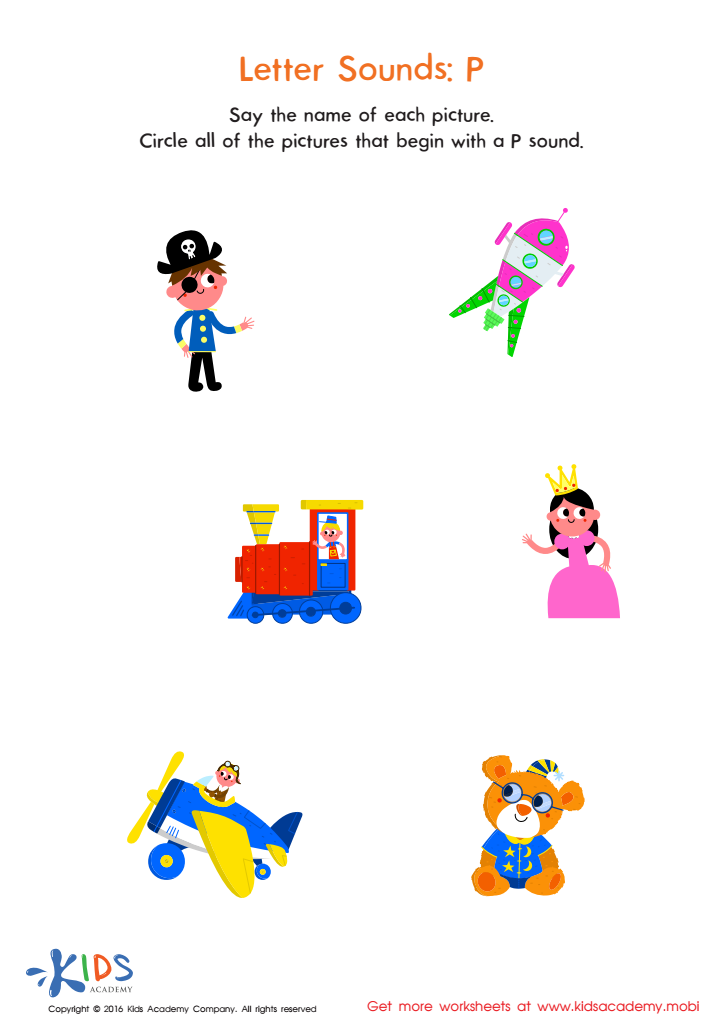
Letter P Sound Worksheet
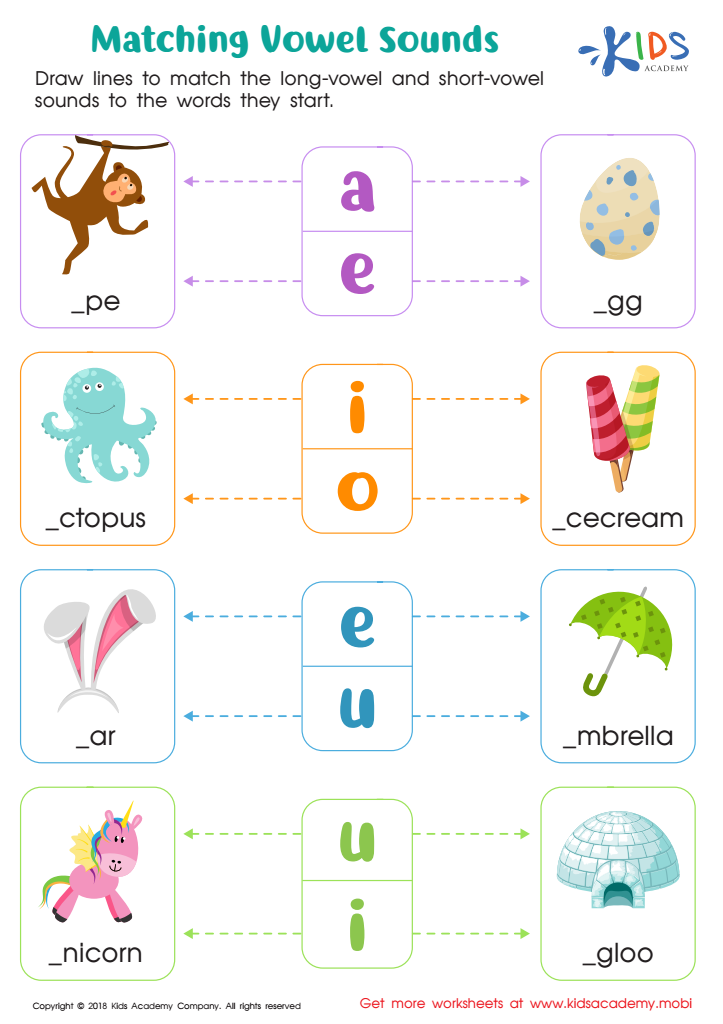
Matching Vowel Sounds Worksheet
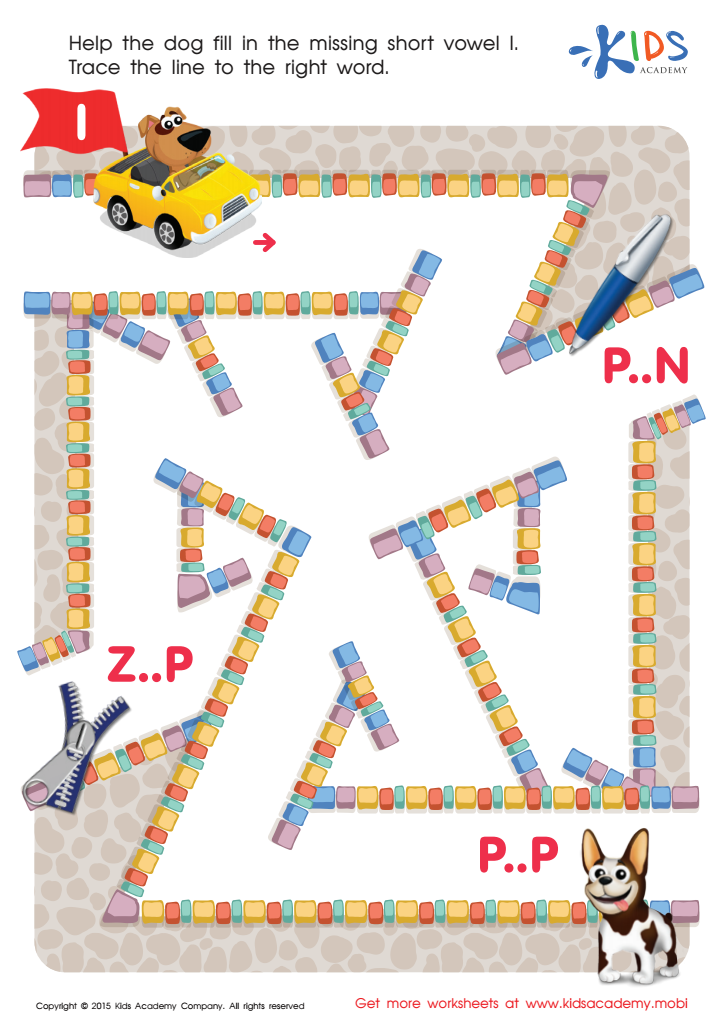
Short Vowel Sound I Worksheet
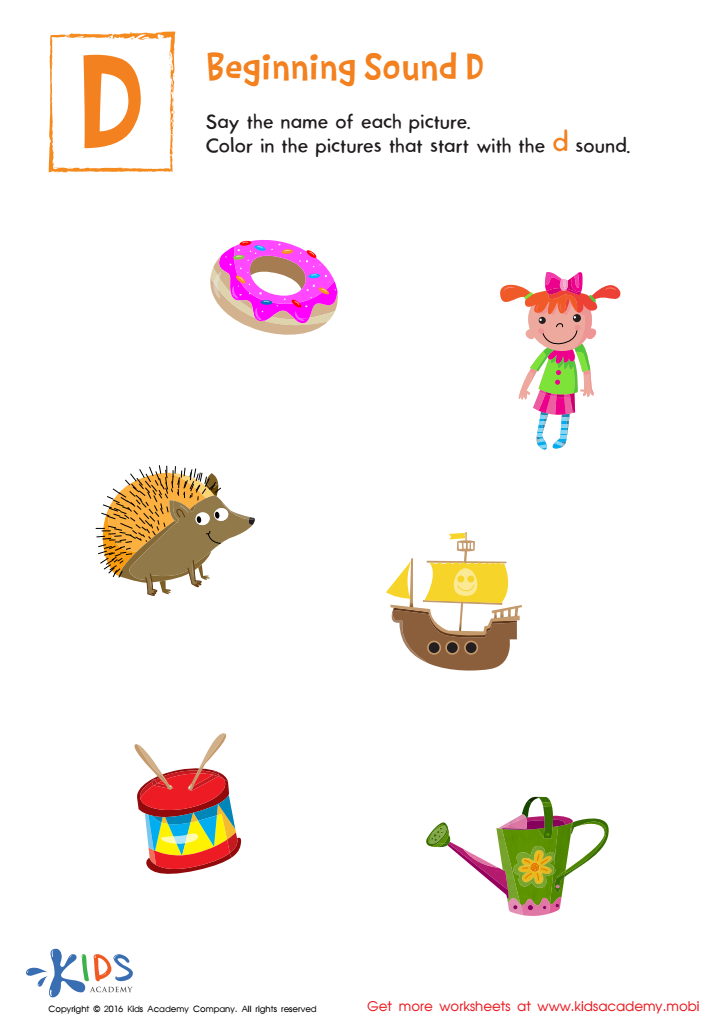
Beginning Sound D Worksheet








Phonics development is crucial for children aged 5-9, as it lays the foundation for their reading and writing skills. Understanding phonics enables children to decode words, enhancing their ability to read fluently and independently. By learning the relationship between letters and sounds, they develop the skills to recognize familiar words, leading to greater confidence and enjoyment in reading.
Parents and teachers should prioritize phonics development because it directly influences a child’s academic success. As they advance in school, strong phonics skills become vital for understanding more complex texts across subjects. Early intervention in phonics education can prevent future reading difficulties, ensuring that children progress at the same pace as their peers.
Moreover, phonics instruction can foster a love for literacy and learning. When children grasp phonics, they're more likely to engage with books, improving their vocabulary and comprehension over time. This increased engagement can enhance their overall educational experience and promote lifelong learning habits.
In addition, phonics development supports critical thinking and cognitive skills, allowing children to analyze words and sounds more deeply. By caring about phonics development, parents and teachers contribute significantly to building literate, confident individuals prepared for academic challenges ahead.







