Phonics enhancement Alphabet Worksheets for Ages 5-9
4 filtered results
-
From - To
Enhance your child's phonics skills with our engaging Alphabet Worksheets, designed specially for ages 5-9. These vibrant worksheets make learning fun, providing activities that improve letter recognition, sound association, and early reading skills. Perfect for home or classroom, our phonics enhancement worksheets help young learners master the alphabet through interactive exercises, puzzles, and tracing tasks. Encourage a strong literacy foundation with tools tailored to develop phonemic awareness and boost reading confidence. Visit KidsAcademy.mobi to explore our collection and empower your child to excel in their early learning journey!
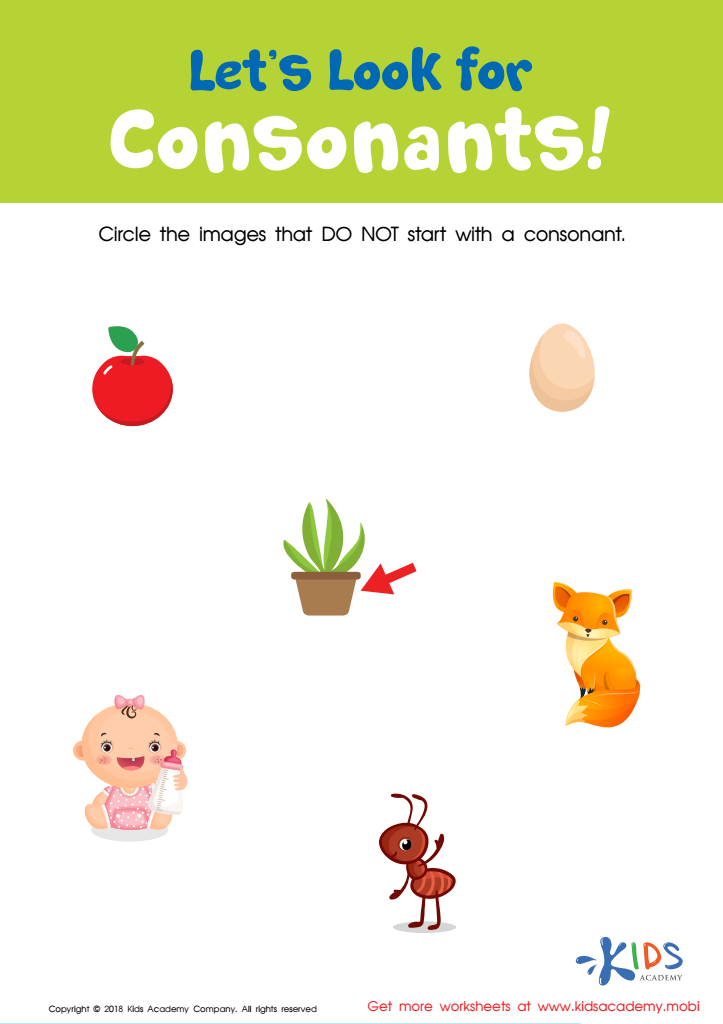
Let's Look for Consonants Worksheet
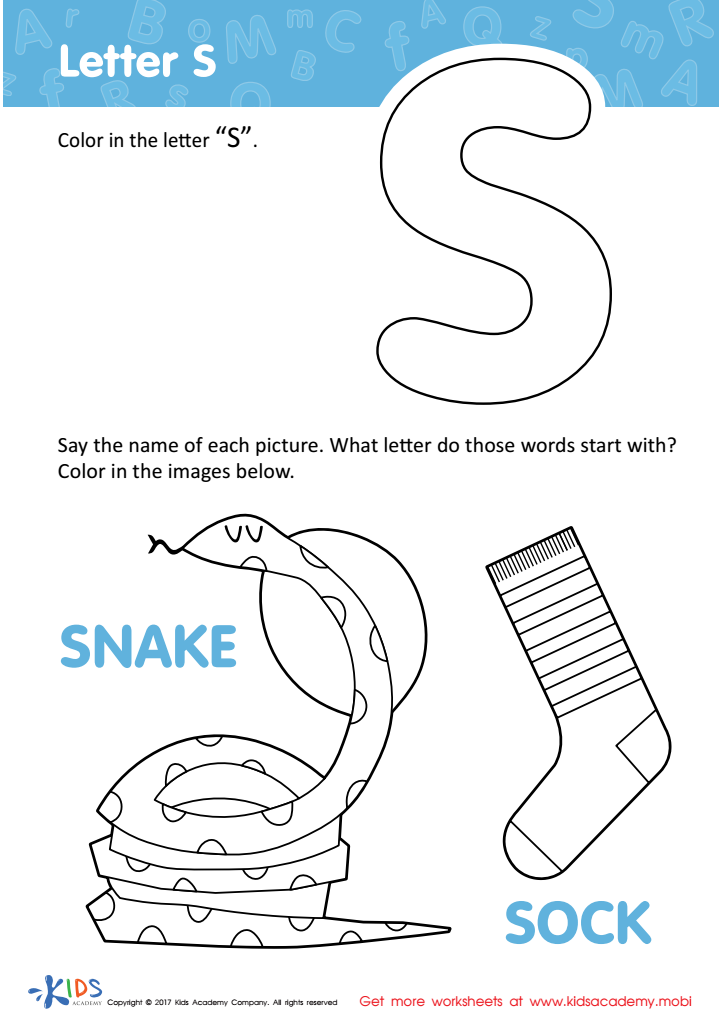
Letter S Coloring Sheet
 Assign to My Students
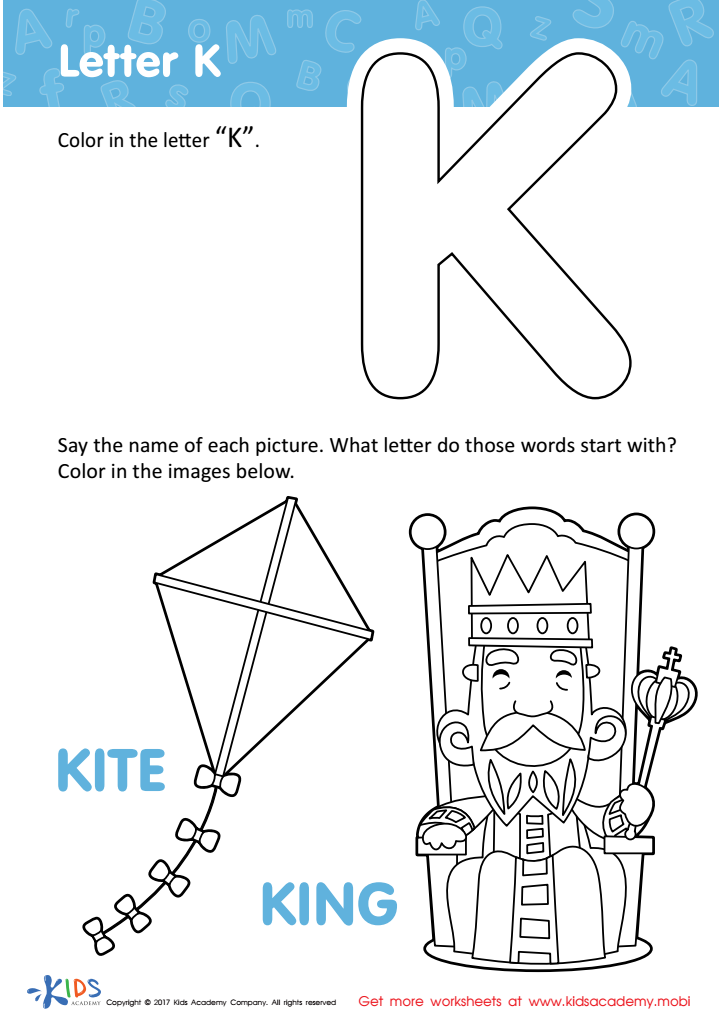
Letter K Coloring Sheet
Assign to My Students
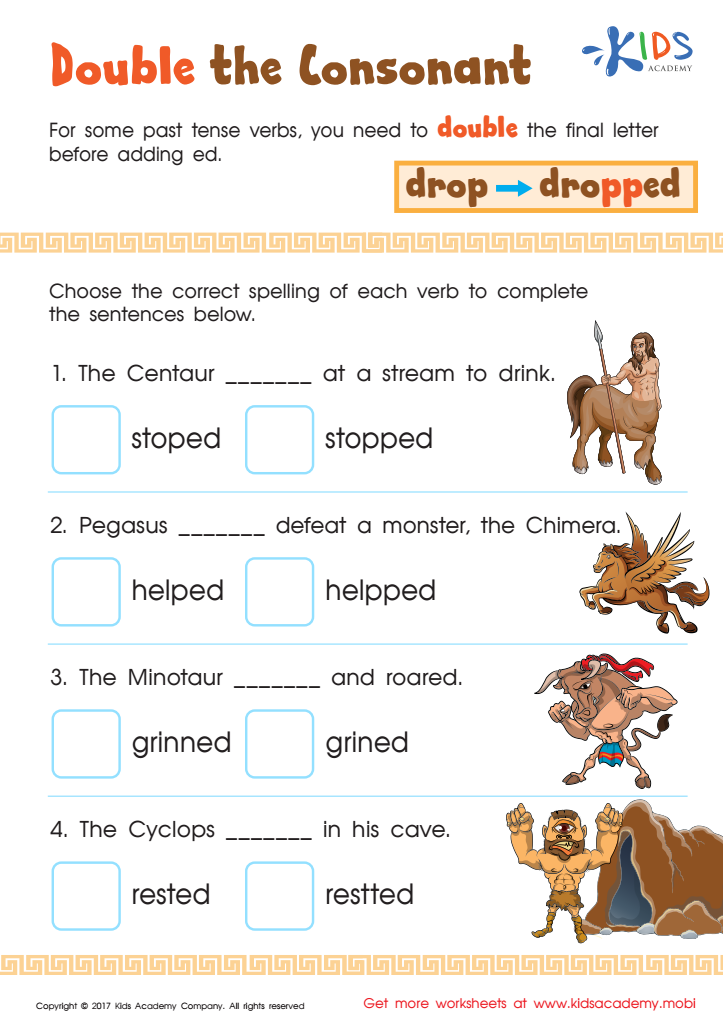
Double Consonant Spelling Worksheet








Phonics enhancement for ages 5-9 is critical because it's the foundation of literacy. Phonics teaches children the relationship between letters and sounds, a key element required for reading and writing skills. When children understand phonics, they can decode new words by sounding them out, which empowers them to read independently and enjoy the process. This sets the stage for a lifetime of learning and exploration through reading.
For parents and teachers, investing in phonics enhancement ensures that children develop strong literacy skills early on, which can prevent future struggles with reading comprehension and academic performance. A child who is confident in reading can better understand other subjects like math, science, and social studies because they read instructions, problem statements, and informational texts more easily.
Moreover, phonics instruction helps children with pronunciation and listening skills, significantly contributing to their overall language development. It enhances their ability to understand speech patterns, rhythm, and intonation, which are essential for effective communication.
Finally, children between ages 5-9 are at a crucial developmental stage. Engaging them with age-appropriate, fun, and interactive phonics activities can foster a love for learning and make the process enjoyable. Phonics teaching tools, like songs, games, and stories, make the learning experience dynamic and relatable, ensuring better retention and practical use of language skills.







