Handwriting practice Letter Recognition Worksheets for Ages 5-9 - Page 2
40 filtered results
-
From - To

Lowercase Letters d e f Worksheet
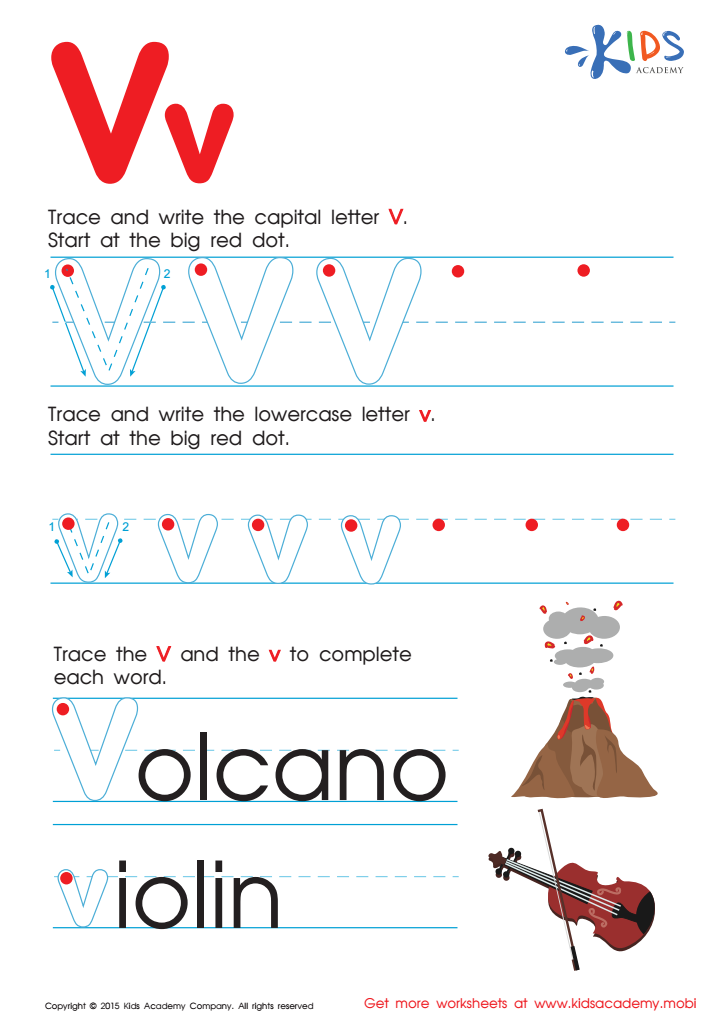
Letter V Tracing Page
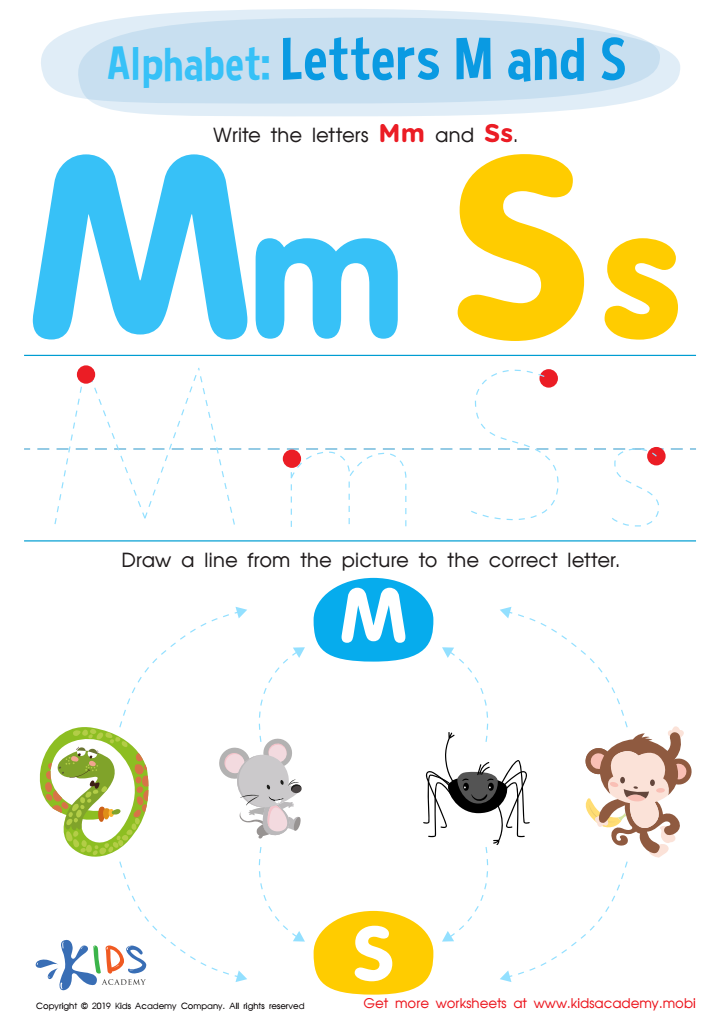
Letters M and S Tracing Worksheet

Letter A Tracing Worksheet
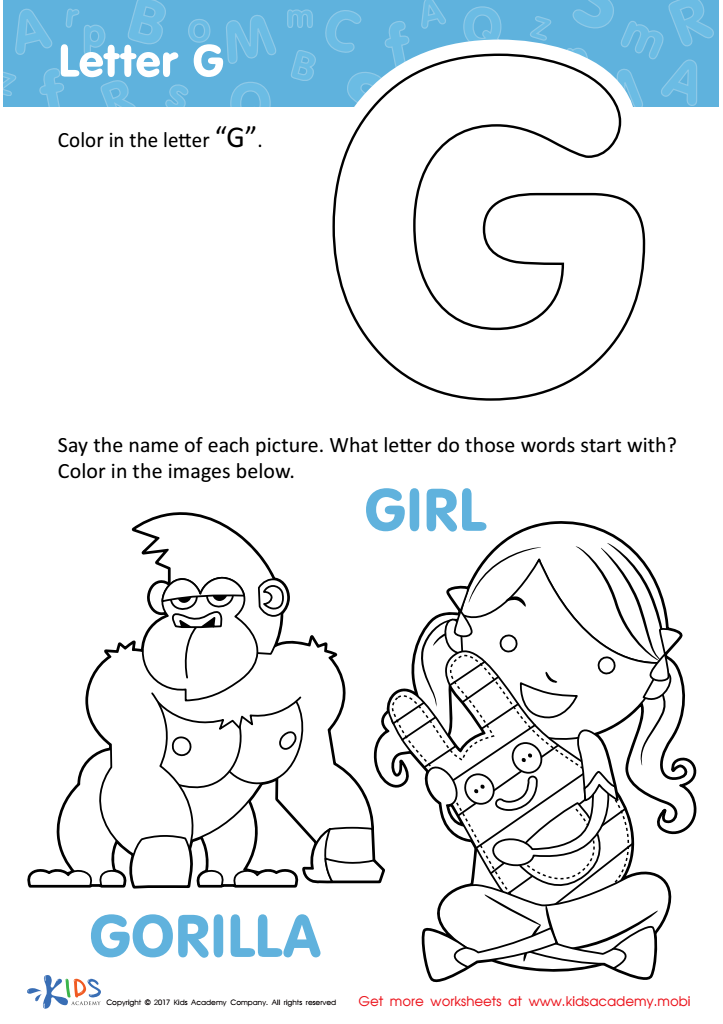
Letter G Coloring Sheet
 Assign to My Students
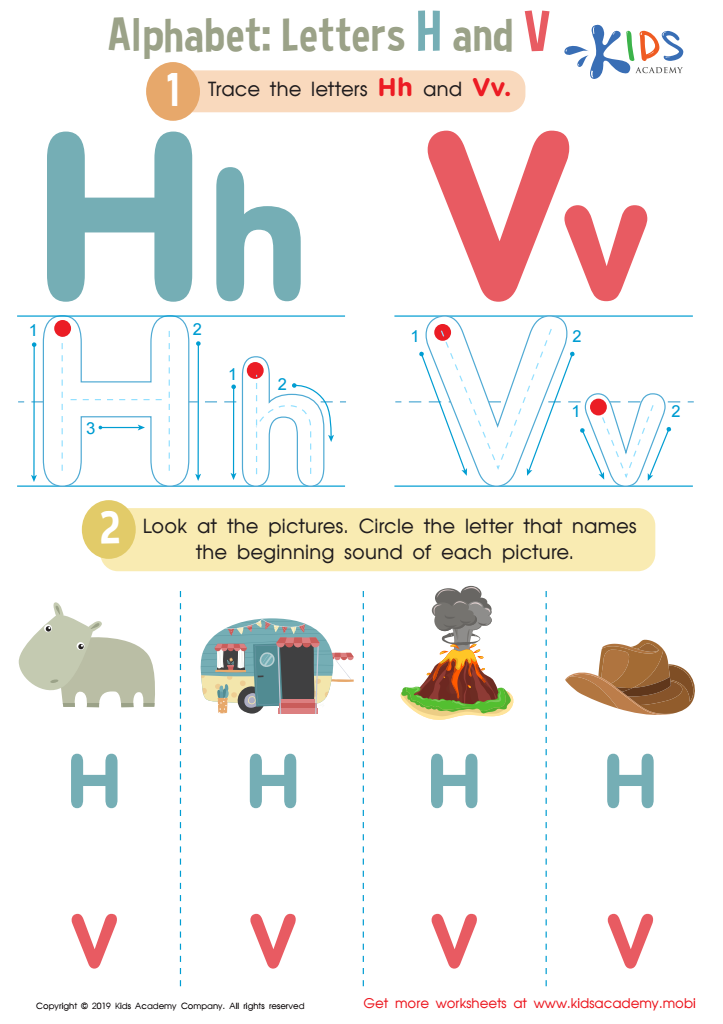
Letters H and V Tracing Worksheet
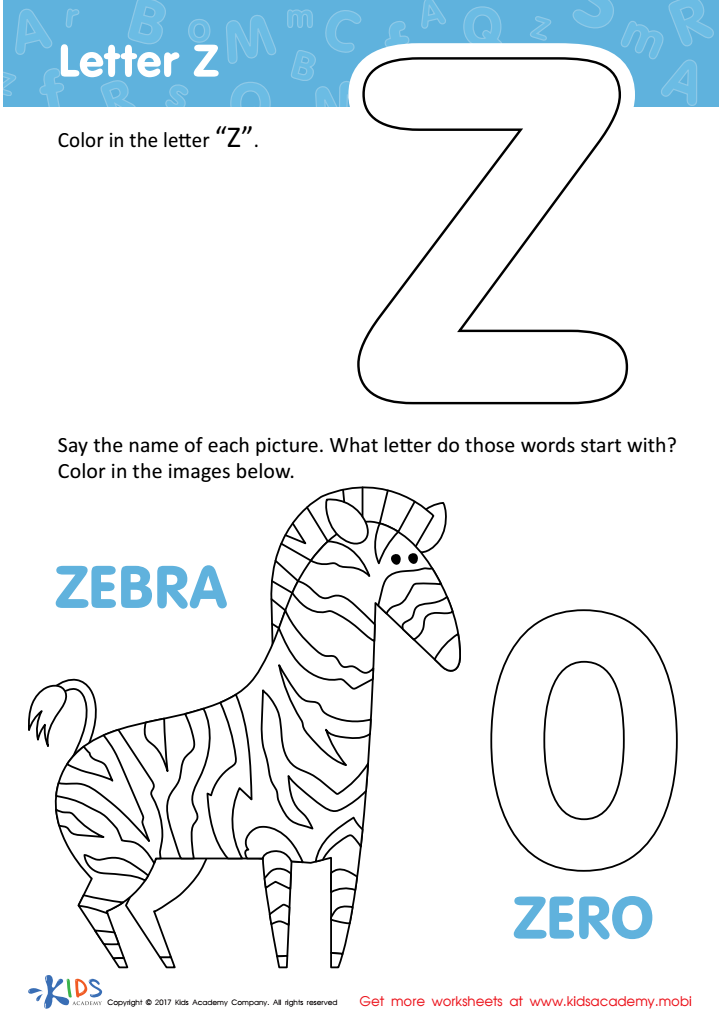
Letter Z Coloring Sheet
Assign to My Students
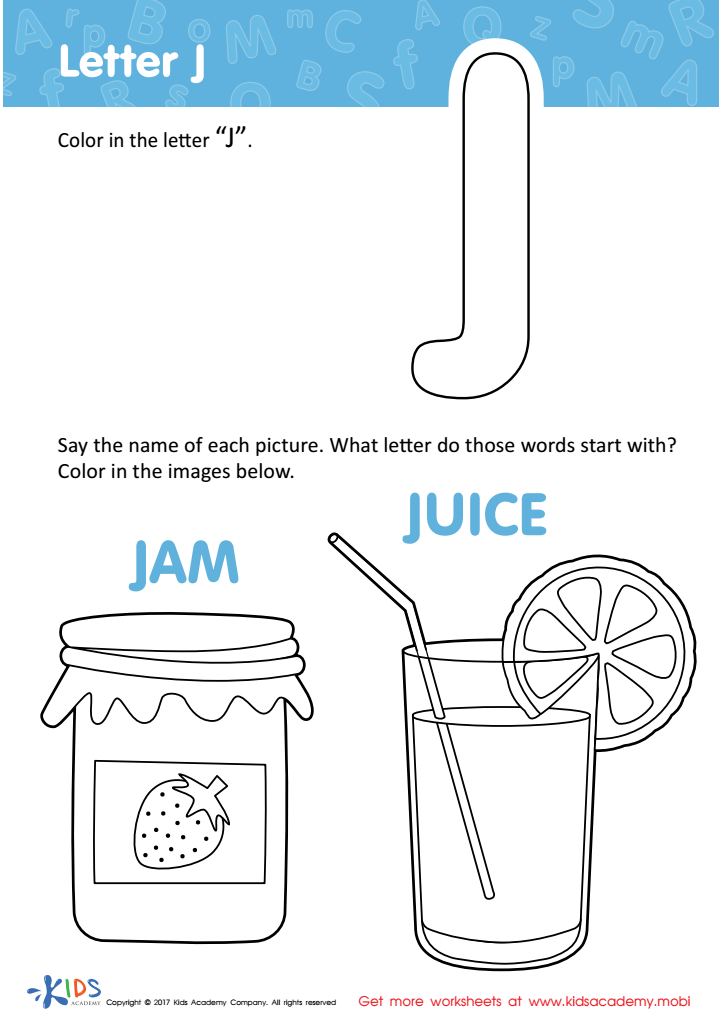
Letter J Coloring Sheet
Assign to My Students
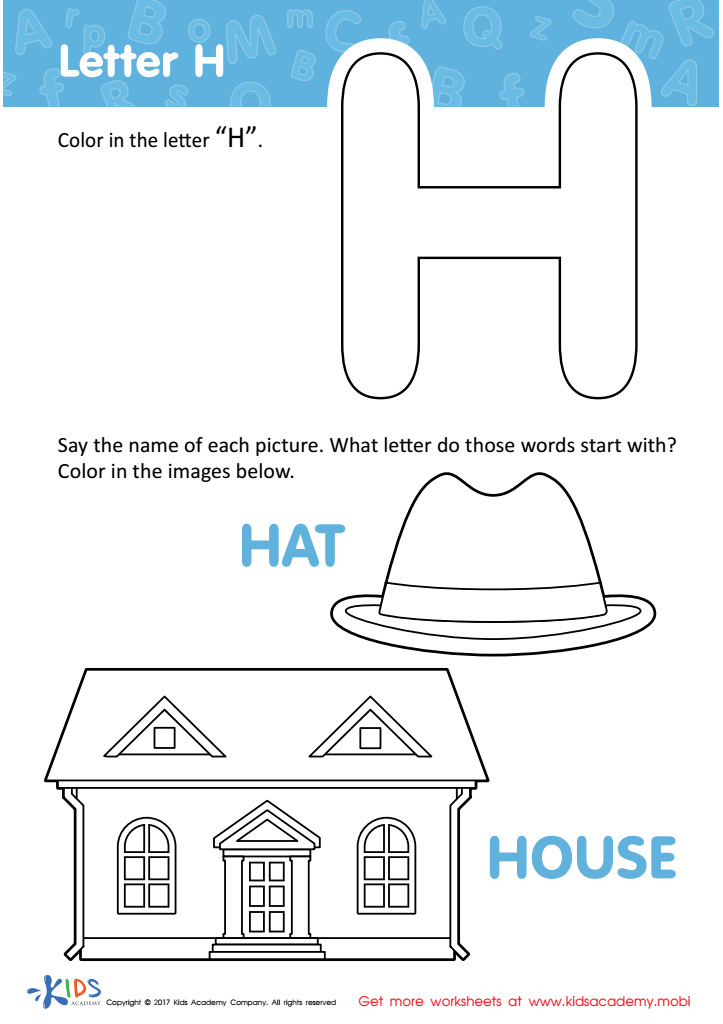
Letter H Coloring Sheet
Assign to My Students
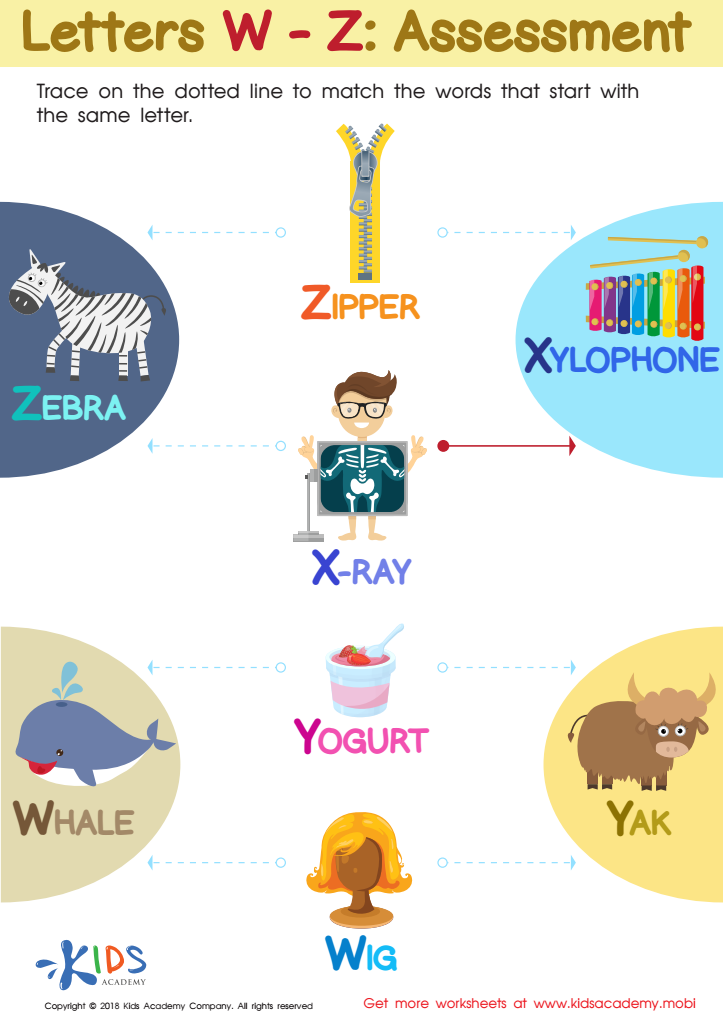
Letters W–Z Tracing Worksheet
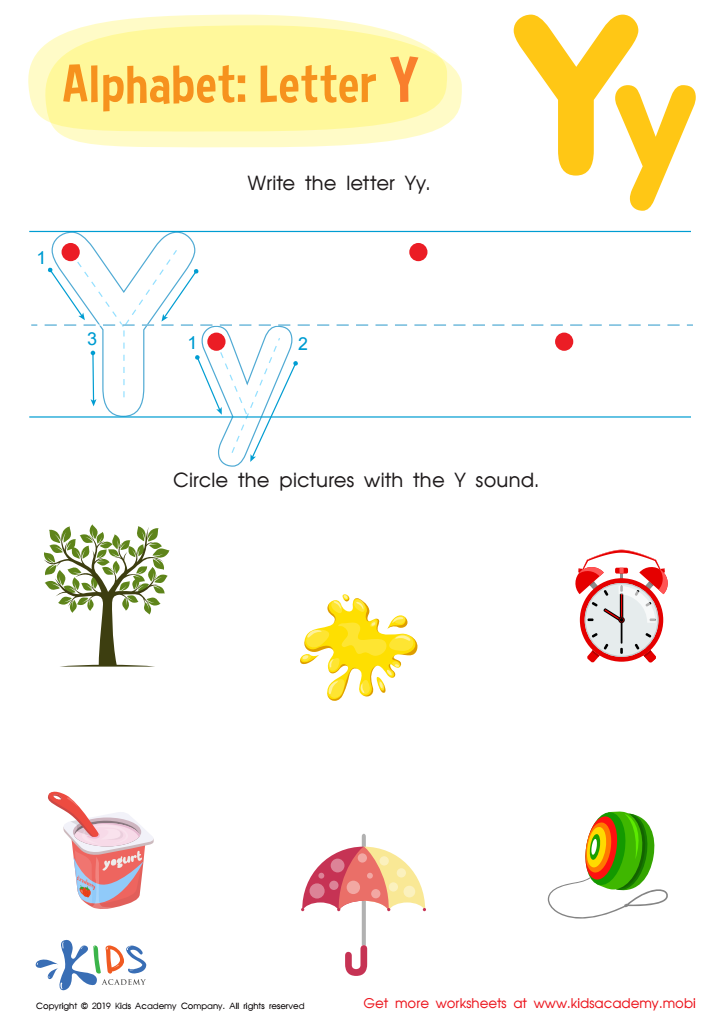
Letter Y Tracing Worksheet
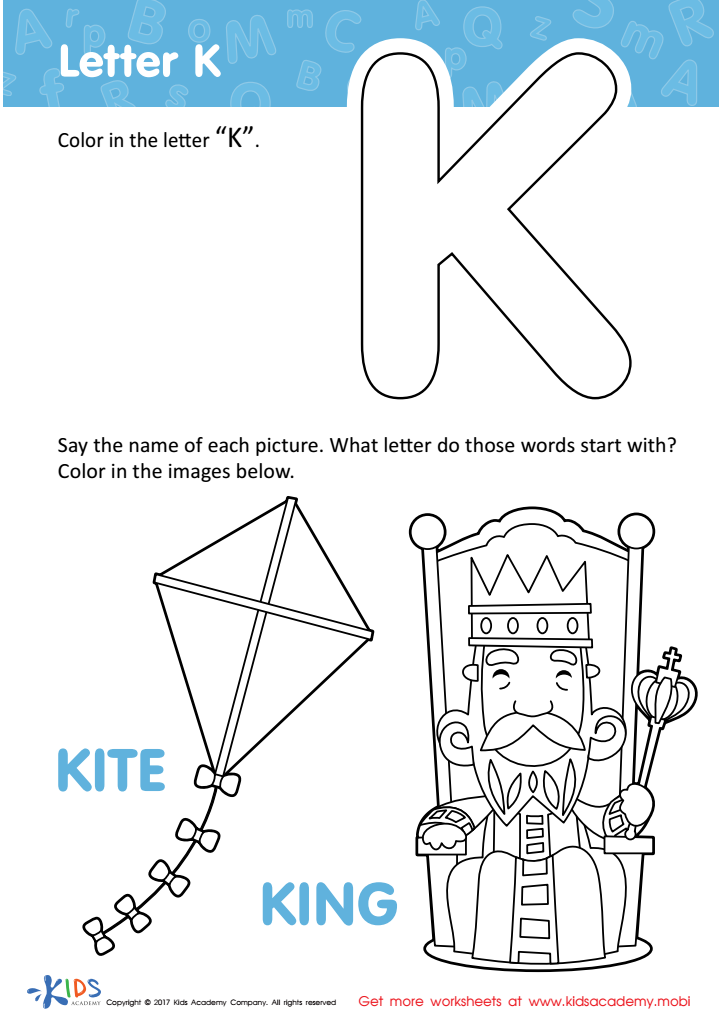
Letter K Coloring Sheet
Assign to My Students
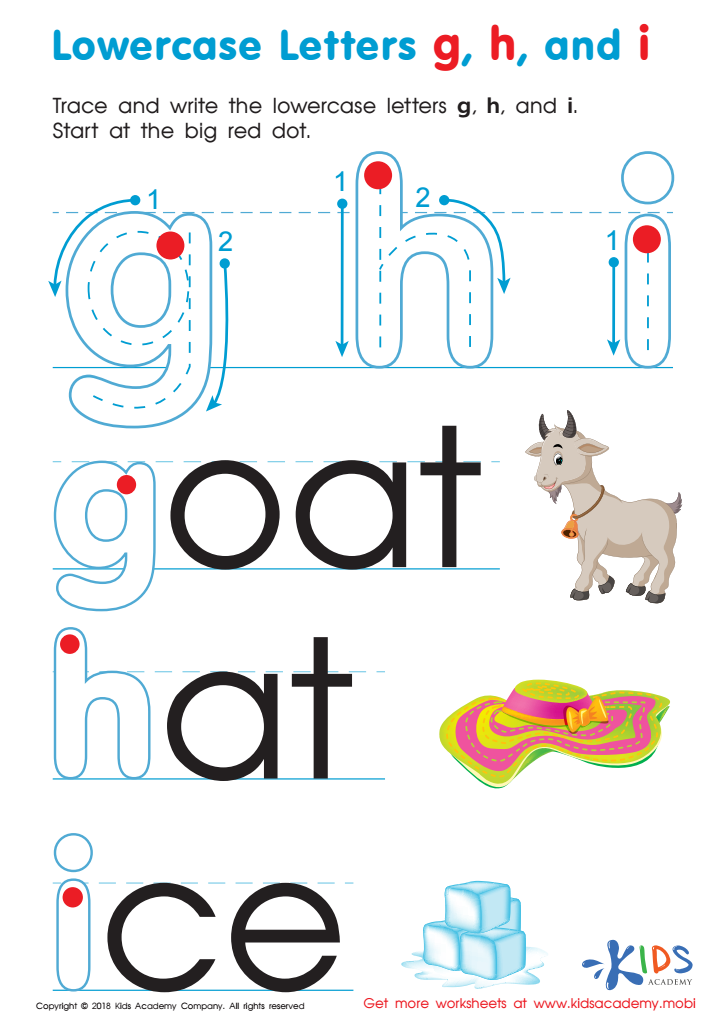
Lowercase Letters g h i Worksheet
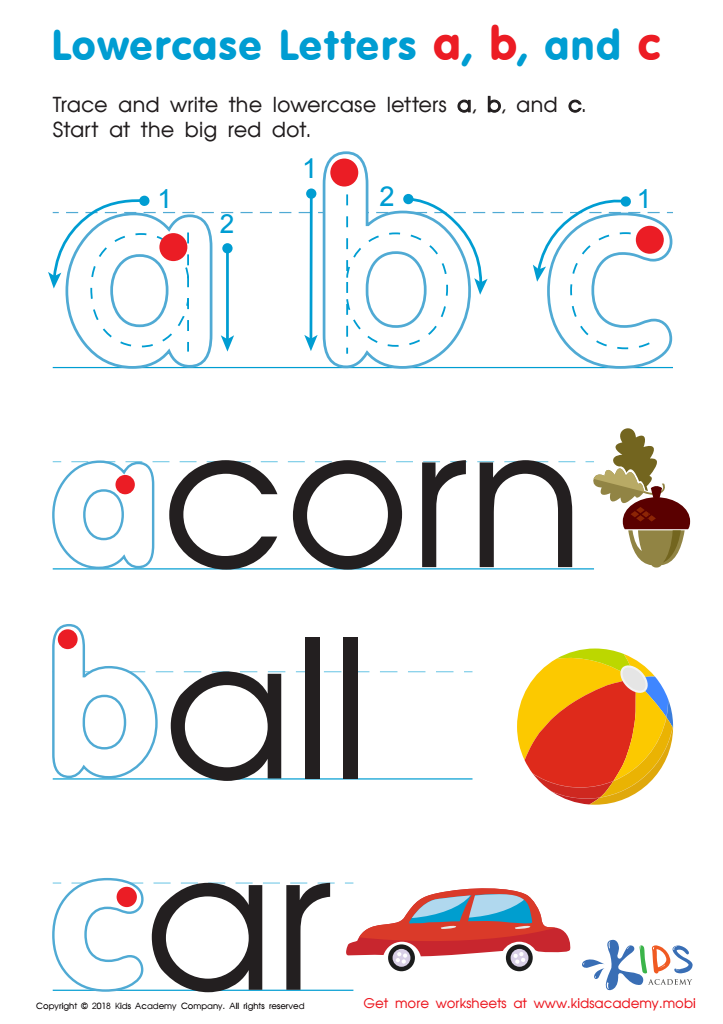
Lowercase Letters a b c Worksheet

Letter N Coloring Sheet
Assign to My Students

Uppercase Letters V, W, and X Worksheet








Handwriting practice and letter recognition are crucial for children aged 5-9 as they form the foundation for literacy skills. At this stage, children are developing the ability to read and write, which are essential for academic success and effective communication. Understanding and recognizing letters help them decode written language, a skill critical for literacy development.
Regular handwriting practice enhances fine motor skills, promoting better control and coordination. This is important not just for writing, but for various tasks they will encounter later in life, whether artistic or practical. Moreover, connecting the visual symbols of letters with their corresponding sounds bolsters phonemic awareness, a key element in learning to read.
Additionally, the multi-sensory approach of practicing handwriting, whether through tracing, writing in the air, or using materials like sand or playdough, engages different learning styles, aiding retention and comprehension.
For parents and teachers, fostering handwriting practice doesn’t solely benefit literacy—it instills discipline, patience, and perseverance. These traits are essential for lifelong learning. By emphasizing handwriting and letter recognition, adults can significantly influence a child’s confidence and enthusiasm towards reading and writing, laying a strong foundation for their future educational journey.







