Letter identification Phonics Worksheets for Ages 5-9
3 filtered results
-
From - To
Discover engaging Letter Identification Phonics Worksheets designed specifically for children aged 5-9! These creative resources help young learners recognize and distinguish letters through fun activities that enhance their phonics skills. Our worksheets incorporate vibrant illustrations and interactive exercises, making learning enjoyable and effective. Kids will master letter sounds, practice tracing, and dive into exciting games with each sheet. Perfect for both classroom and home use, our worksheets foster a solid foundation in early literacy. Empower your child's reading journey with these essential tools to spark curiosity and boost confidence in letter identification. Start exploring today for a brighter learning experience!
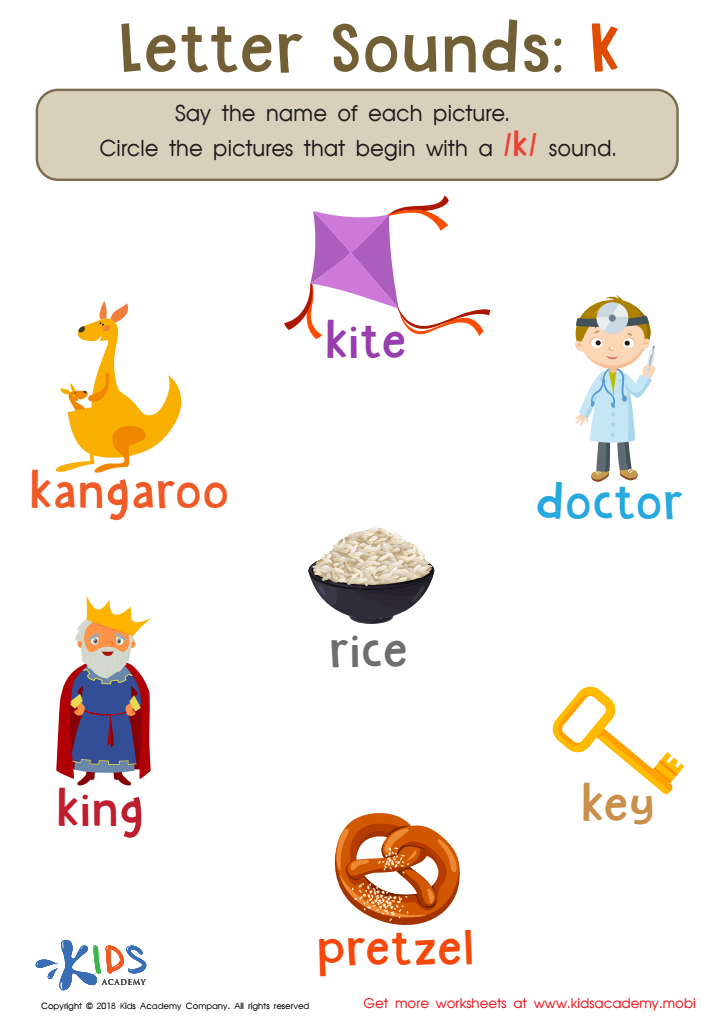
Letter K Sounds Worksheet
 Assign to My Students
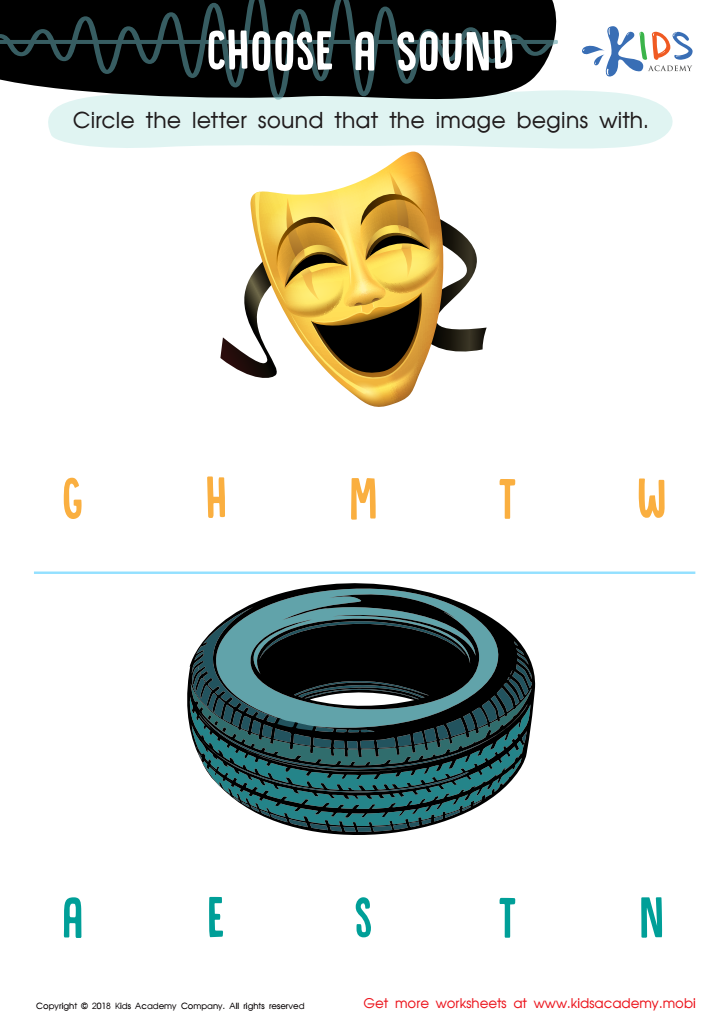
Choose a Sound Worksheet
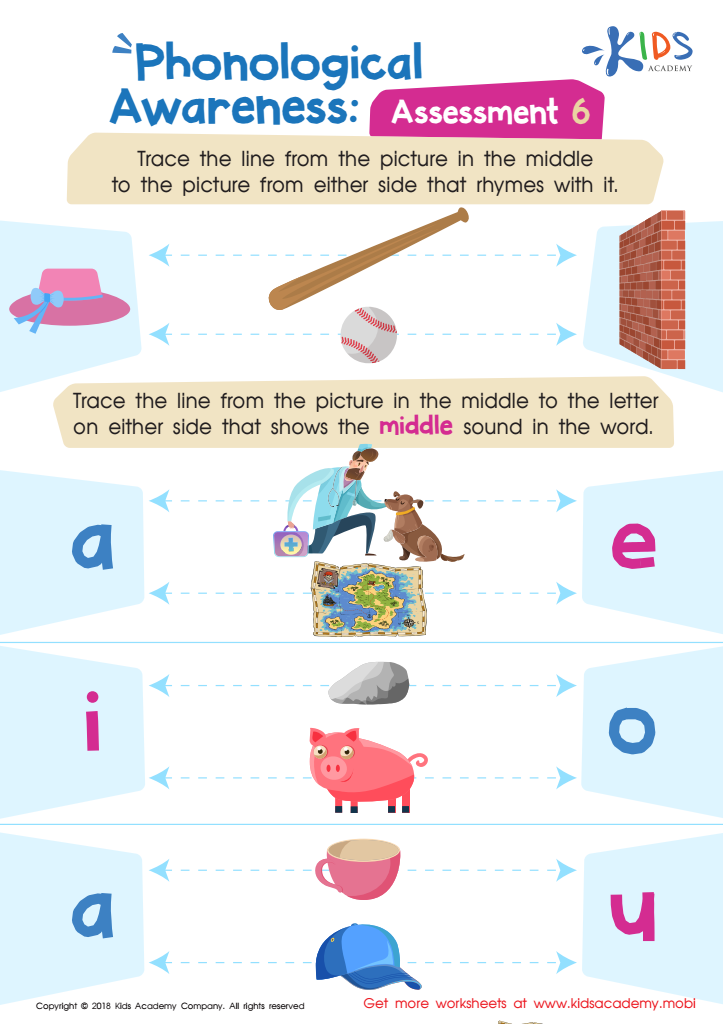
Phonological Awareness: Assessment 6 Worksheet








Letter identification and phonics are foundational skills in early reading development for children aged 5-9. Understanding these concepts is crucial for several reasons. First, letter identification helps children recognize and name letters, which is the first step in reading readiness. When children can identify letters, they build a strong foundation for decoding words.
Phonics, on the other hand, involves the association between letters and their corresponding sounds. This skill enables children to sound out words, enhancing their reading fluency and comprehension. Effective phonics instruction supports children in moving from simple letter recognition to reading full sentences and paragraphs, thereby fostering a love for reading.
Moreover, children who master letter identification and phonics at an early age are more likely to succeed in higher-level literacy skills, including spelling, writing, and reading comprehension. This early investment also helps close the achievement gap for struggling readers and promotes confidence in their abilities.
For parents and teachers, prioritizing letter identification and phonics encourages enjoyment in learning, reduces frustrations in the classroom, and equips children with essential skills that positively impact their academic journey and lifelong learning. Thus, commitment to these early literacy components is critical for successful educational outcomes.







