Reading skills development Phonics Worksheets for Ages 5-9
8 filtered results
-
From - To
Boost your child's reading abilities with our expertly designed Phonics Worksheets for Ages 5-9. Fostering foundational skills, these engaging printables focus on letter recognition, sound matching, and word building. Each worksheet is tailored to support early readers in developing crucial phonemic awareness and decoding skills. Perfect for home or classroom use, these activities make learning to read fun and effective. Help your child gain confidence and proficiency in reading with our comprehensive and age-appropriate phonics exercises. Start their reading journey today with our dynamic resources that align with educational standards.
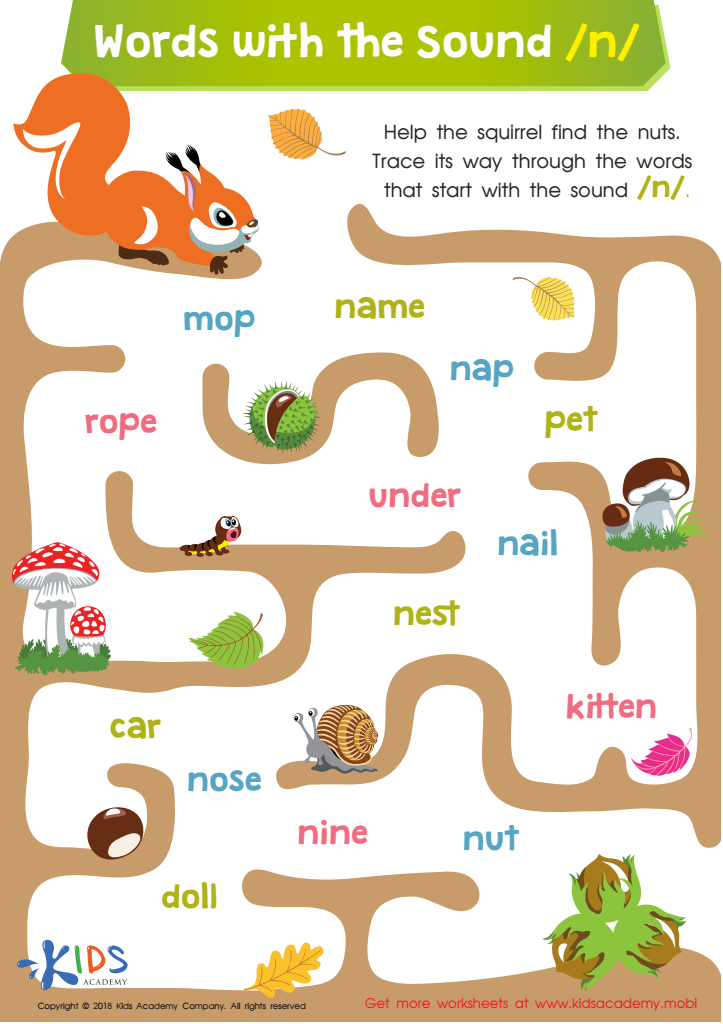
Words with Sound N Reading Worksheet
 Assign to My Students
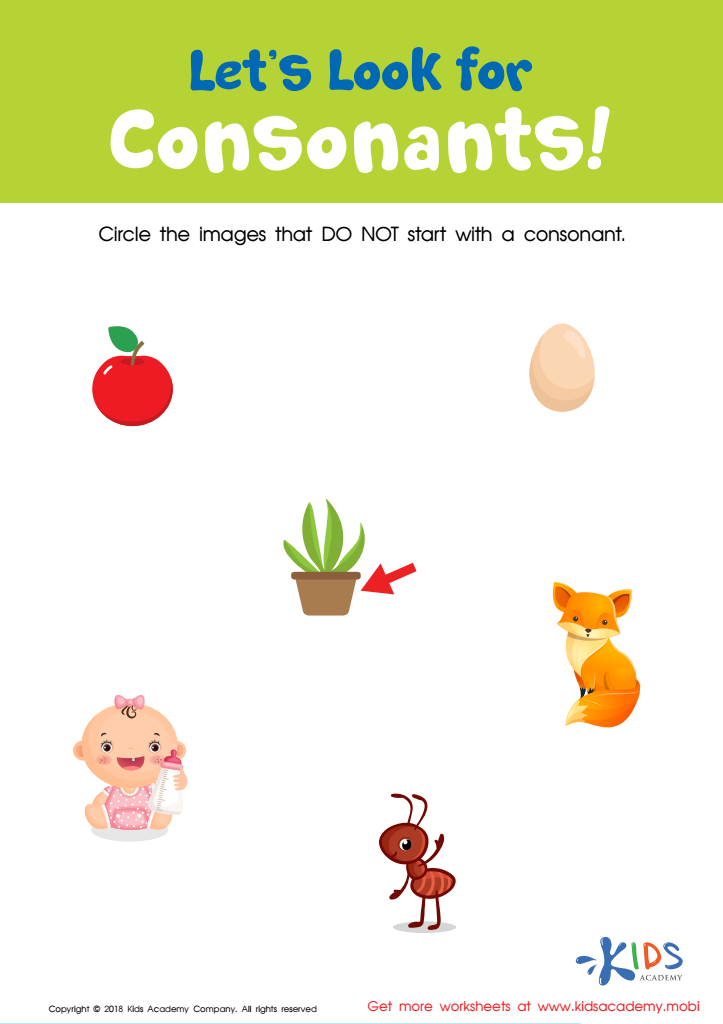
Let's Look for Consonants Worksheet
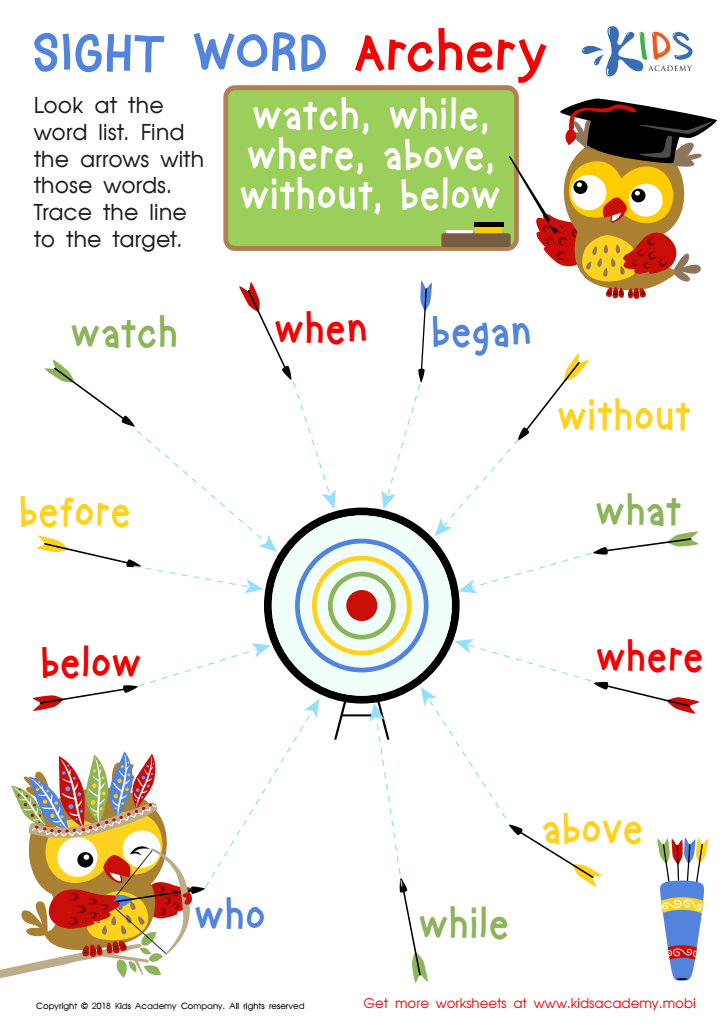
Sight Word Archery Worksheet
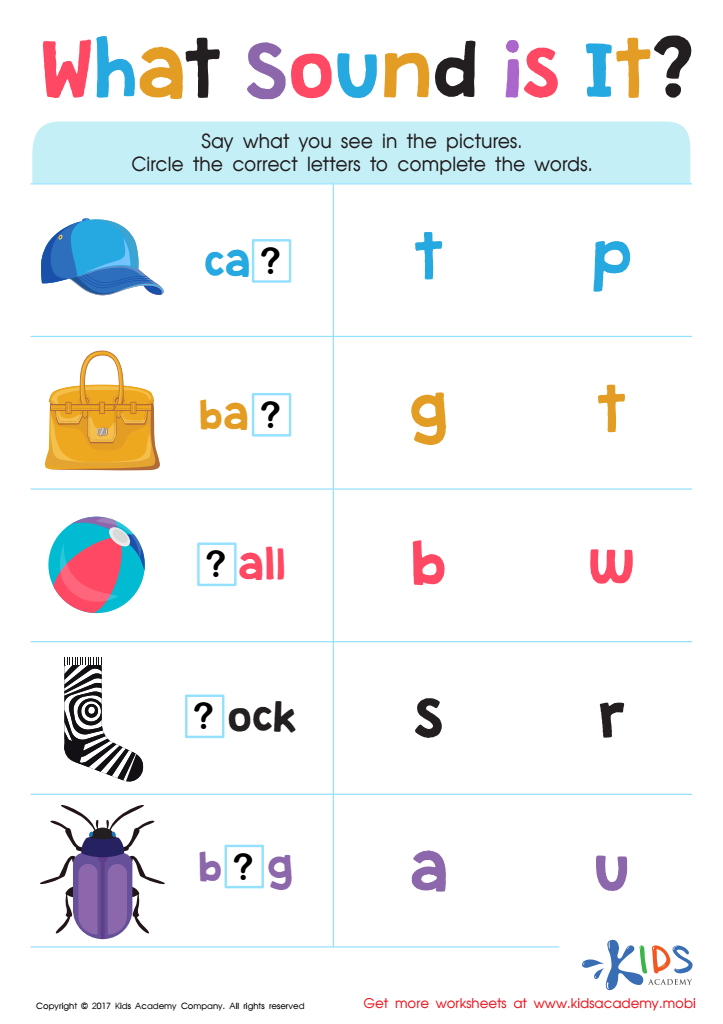
What Sound Is it? Worksheet
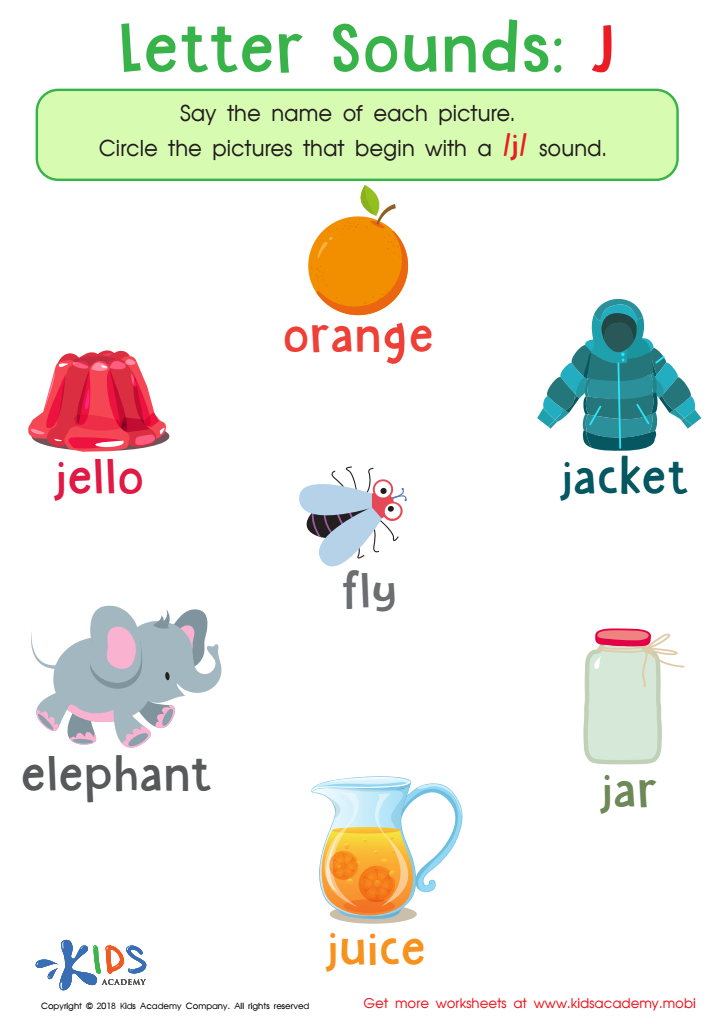
Letter Sounds: J Printable Worksheet
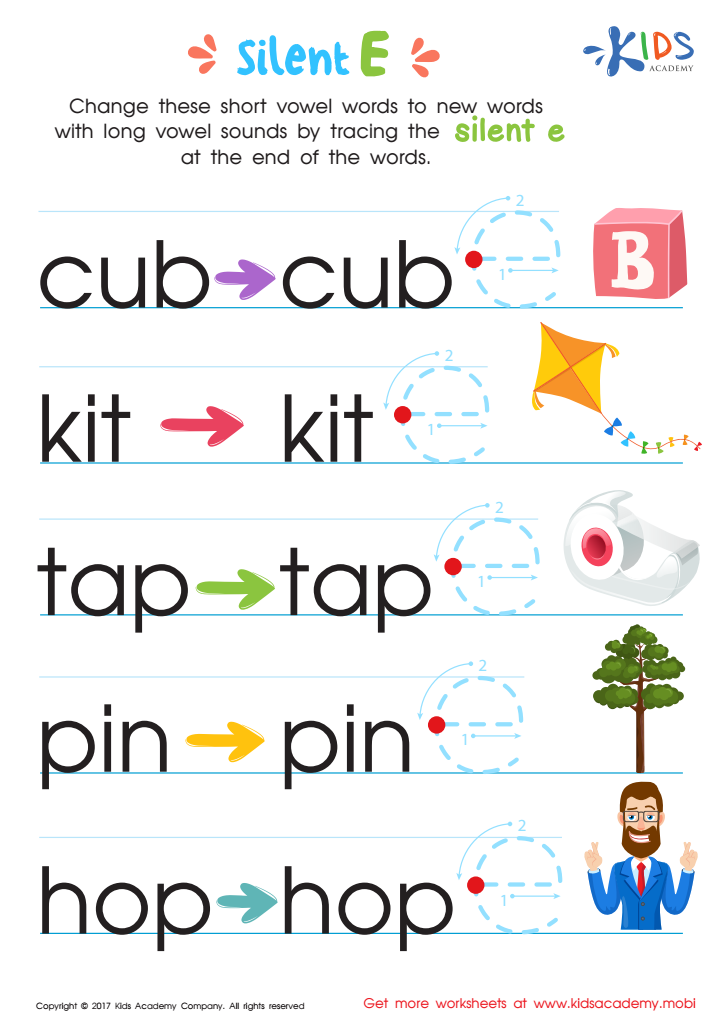
Silent E Words Worksheet
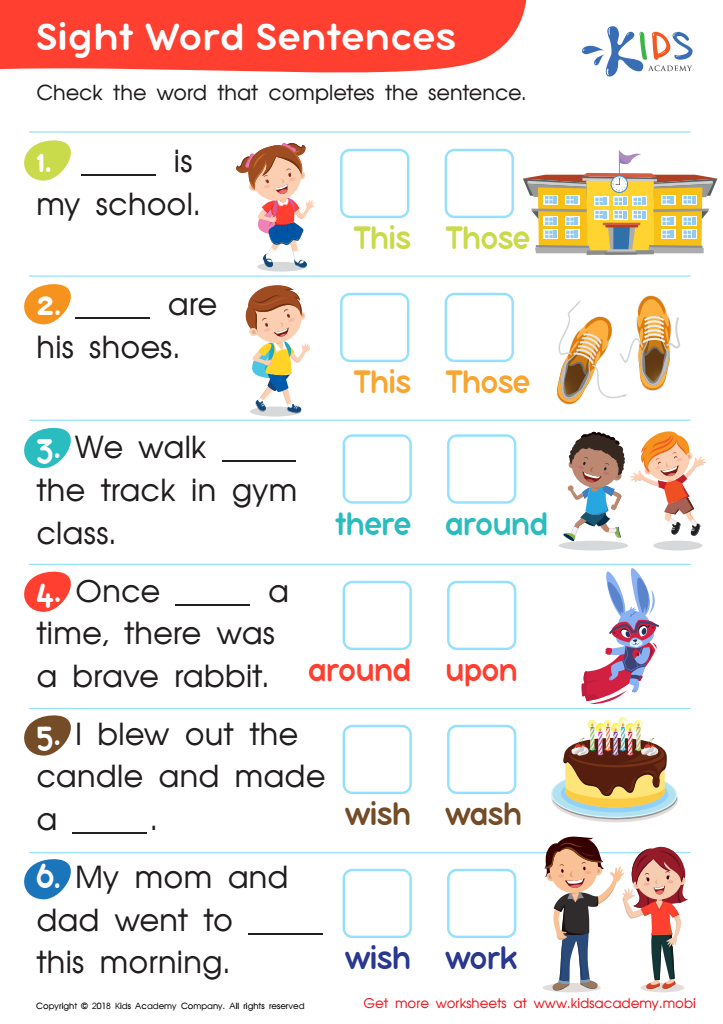
Sight Word Sentences Worksheet
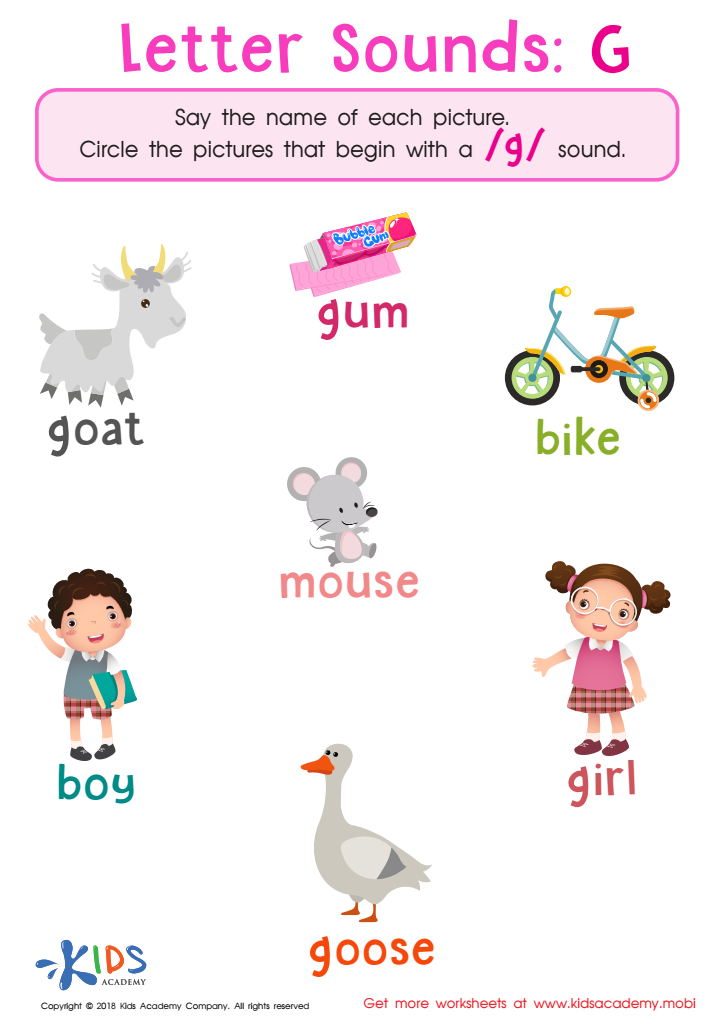
Letter G Sounds Worksheet








Parents and teachers should deeply care about developing reading skills, especially phonics, for children aged 5-9, because those years are foundational for lifelong learning. Phonics, the method of teaching reading by correlating sounds with letters or groups of letters, is essential for young learners.
Firstly, strong reading skills are critical for academic success across all subjects. When children learn to decode words through phonics, they improve their ability to read fluently. This fluency fosters comprehension, allowing them to understand and retain information in all areas of study, from science to social studies.
Secondly, early reading skills boost confidence and foster a love for learning. Children who can read independently are more likely to explore new topics and acquire varied knowledge with enthusiasm, setting the stage for lifelong learning habits.
Moreover, reading proficiency is closely linked to higher self-esteem. Struggling readers often face frustration and can develop negative attitudes toward school, while proficient readers tend to enjoy learning experiences, participate more in class, and perform better academically and socially.
Finally, early intervention with phonics can help identify and address learning difficulties such as dyslexia. Recognizing these challenges early enables targeted support, significantly improving educational outcomes.
Thus, prioritizing phonics instruction helps ensure that children attain critical literacy skills, building a strong foundation for their entire educational journey.







