Alphabet Recognition Tracing Letters Worksheets for Ages 5-9 - Page 2
28 filtered results
-
From - To
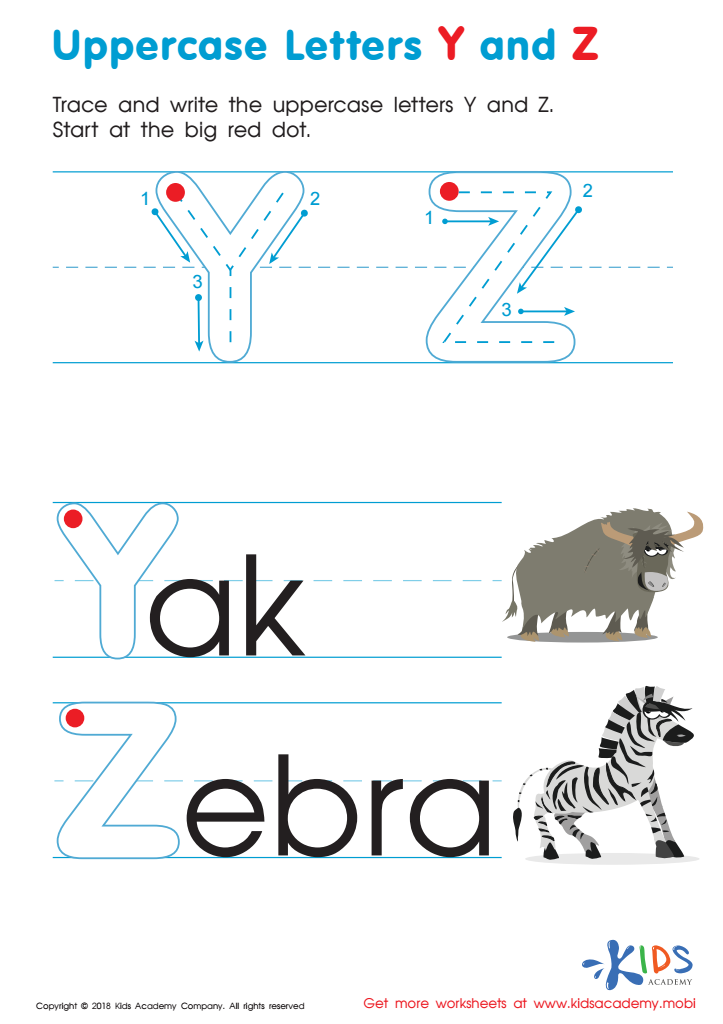
Uppercase Letters Y Z Worksheet
 Assign to My Students
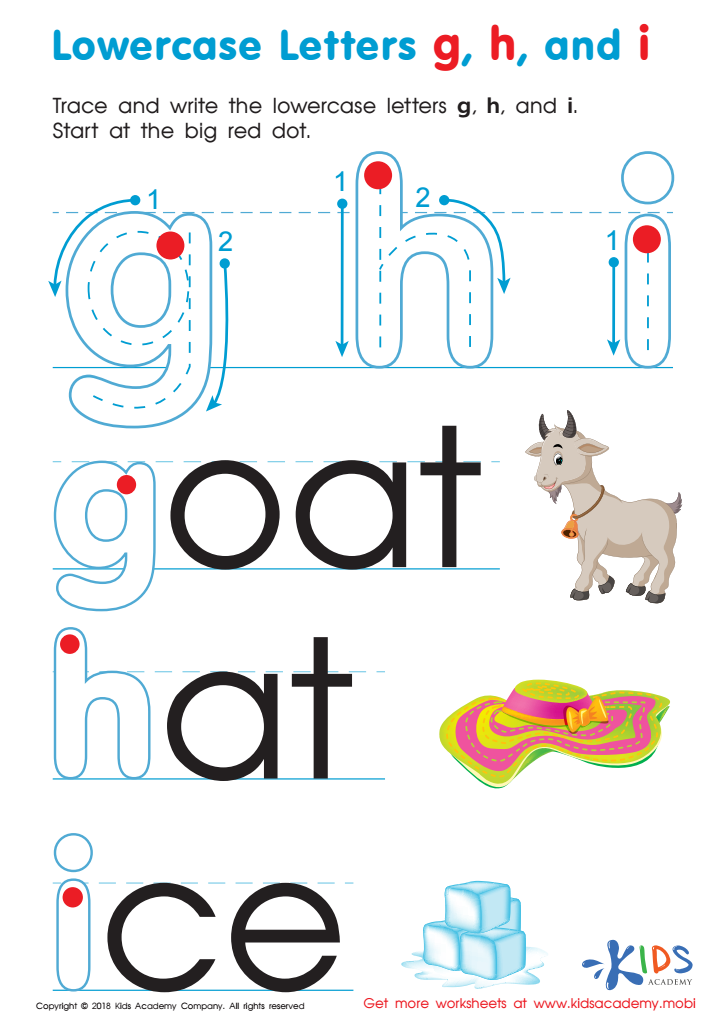
Lowercase Letters g h i Worksheet
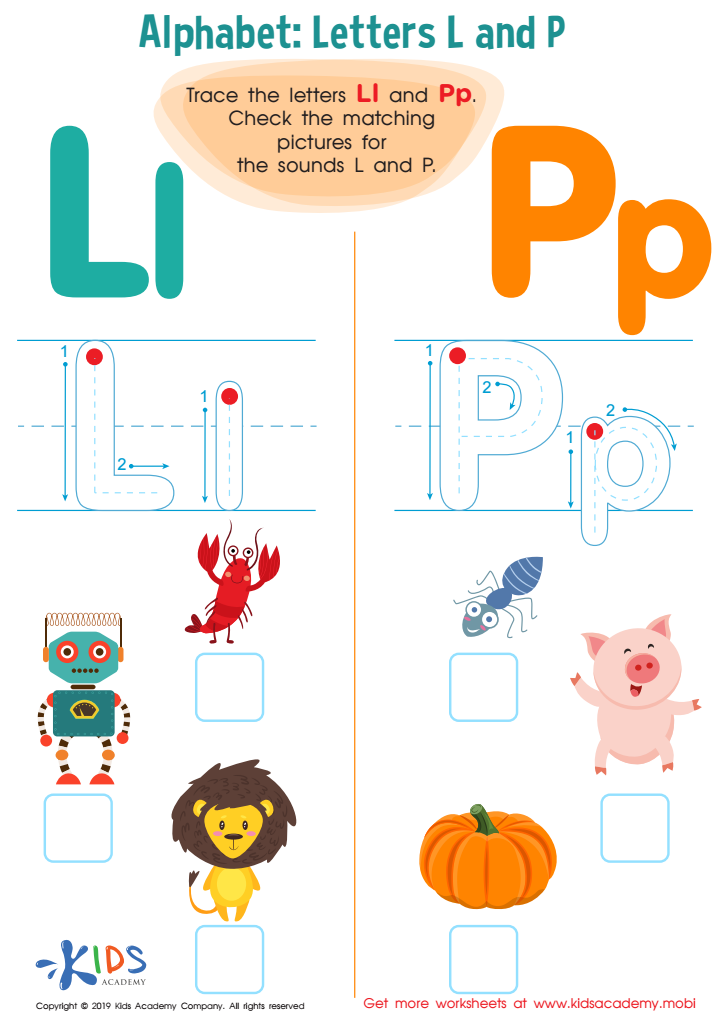
Letter L and P Tracing Worksheet
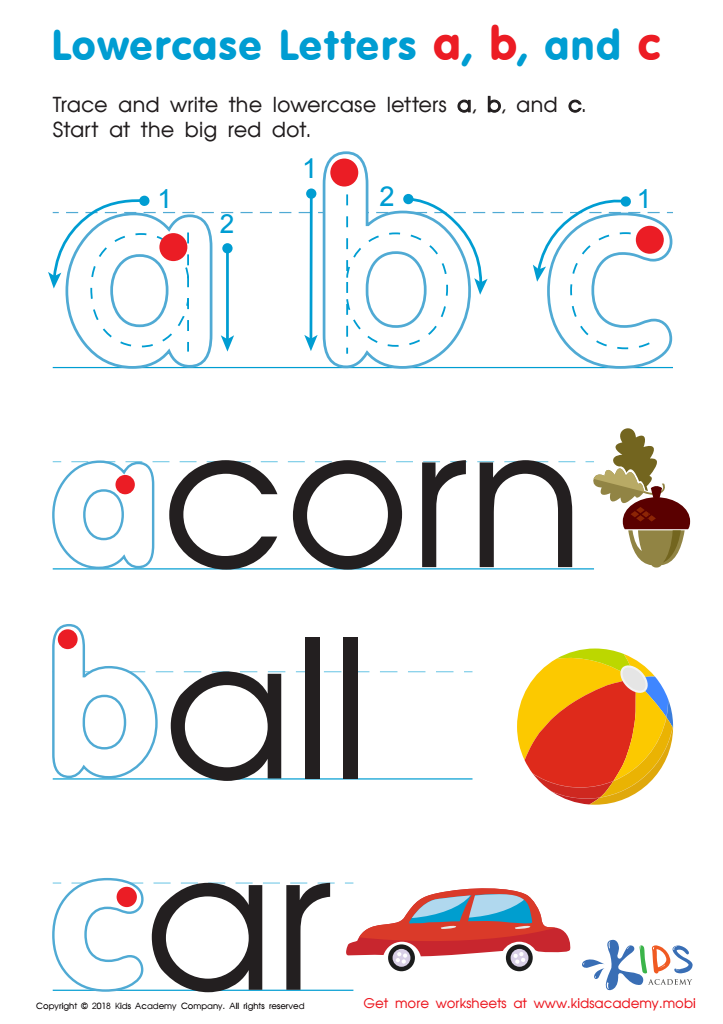
Lowercase Letters a b c Worksheet








Alphabet recognition and tracing letters are foundational skills for children ages 5-9, crucial for their early literacy development. Firstly, alphabet recognition helps children understand the relationship between letters and sounds, which is essential for phonemic awareness – the ability to hear, identify, and manipulate the individual sounds in spoken words. Mastering this skill is critical for reading success.
For parents and teachers, focusing on tracing letters addresses several developmental areas. It strengthens fine motor skills necessary for writing and enhances hand-eye coordination. The repetitive action of tracing also reinforces memory and muscle memory, making letter formation more automatic over time.
Alphabet recognition combined with tracing helps children build confidence as they learn to read and write. Such activities can be integrated into playful and engaging education methods, making learning enjoyable and less intimidating. This engagement fosters a positive attitude towards learning at an early age.
Moreover, establishing a solid grasp of the alphabet through recognition and tracing appears prominently in later academic success. Children who can quickly and accurately recognize and form letters are more likely to excel in reading, spelling, and writing tasks, laying the groundwork for lifelong literacy skills. Therefore, early investment in these activities by parents and teachers is crucial for supporting a child’s educational journey.








