Alphabet sequencing Tracing Letters Worksheets for Ages 5-9
3 filtered results
-
From - To
Discover our engaging Alphabet Sequencing Tracing Letters Worksheets designed specifically for children ages 5-9. These expertly crafted worksheets help young learners master the alphabet through fun, interactive tracing activities. By practicing letter formation and sequence, kids develop essential handwriting skills, reinforce alphabet knowledge, and boost their confidence. Each worksheet is vibrant and easy to use, making learning a delightful experience. Perfect for both classroom and at-home learning, our worksheets foster a love for literacy at an early age. Unlock your child's potential with Kids Academy's Alphabet Sequencing Tracing Letters Worksheets today!
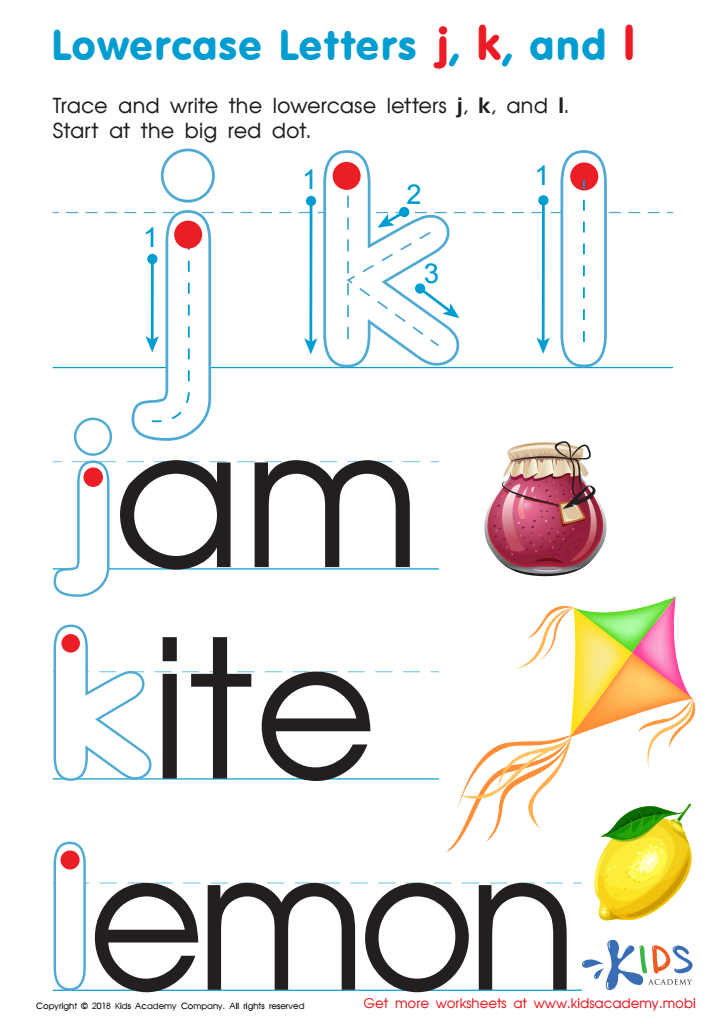
Lowercase Letters j k l Worksheet
 Assign to My Students
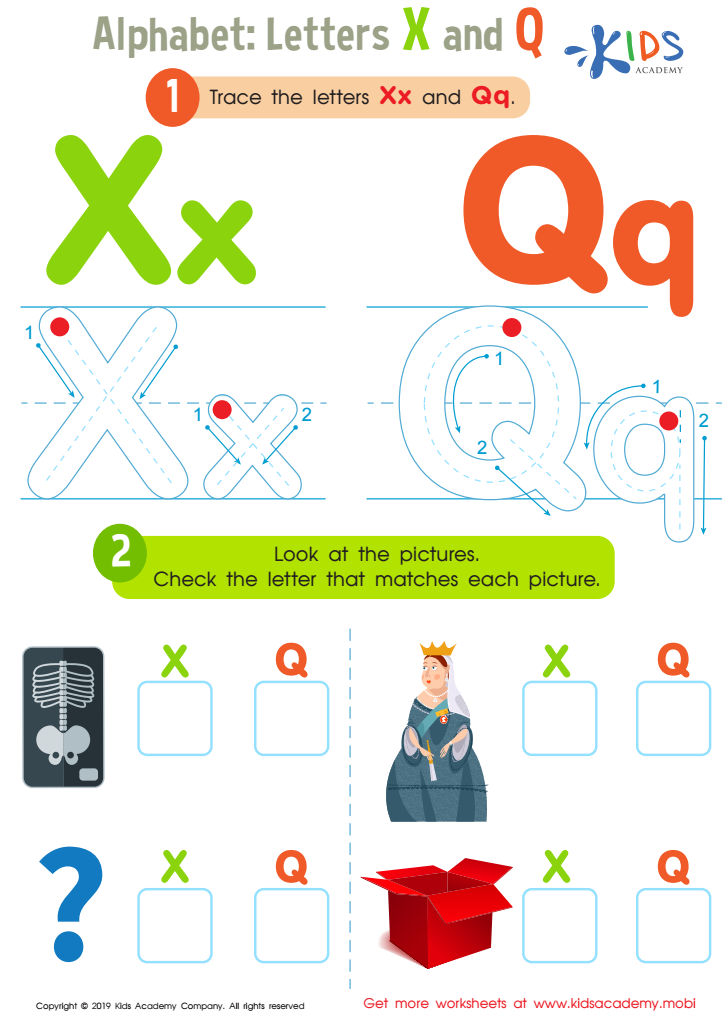
Letters X and Q Tracing Worksheet
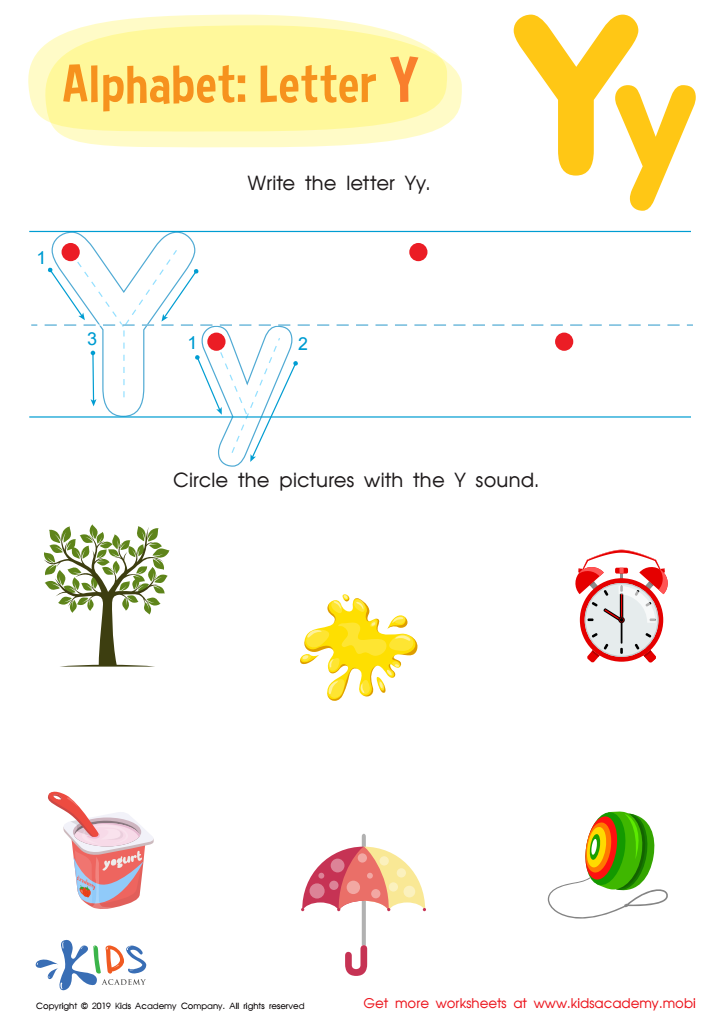
Letter Y Tracing Worksheet








Alphabet sequencing and tracing letters are foundational skills for young children, and parents or teachers should place significant emphasis on them for ages 5-9 due to their critical impact on literacy and cognitive development. At this formative stage, children are building the basics of their reading and writing abilities. Conducting alphabet sequencing activities helps children understand the order and structure of the alphabet, enabling them to recognize patterns, predict subsequent letters, and strengthen their memory.
Tracing letters, on the other hand, integrates auditory, visual, and kinesthetic learning pathways, ensuring a multi-sensory learning experience. It promotes fine motor skills and hand-eye coordination, which are essential for writing fluency. Tracing also helps in learning the correct stroke order and direction, leading to more legible handwriting.
Cultivating these skills early ensures children build a strong literacy foundation that translates into better academic performance later in life. Being proficient in alphabet sequencing and letter tracing helps children develop reading skills such as phonemic awareness and decoding, which are necessary for reading comprehension and effective communication.
Both activities are not just about rote learning but also about building confidence and motivation, which encourages a lifelong love for learning. Overall, emphasizing these skills aligns with fostering comprehensive cognitive, literacy, and personal development in young children.








