Handwriting practice Tracing Letters Worksheets for Ages 5-9 - Page 2
28 filtered results
-
From - To
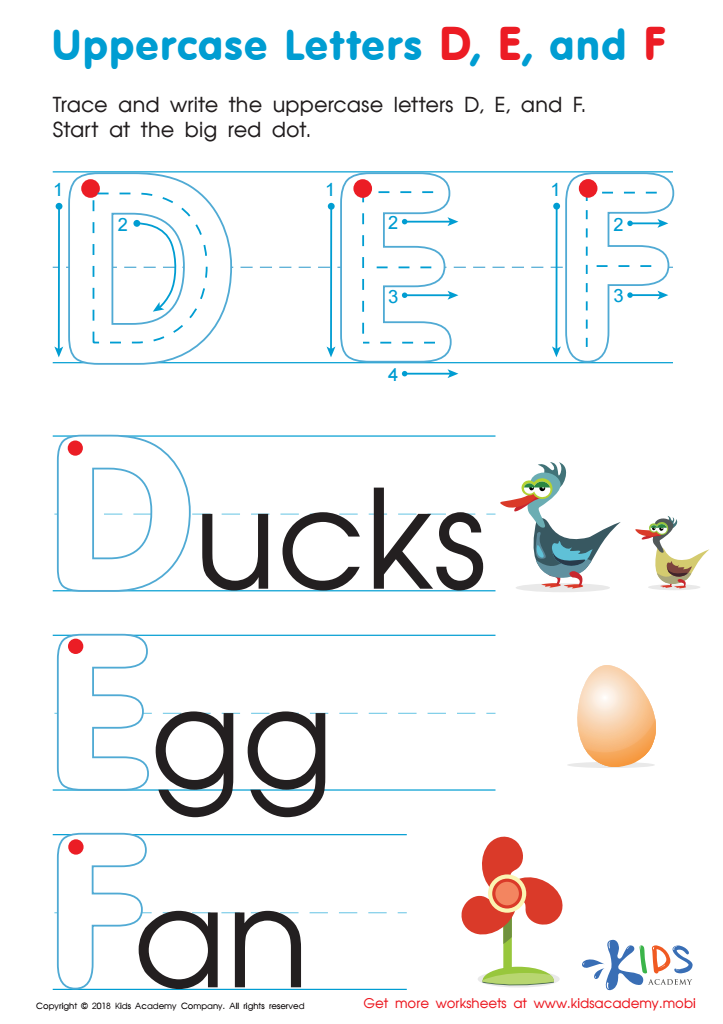
Uppercase Letters D, E, and F Worksheet
 Assign to My Students
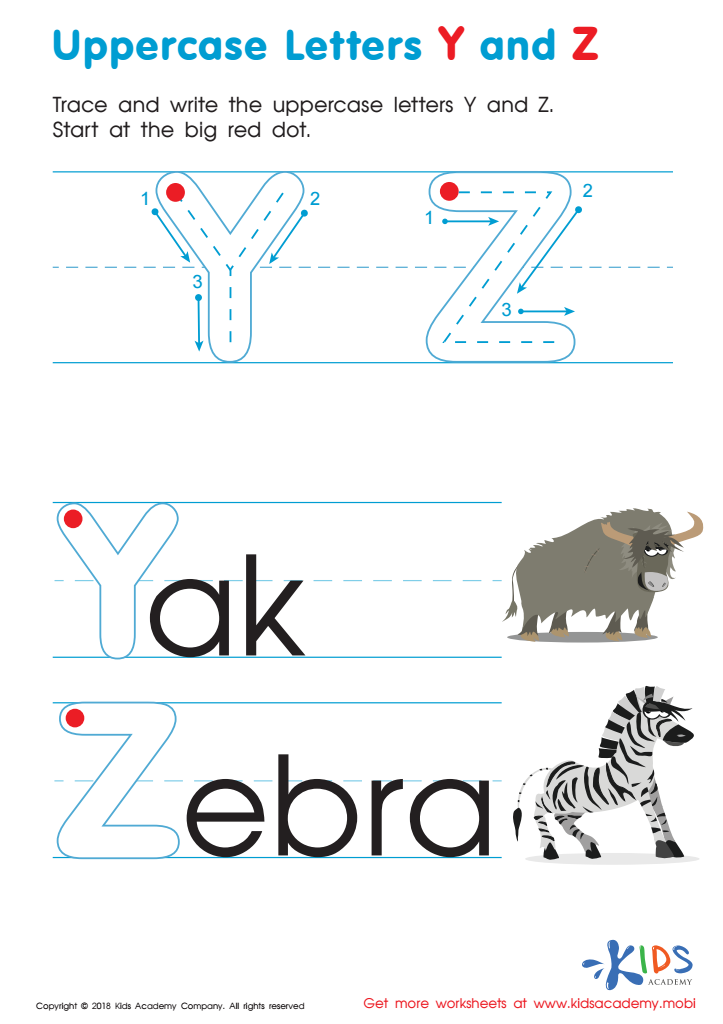
Uppercase Letters Y Z Worksheet
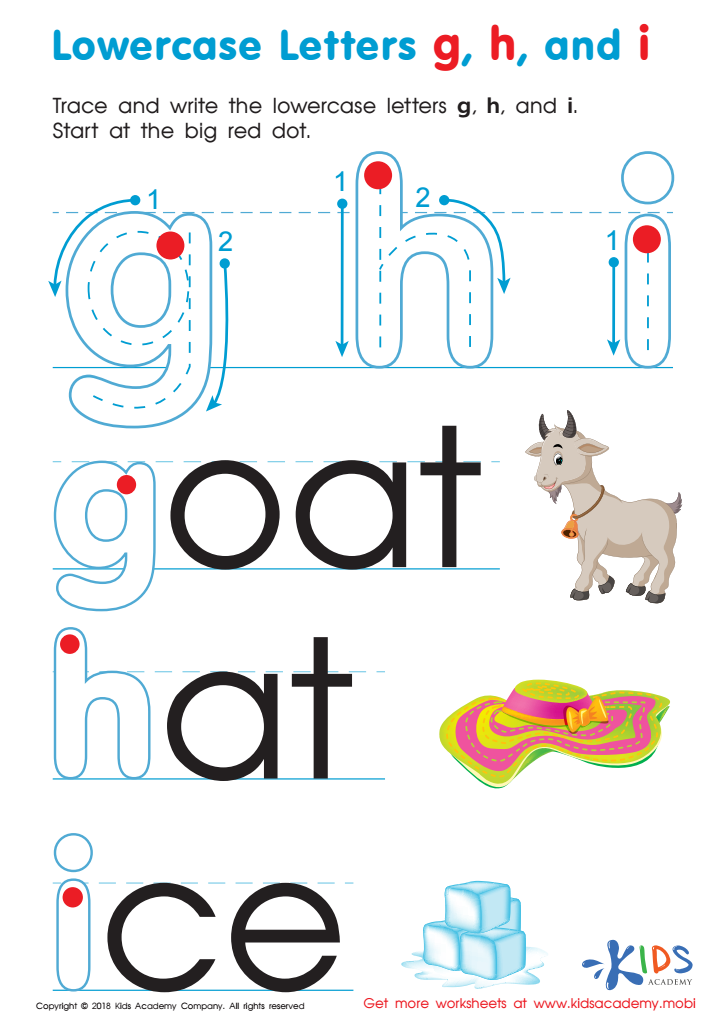
Lowercase Letters g h i Worksheet
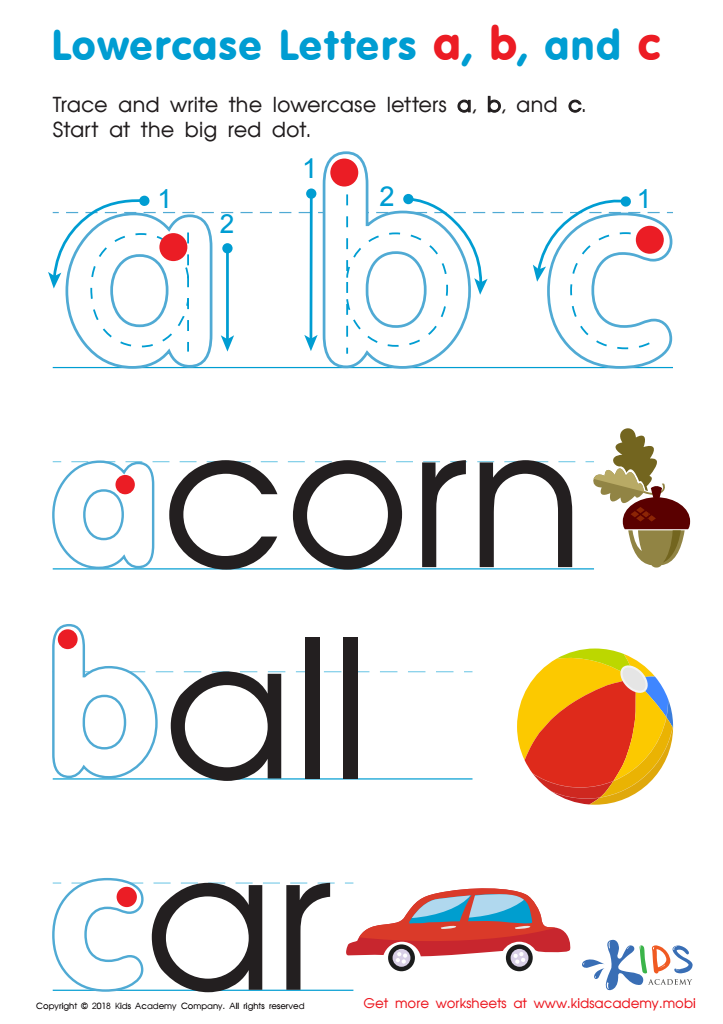
Lowercase Letters a b c Worksheet








Handwriting practice, particularly tracing letters for ages 5-9, is crucial for several reasons. First, it helps develop fine motor skills, which are essential for tasks such as buttoning clothing and using utensils. When children trace letters, they strengthen the small muscles in their hands and fingers, improving their dexterity and coordination, which is foundational for their overall physical development.
Second, tracing letters enhances cognitive skills. It reinforces letter recognition and phonemic awareness, both key components in reading development. As children trace, they essentially engage in kinesthetic learning, which makes the correlation between letters and sounds more tangible. This active involvement fosters better retention and understanding.
Additionally, neat handwriting reflects a child’s attention and effort, often impacting their confidence and self-expression. Many educators emphasize that good handwriting can influence a child's academic performance, especially in written assessments. Finally, through regular practice, children cultivate patience and resilience, learning that improvement comes with effort and dedication.
Involving parents in this practice at home can further strengthen the connection and reinforcement of skills taught in the classroom, showcasing the partnership essential in a child’s educational journey. Ultimately, focusing on handwriting helps children build a foundation for successful communication, both written and verbal.








