Handwriting Skills Tracing Letters Worksheets for Ages 5-9
9 filtered results
-
From - To
Boost your child's handwriting skills with our engaging Tracing Letters Worksheets designed specifically for ages 5-9! These fun and interactive worksheets provide a perfect way to help young learners develop fine motor skills and letter recognition through tracing activities. Each sheet features a variety of uppercase and lowercase letters, paired with vibrant illustrations to keep children motivated. As they trace each letter, kids will gain confidence in their handwriting abilities while enjoying an enriching educational experience. Perfect for at-home practice or as a supplemental resource in the classroom, our worksheets are a valuable tool for fostering early literacy skills. Download now!
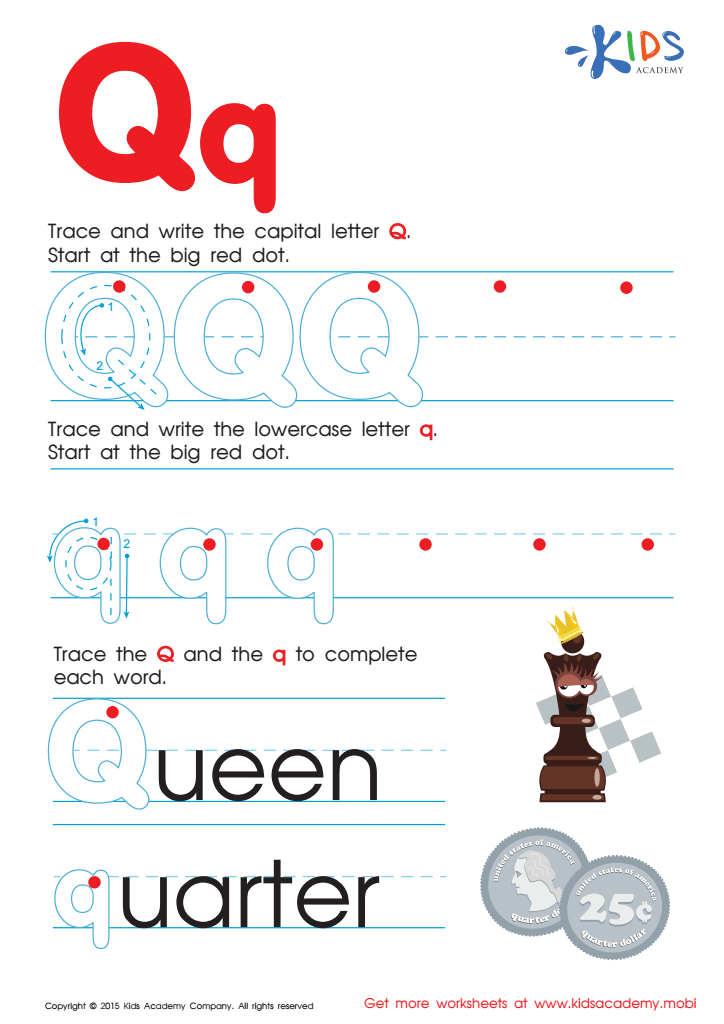
Letter Q Tracing Page
 Assign to My Students
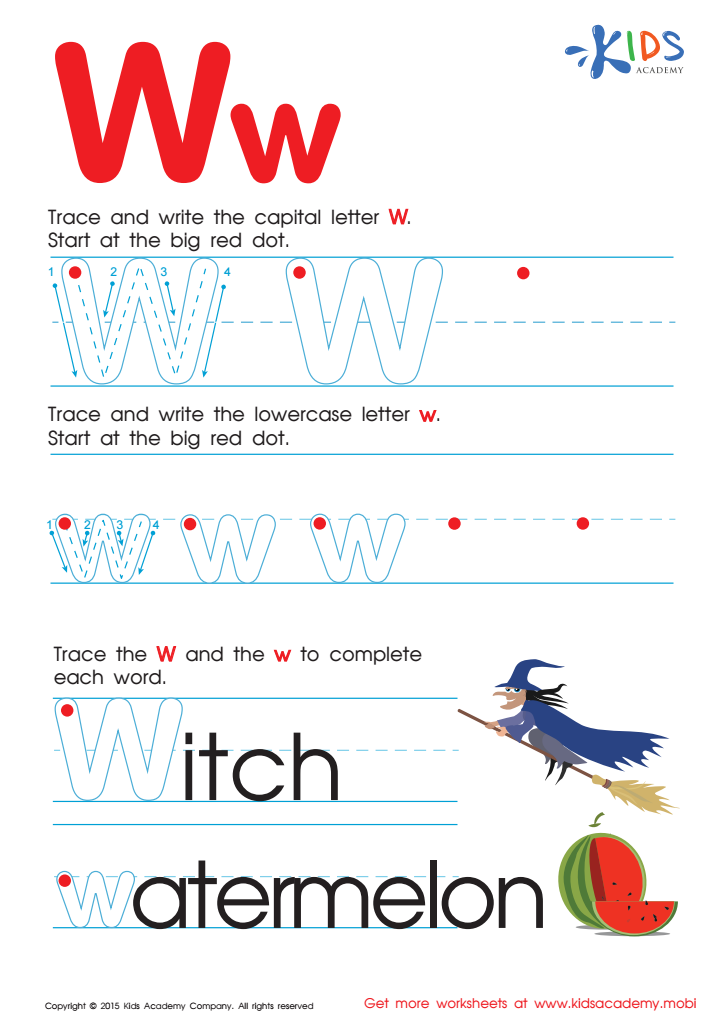
Letter W Tracing Page
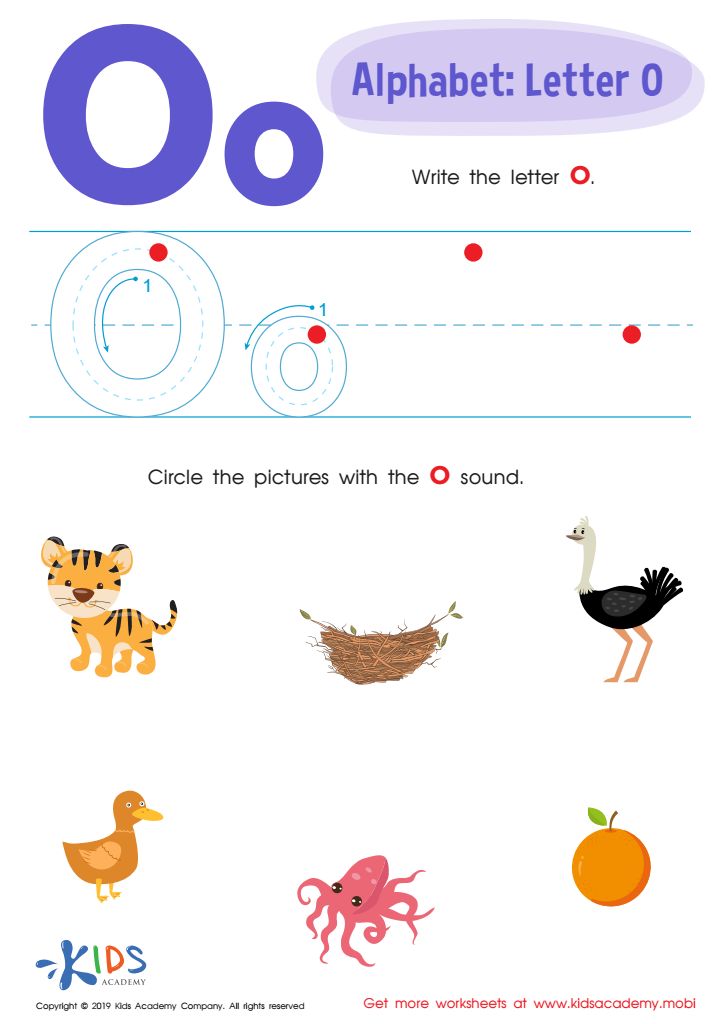
Letter O Tracing Worksheet
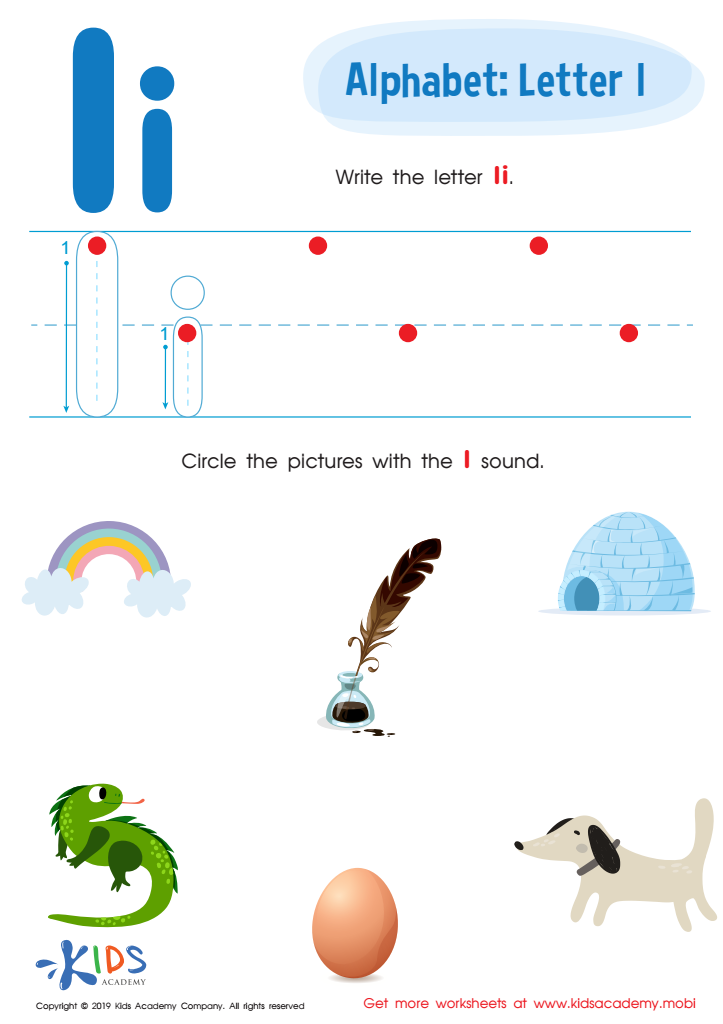
Letter I Tracing Worksheet
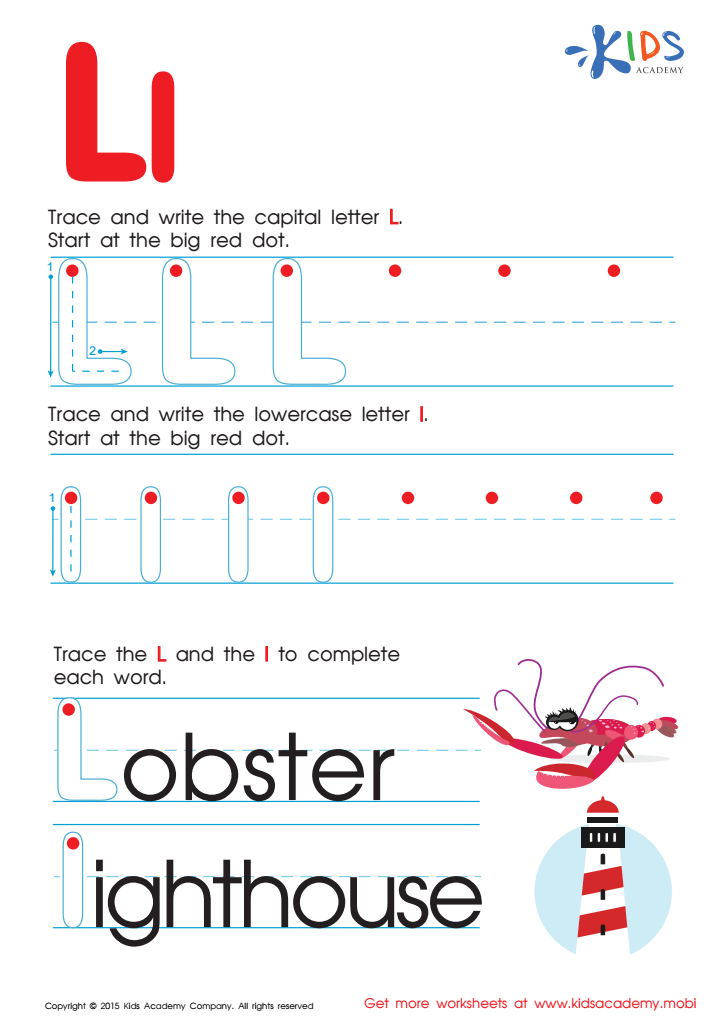
Letter L Tracing Page
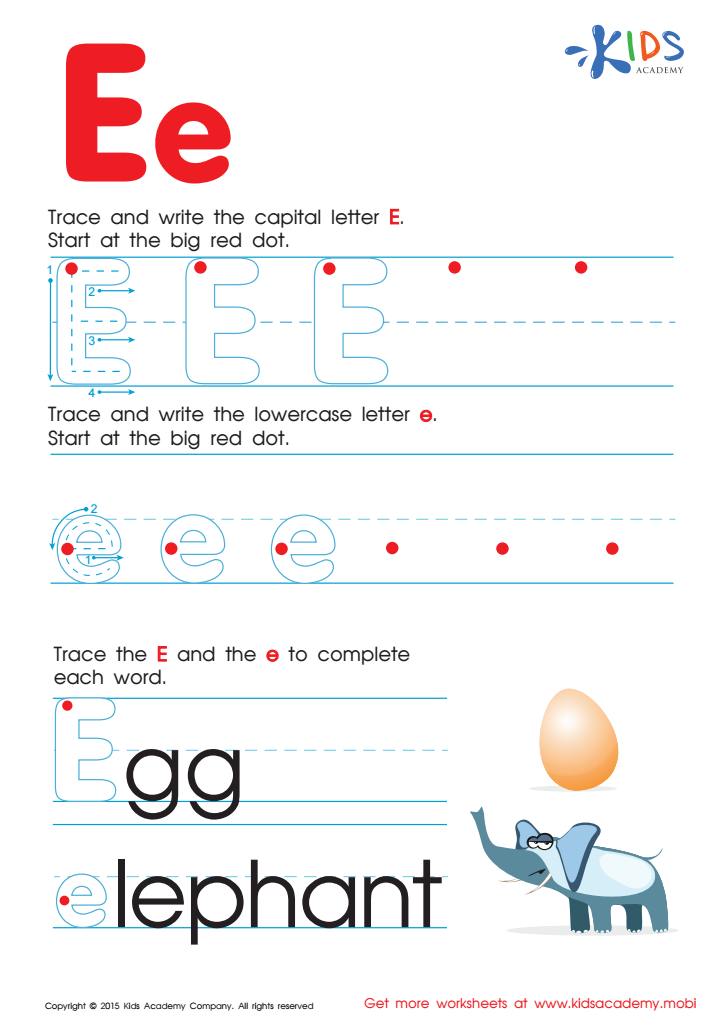
Letter E Tracing Page
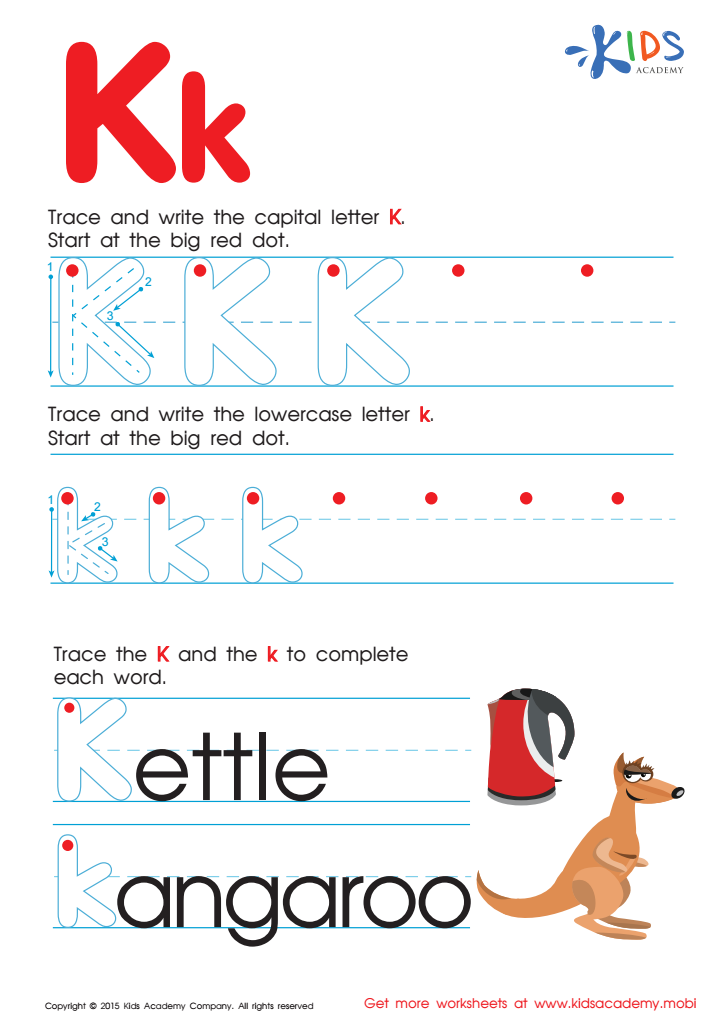
Letter K Tracing Page
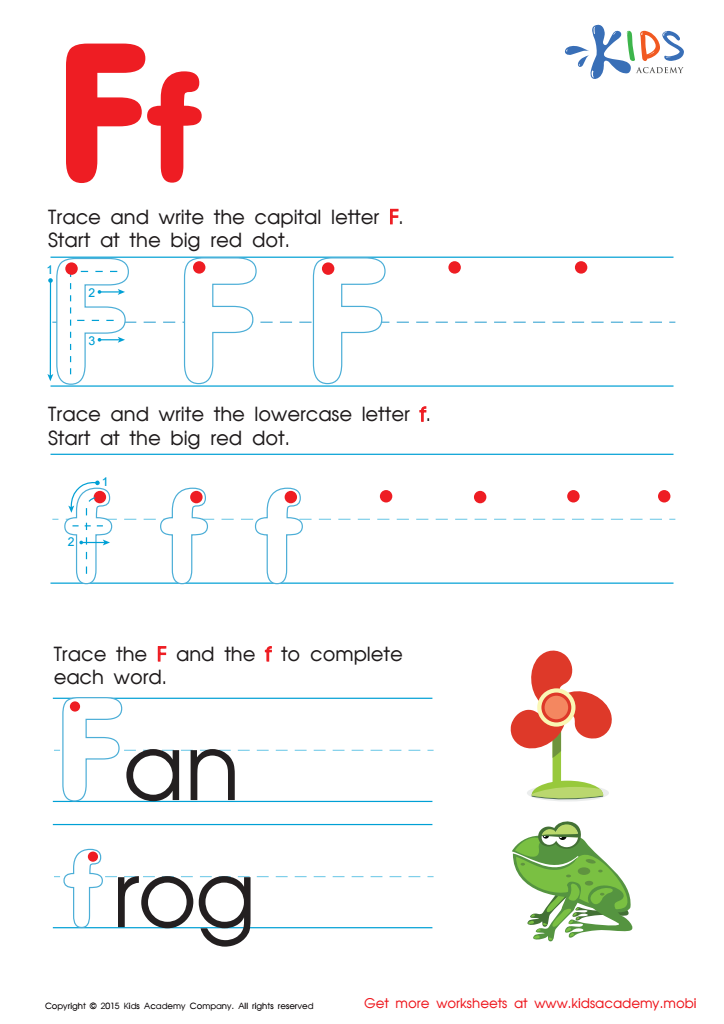
Letter F Tracing Page
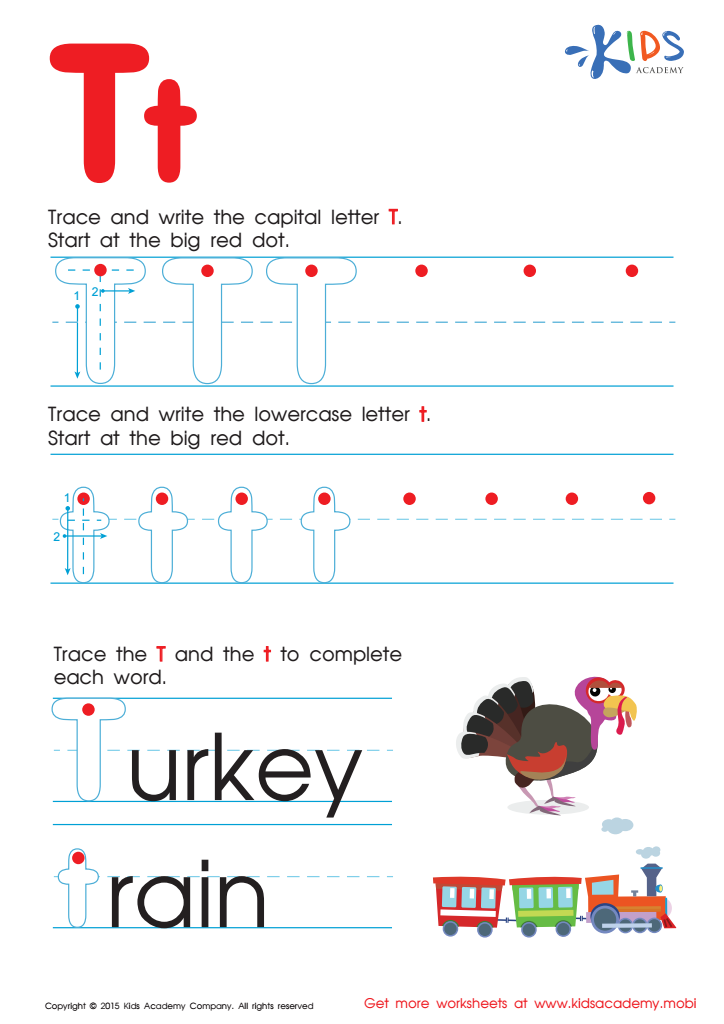
Letter T Tracing Page







Handwriting skills, particularly tracing letters, play a crucial role in the early development of children aged 5-9. At this age, children are developing fine motor skills and hand-eye coordination, which are essential for their overall cognitive and physical development. Tracing letters helps strengthen the small muscles in their hands, paving the way for better control in writing, drawing, and other tasks requiring dexterity.
Moreover, early handwriting practice fosters literacy skills. By tracing letters, children become familiar with letter shapes, sounds, and their uses, which enhances their reading and spelling abilities. This foundational knowledge is essential as they progress further in their education. Additionally, engaged in tracing exercises can improve cognitive skills such as memory and concentration.
For parents and teachers, encouraging handwriting practice can produce immediate benefits—boosting confidence as children see their skills improve. It can serve as a cozy, focused activity that bonds caregivers with children, generating positive emotional associations with learning. As digital literacy becomes more prevalent, maintaining strong handwriting skills ensures children don't miss out on critical opportunities in written communication. In summary, law handwriting education significantly contributes to children's developmental, cognitive, and social growth.








